
Trip to Chile 2026: IX national conference on native flora of Chile
Eduardo Olate
October 2026
Acknowledgements
Thanks to Mediterranean Plants and Gardens for part-funding this trip to Chile 2026.
Thanks to Martin Gardner from Royal Botanic Gardens Edinburgh for supporting my application.
Thanks to the Fundación Flora Nativa Chilena for allowing me to take part at the IX national conference on native flora of Chile (congresofloranativa.cl).
Introduction
Mediterranean Plants and Gardens kindly provided £500 towards a four-week visit to Chile from 24 August to 24 September 2026, built around the IX Congreso Nacional de Flora Nativa Chilena, held in Santiago from 3 to 5 September 2026.
I’m one of the founders of the conference and president of the Fundación Flora Nativa Chilena (www.floranativachilena.cl), and I travelled as a member of the organising committee. Soon after arriving in Santiago on 24 August, I joined the rest of the committee, made up of members of the foundation and academic staff of the Faculty of Agriculture and Natural Systems of the Pontificia Universidad Católica de Chile (PUCC).
The conference was held at the university’s San Joaquín campus. It ran over two days of keynote talks and oral and poster presentations, followed by a third day of field trips.
I attended the conference in person, my first since the sixth in 2019, and was able to meet and network with many people and organisations. The conference brought together researchers, graduate and undergraduate students, professionals and organisations working on the research, use, production and management of Chilean native flora, covering botany, physiology, ecology, propagation, plant breeding, conservation and restoration, production and landscape design.
I worked alongside my colleagues of the Fundación Flora Nativa Chilena on the coordination of the conference, on networking, and on identifying improvements and needs for future events and editions.
Our engagement with the British Embassy in Santiago led to British Ambassador David Concar, giving words of welcome at the inauguration, alongside PUCC’s vice-rector for research, and the dean of the faculty of agriculture and natural systems.
During my four weeks in Chile, I met several organisations working on conservation and natural resources, including Jardín Botánico Chagual, Parque Quilapilún, the Chilean Association of Botanic Gardens and the PUCC Faculty of Agriculture and Natural Systems. After the conference I visited Vivero Jardín Pumahuida, a nursery specialising in native plants, and other places of natural interest: Parque Quilapilún, north of Santiago, and Punta El Fraile and Playa El Tebo on the coast of the Valparaíso region. I was also able to look at the use of native species in the parks and streets of Santiago.
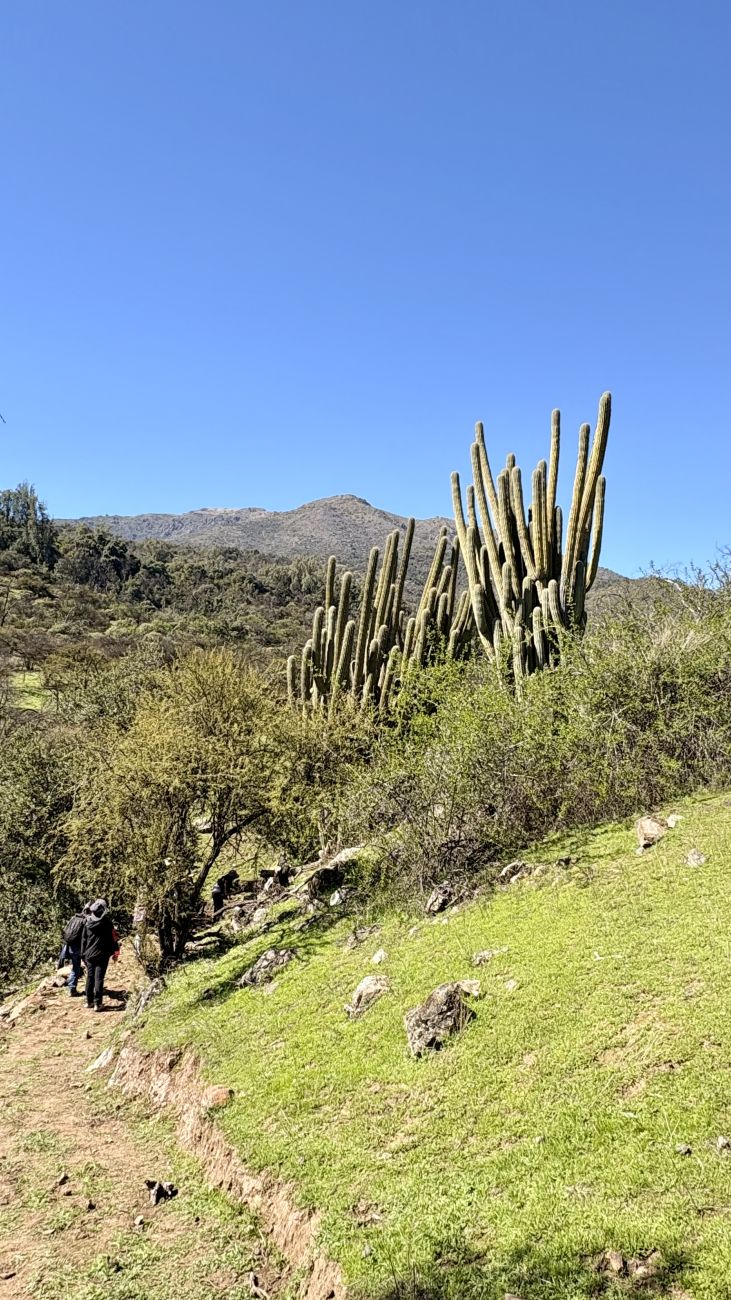
On the conference field trip, I saw the landscape of the Andean foothills and its species and got a better sense of how the vegetation is recovering after the megadrought that hit central Chile from 2010 to 2024.
Itinerary
Monday 24 August
Arrival in Santiago
Tuesday 25 August
First coordination meeting with the organising committee
Tuesday 1 September
In situ coordination and work for the conference
Wednesday 2 September
In situ coordination and work for the conference
Thursday 3 September
Inauguration and first day of presentations at the conference
Friday 4 September
Second day of presentations at the conference
Saturday 5 September
Field trip to El Ajial National Reserve
Sunday 6 September
Visit to Parque Quilapilún
Saturday 12 September
Wrap-up meeting with the organising committee and keynote speakers at Vivero Jardín Pumahuida
Saturday 19 September
Visit to the coast at Punta El Fraile and Playa El Tebo, near Horcón, Valparaíso region
Thursday 24 September
Return flight to London
A glimpse of Santiago and the use of native flora
Although I was born and raised in Santiago, it’s always nice to walk around and see how the city is using native species as part of its green infrastructure.
One of the most successful native street trees is Quillaja saponaria, a well-known tree of the Chilean matorral. It’s easy to propagate from seed, grows fast in the nursery and copes well with limited root space. I was amazed to see it thriving in a very small planting space in front of the Mercado Central (pictures 1 and 2).
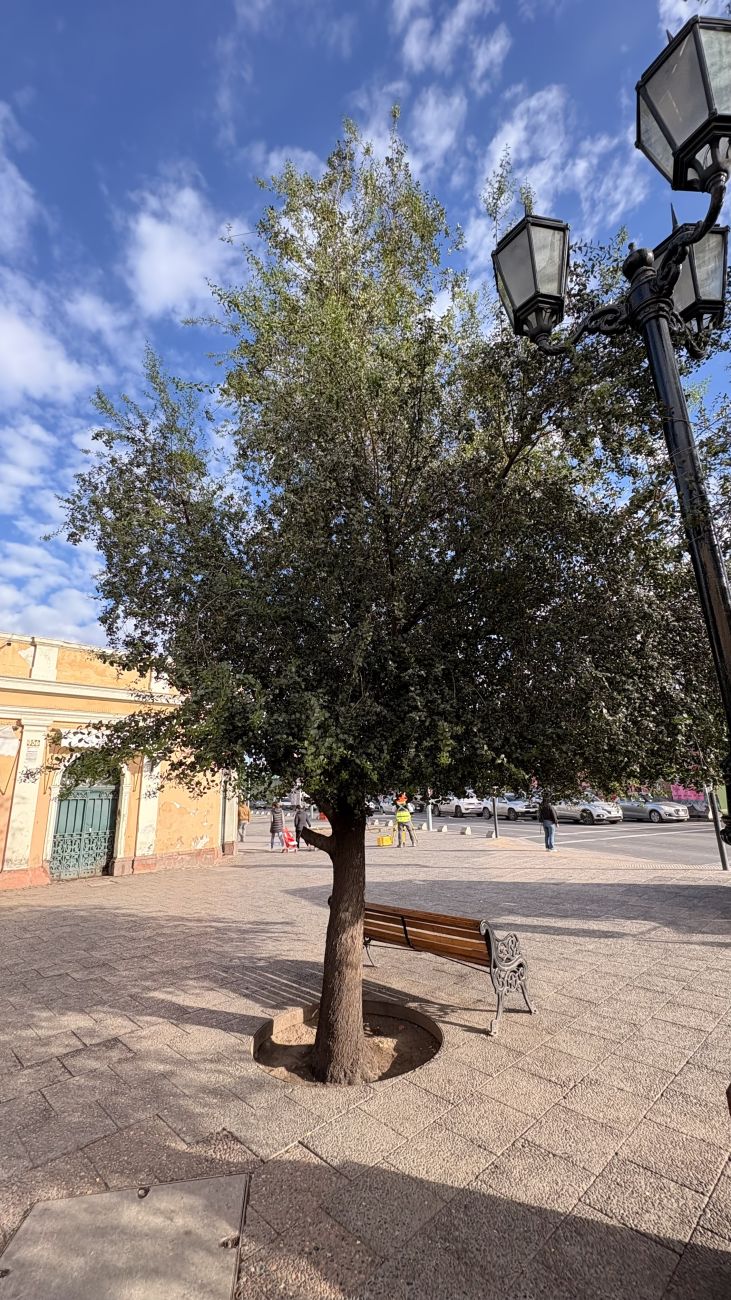
Picture 1
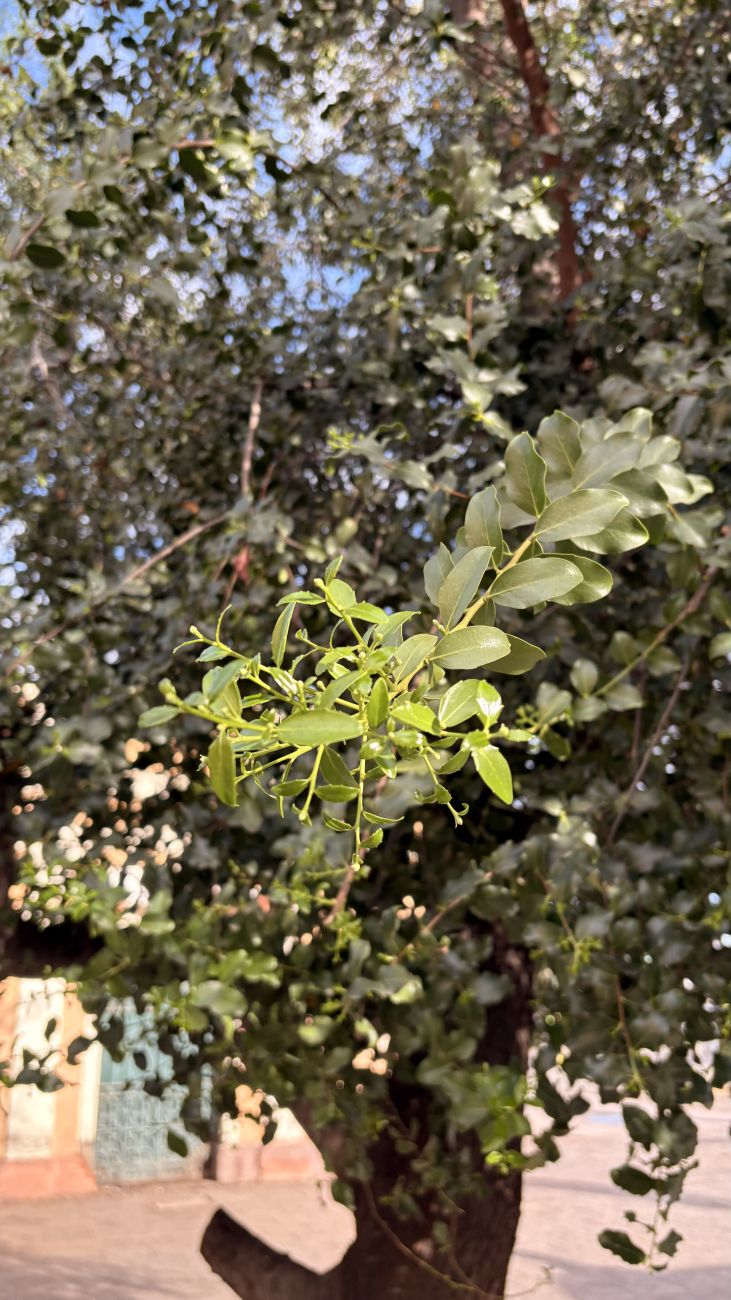
Picture 2
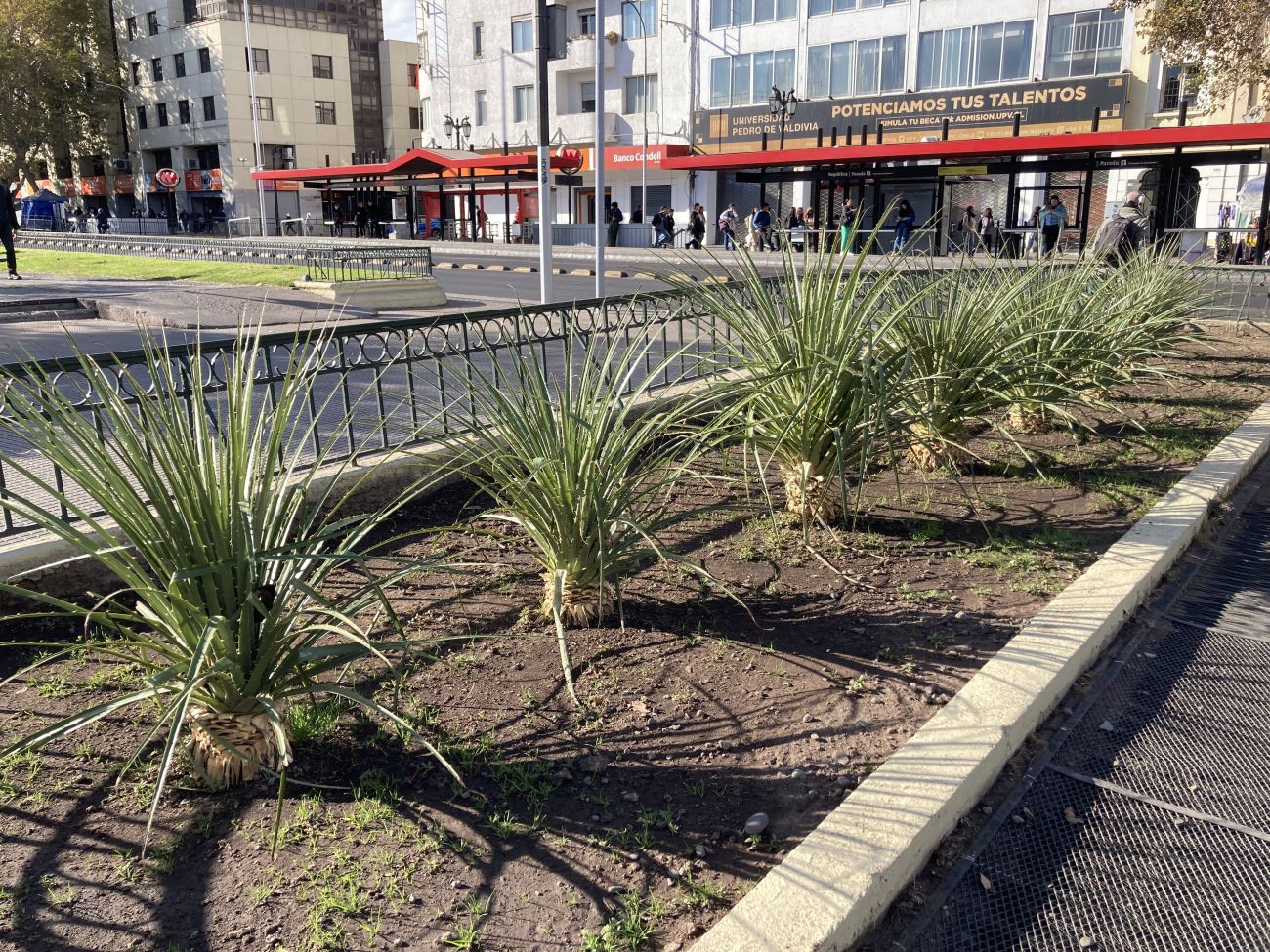
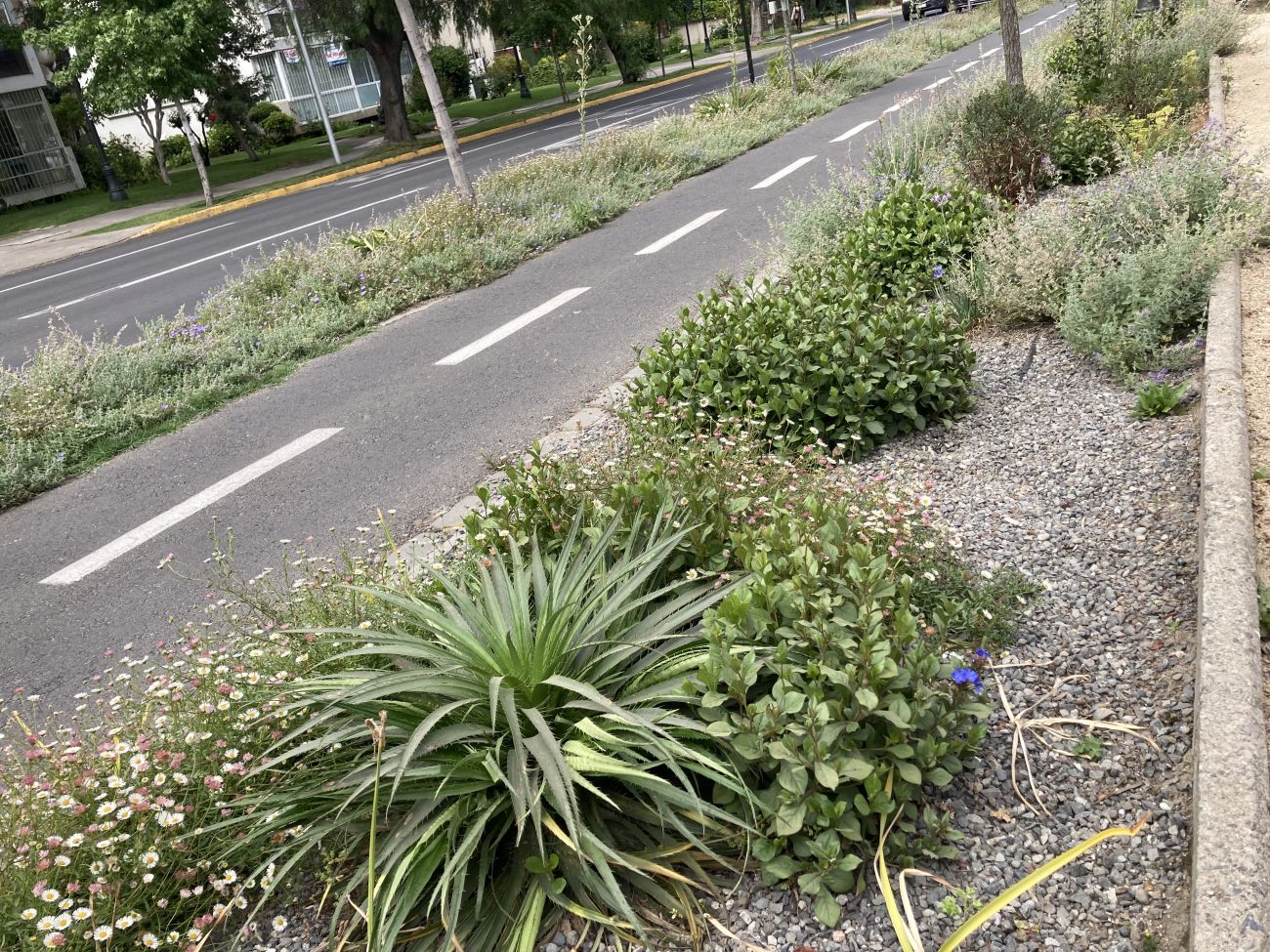
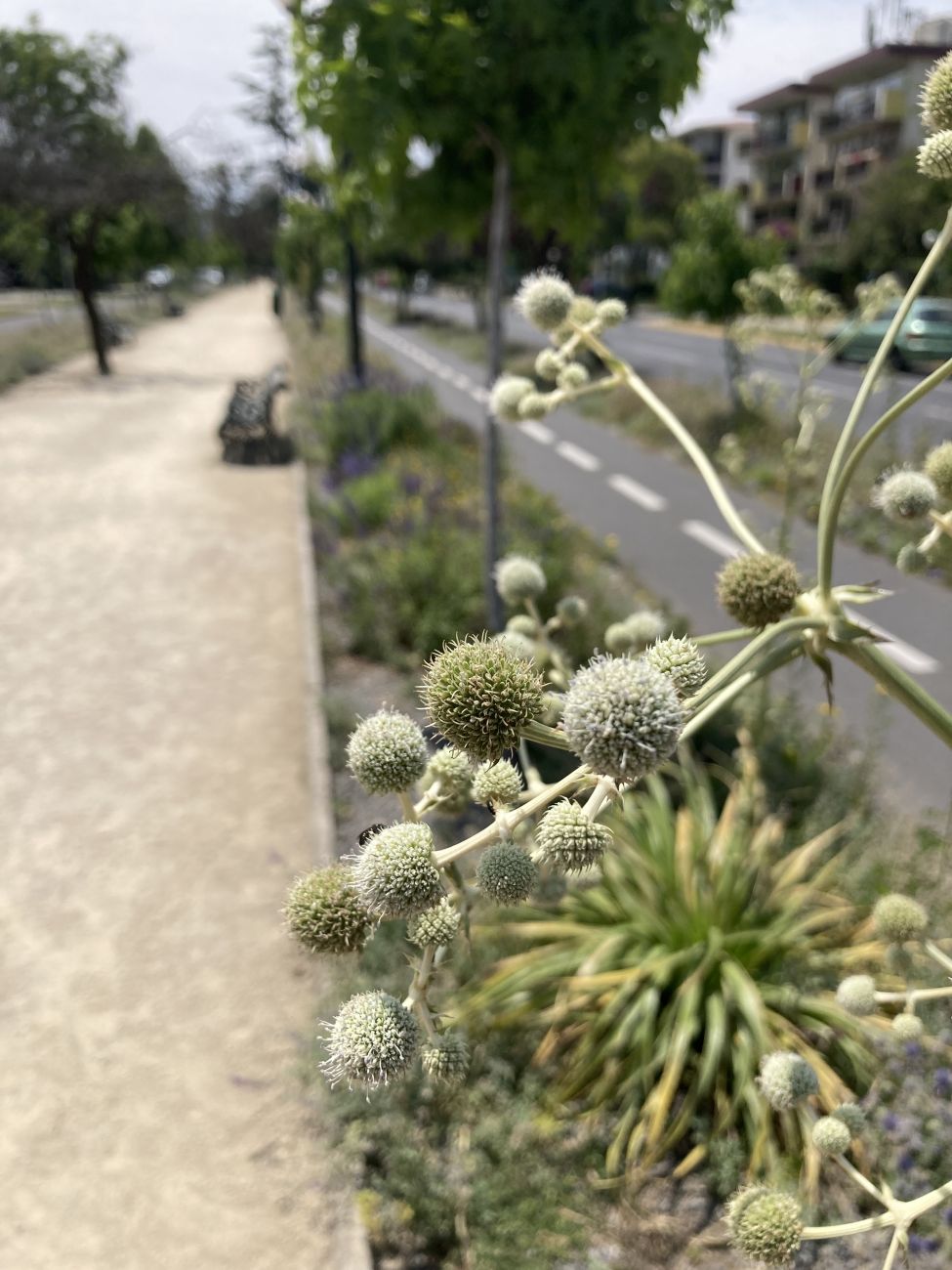
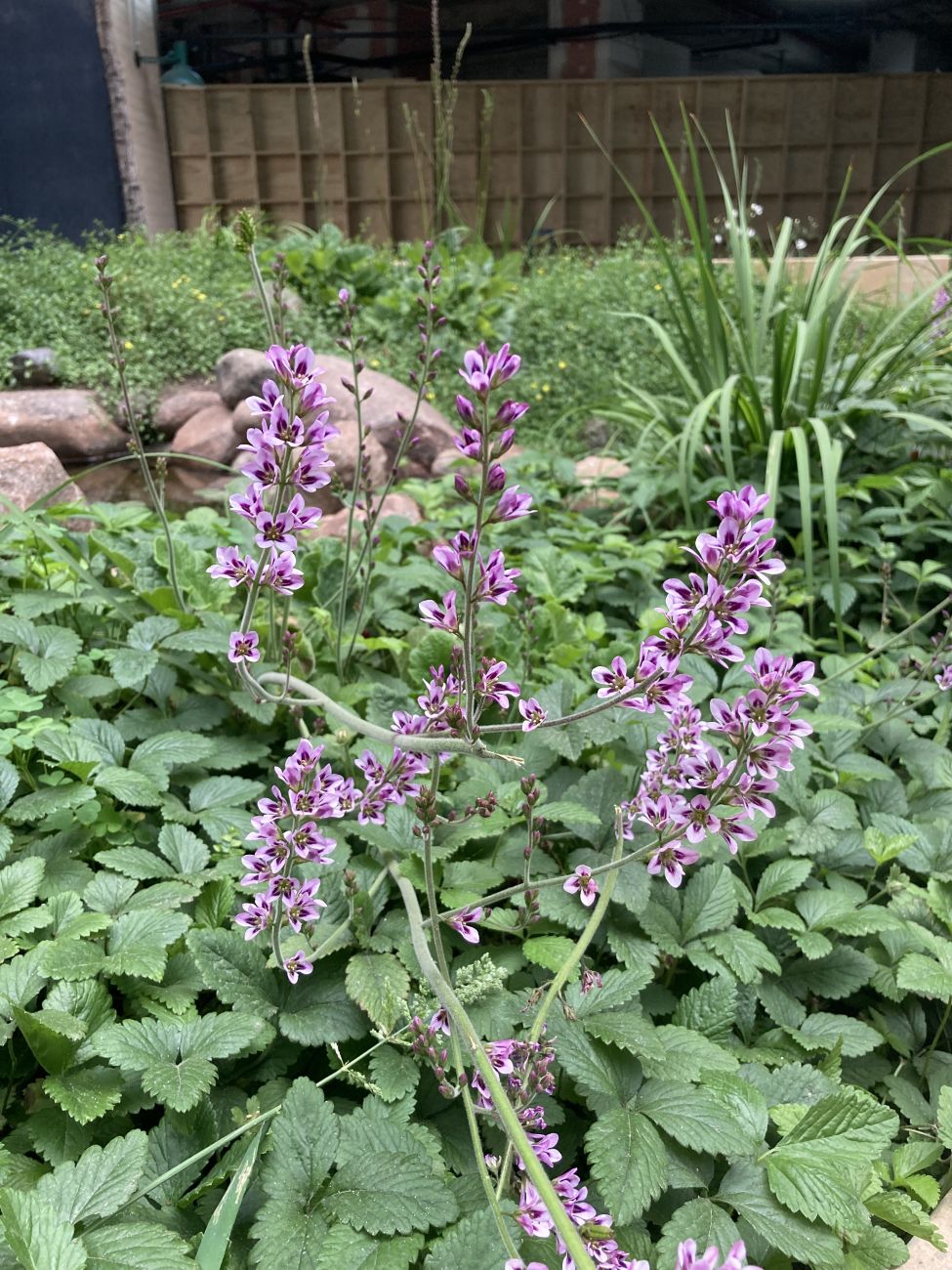
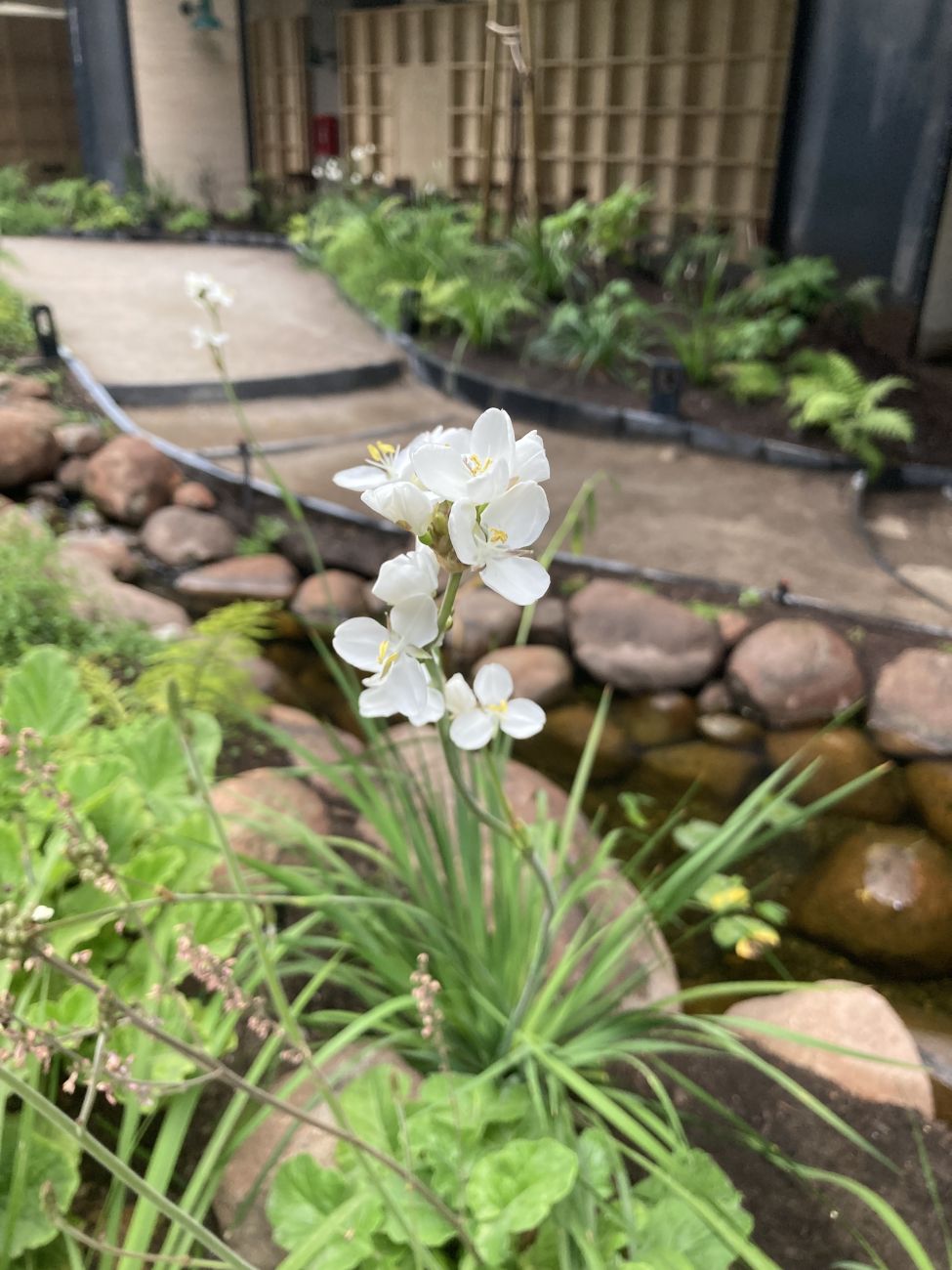
New to me was the use of Puya chilensis in one of the gardens along the city’s main avenue (Pictures 3 and 4). In the eastern neighbourhood of Providencia, I was impressed by the use of Eryngium paniculatum, Francoa appendiculata and Libertia chilensis in different public gardens (pictures 5, 6, 7, and 8).
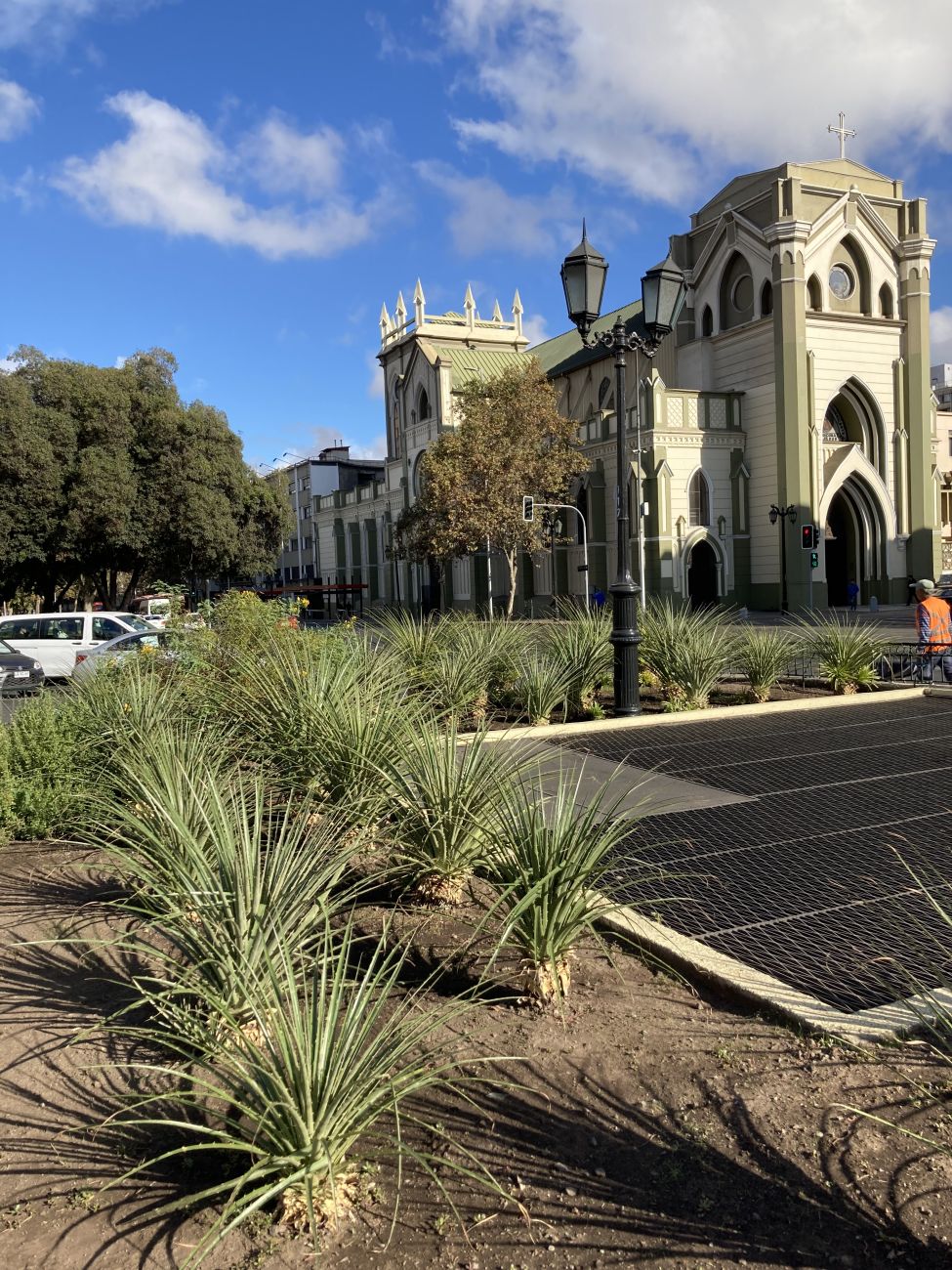
Picture 3
Picture 4
Picture 5
Picture 6
Picture 7
Picture 8
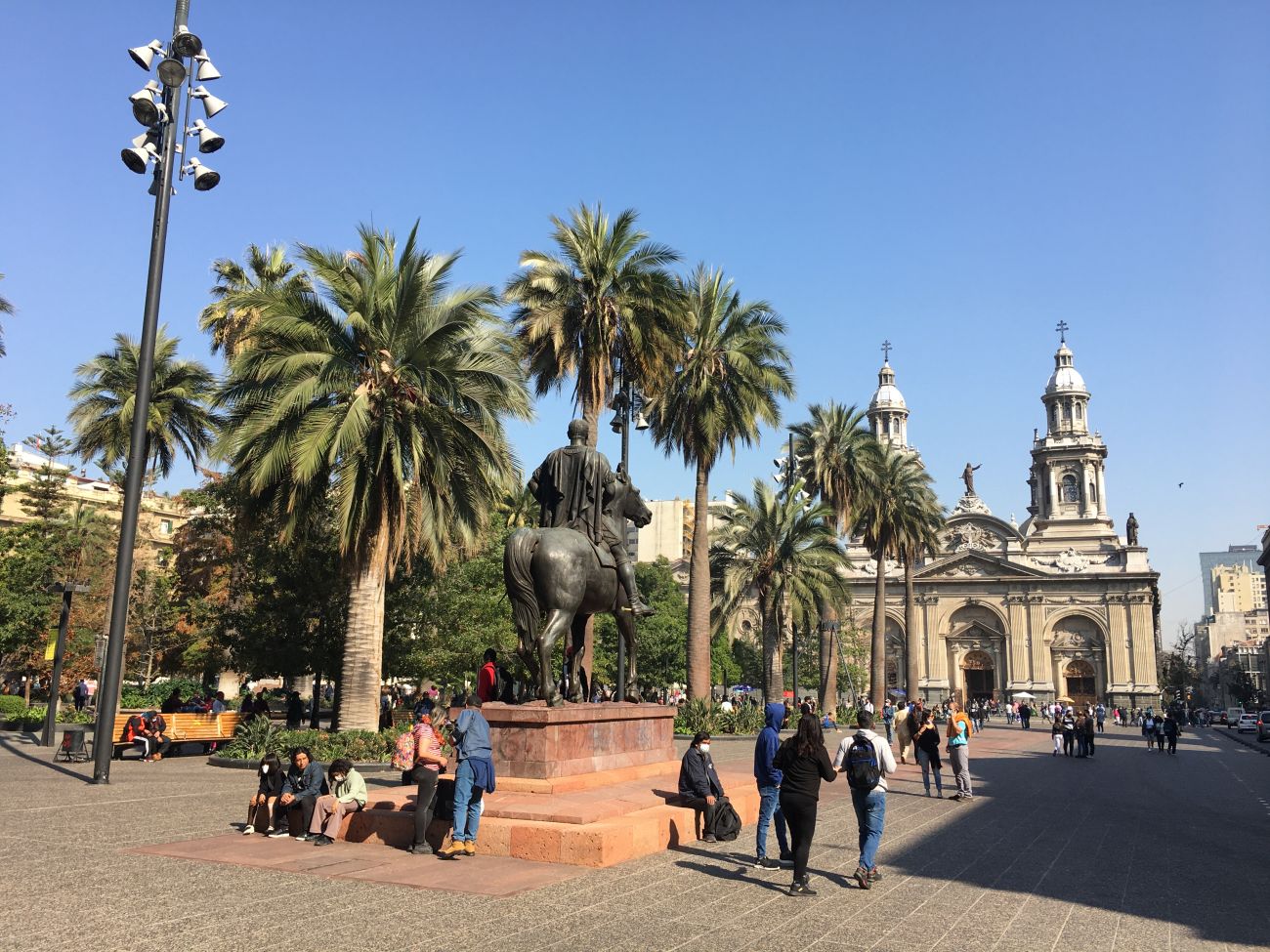
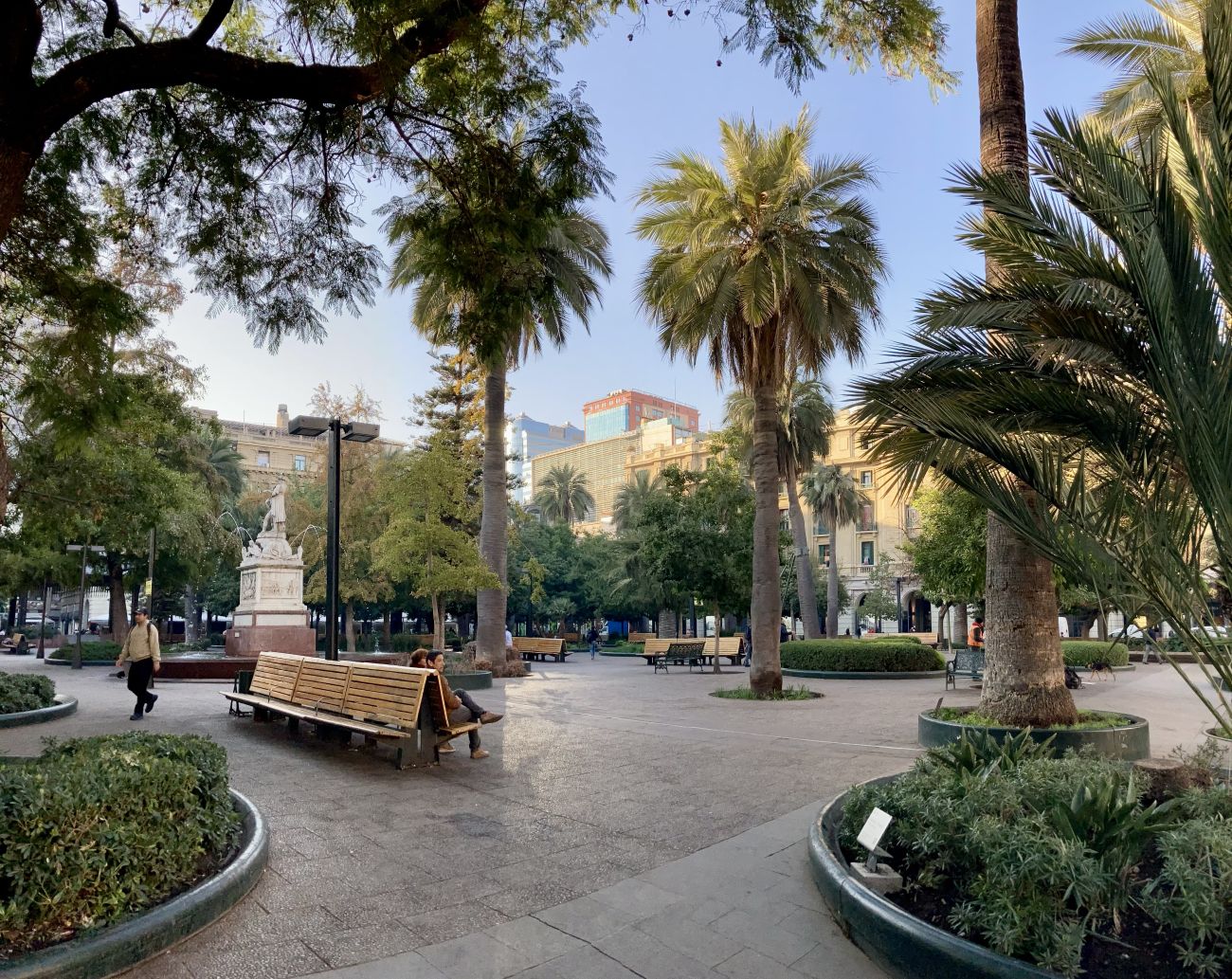
Since 2000, the Plaza de Armas, the founding and main square of central Santiago, has included several old specimens of Jubaea chilensis (pictures 9 and 10). The species is also planted in parks and along avenues, though it’s still much less common than the faster-growing Phoenix canariensis.
Picture 9
Picture 10
The conference
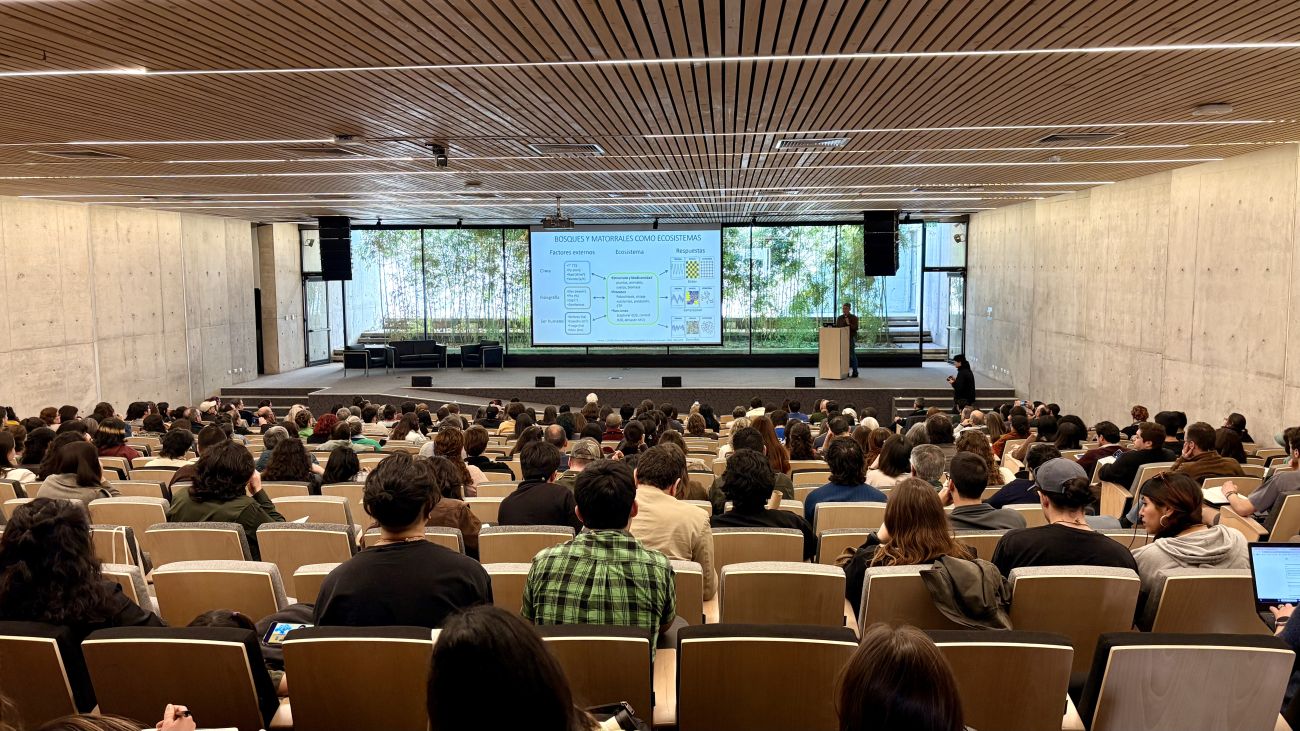
The conference brought together 342 professionals, students, academics, researchers and native-flora enthusiasts over three days. It included seven plenary talks, and from 179 submitted abstracts the programme featured 73 posters and 36 oral presentations, along with 15 exhibition stands. It was organised by PUCC’s Faculty of Agriculture and Natural Systems, the Universidad de Talca, the Fundación Flora Nativa Chilena and Vivero Jardín Pumahuida, and supported by several Chilean universities, the national agricultural research institute (INIA) and the British embassy in Santiago, with Anglo American sponsoring the art exhibition. The theme was ‘Avances en el conocimiento: con-ciencia y experiencia’ (‘Advances in knowledge: science and experience’), a play on words that links knowledge, science and experience (pictures 11 and 12).
Picture 11
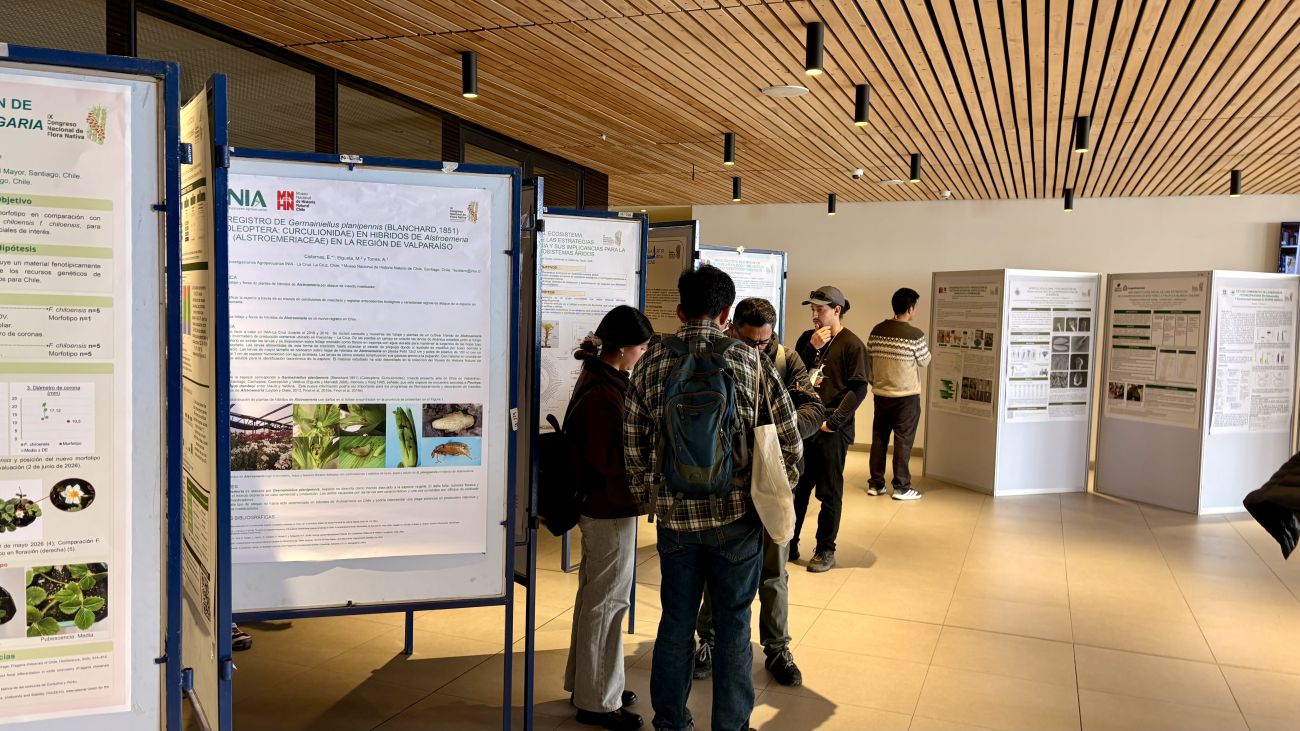
Picture 12
A new feature this year was a morning of scientific updates, designed to connect high-level research being done in Chile with the very mixed audience. On the first day, Dr Luis Felipe Hinojosa spoke on the deep roots of Chile’s native flora, looking at palaeoclimate and niche through the Cenozoic; Dr Mauricio Lima on energy, time and human population dynamics in a biosphere at its limits; and Professor Gloria Montenegro on the value of native flora and its ecosystem services for beekeeping, from basic research to innovation. On the second day, Dr Oscar Toro took us on a journey to the origin of Alstroemeria in Chile (picture 13); Dr Rosa Scherson presented climate-based proposals for conserving the evolutionary diversity of the native flora (picture 14); and Dr Ariel Orellana explained how Cistanthe longiscapa, a purple flower perennial, thrives in the Atacama Desert, here shown alongside Encelia canescens during a previous trip in 2008 picture 15).
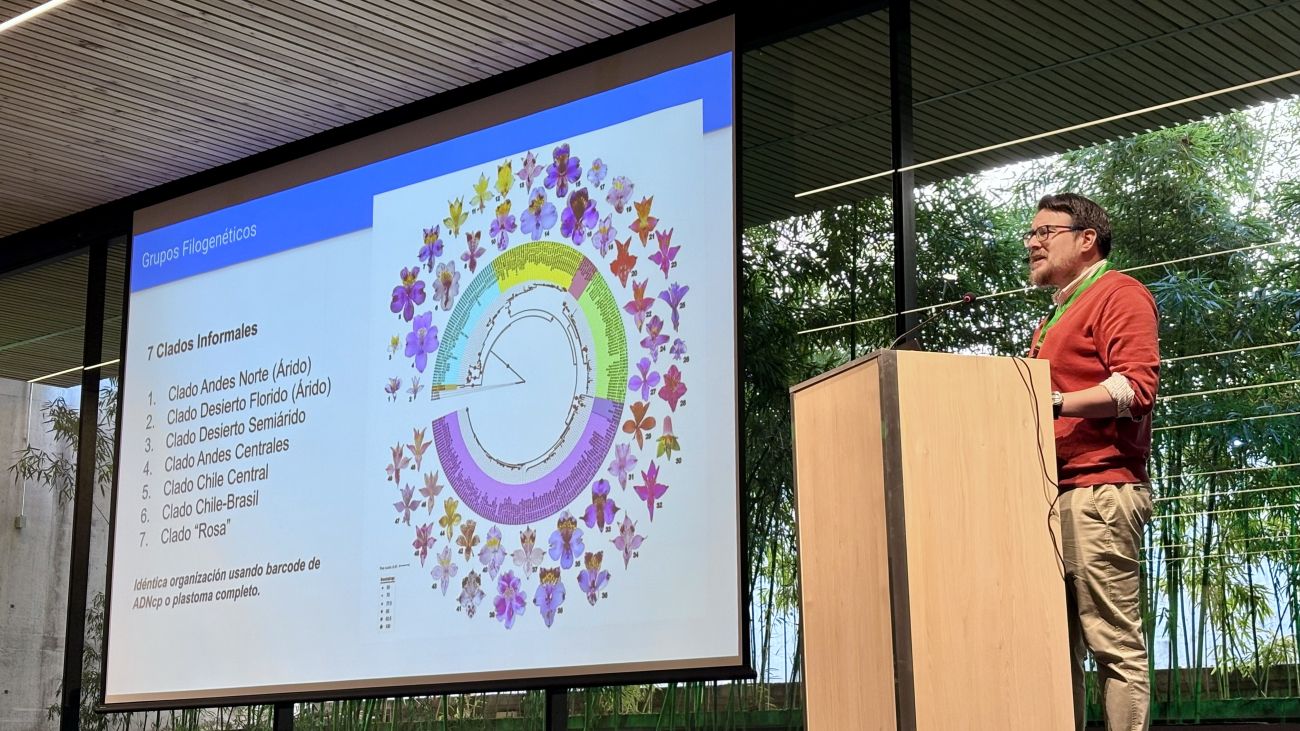
Picture 13
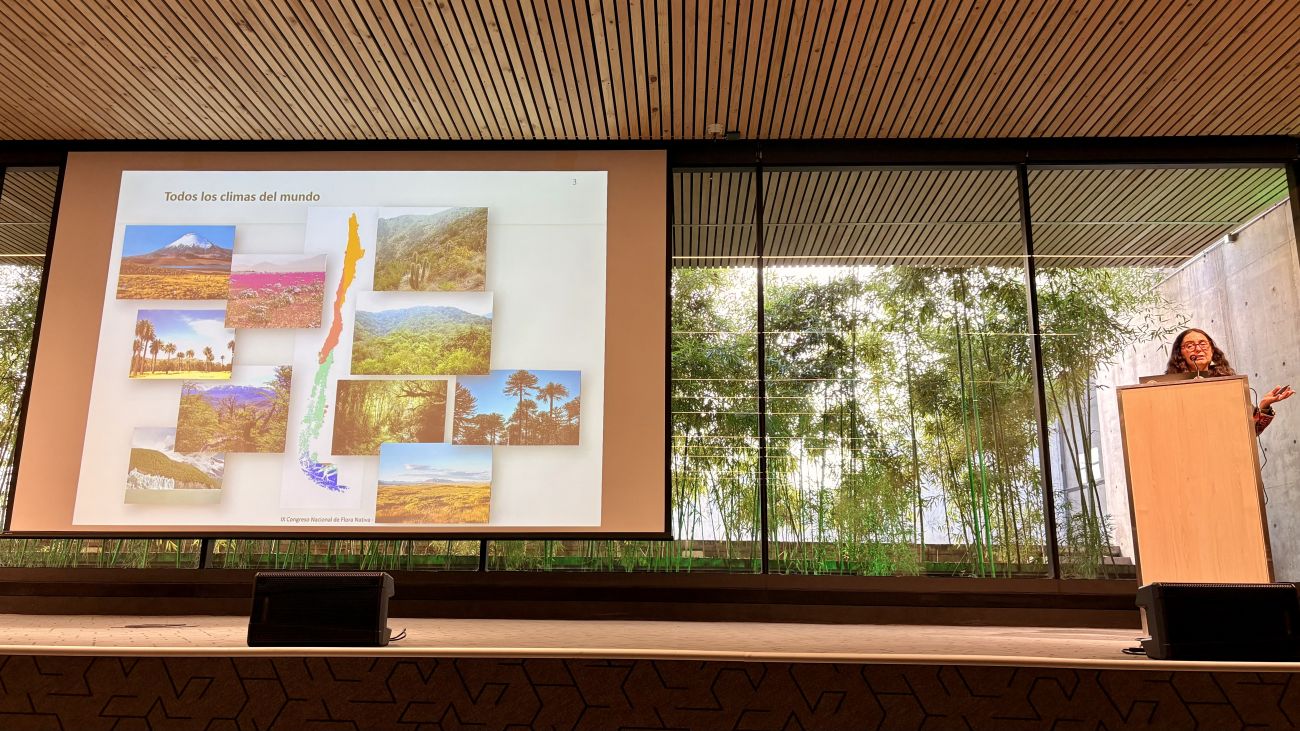
Picture 14
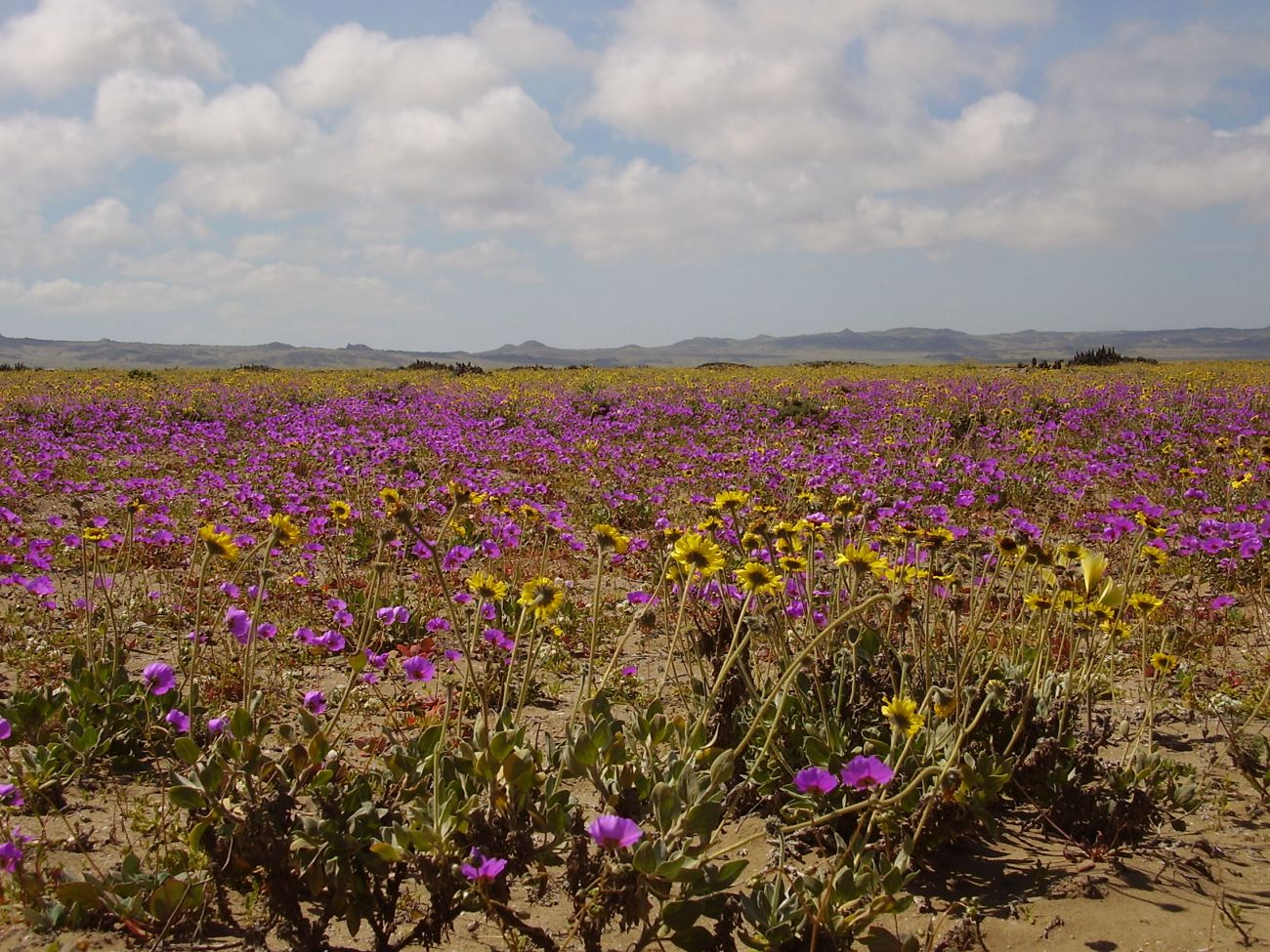
Picture 15
Each day also had parallel oral sessions in three auditoriums, poster sessions and a round table. The first afternoon included discussion workshops on the environmental footprint of restoration, native vegetation for resilient cities, and the ethical and value dimensions of our native flora, whose conclusions were presented on Friday evening as part of the final and closing session.
These were the thematic areas of the conference:
- Architecture and landscape design
- Environmental education and culture
- Conservation, biodiversity and ecosystem services
- Mitigation, environmental restoration and establishment techniques
- Propagation and domestication
- Genetic improvement and biotechnology
- Phytochemistry and bioprospecting
- Traditional uses of native flora
The conference also included three art exhibitions:
- ‘Chile’s native flora, a journey through its landscapes’, botanical illustrations of Chilean native species (picture 16).
- ‘Landscape Capsules’, artistic interpretations of Chilean native species, their interaction with their natural habitats and their importance for local culture (picture 17).
- ‘Entangled with Magic Plants’, an interactive installation where visitors could assemble flower models and make mobiles based on native species (picture 18).
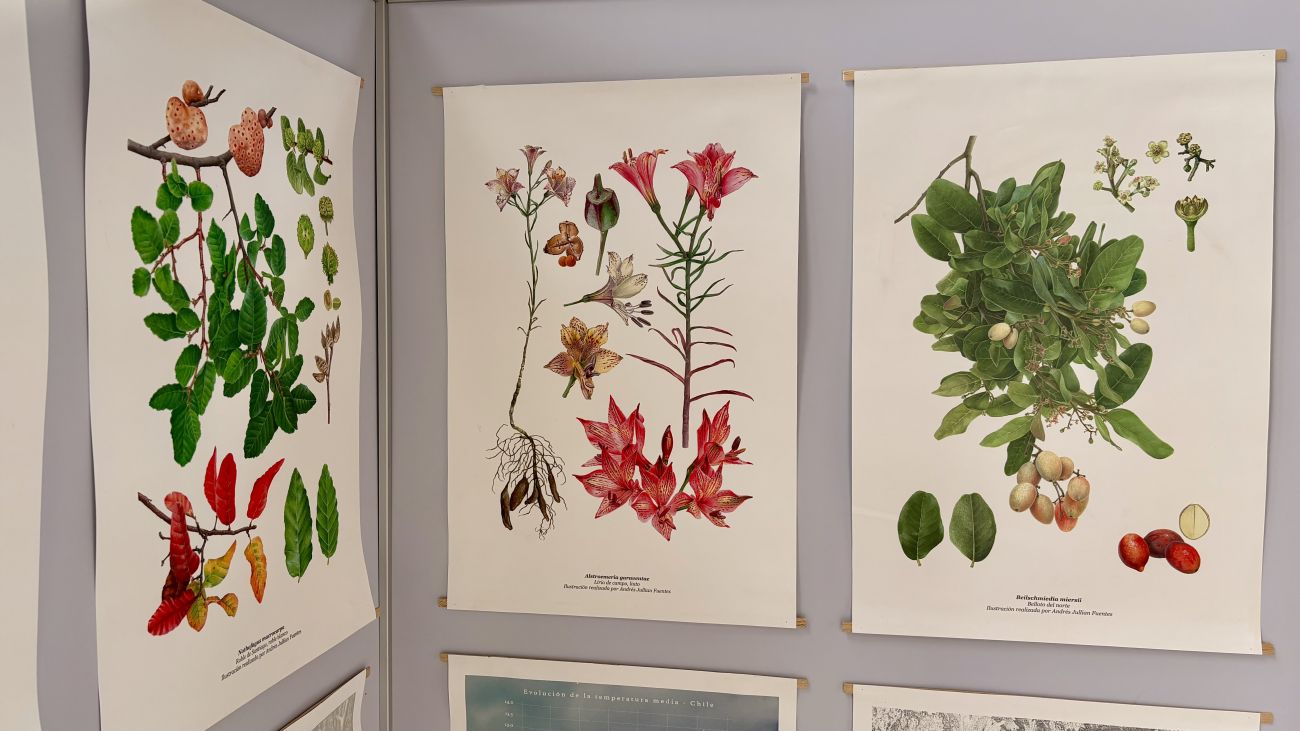
Picture 16
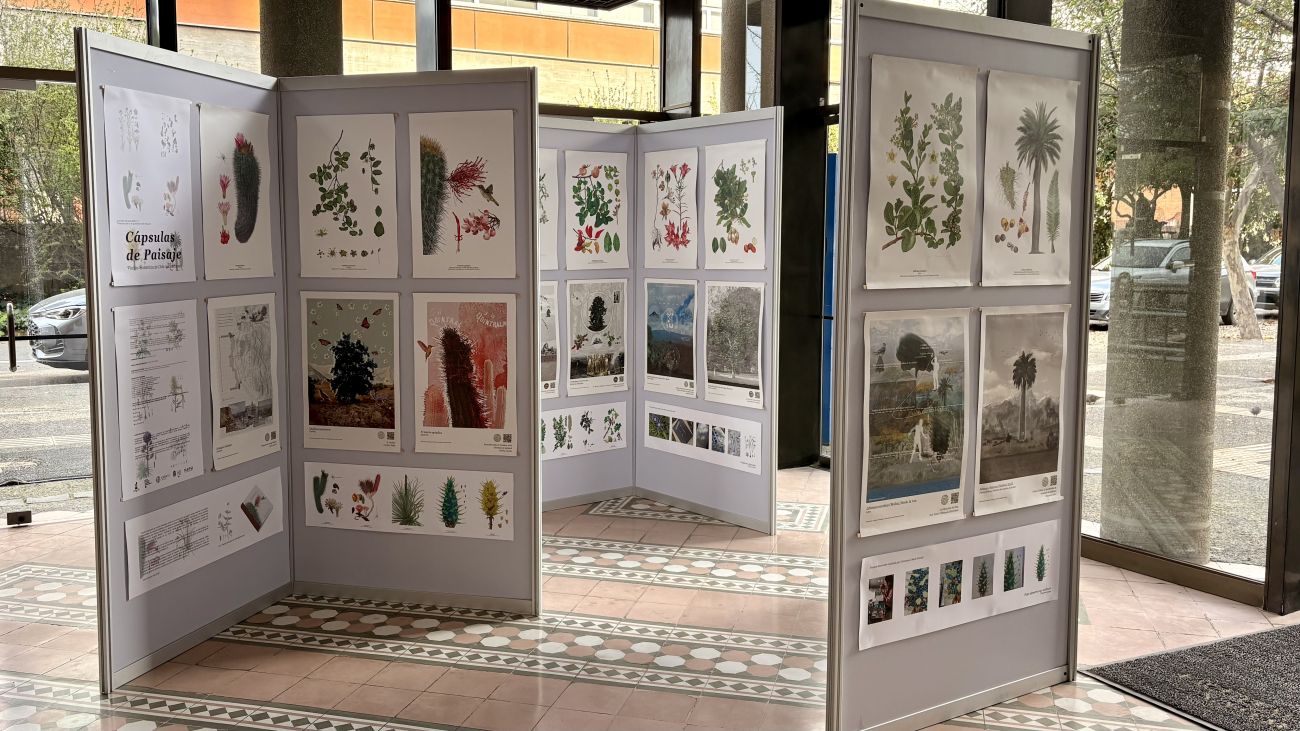
Picture 17
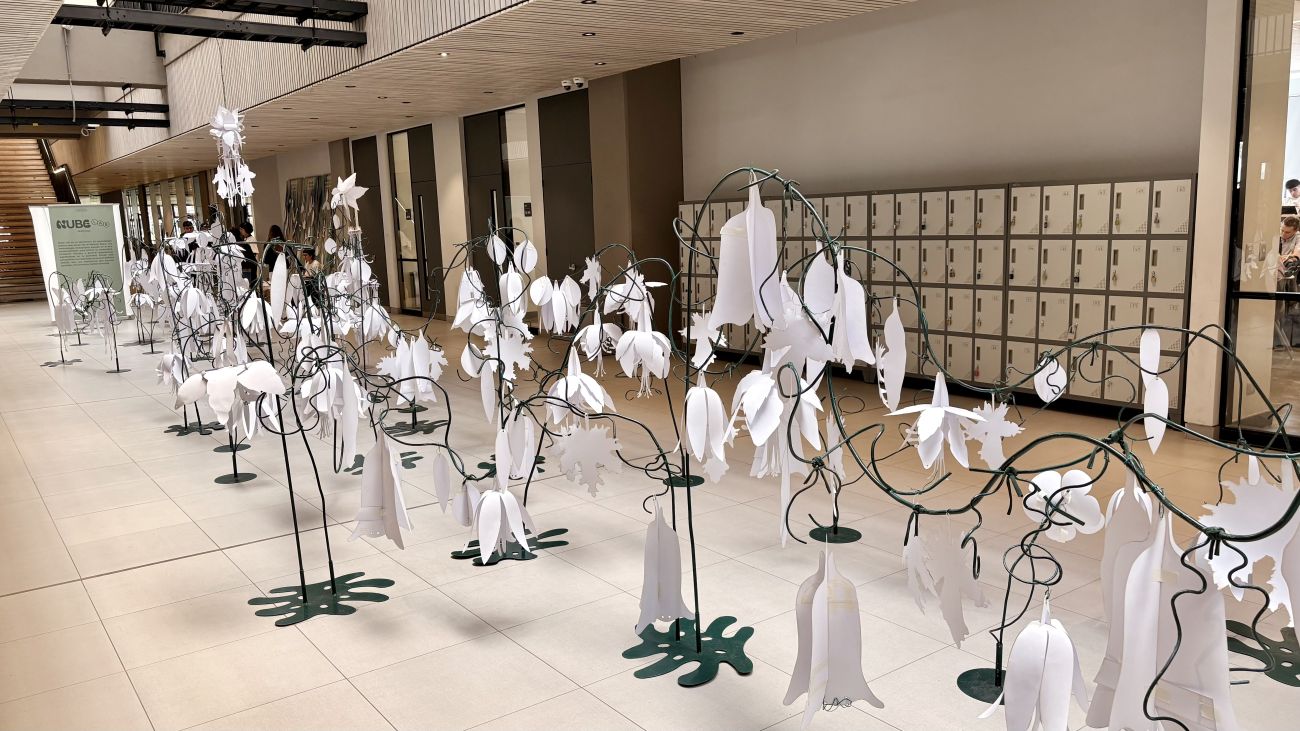
Picture 18
Alongside these there was a small trade fair offering books, artwork, crafts, conservation services and specialist native-plant nurseries (picture 19). Everything was specially curated around the use and knowledge of Chilean native flora.
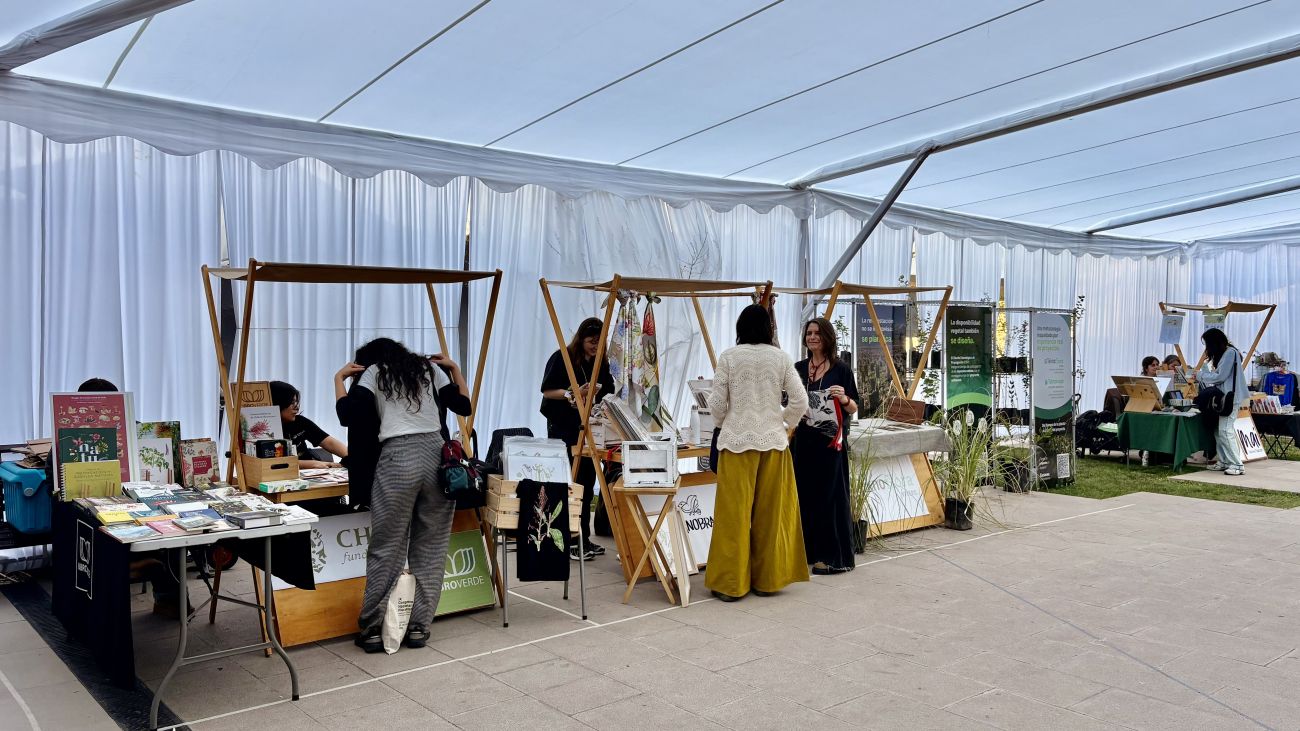
Picture 19
Field trip to El Ajial national reserve
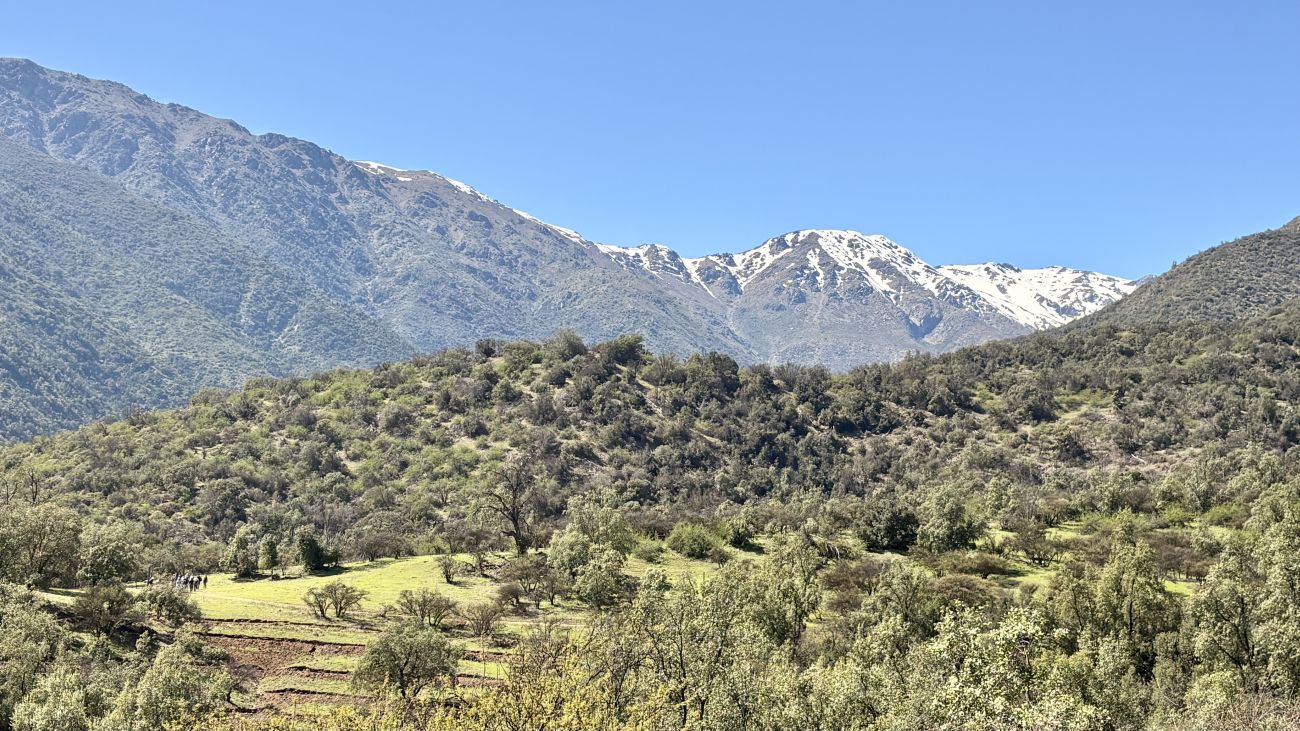
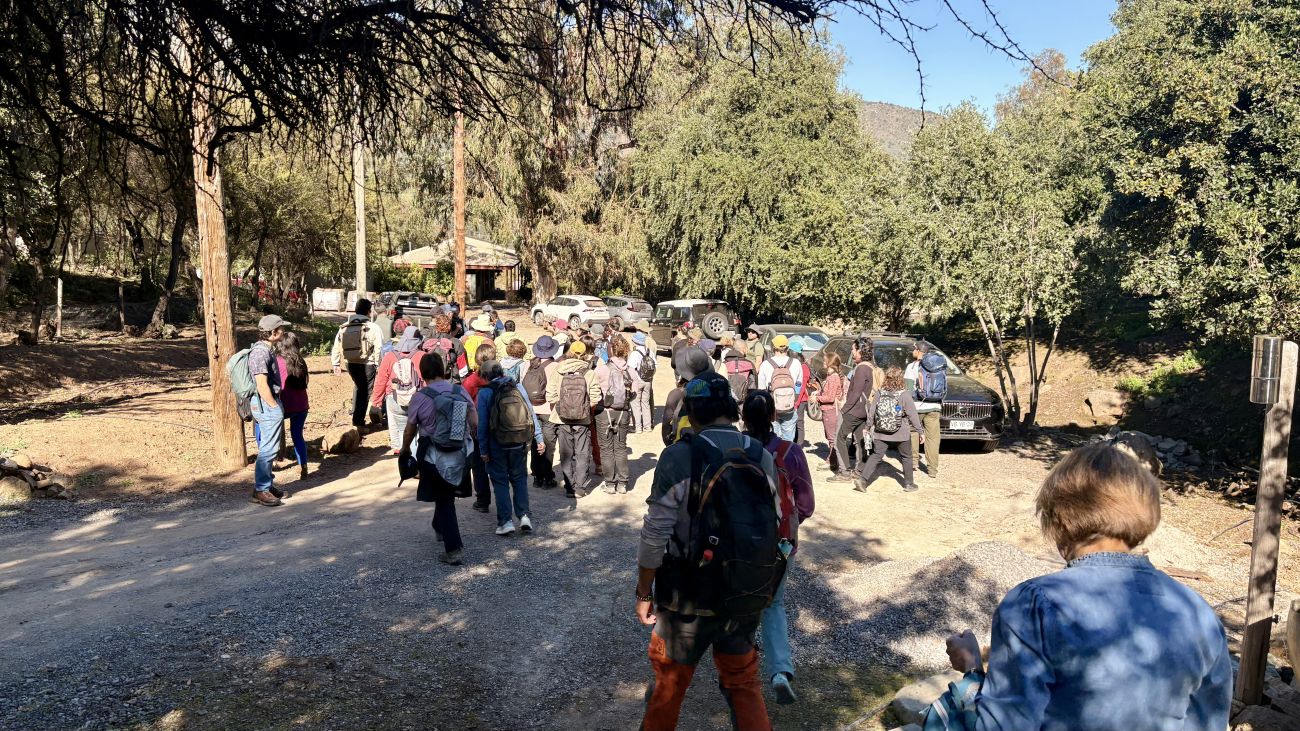
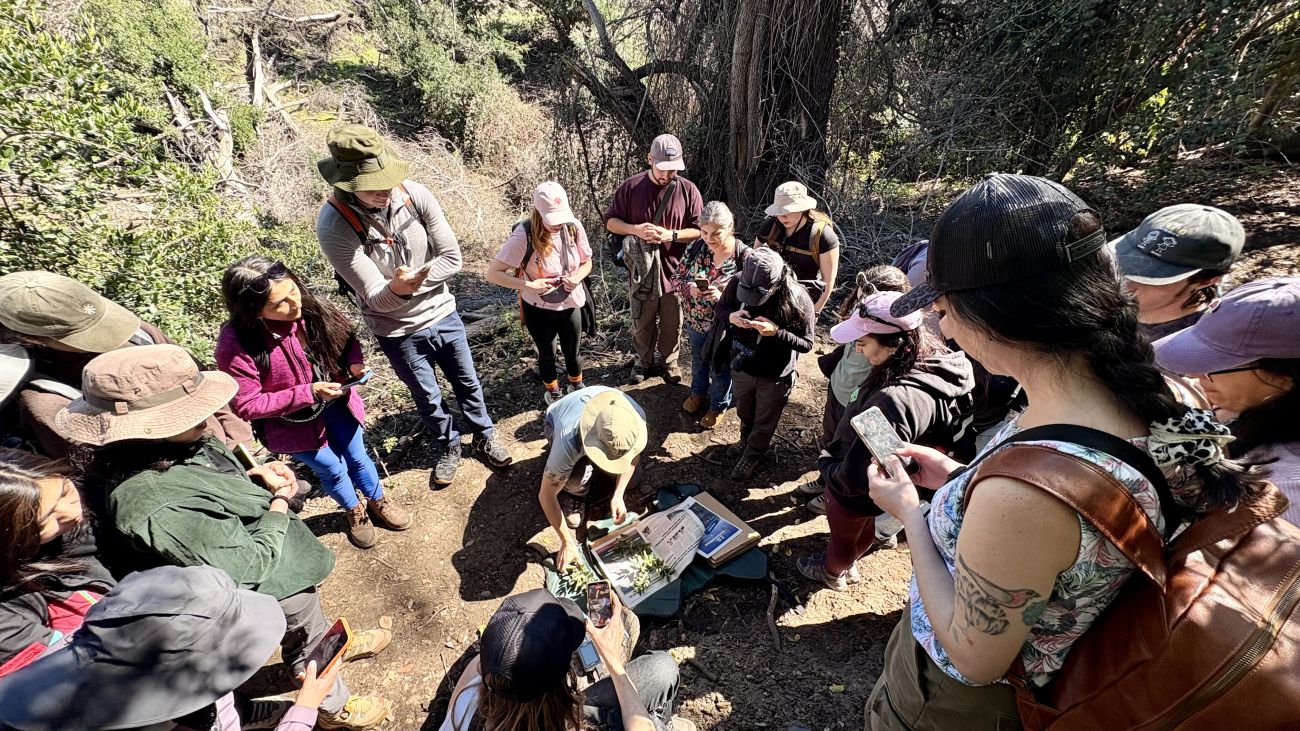
The third day was given over entirely to field trips. Because of the large number of registered participants, two destinations near Santiago were offered: Playa Chica in Quintay, on the coast, and El Ajial National Reserve, in the Andean foothills (picture 20). I chose El Ajial to see a private conservation example of matorral.
Picture 20
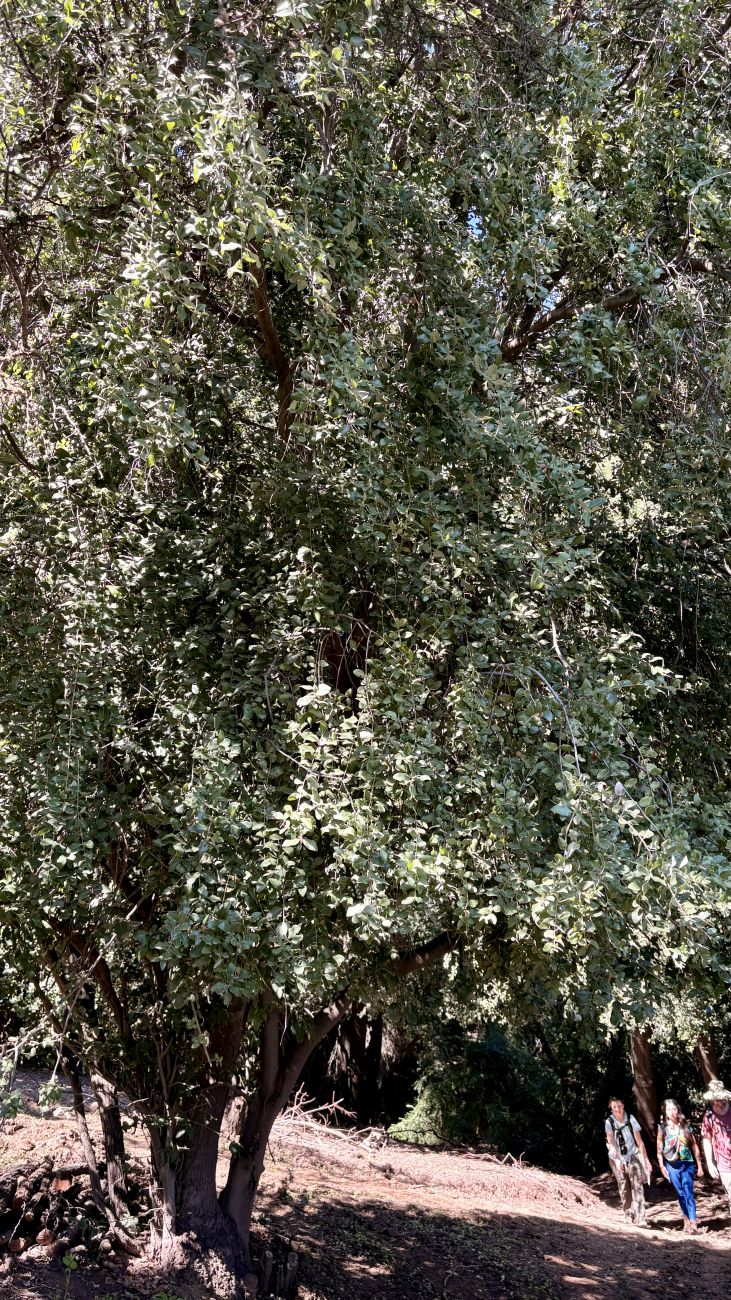
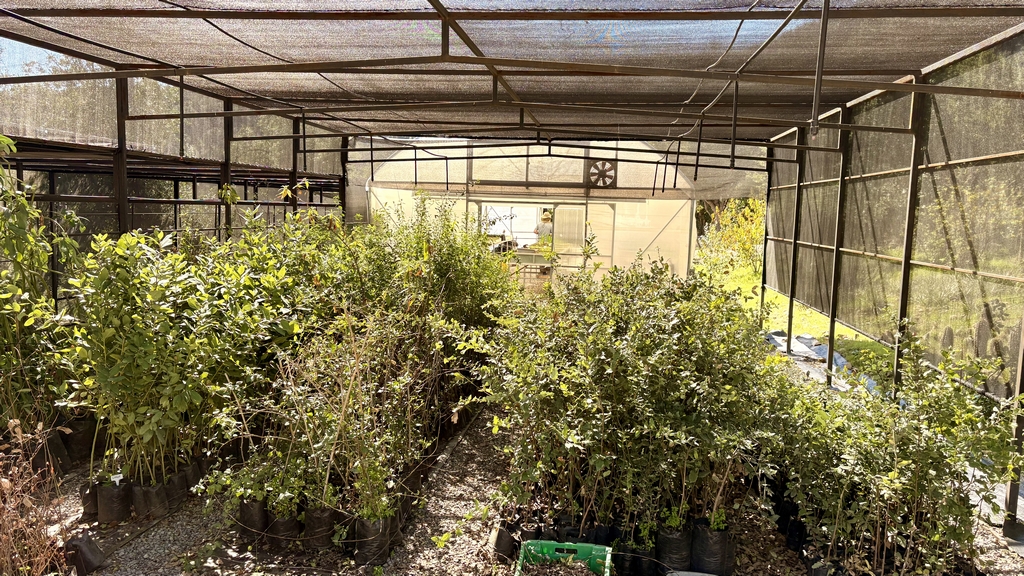
El Ajial covers 2,130 ha of the Andean foothills in the commune of Paine, south of Santiago, ranging from about 700 to 2,500 m above sea level. It’s privately owned and managed by a non-profit foundation, the Fundación Santuario de la Naturaleza El Ajial. After ten years as a nature sanctuary, in March 2026 it was recognised as a national reserve under Chile’s new biodiversity and protected areas law. The reserve protects sclerophyllous forest and relict hygrophilous forest across four ecosystems, from thorny valley woodland to low Andean scrub above 2,000 m, and acts as a biological corridor between different valleys of the area. Its 2026 inventory recorded 462 species, 125 of them endemic to Chile and 37 classified as threatened, and its stands of Cryptocarya alba (picture 21) are thought to be among the oldest in the world. The foundation runs restoration, research and environmental education programmes, including a nursery that produces around 5,000 trees a year of 27 species from local seed (picture 22).
Picture 21
Picture 22
Alongside these there was a small trade fair offering books, artwork, crafts, conservation services and specialist native-plant nurseries (picture 19). Everything was specially curated around the use and knowledge of Chilean native flora.
Picture 23
Picture 24
Picture 25
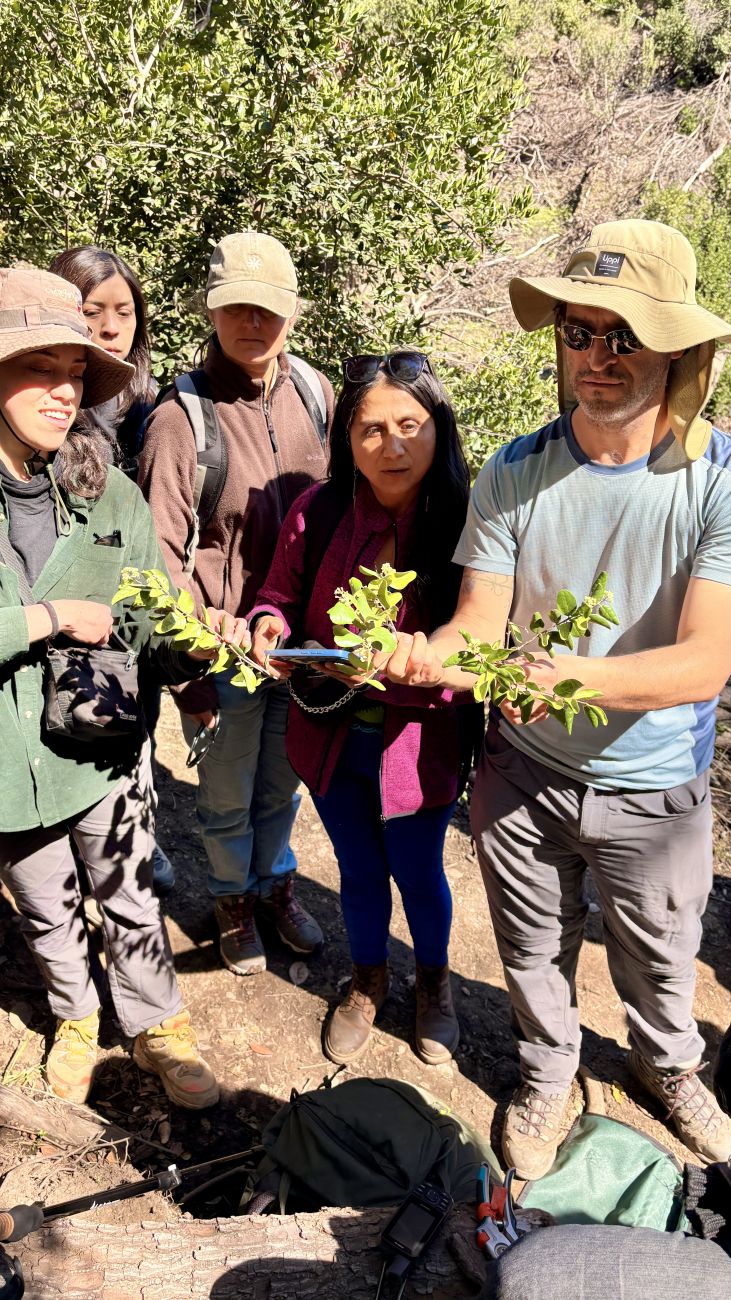
During a walk of about three hours, we saw the following species:
- Peumus boldus (picture 26)
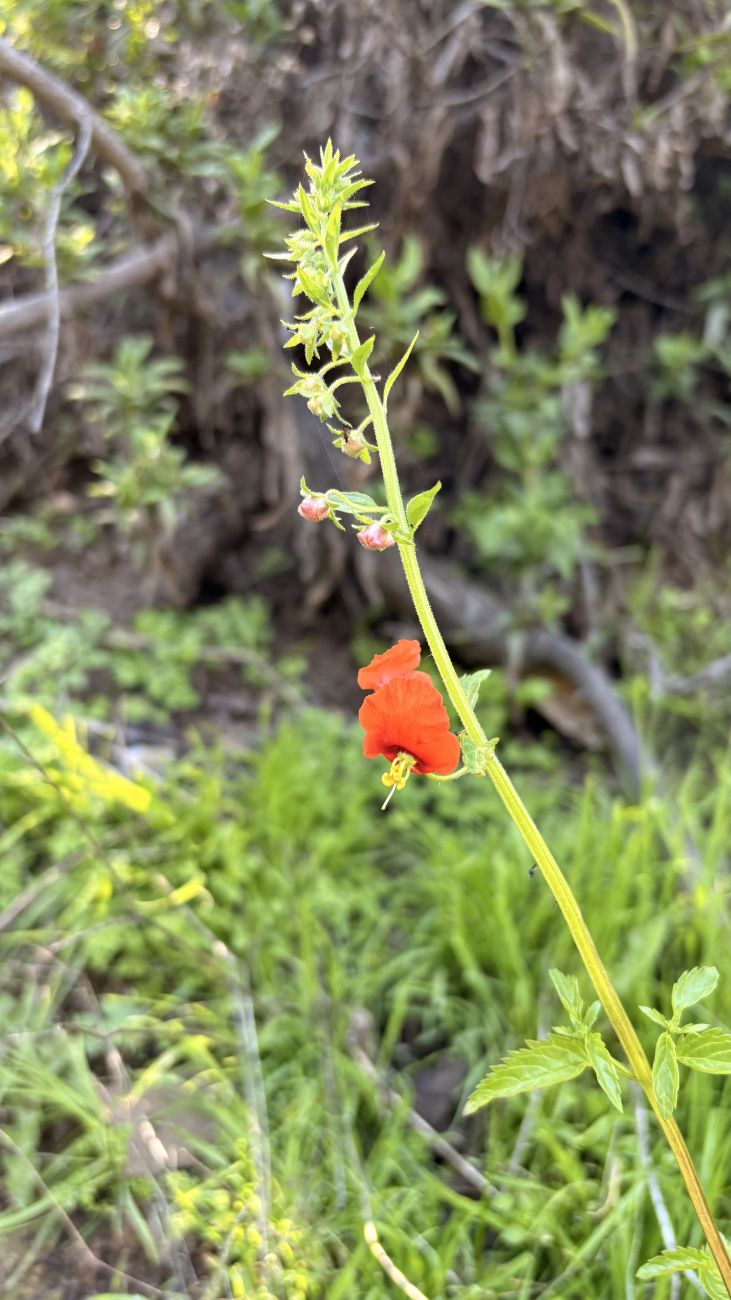
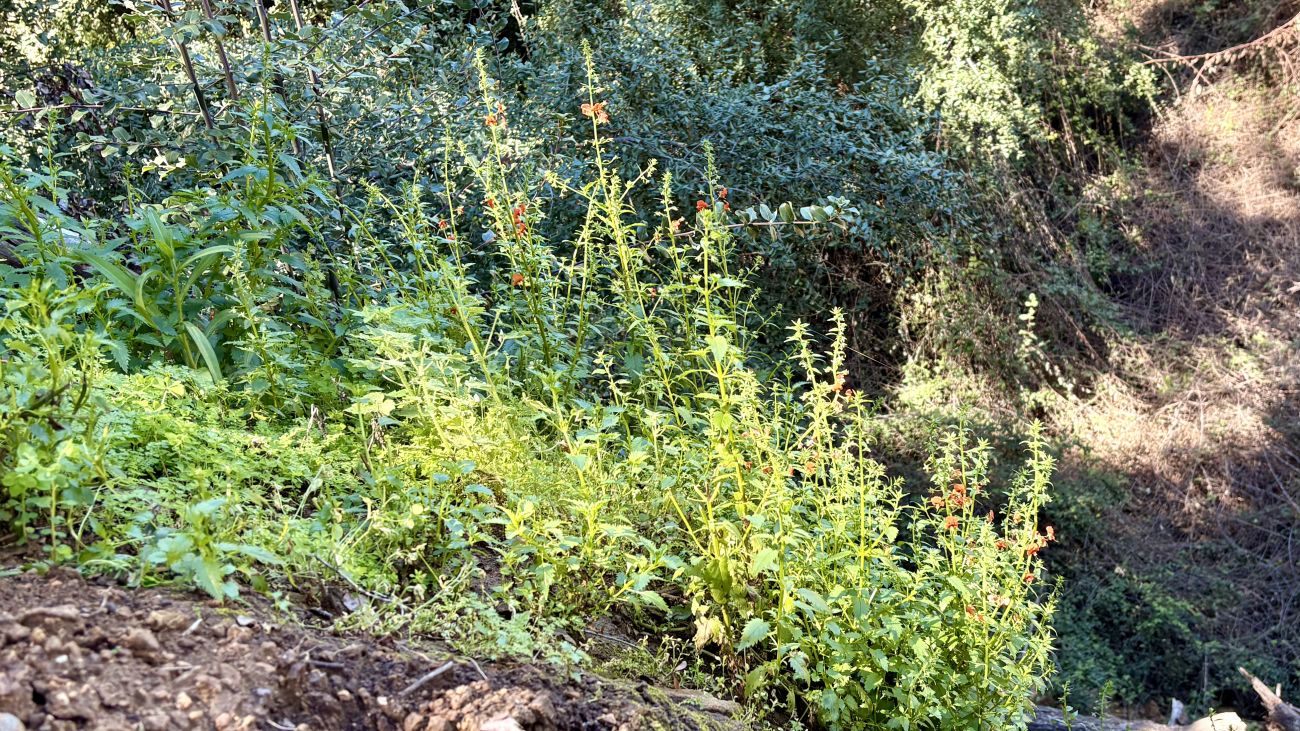
- Alonsoa meridionalis (pictures 27 and 28)
- Retanilla trinervia (picture 29)
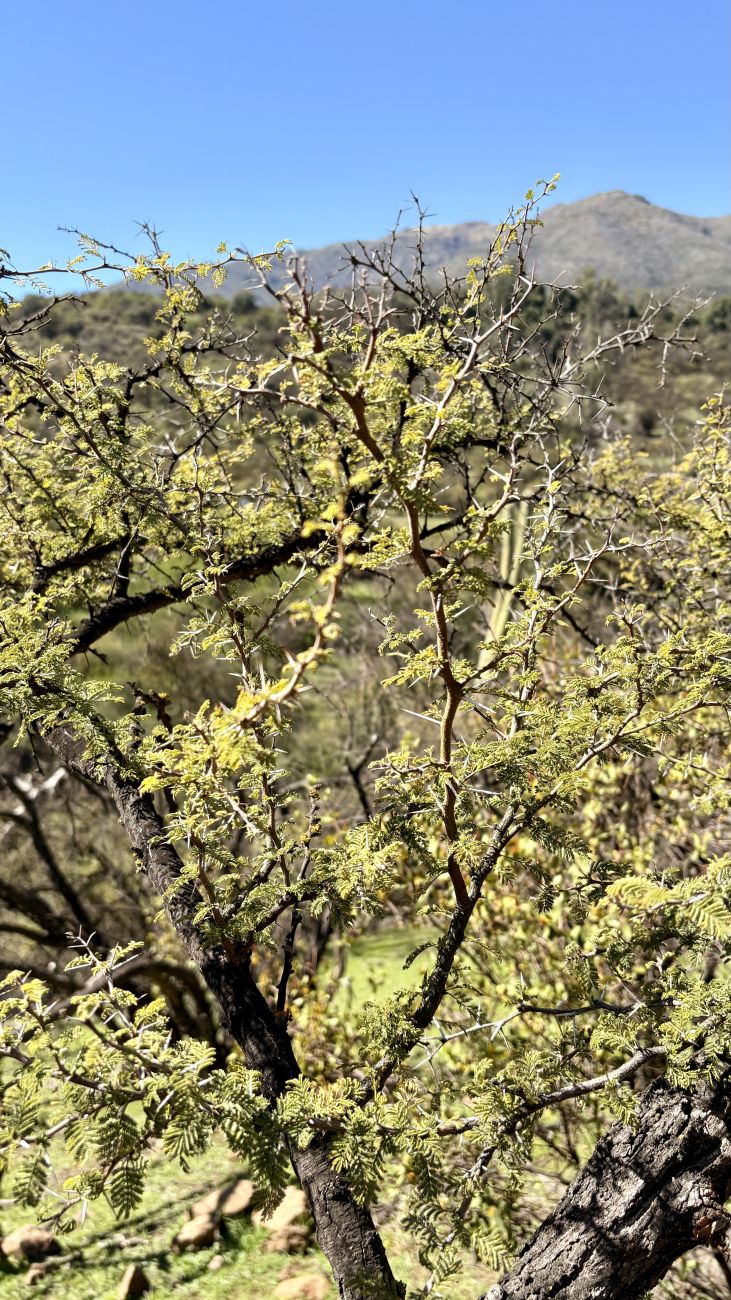
- Vachellia caven (picture 30)
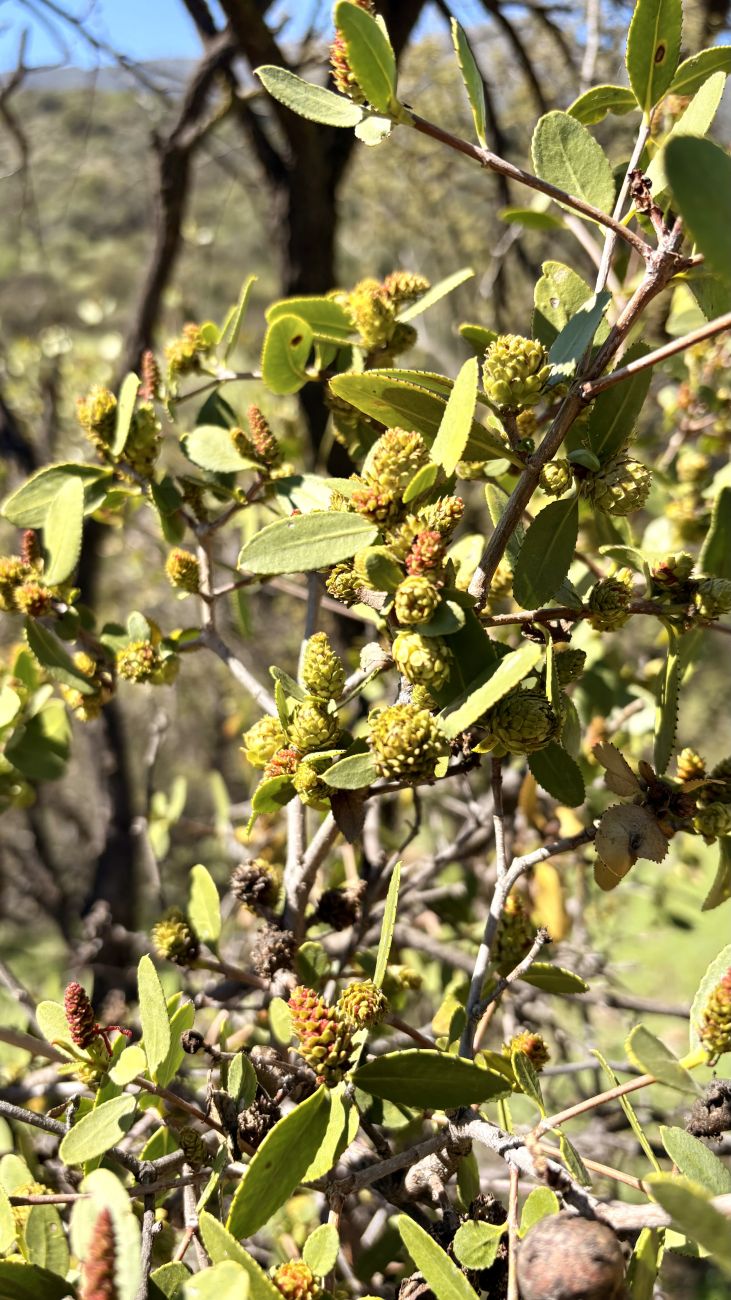
- Colliguaja odorífera (picture 31)
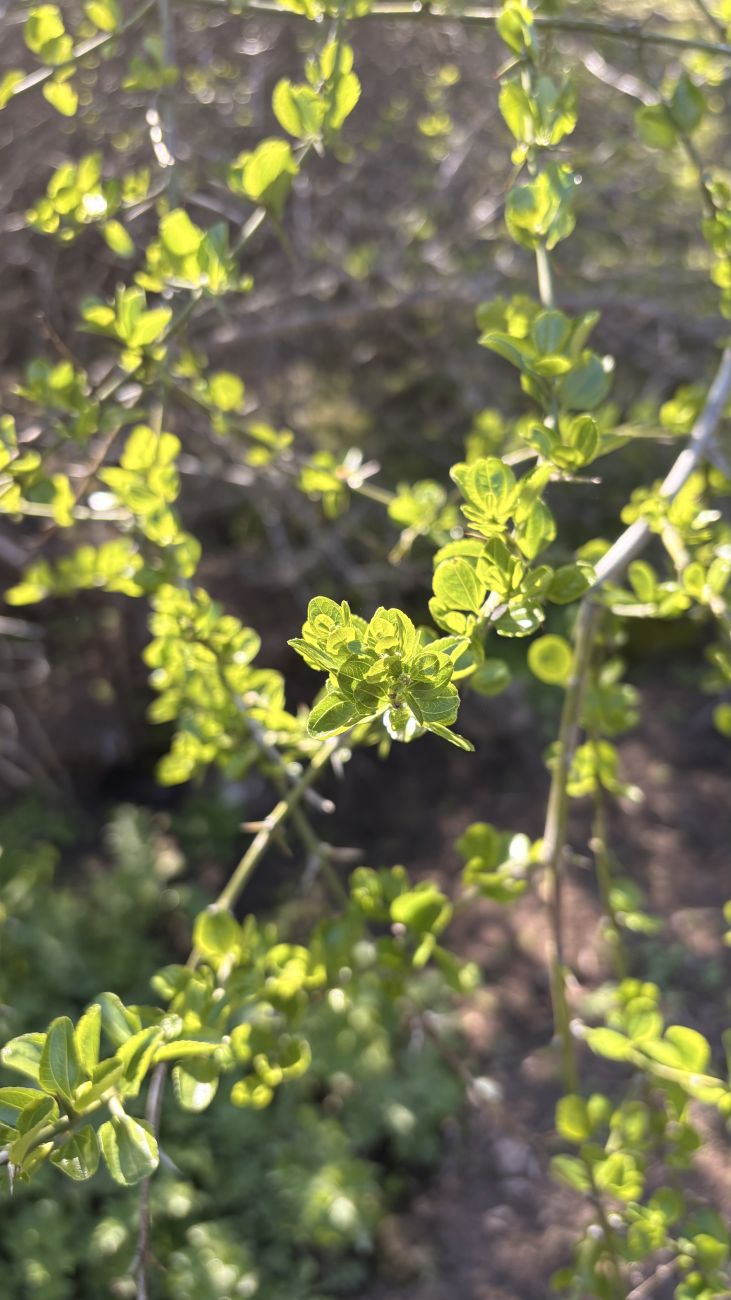
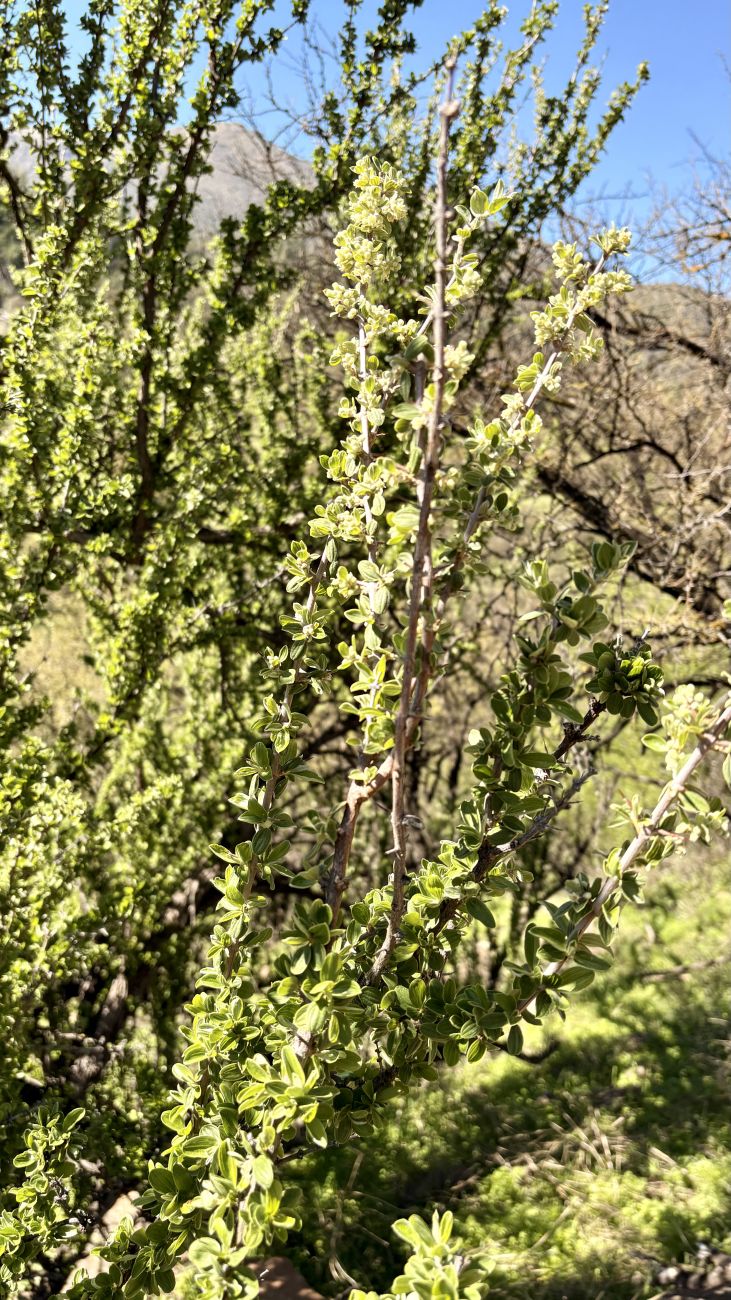
- Trevoa quinquenervia (syn. Talguenea quinquenervia, picture 32)
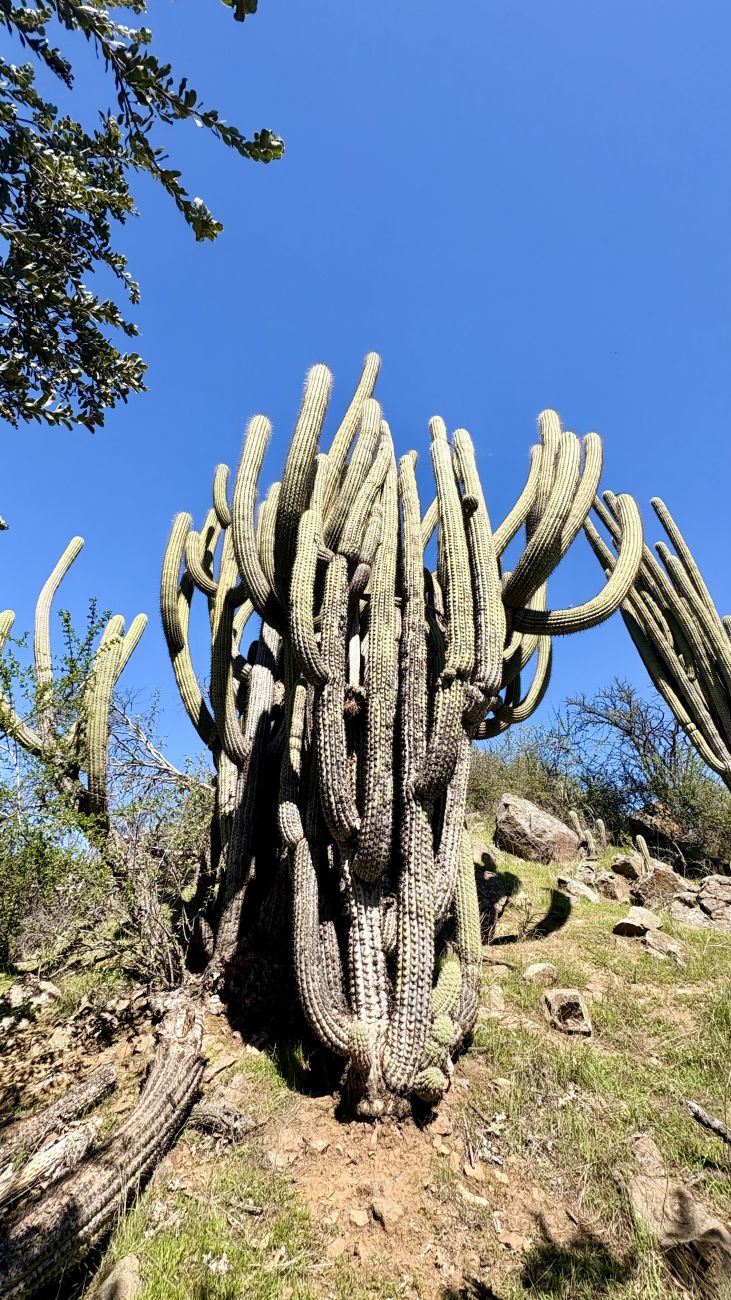
- Leucostele chiloensis (picture 33 and 34)
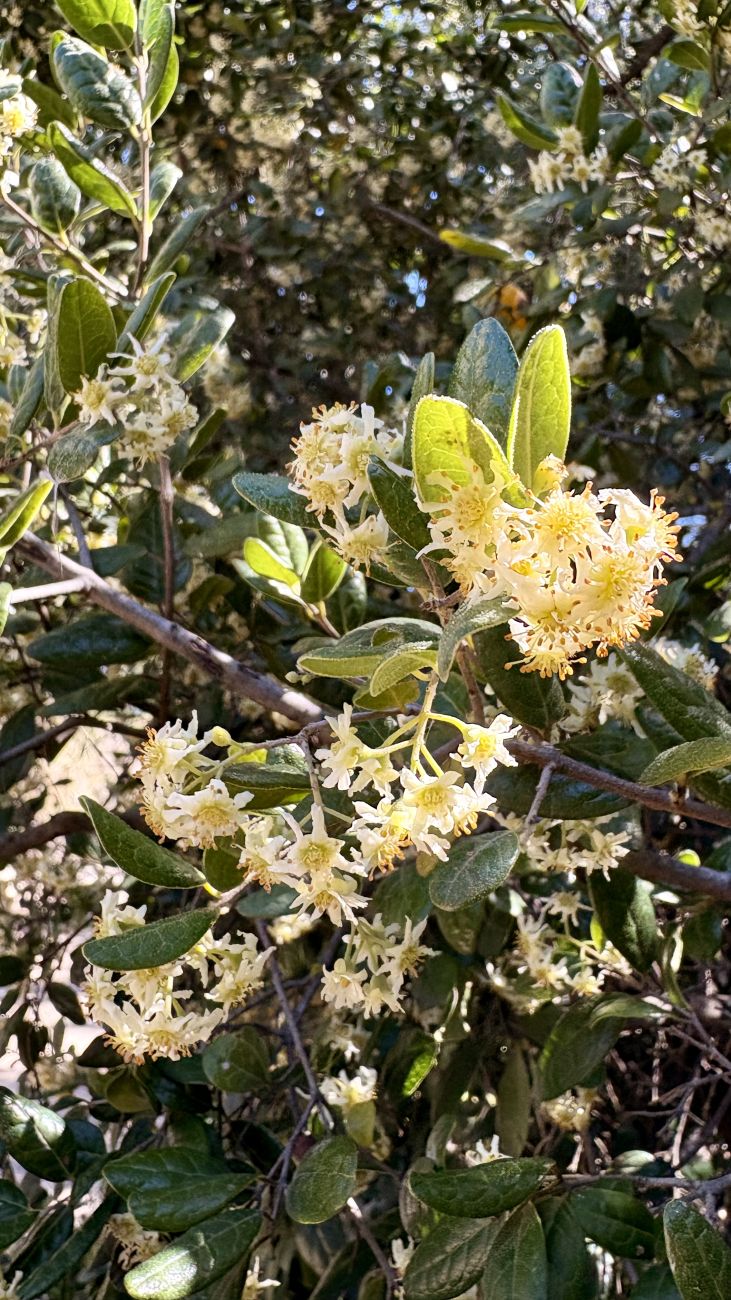
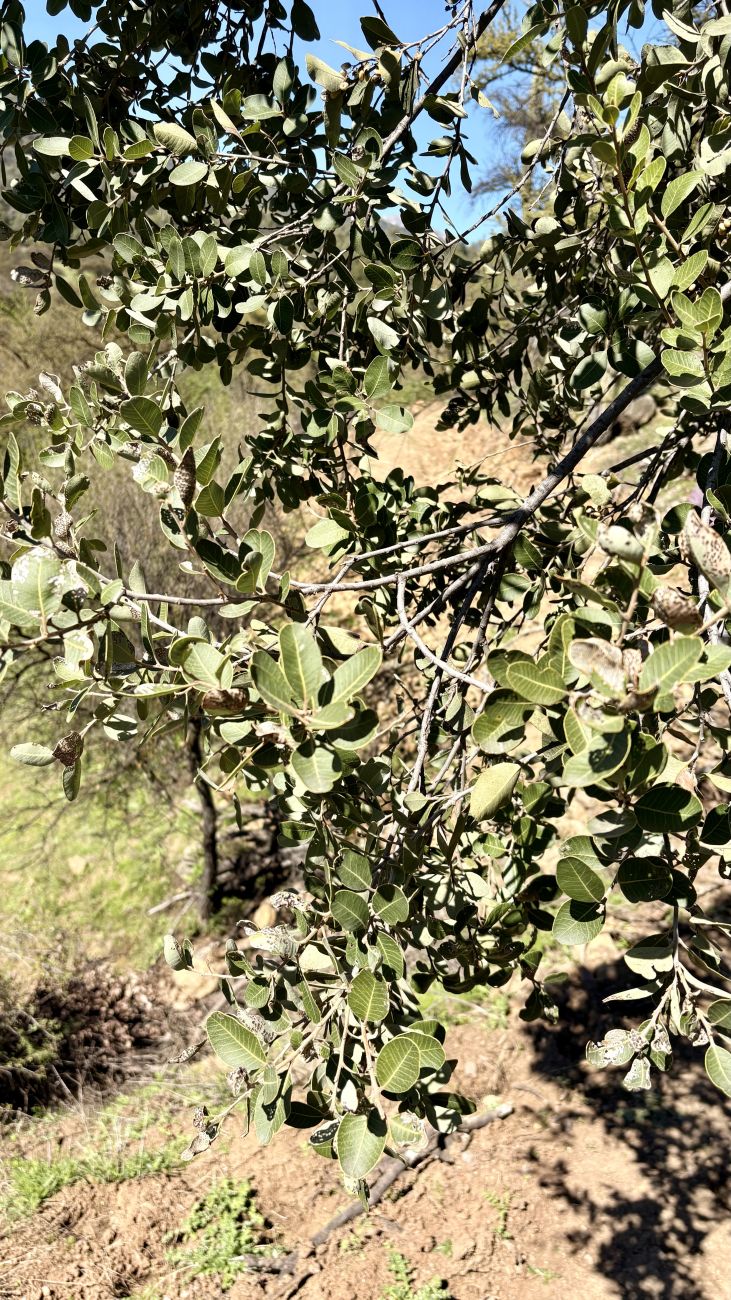
- Lithraea caustica (picture 35)
Picture 26
Picture 27
Picture 28
Picture 29
Picture 30
Picture 31
Picture 32
Picture 33
Picture 34
Picture 35
The damage caused by the megadrought of 2010-2024 was still easy to see along the way (pictures 36 and 37). From the higher ground of the foothills there were also spectacular views over the Central Valley (pictures 38 and 39).
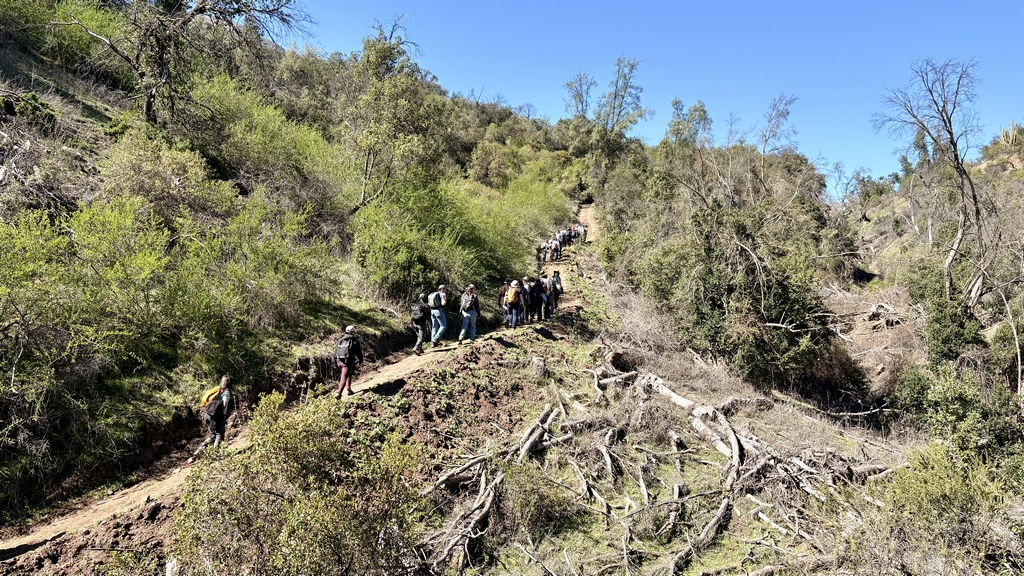
Picture 36
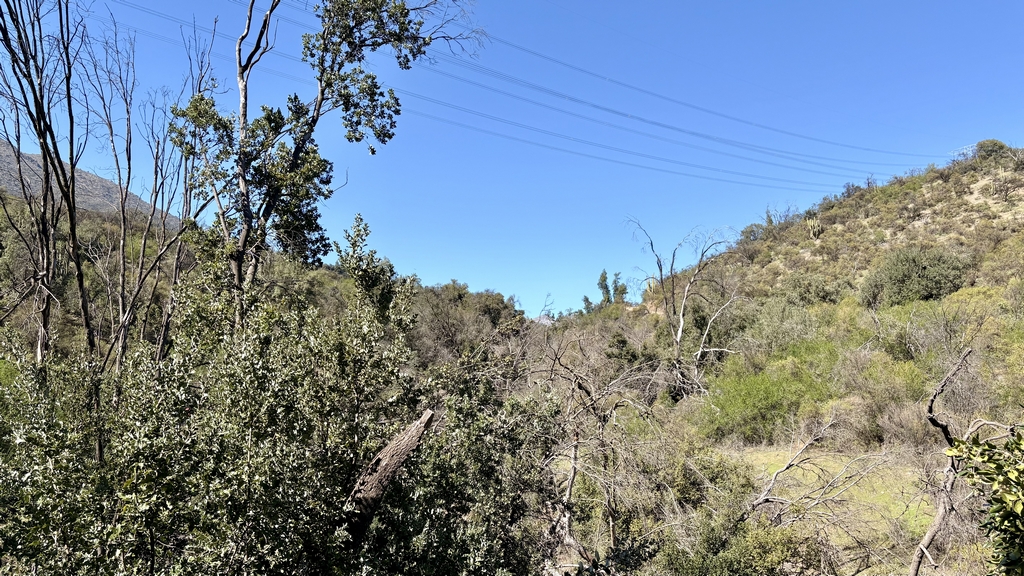
Picture 37
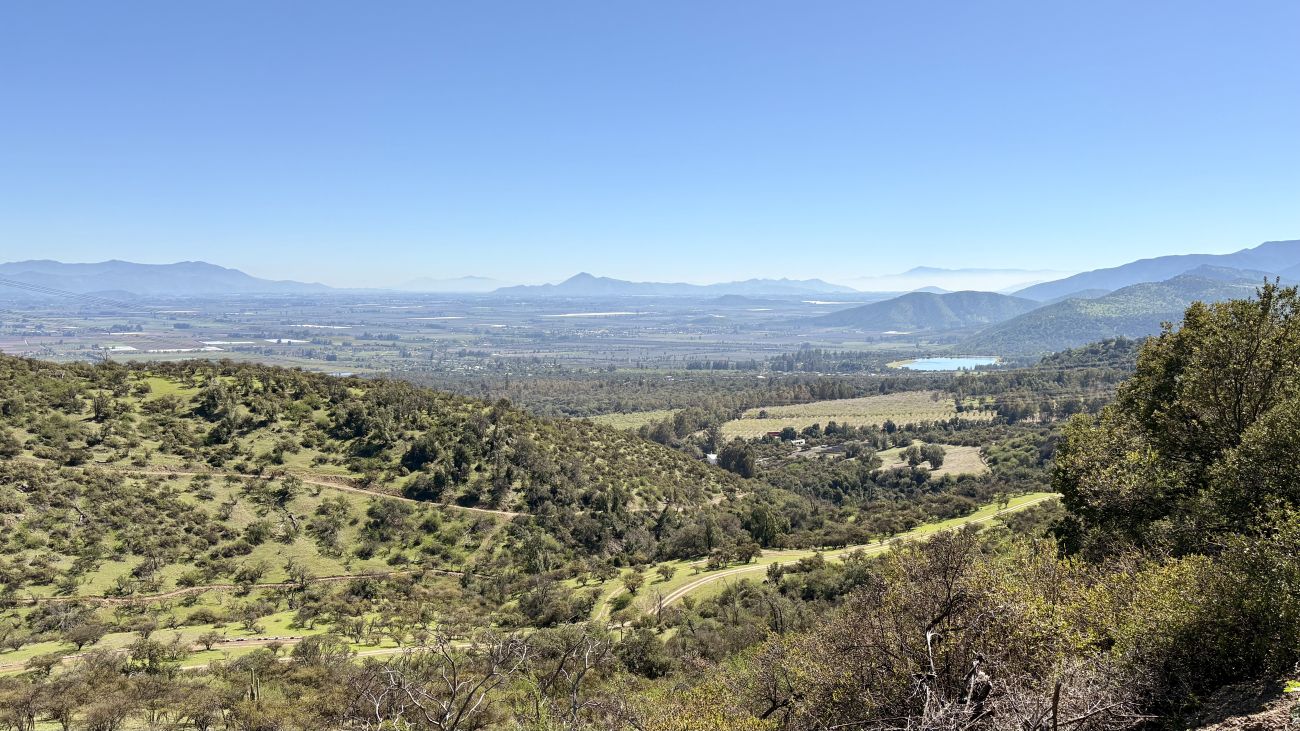
Picture 38
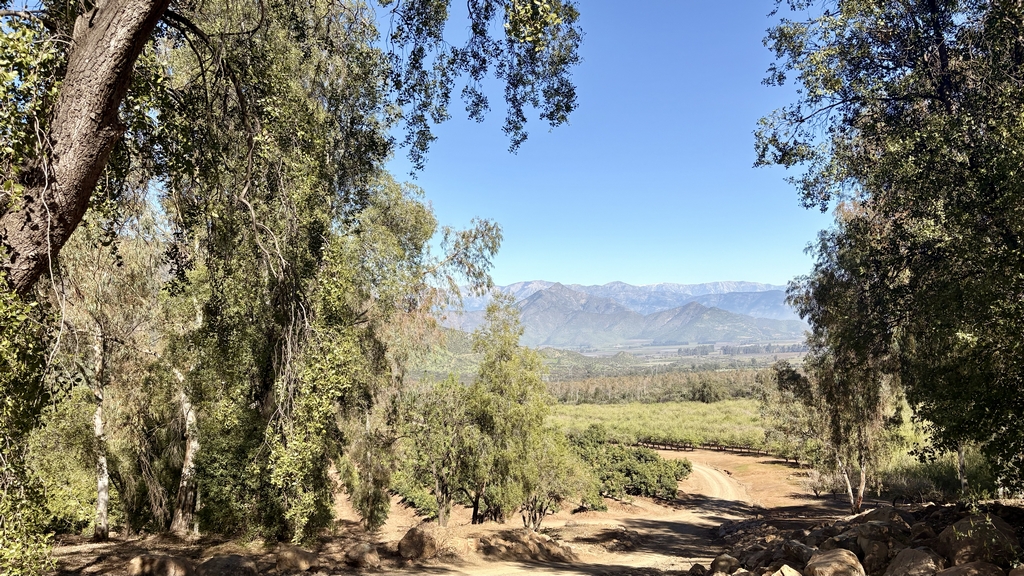
Picture 39
Quilapilún Botanic Garden
Parque Explorador Quilapilún is in the commune of Colina, about 40 minutes north of Santiago. It was created in 2012 at the initiative of the mining company Anglo American. It covers 4.5 ha, about three of them planted with native and endemic vegetation along paved, fully accessible paths, and holds about 150 native species representing three plant ecosystems of central Chile: matorral, thorny woodland (bosque espinoso) and sclerophyllous forest. There are also themed areas for cacti, geophytes and ethnobotany. Its aim is to promote the care, learning and appreciation of central Chile’s native flora, with a strong focus on education (picture 40).
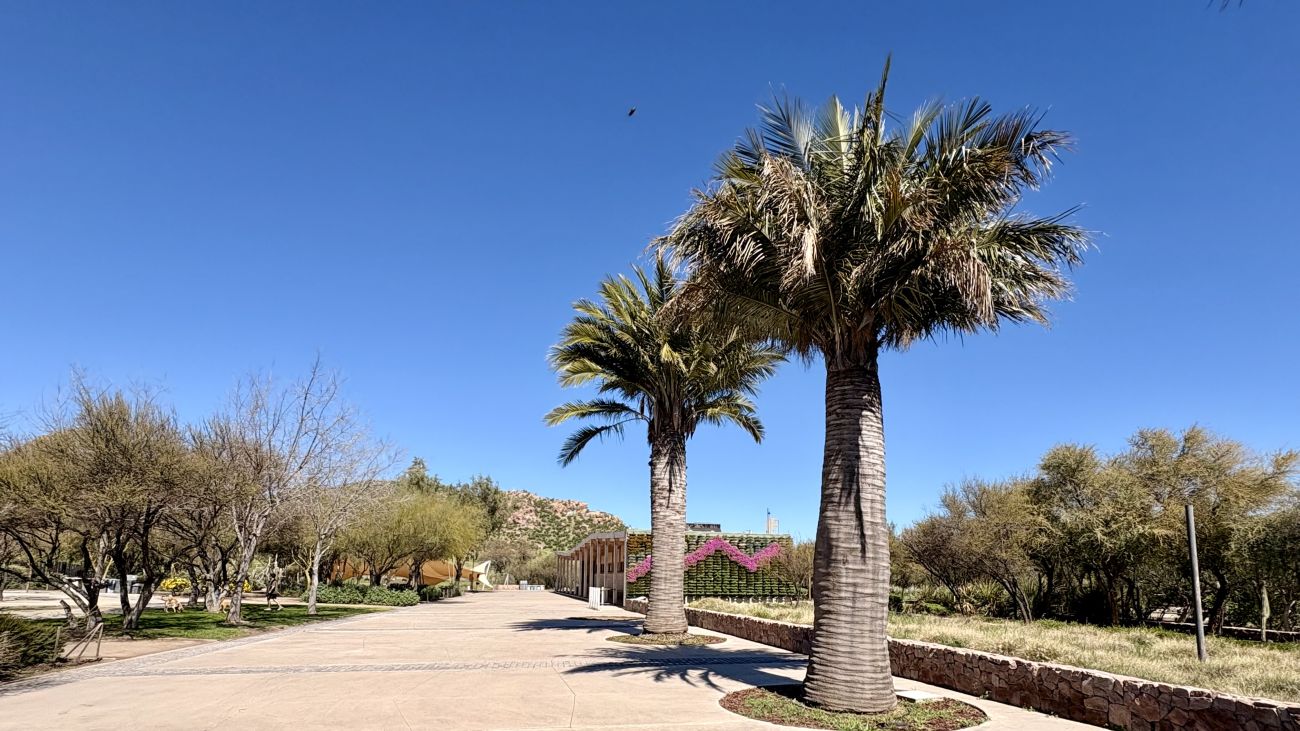
Picture 40
The park has recently been recognised as a botanic garden. It’s divided by the main pavilion into two sectors: one of exotic Mediterranean-climate flora, and a much larger one representing the different zones of the Chilean sclerophyllous matorral.
The exotic sector is more of a public, open space for the local community. Its plants come mainly from Mexico, California and Australia, and highlights include a small collection of North American cacti, Agave and Parkinsonia aculeata, among others (pictures 41 and 42).
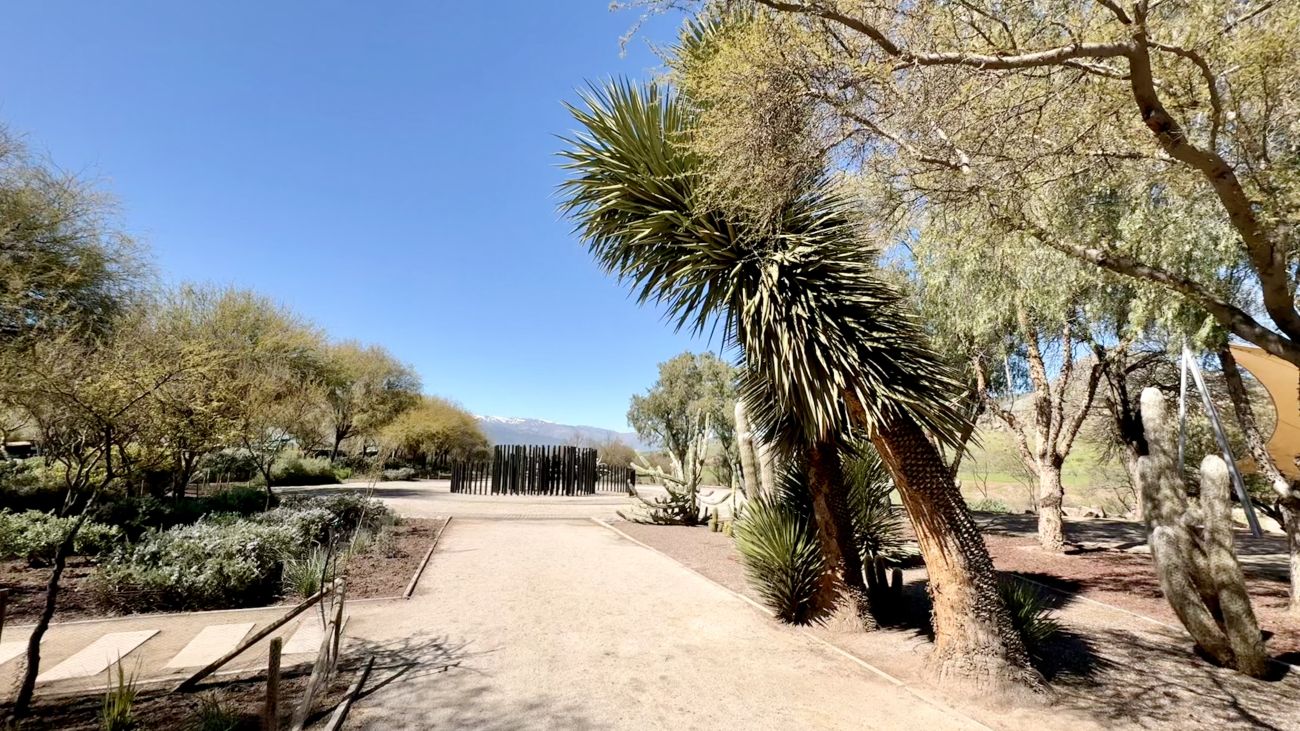
Picture 41
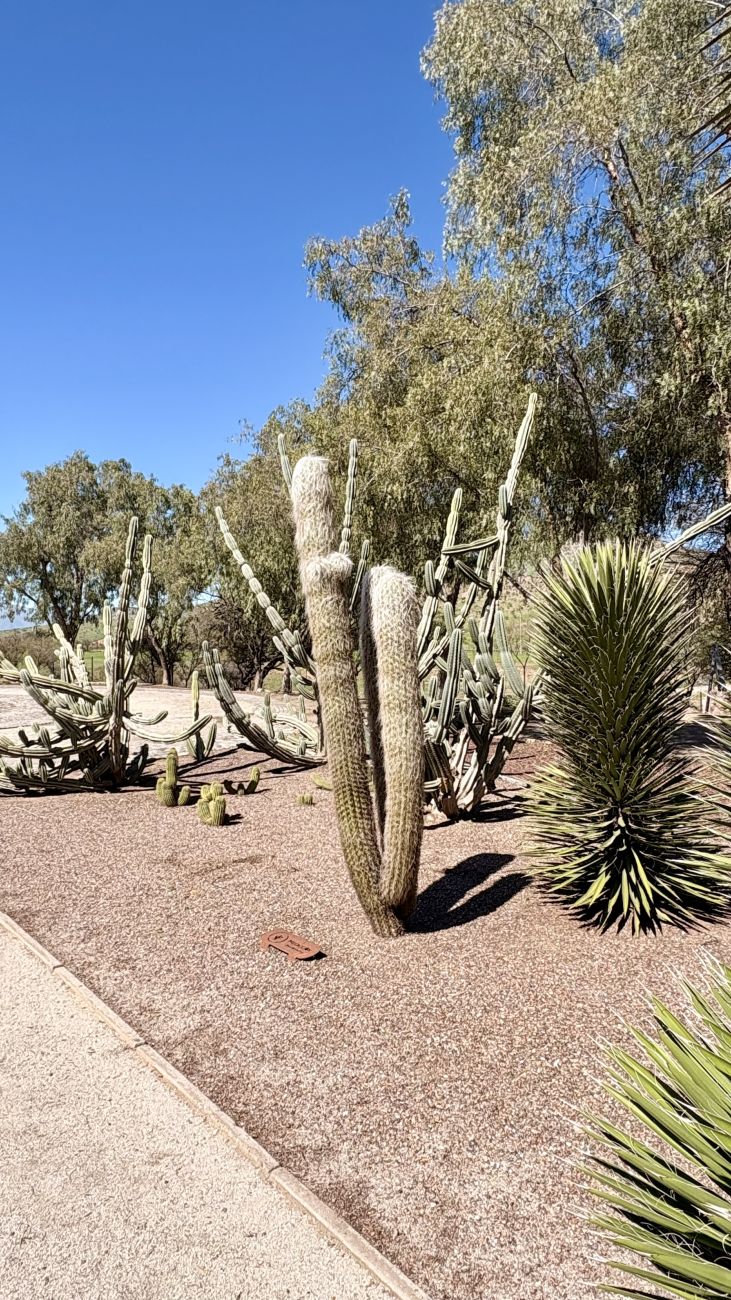
Picture 42
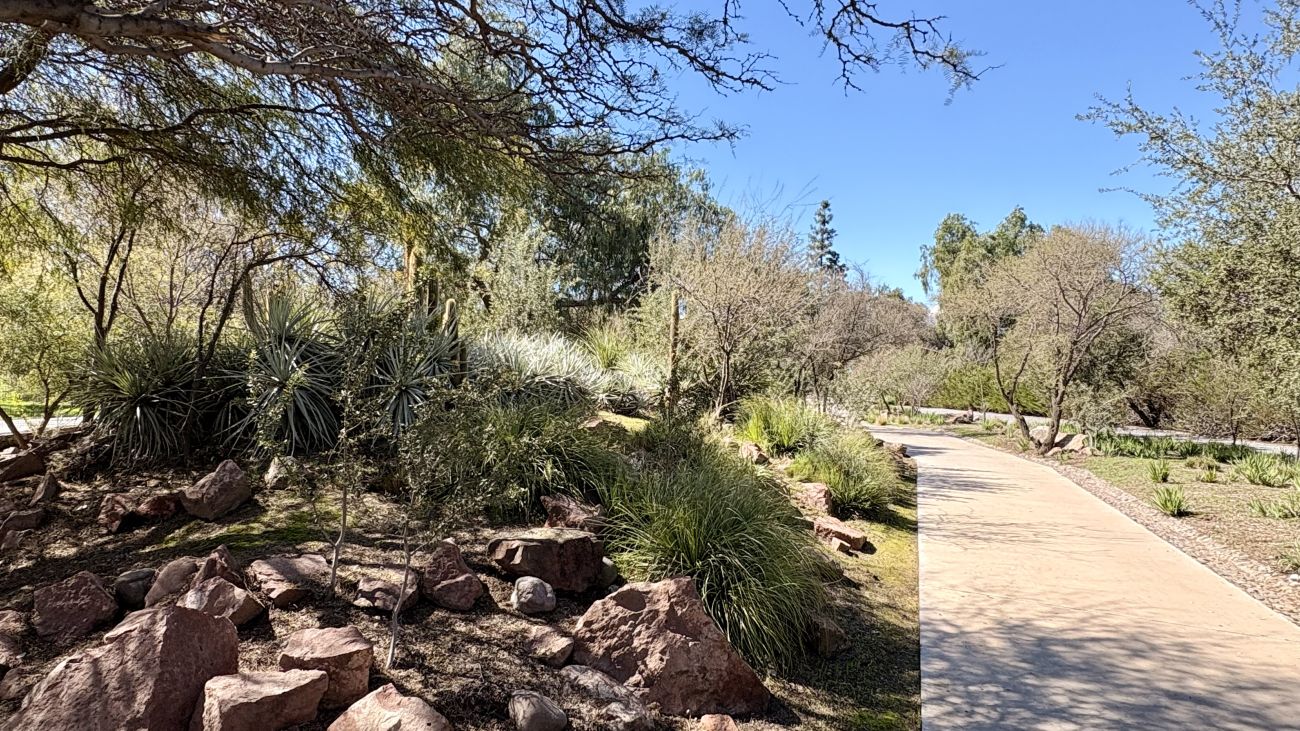
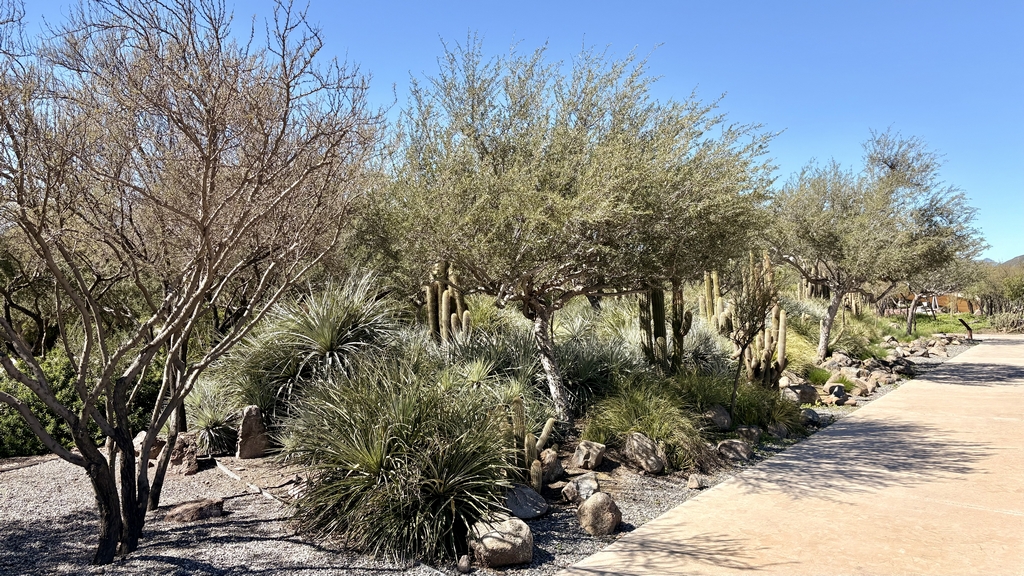
The native sector, much larger, and open to the public free of charge, is laid out as a route through examples of the native flora of north-central and central Chile (picture 43).
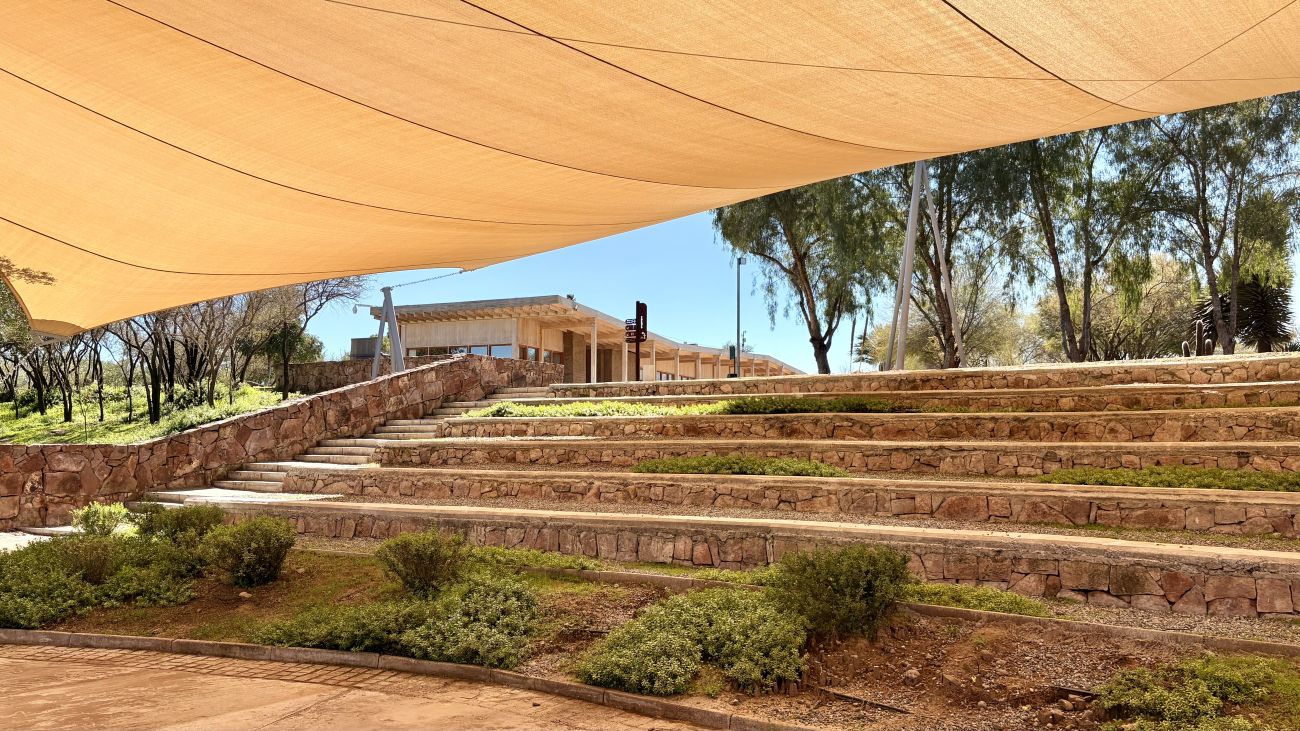
The park has the facilities to host events and community activities, such as a pavilion with a meeting room and an open-air amphitheatre (picture 44). Since it opened it has become a place where landscape designers, botanists and native-plant lovers can see, in a small space, species of real interest (picture 45).
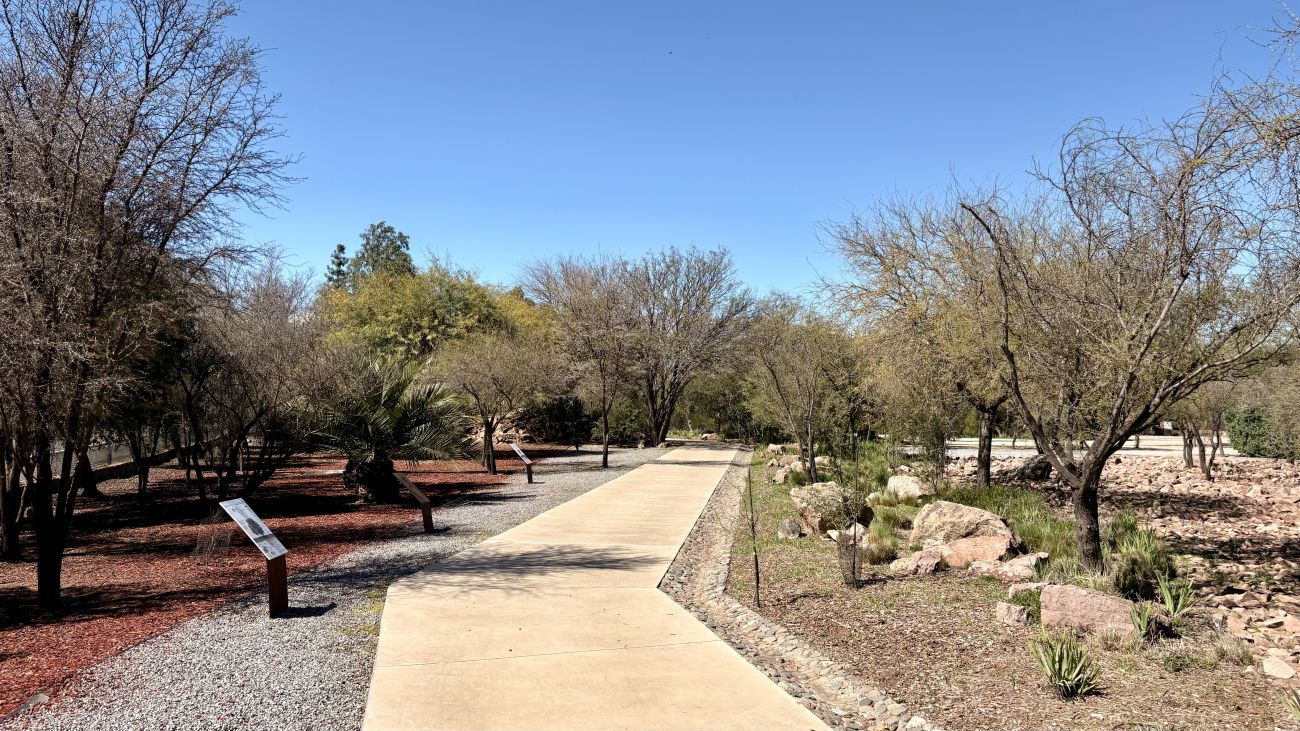
Picture 43
Picture 44
Picture 45
It’s interesting to see how the plants are grouped within a very attractive architectural design. This appeals not only to people who want to identify species or have a botanical interest, but also to those who simply enjoy being among entirely native plants.
The species I saw on this visit included:
- Jubaea chilensis
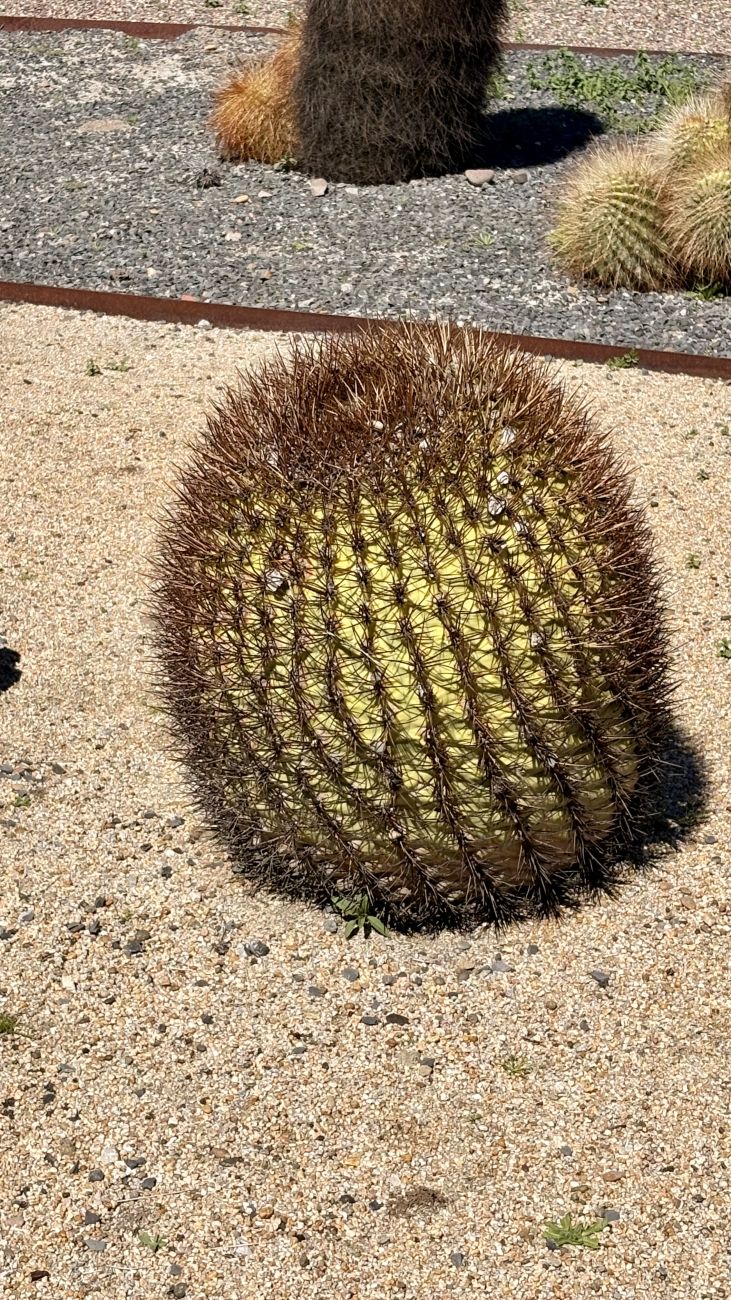
- Eriosyce aurata (picture 46)
- Leucostele chiloensis
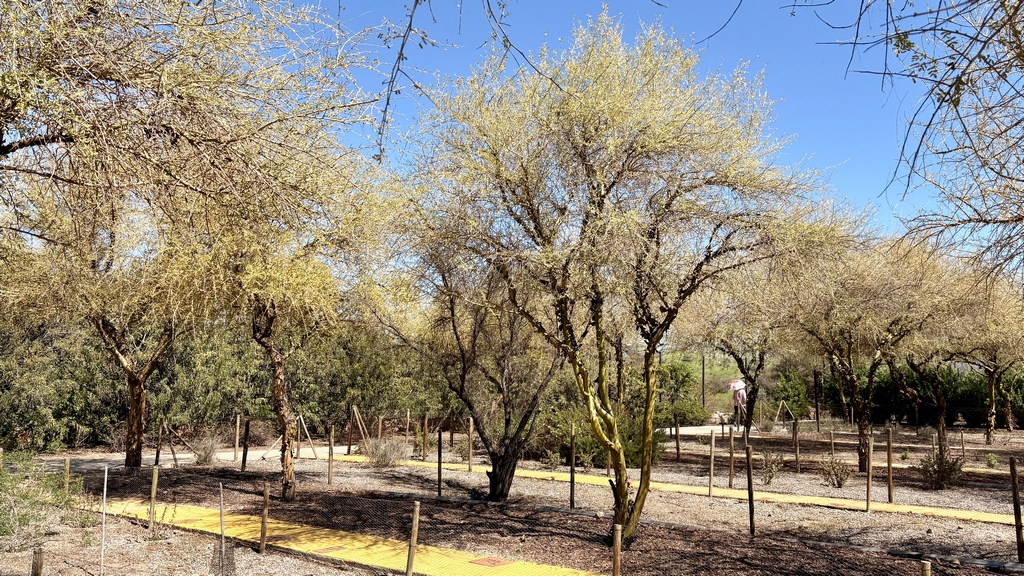
- Geoffroea decorticans (pictures 47 and 48)
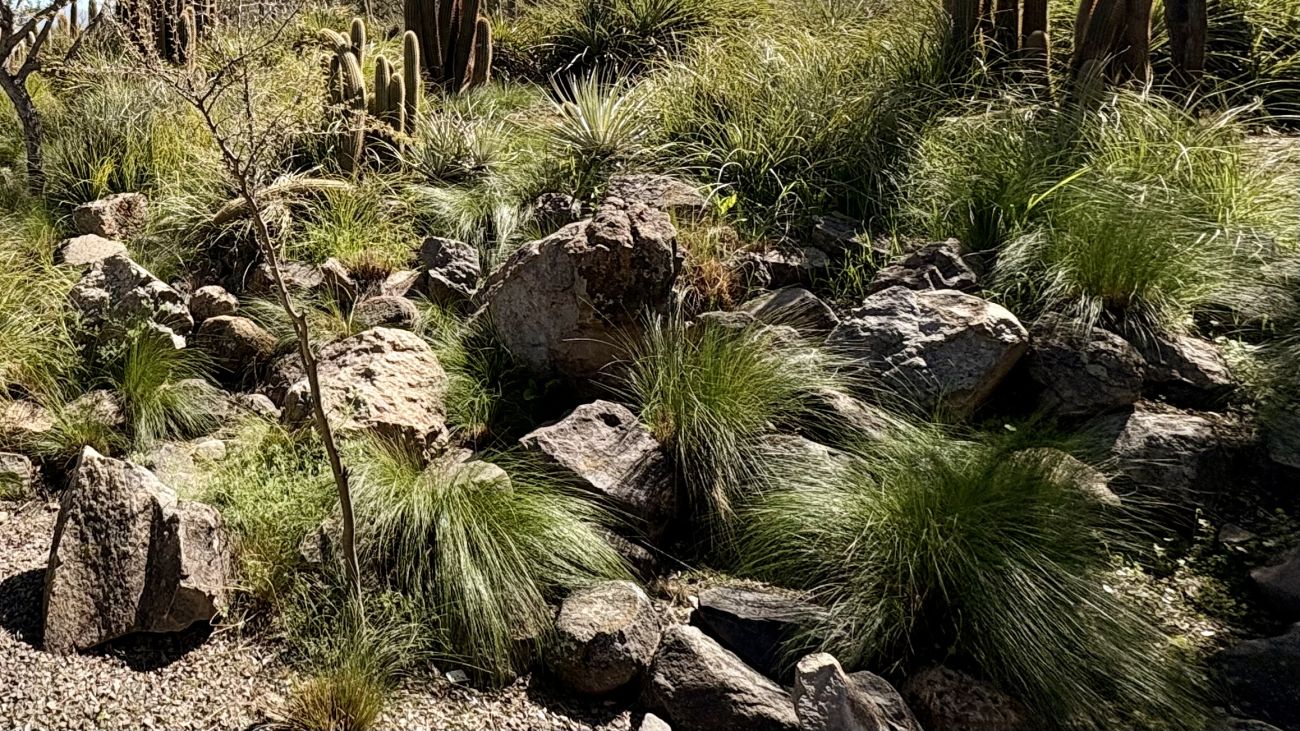
- Nassella laevissima (picture 49)
- Puya chilensis (Picture 50)
- Colliguaja odorifera
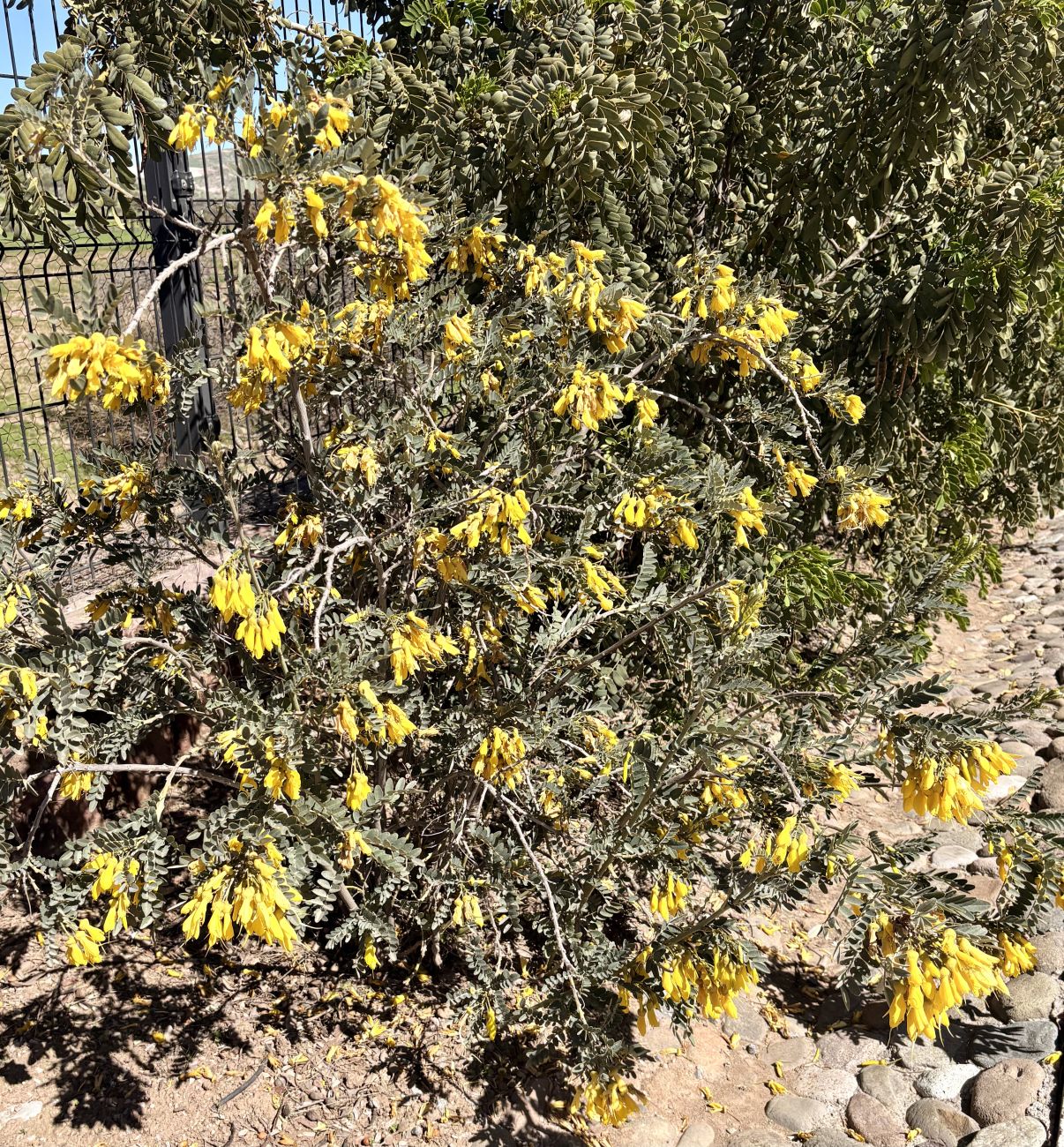
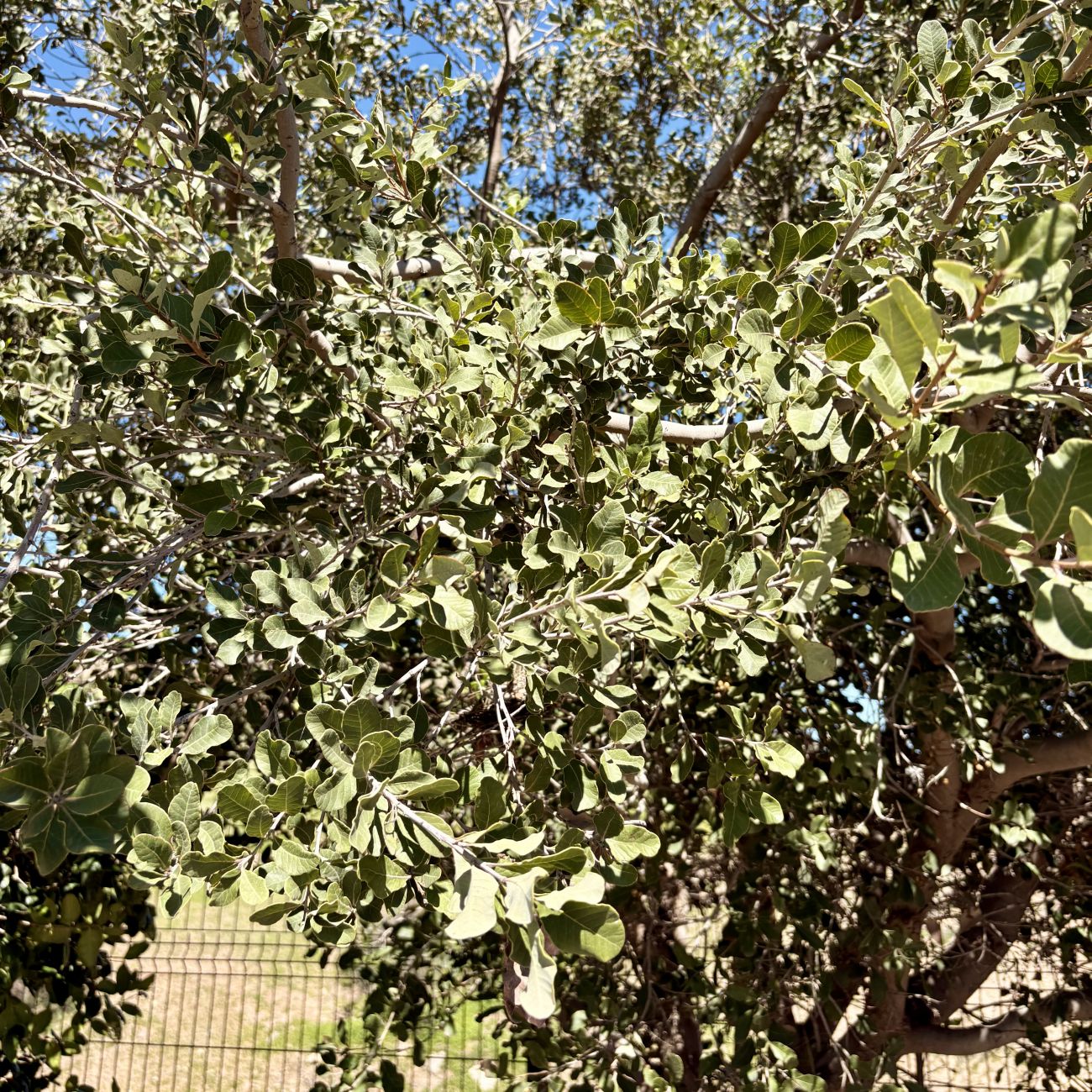
- Sophora macrocarpa (picture 51)
- Lithraea caustica (pictures 52 and 53)
- Quillaja saponaria
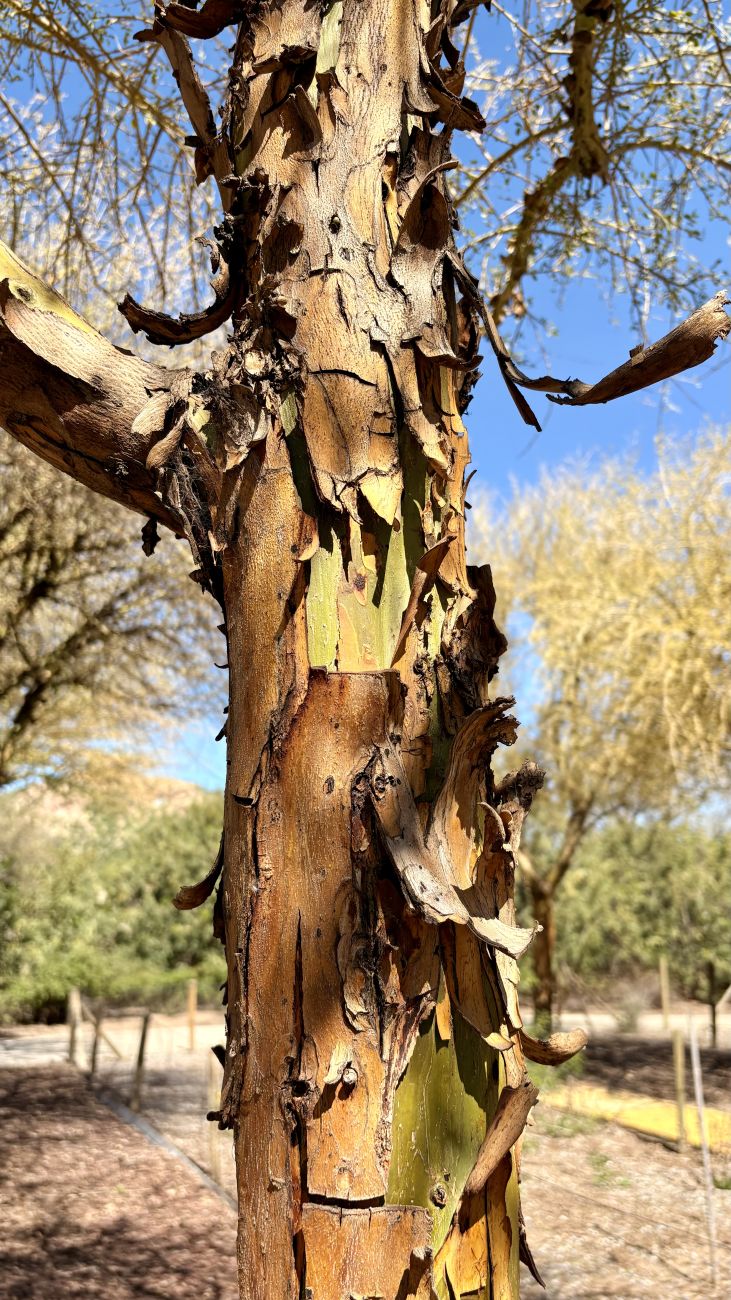
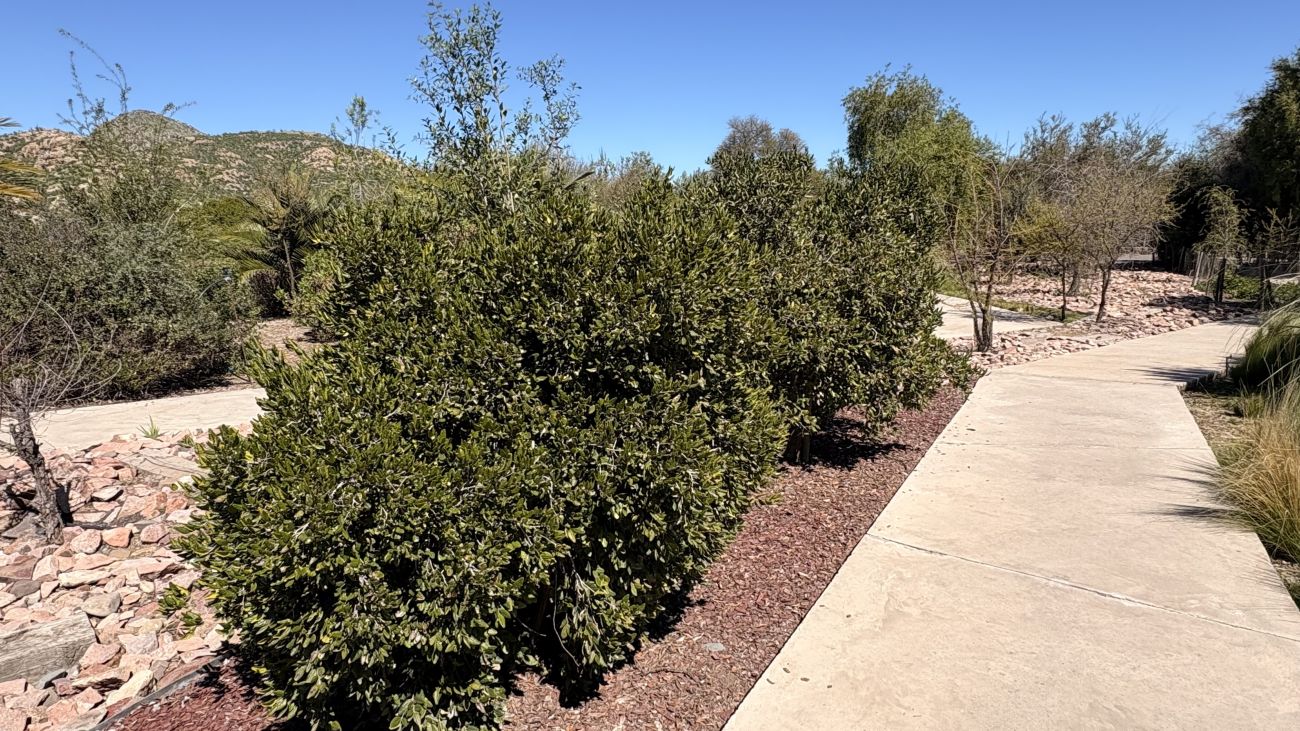
- Peumus boldus (picture 54)
Picture 46
Picture 47
Picture 48
Picture 49
Picture 50
Picture 51
Picture 52
Picture 53
Picture 54
Visit to the Jardín Pumahuida nursery
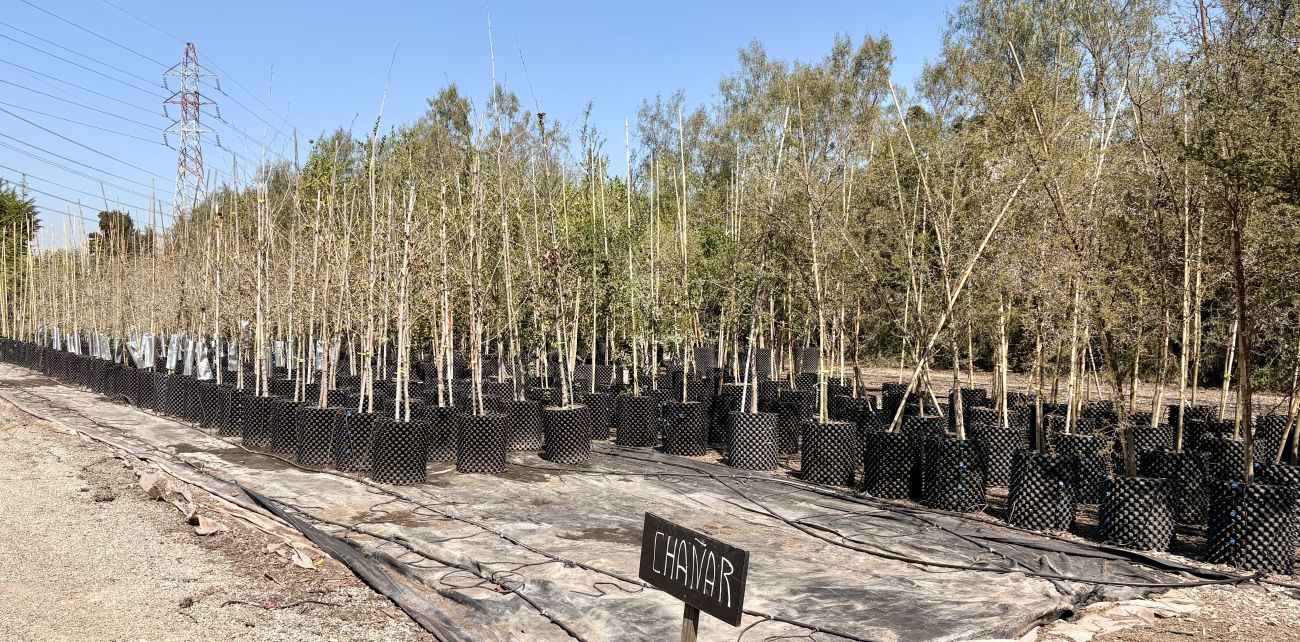
Vivero Jardín Pumahuida is a specialist nursery in Huechuraba, on the northern edge of Santiago, growing plants for the arid and Mediterranean-climate zones of Chile. It was founded in 1996 by Mónica Musalem, who in 2024 received the Veitch Memorial Medal from the Royal Horticultural Society for her contribution to horticulture, for developing the nursery production of Chilean native species for landscaping and environmental restoration. Pumahuida was also one of the co-organisers of the conference.
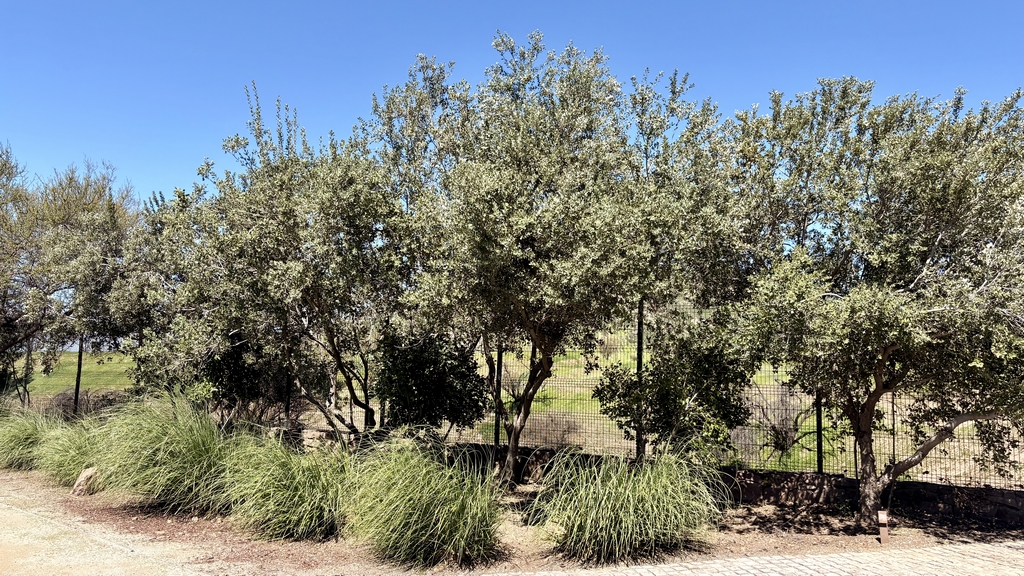
As well as native species, about 20 per cent of production is introduced Mediterranean-climate species such as olive (Olea europaea) and Brachychiton populneus. The range includes geophytes, some herbaceous perennials, many shrubs, and trees of different sizes. The trees produced in the largest numbers include:
- Quillaja saponaria
- Schinus areira (picture 55)
- Maytenus boaria
- Geoffroea decorticans (picture 56)
- Peumus boldus
- Cryptocarya alba
- Neltuma alba (syn. Prosopis alba)
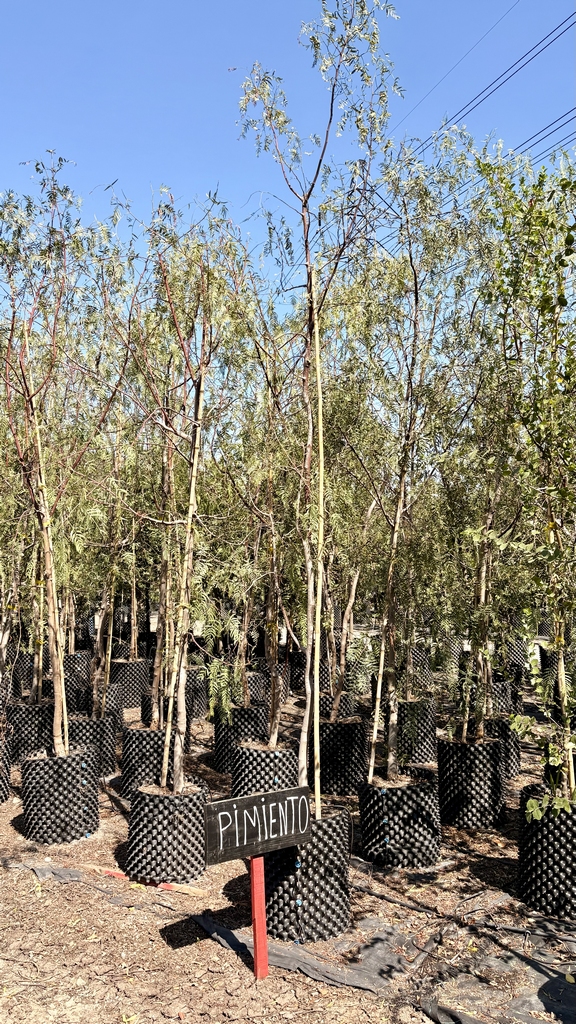
Picture 55
Picture 56
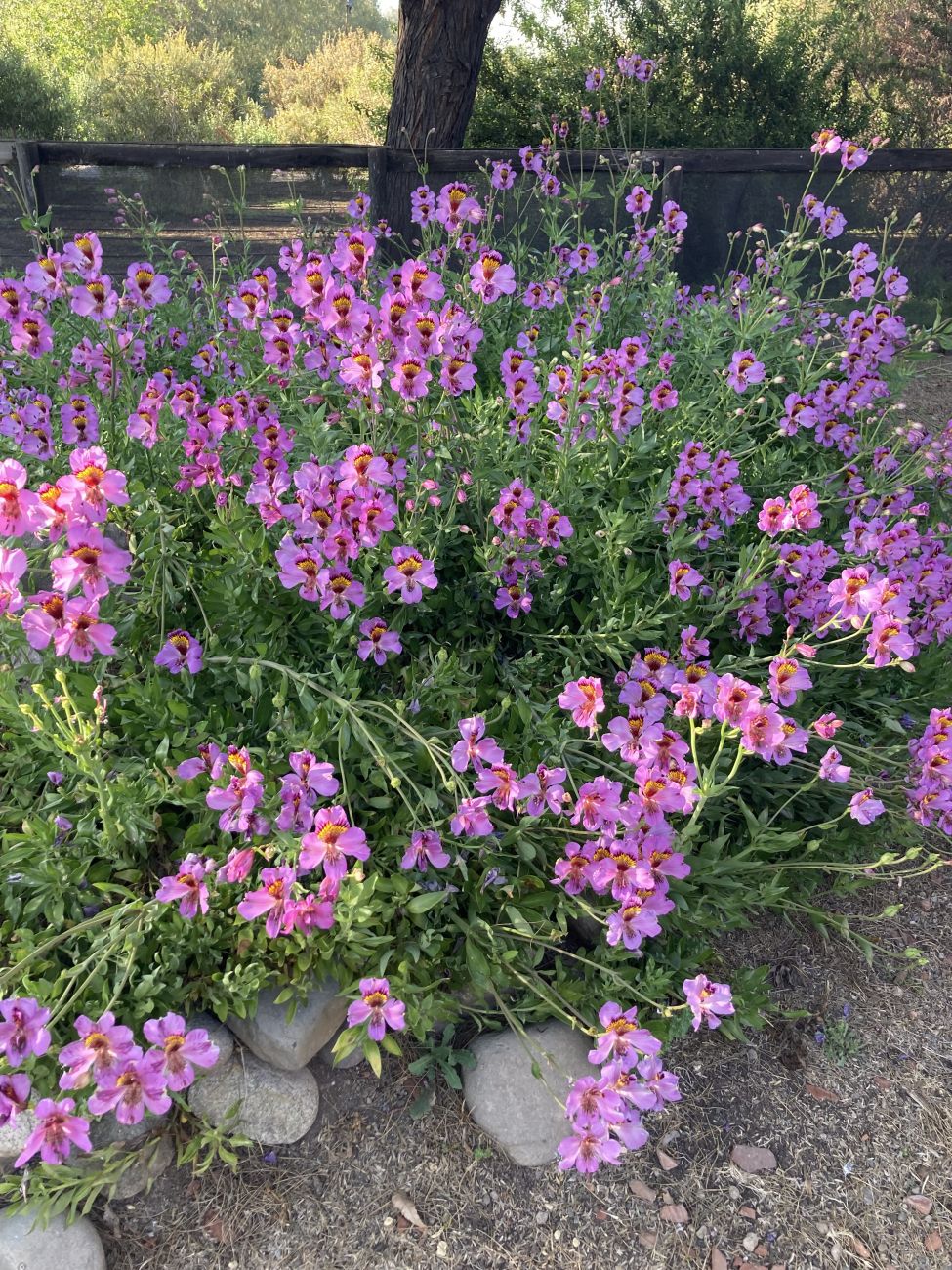
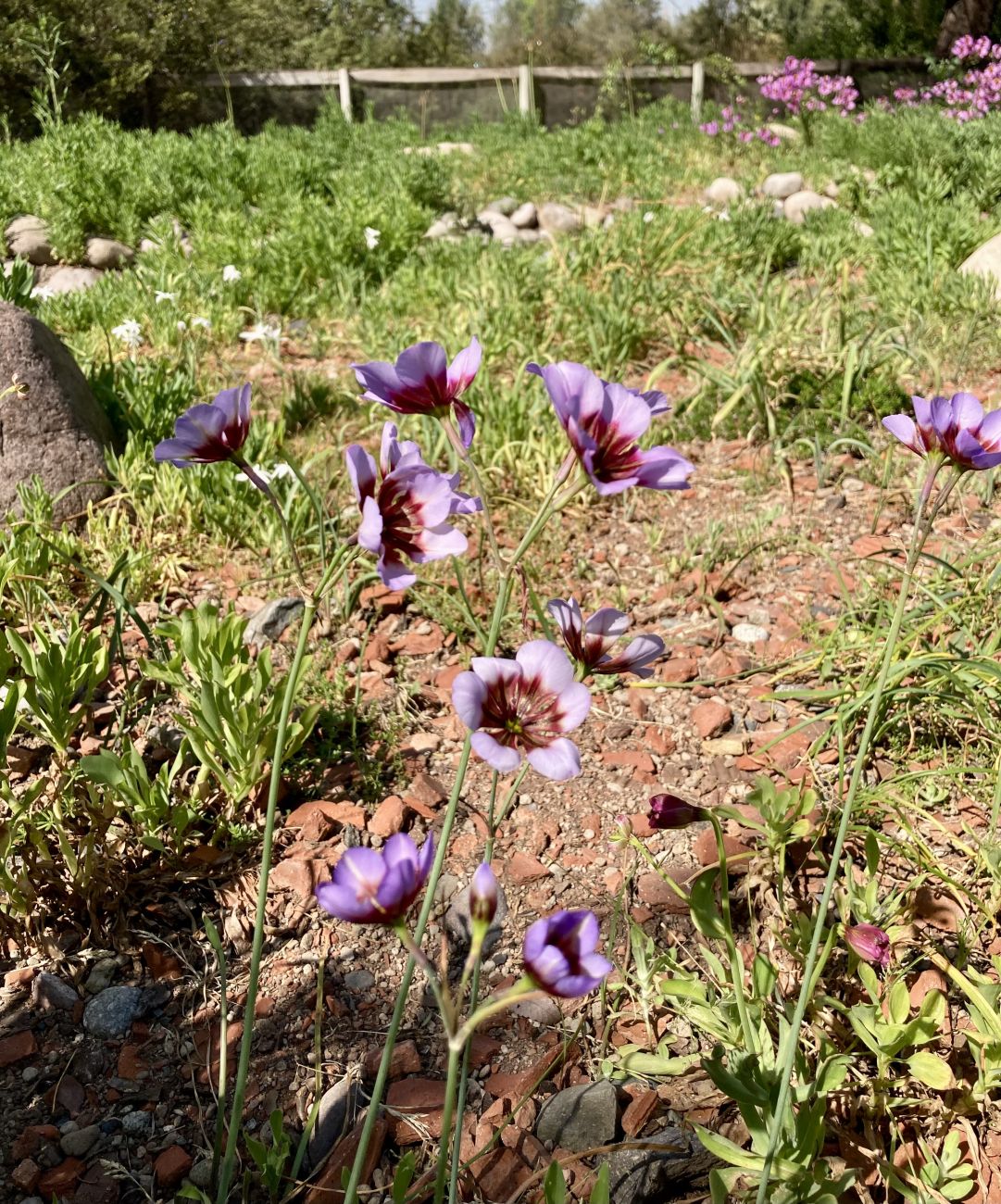
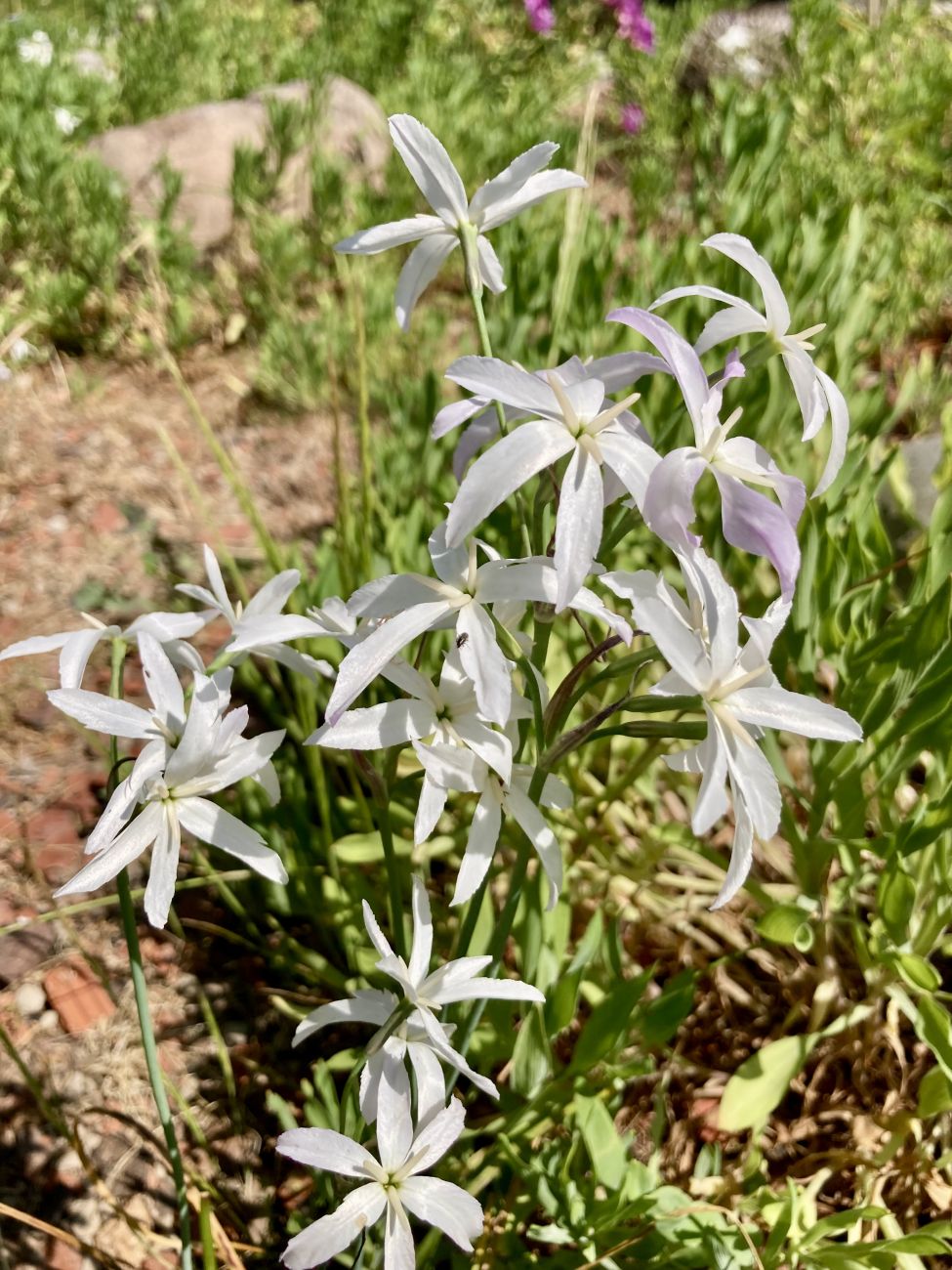
The nursery carries out constant research into the propagation of new Chilean native species, and into new formats and uses. A good example is the geophyte garden, which displays native geophytes that can be grown in rock garden conditions, such as Alstroemeria magnifica (picture 57), Leucocoryne coquimbensis (picture 58), L. ixioides (picture 59) and Zephyranthes phycelloides.
Picture 57
Picture 58
Picture 59
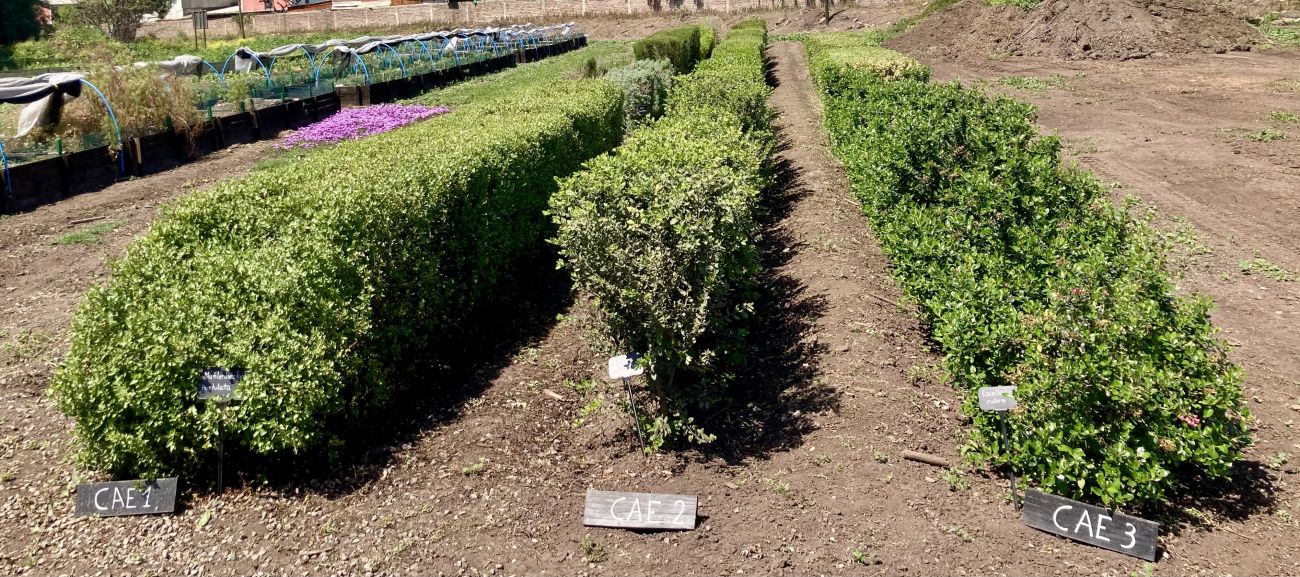
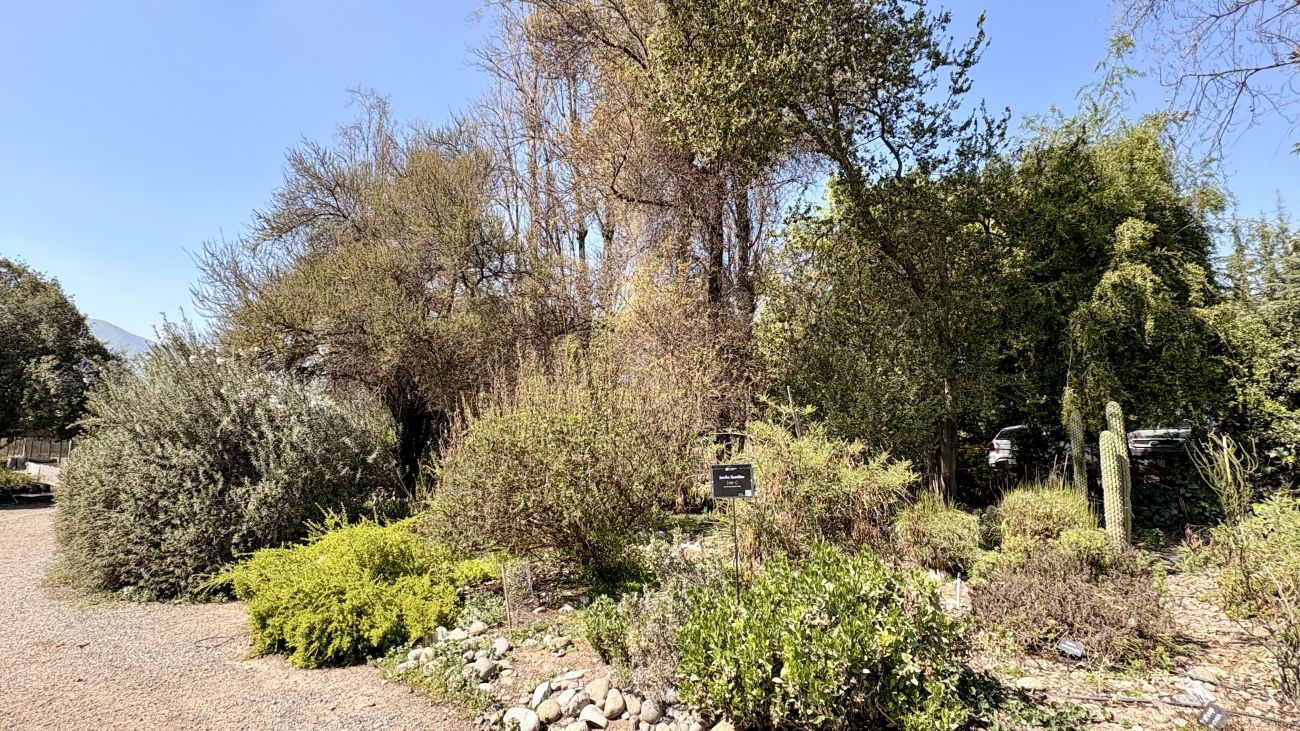
The nursery is also researching native shrubs for hedging, including Muehlenbeckia hastulata, Quillaja saponaria and Escallonia rubra, among others (picture 60). Its demonstration gardens are well worth seeing, among them a xerophytic garden (Picture 61), a geophyte garden and a scent garden (picture 62).
Picture 60
Picture 61
Picture 62
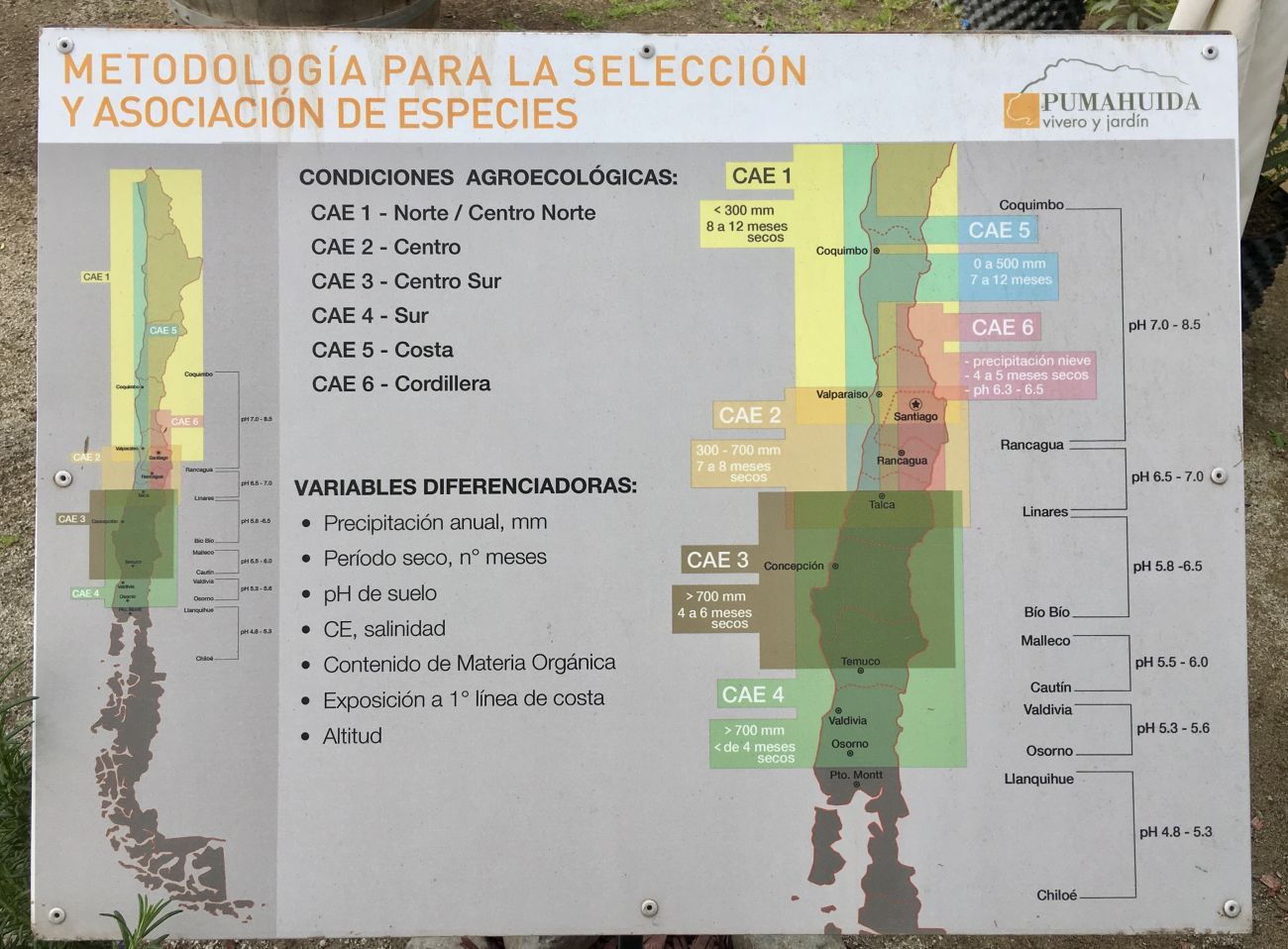
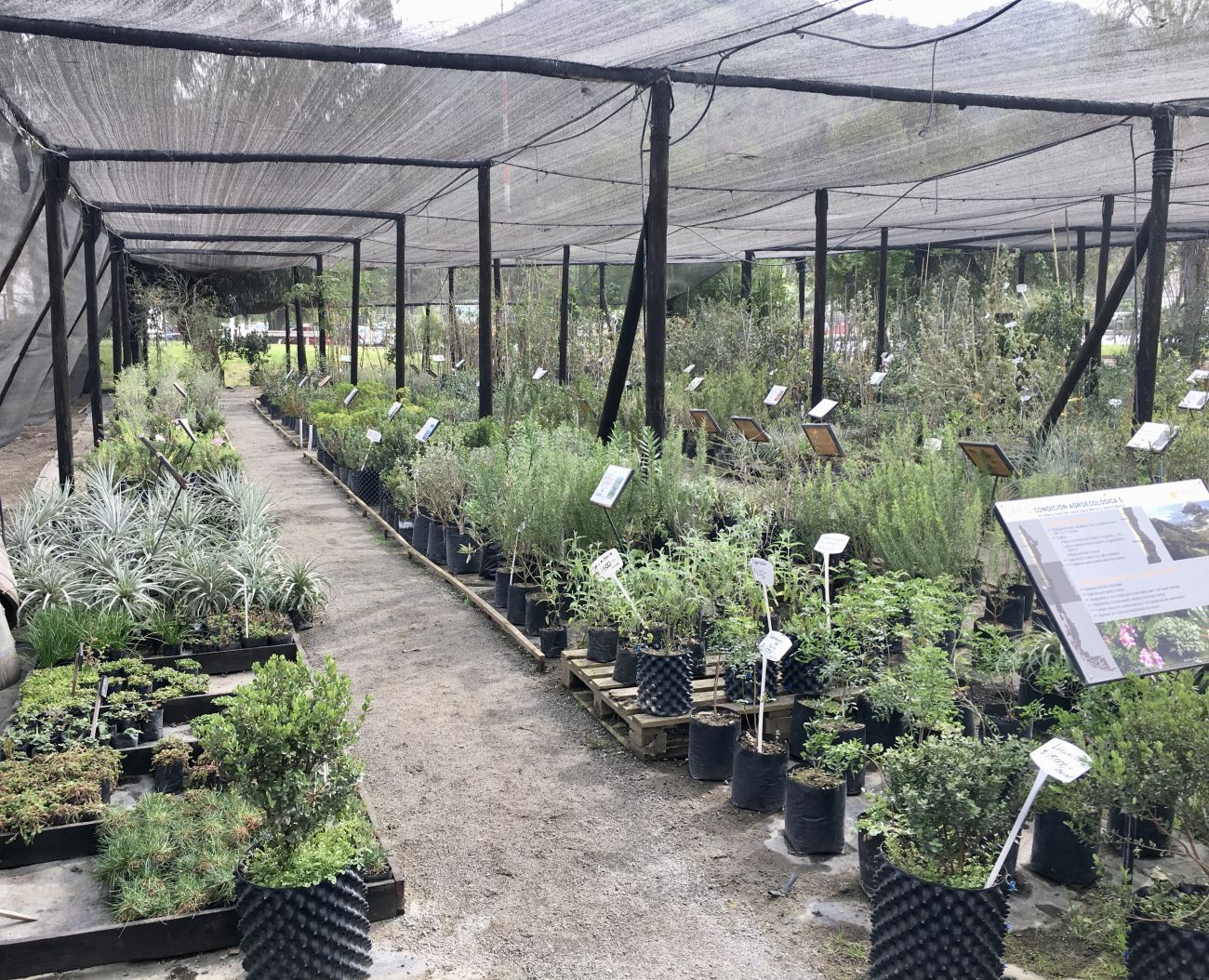
Some years ago, Mónica Musalem developed a system for classifying species according to their adaptation to the agroecological conditions in which they grow. She called it Agroecological Growing Conditions (Condiciones Agroecológicas de Cultivo, or CAE). There are six CAEs, spread from north to south and from the Andes to the sea. Each CAE is fully described by its minimum and maximum temperatures, mean annual rainfall, radiation, sun exposure, soil pH and soil type, and this is matched against the environmental and soil requirements of each species (Picture 63). The system has been extremely helpful to landscape designers and conservation projects in selecting the species best suited to a given site. Even the sales area is organised by CAE, which makes it easy to see which species suit which habitats (Picture 64).
Picture 63
Picture 64
Punta El Fraile and Playa El Tebo
Punta El Fraile and Playa El Tebo lie on the coast of the Valparaíso Region, about 160 km north-west of Santiago (picture 65). Access to the coast in Chile is relatively easy, since beaches are public by law, the 80 m strip of land above the high-tide line belongs to the state, and neighbouring landowners must allow free public access. The same applies to all rivers and lakes.
Here I was able to see coastal vegetation that is also part of Chile’s Mediterranean-climate zone. Although these aren’t protected areas, and they’re under strong pressure from property development, large areas of native vegetation can still be found.
However, the fragility of these habitats is easy to see, given the pressure from a growing population and the many towns and cities along the coast of central Chile. The Santiago Metropolitan and Valparaíso regions together hold about half of Chile’s 18.5 million people.
The species I saw included:
- Puya chilensis (picture 66)
- Eryngium paniculatum, variegated form (picture 67)
- Nolana paradoxa and Ambrosia chamissonis (picture 68)
- Cistanthe grandiflora
- Adiantum chilense
- Baccharis concava (picture 69)
- Bipinnula fimbriata (picture 70)
- Vachellia caven (picture 71)
- Lobelia excelsa
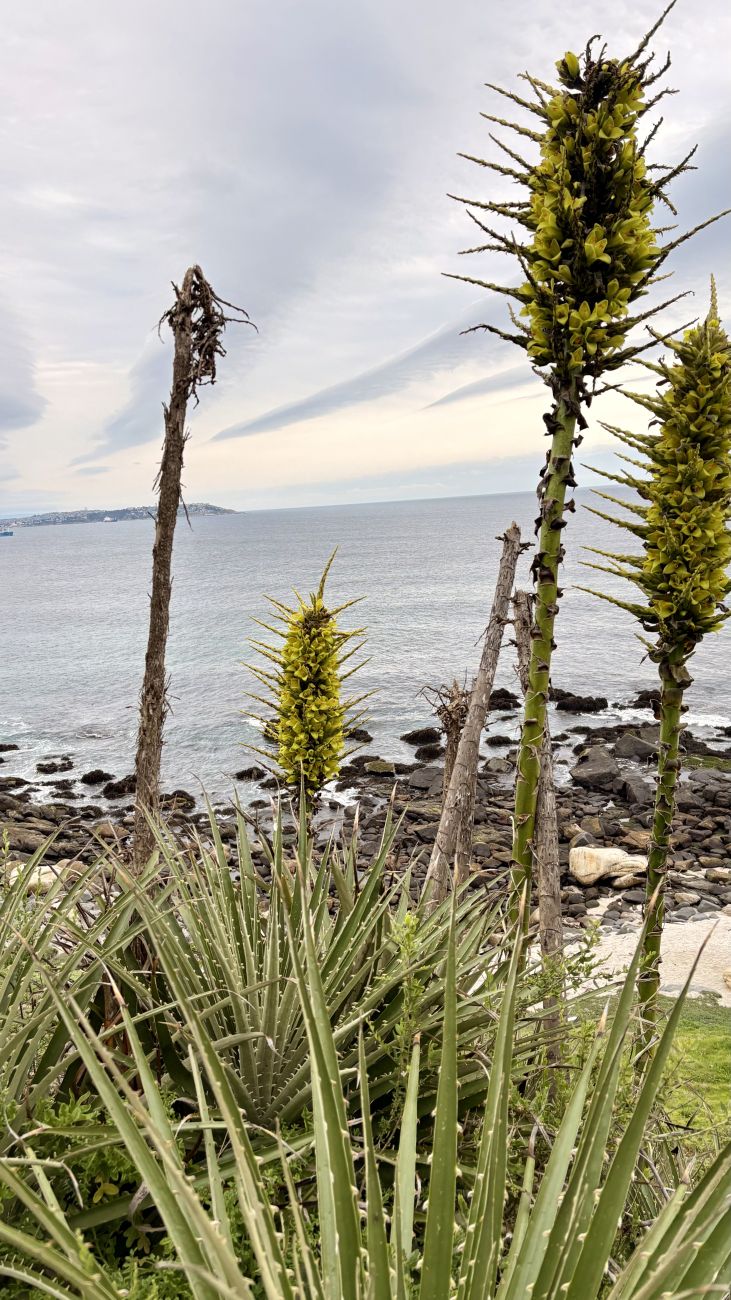
Picture 66
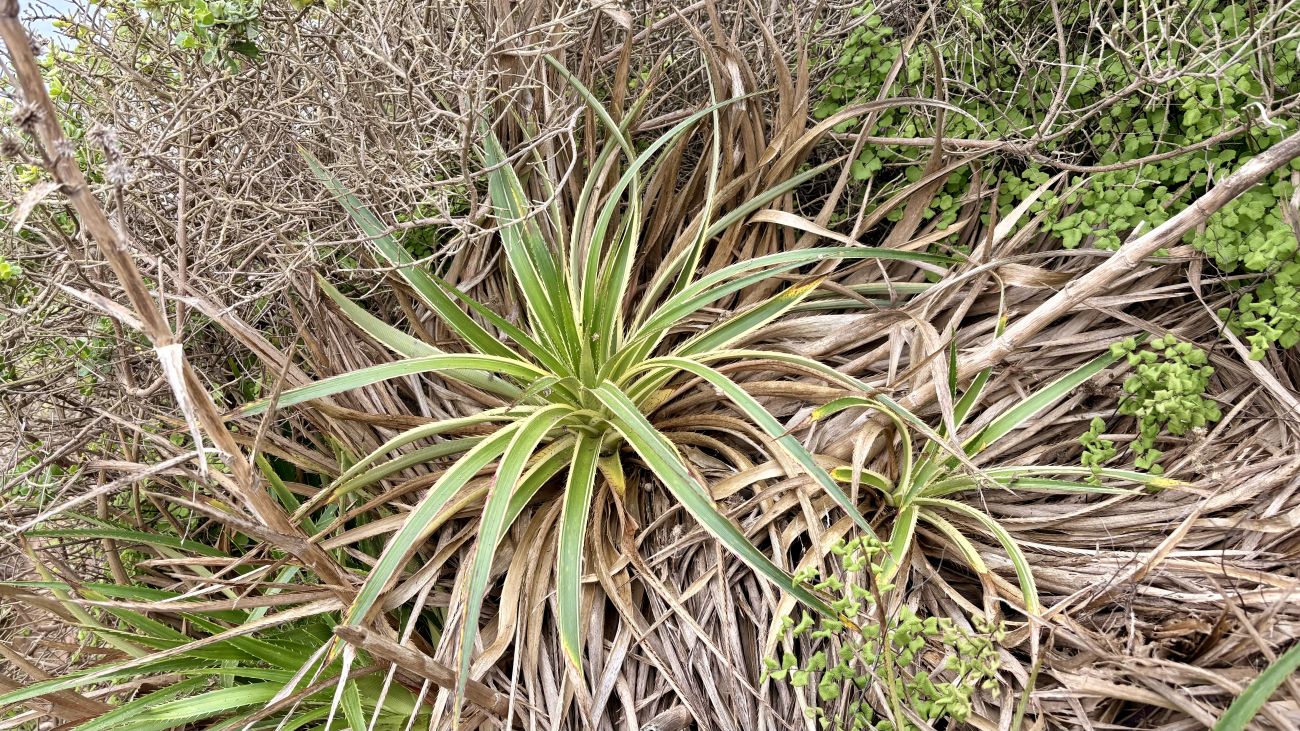
Picture 67
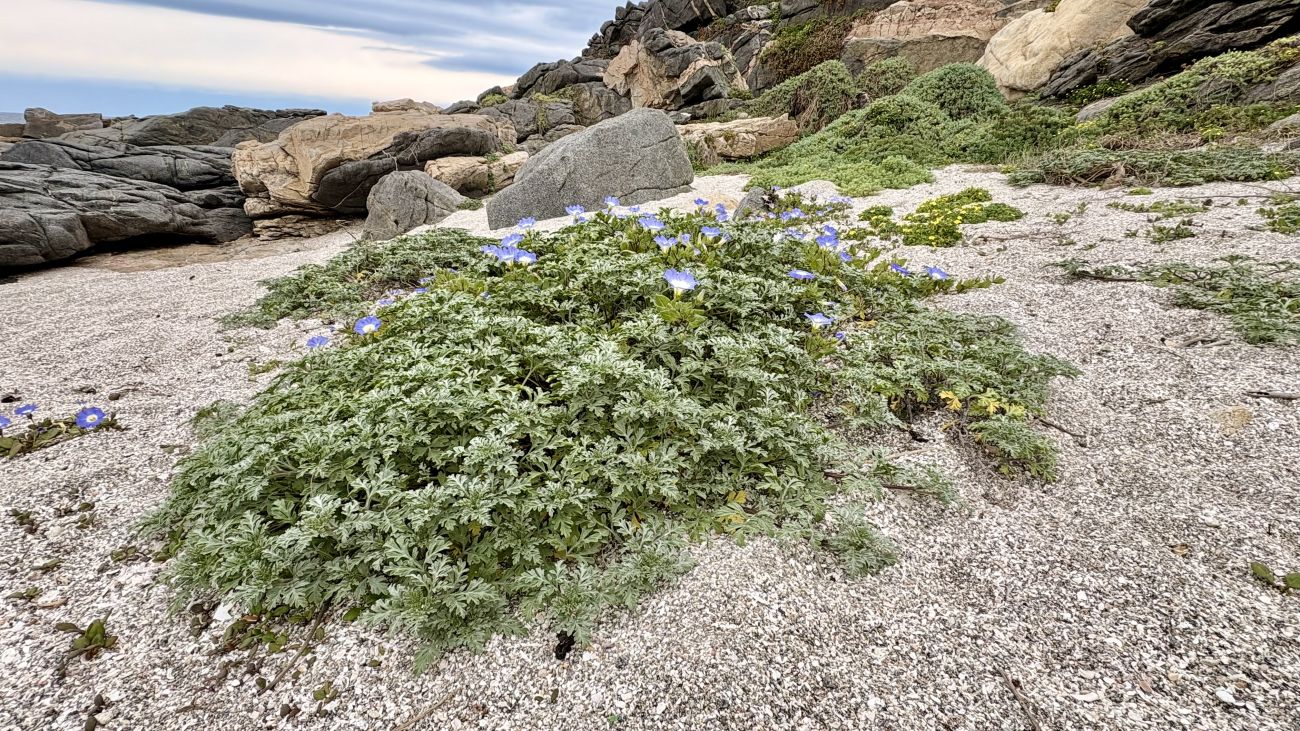
Picture 68
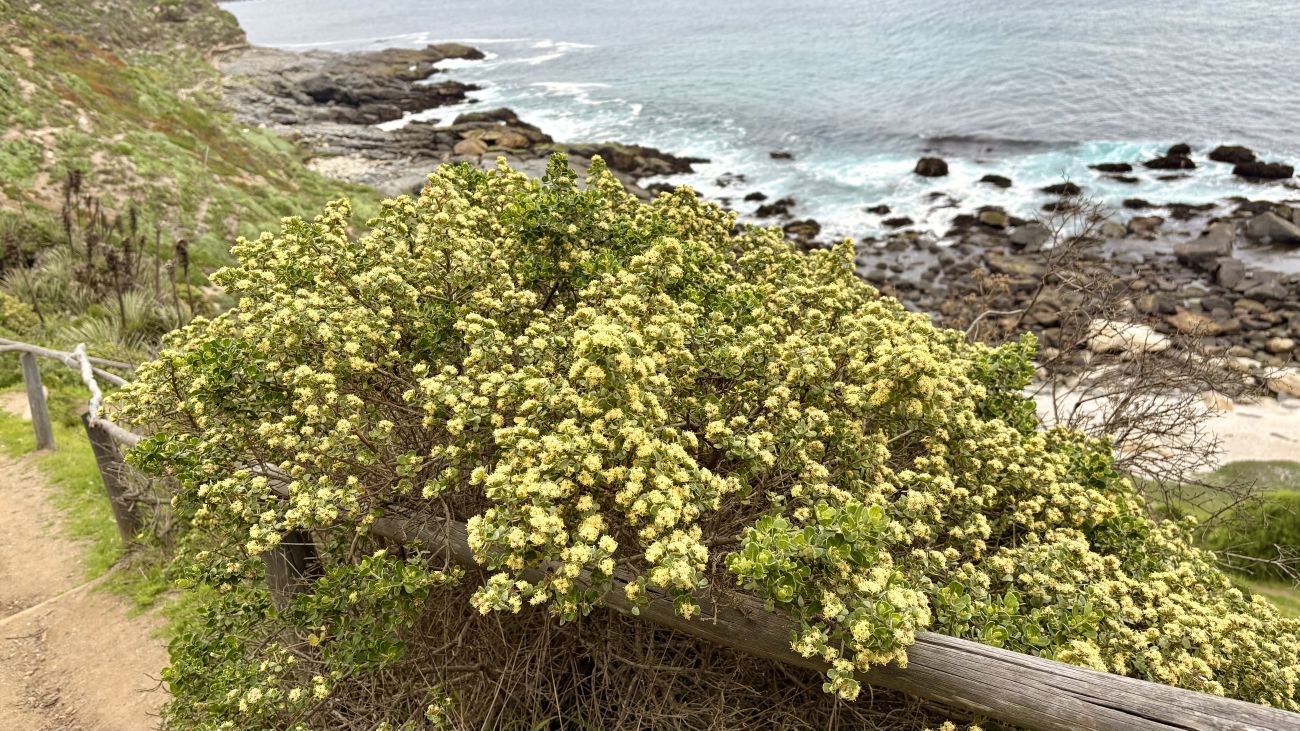
Picture 69
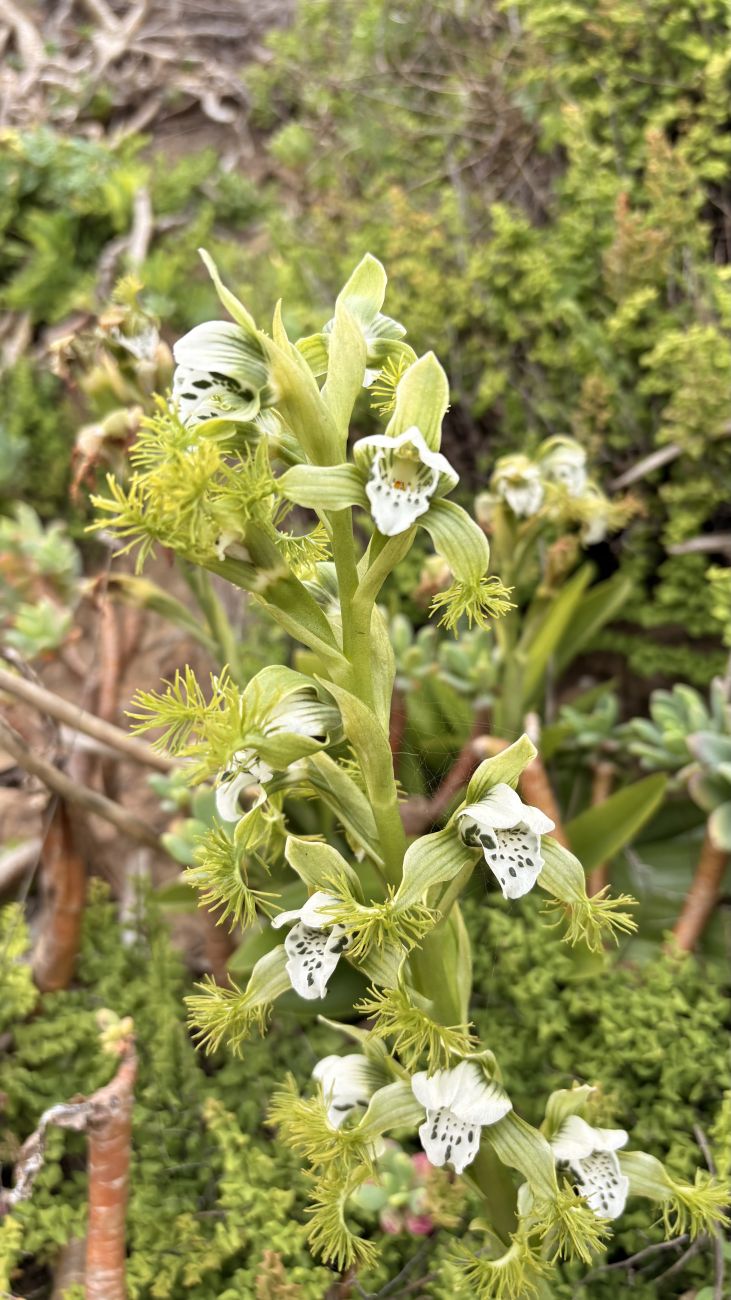
Picture 70
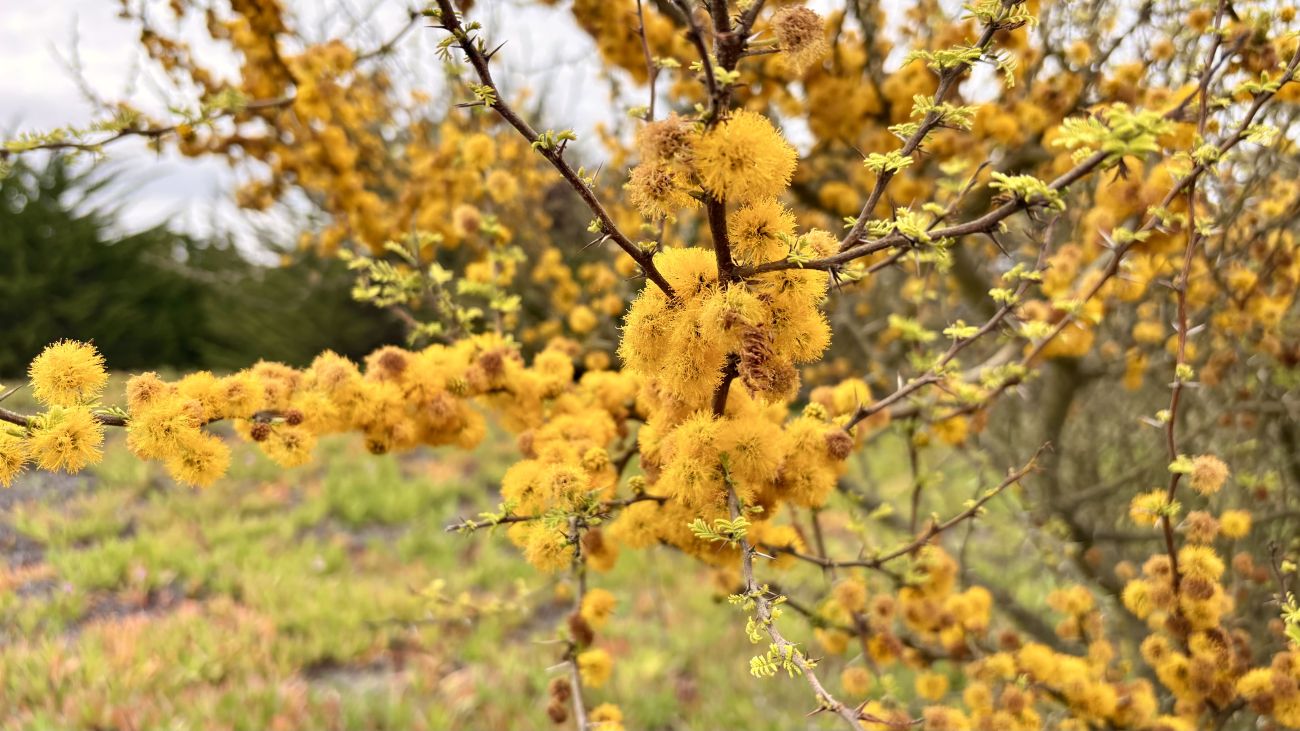
Picture 71
Conclusions
The trip achieved its main purpose. Being at the ninth conference in person, after seven years away, let me reconnect with the Chilean botanical, horticultural and conservation community, meet many early-career researchers and practitioners for the first time, and work face to face with my colleagues of the Fundación Flora Nativa Chilena. The conference itself showed how broad and lively work on native flora in Chile has become, with 342 participants and eight thematic areas ranging from art, education and traditional uses to propagation, breeding and biotechnology. The presence of the British ambassador at the inauguration was also a welcome sign of growing UK-Chile links around this work.
The field visits showed both the resilience and the fragility of Chile’s Mediterranean-climate flora. In El Ajial the matorral is well protected but still marked by the megadrought, while on the coast near Horcón large areas of native vegetation survive outside any protected area, under constant pressure from development. At the same time, the horticultural use of native plants is clearly growing in Santiago’s streets and squares, in botanic gardens such as Quilapilún, and in specialist nurseries such as Pumahuida, whose CAE system is a practical tool that could interest MPG members choosing Mediterranean-climate plants for other parts of the world.
Many of the species seen on this trip, such as Quillaja saponaria, Puya chilensis, Jubaea chilensis, Libertia chilensis, Escallonia rubra, Alstroemeria and Leucocoryne, are already grown in Mediterranean-climate gardens elsewhere, and there is plenty of scope for more. I hope to build on the contacts made during this visit to develop collaboration between Chilean institutions, MPG and other British organisations, and I look forward to sharing more of this trip with MPG members.