
Formal gardens around Lake Maggiore
8 – 13 June 2026
Verity Battyll
Introduction
I have recently returned from a fantastic bursary to northern Italy to view some of the amazing gardens. We were based near Verbania and primarily looked at gardens around Lake Maggiore but also undertook a day trip to Villa Carlotta by Lake Como.
I was lucky enough to be sharing this experience with my Formal Ornamental Team colleagues, from RHS Garden Wisley.
My initial reasoning for undertaking this bursary was to bring back planting ideas based on what they are using in Italy and so what we may need and want to try in the future to adapt our planting pallet to better suit the changing climate.
This was the idea, but it became clear rather quickly that some of the gardens we visited are also experiencing plant decline and loss due to climate change but are yet to experiment much outside of the plants they know.
Although I did not necessarily come back with as much information on new plants to use at Wisley, I learnt more across a wider range of topics than I anticipated.
This was largely down to the generosity and knowledge of all the horticulturists we met, and it goes to show no matter what country you are in, horticulture is a friendly industry, and everyone wants to share their knowledge and experience.
Itinerary
Monday 8 June 2026
Travel day, getting into accommodation and food shopping for supplies
Tuesday 9 June 2026
Isola Bella – Tour with Head Gardener Mario and a fantastic interpreter, a colleague of his from the Isola Bella Villa
Isola Madre – Tour with Head Gardener Luigi and the same interpreter as above
Wednesday 10 June 2026
Villa Carlotta – Tour with Head Gardener Simone Boggia
Thursday 11 June 2026
Isole di Brissago – Tour with Camilla Clippa
Villa Anelli – Tour with Andrea Corneo.
Tour of the private garden of Francesco Blardoni
Friday 12 June 2026
Jay Blue House Garden
Guido Piacenza and Ursula Salghetti Drioli Piacenza’s garden in Pollone
Saturday 13 June 25 2026
Villa Taranto
Plant highlights from the gardens visited
Cinnamomum camphora – Camphor tree – This was not a plant I had come across before, some of the gardens had especially old and important specimens such as those at Isola Bella.
Nerium oleander – Used a lot at Isola Bella and Isola Madre. Also used a lot by the general public in their front gardens. I don’t believe I have seen it growing outside in the UK yet but according to the RHS website it is H3 hardy – ‘hardy in coastal and relatively mild parts of the UK (-5 to 1 ºC)’, so I think this is something we should at least perhaps try in a sheltered spot.
Tilia and Platanus trees – used regularly as street trees along the shores of Lake Maggiore.
Koelreuteria – Although I didn’t see masses of these trees, they had a good planting in the ‘Lidl’ car park. It was reassuring to see these as it’s a tree we have identified already at Wisley as enjoying the heat.
Lagerstroemia – Similar to the above in that we have already seen them prove themselves in these increasing hot and dry summers here at Wisley, these were used heavily both in the gardens we visited and as street trees in public spaces.
Bamboos – The scale and speed of growth of some of the bamboos we saw was incredible. We saw great examples at Isola Madre, Villa Carlotta and Villa Anelli and Isole di Brissago Villa Carlotta has a dedicated Bamboo garden with 28 varieties.
Erythrina crista-galli – Another new plant for me, seen at Villa Madre and used at Villa Carlotta as well. Rated as H3, and according to a UK nursery website ‘compacta’ will regrow from the stump in spring if mulched in winter. So, I believe this may also be worth trying in a sheltered spot with a mulch in winter.
Trachycarpus fortunei – This was in all of the gardens we visited and is becoming a cause for concern in some areas. Isole Di Brissago in particular said that they now have strict regulations to stop it spreading, whilst at Villa Anelli Andrea has taken out all but two of the female plants. We experience it self-seeding here at Wisley, but currently due to our climate it is not such an issue. Perhaps this will change going forwards.
Punica granatum – Pomegranate – A good number of plants at Isola Bella. We have a couple here at Wisley in sheltered spots against walls. As our climate changes, I wonder if we should be looking to plant more of these.
Melaleuca alternifolia – Seen at Isole di Brissago. Given its hardiness rating by the RHS of H2 – ‘Tolerant of low temperatures but not surviving freezing (1 to 5 ºC) – it’s no surprise we didn’t see it anywhere else. Isole di Brissago had the mildest climate of all the gardens we visited with only a few frost days; they have a real subtropical climate. They also had a specimen of Strelitzia which grew outside all year round.
It was also great to see specimens of Pistacia chinensis, Macadamia ternifolia and Coffea arabica all growing outside here.
Ficus pumila – Present at all of the villas we went to. Although classed as H2 by the RHS – ‘Tolerant of low temperatures but not surviving being frozen (1 to 5 ºC)’ – we are keen to try it in a sheltered spot here at Wisley to see what happens.
Citrus in containers – Isola Bella had a huge number of Citrus plants in containers lining the terraces, but we were informed that these would be protected over the winter.

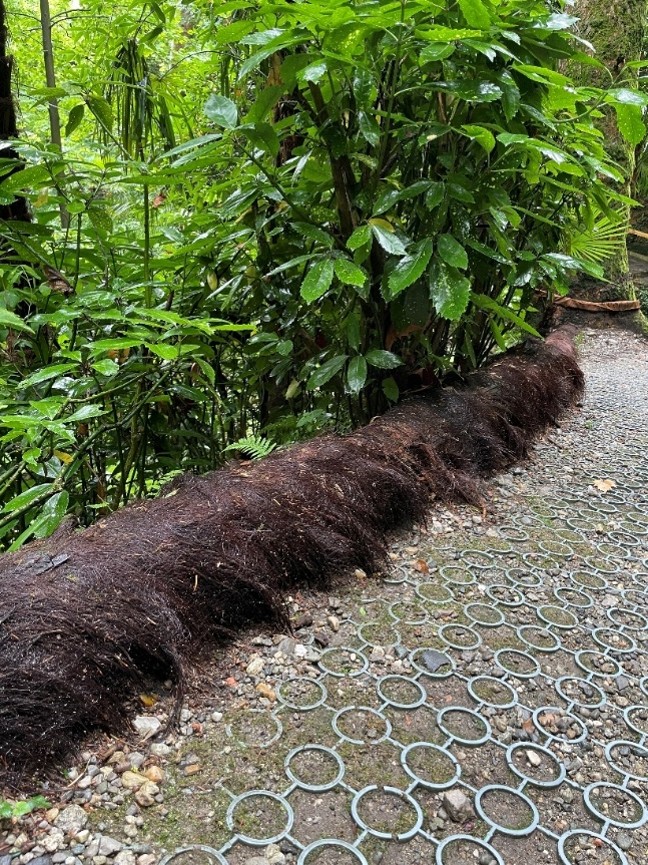
Trachycarpus at Isole di Brissago (left) and trunks used as edging at Villa Carlotta (right).
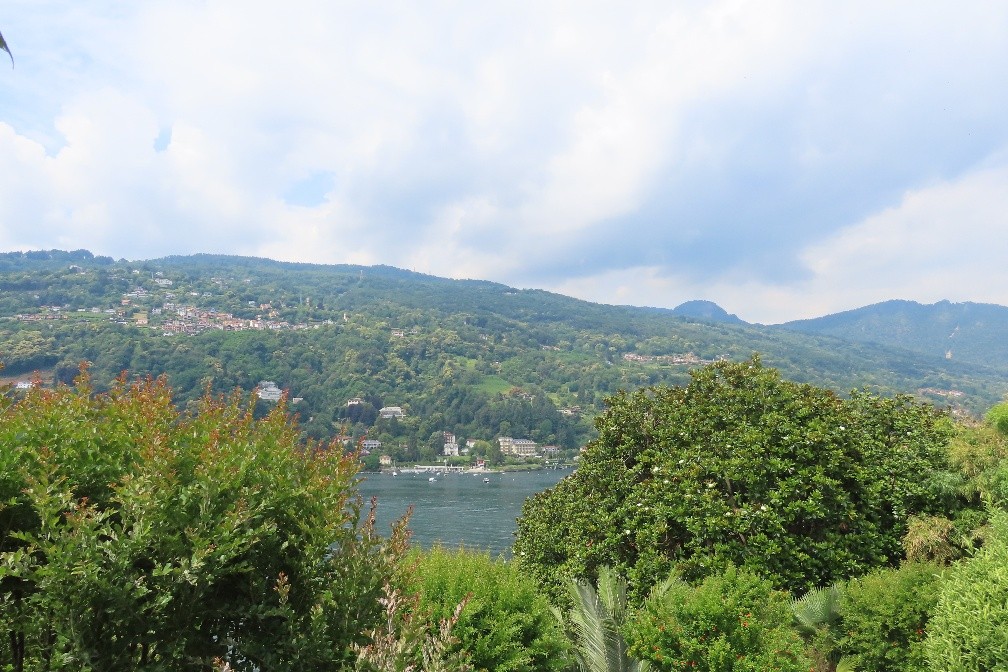
View out over Lake Maggiore from Isola Bella – Left hand side Lagerstroemia, lower spheres of foliage are Punica granatum, right hand side Magnolia grandiflora also used and seen a lot during our trip.
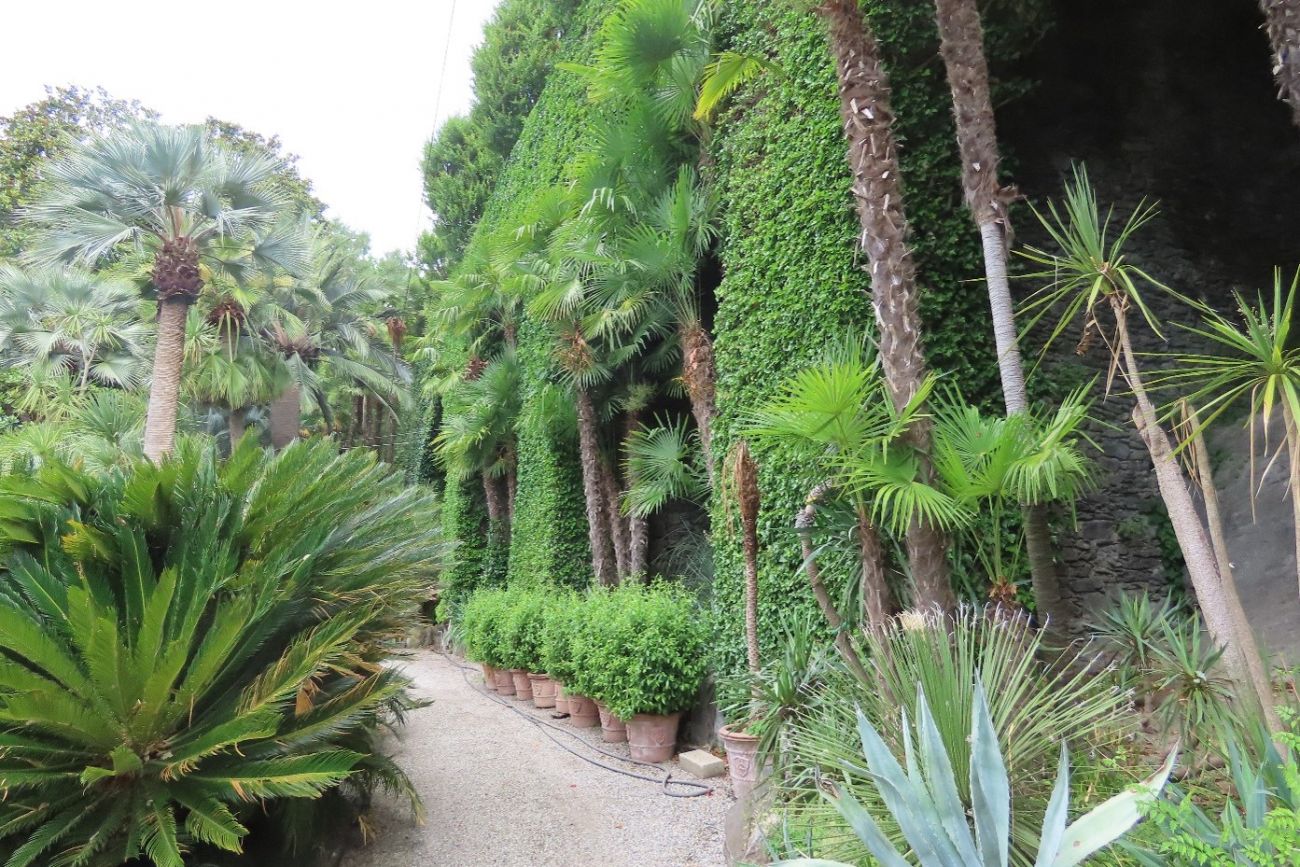
Ficus pumila at Isola Bella

Ficus pumila at Isola Madre
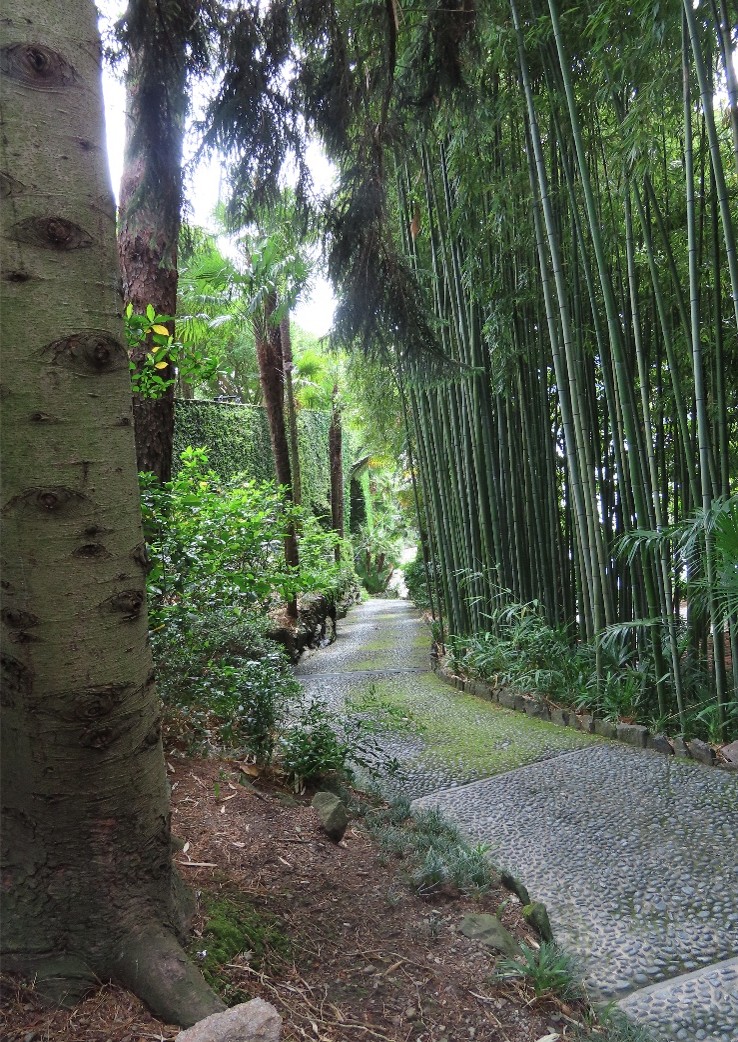
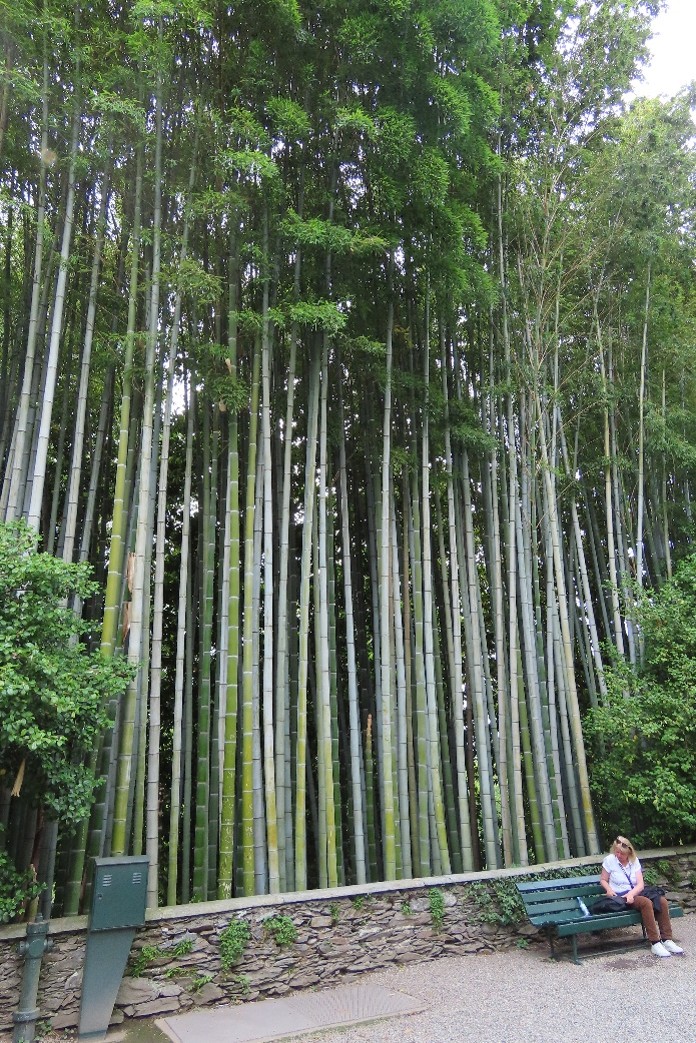
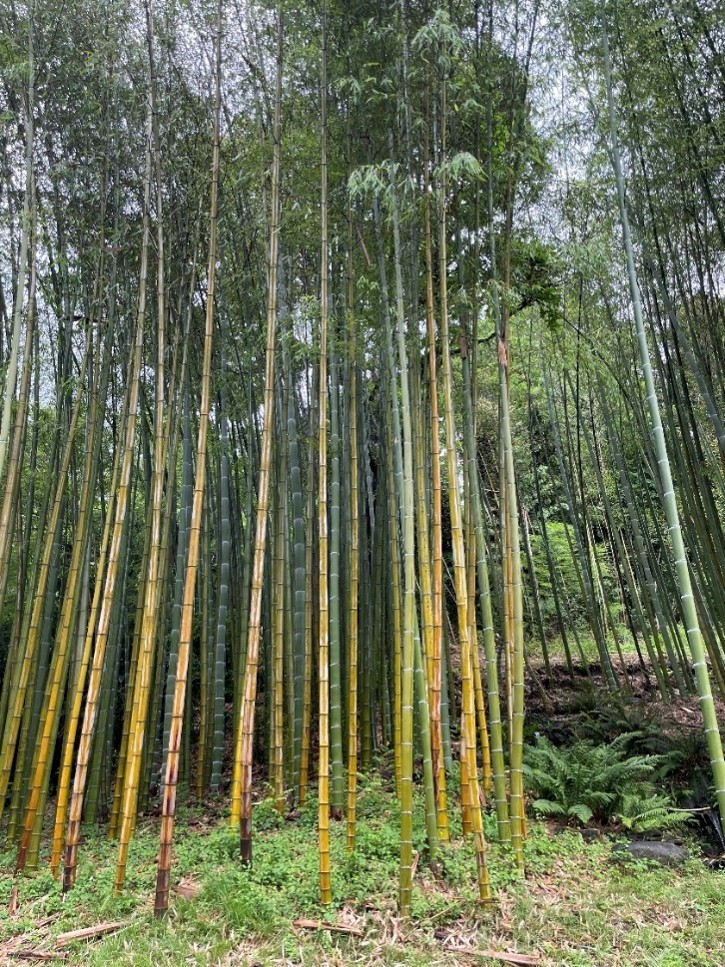
Top left bamboo at Isola Bella, top right bamboo at Isola Madre, and bottom bamboo at Villa Carlotta. Isole di Brissago also had a feature bamboo area
Pest and disease learnings
There were quite a few new pests highlighted to me on this trip that in the future may have the potential to head our way.
Earias roseifera – Azalea rough bollworm– This was one of the most prolific pests we were told about by the gardens we visited. This is perhaps in part due to the fact that a lot of them grew large numbers of azaleas and rhododendrons of which it is the shoots and buds that the larvae of this pest almost exclusively feeds on. It was first documented in Como in 2018 and is now considered an established and invasive pest in parts of mainland Europe.
Popillia japonica – Japanese beetle – This seemed to be becoming a big problem very quickly especially at Isole di Brissago where over the last four or five years their numbers have increased from below five individuals to thousands of individuals. The photo below is of one found during our visit. According to the UK’s Department for Environment, Food and Rural Affairs (Defra) it has over 300 host plants in 79 families. The larvae live and develop underground feeding on roots. Defra also says, “some areas of the UK are considered climatically suitable for establishment, although they are likely to have a two-year life cycle which will limit the numbers and impact”, so this is something we should be increasingly vigilant about.

Popillia japonica – Japanese beetle – seen at Isole di Brissago
Xylosandrus compactus – The black twig borer (Ambrosia beetle)
We were first made aware of this pest on Isole di Brissago where we were also able to see one of the pin hole entries made into the plant.
Defra says – “Damage is caused when the female adult burrows into the twigs and branches where they lay their eggs. The tunnel is inoculated with ambrosia fungus to act as a food source for developing larvae. They have a large host range of broadleaf species. The damage caused by tunnelling causes twig wilting and dieback. Tunnelling damage and introduction of bacteria causes twig flagging, wilting and dieback. Three to five generations have been recorded in Italy.’
General themes and learnings
Water – At RHS Garden Wisley we are always monitoring our water usage, especially in the summer months and even more so when it is dry and we haven’t had rain. A large part of the water we use comes from the River Wey under an abstraction license, so we have to make sure we remain within the limits of this. Isola Bella, Isola Madre and Villa Carlotta have no such restriction, they are all allowed to take as much water from the lakes as they need.
Villa Carlotta does however need to look at a system to turn the alkaline lake water acidic, currently they are putting alkaline water on a very acidic loving plant collection.
Plant sourcing – As the Formal Ornamental Team here at Wisley we look after areas that include the mixed borders, the cottage garden and the rose garden. All three of these areas use a lot of herbaceous perennials and so it was very odd to see so few used in the gardens we visited. Talking to the gardeners we met in Italy a lot of this seems to come down to availability. It seems there is a lack of herbaceous plant nurseries and garden centres selling this type of plant and so you have to go to specialist plant fairs. Francesco Blardoni the tropical botanist who we met on Thursday also believed that part of it was down to trends and a lack of demand. He believes that trends are now changing and more people want to use herbaceous plants.
The three main villas that we visited all used annuals for spring and summer colour but hardly any herbaceous perennials.


Annuals being used at Villa Carlotta (left), and at Isola Madre (right)

Annuals being used at Villa Taranto
The only exception to this rule was Jay Blue House Garden, a domestic garden surrounding the owners’ house. Located at the highest elevation of any garden we visited, this woodland garden is approximately five years old and full of trees, shrubs, herbaceous plants and bulbs offering year-round successional interest. One of the owners runs a garden design business and they regularly visit plant fairs. After seeing so few herbaceous perennials, and the style of gardening that we are used to here in England, it was very refreshing to be in a garden that felt familiar.
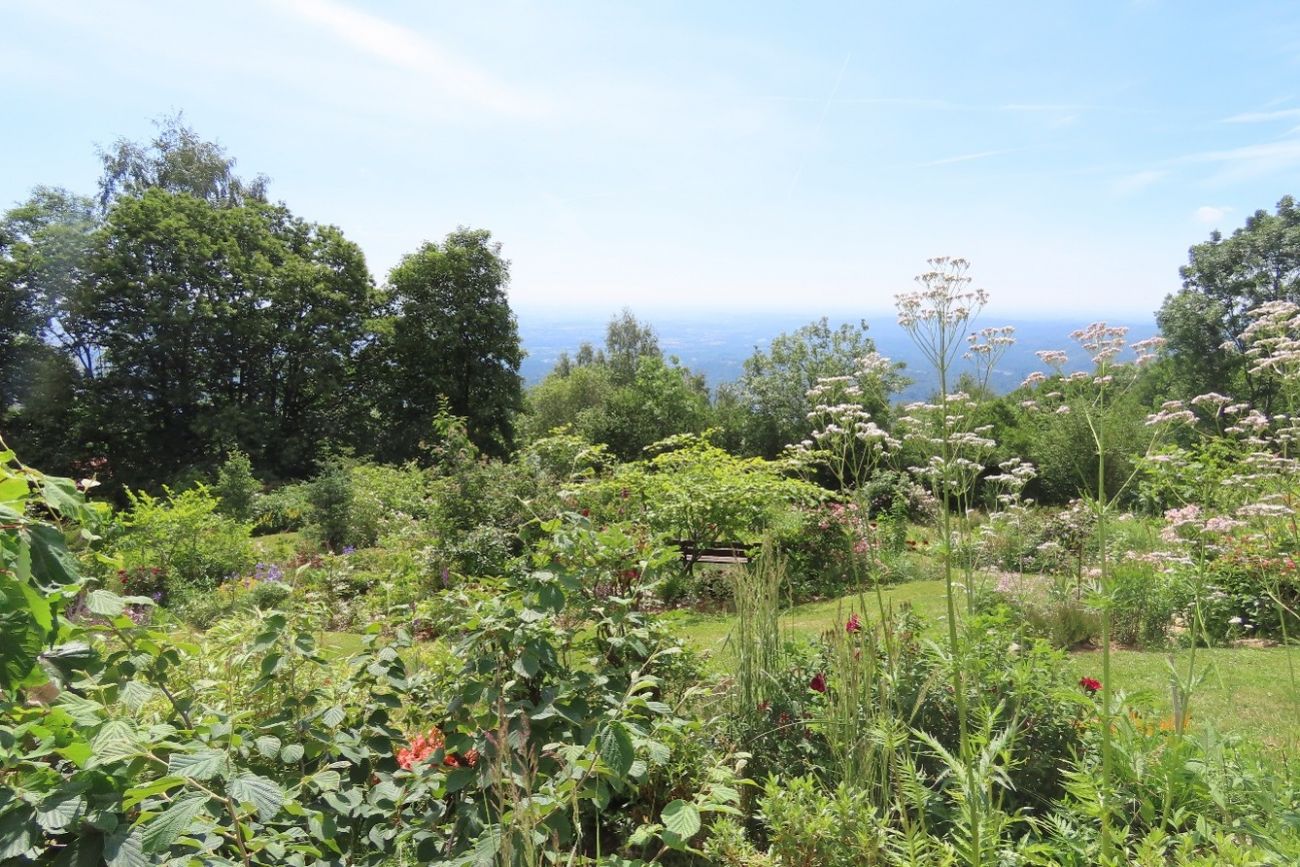
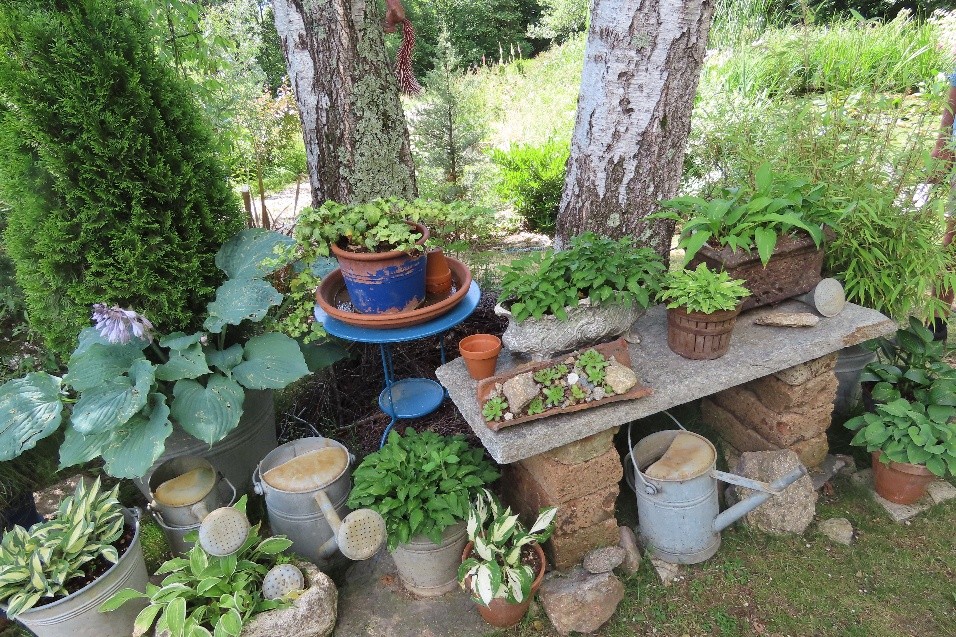

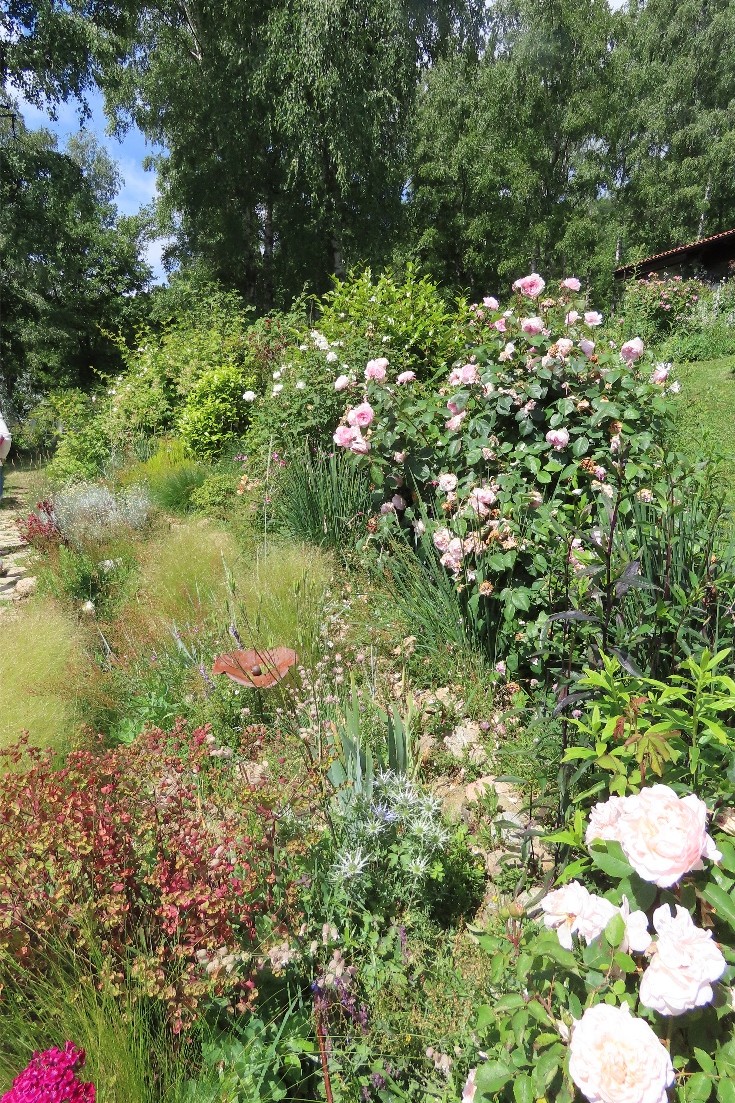
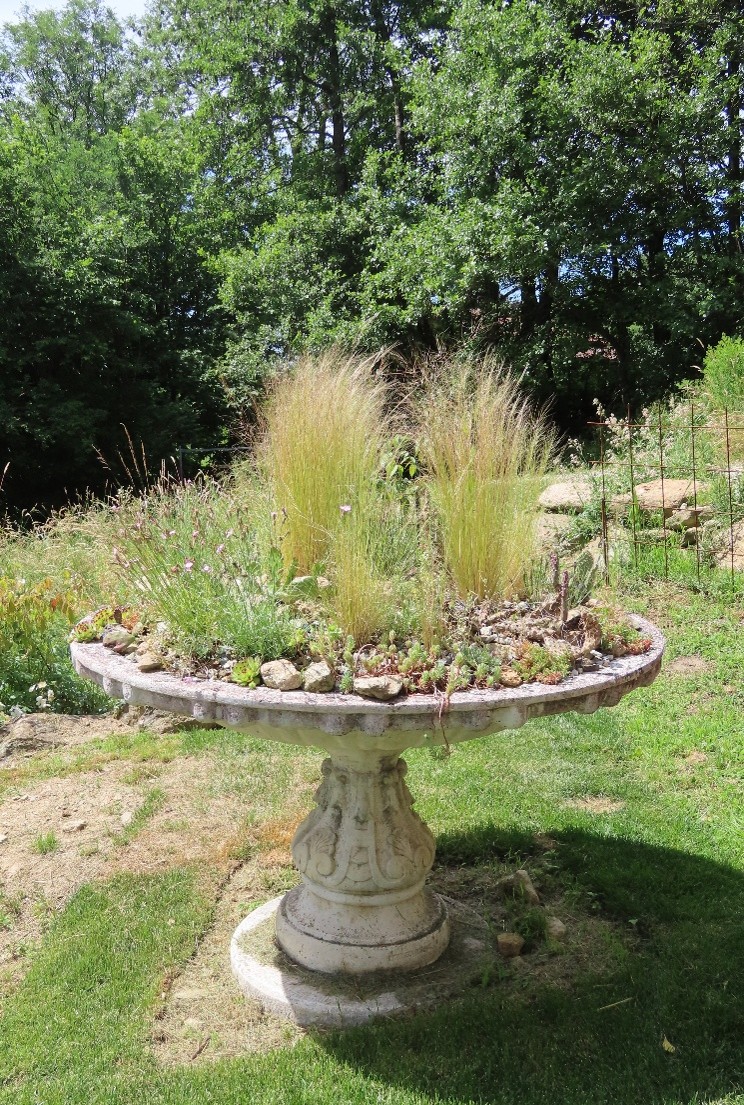
Jay Blue House Garden
Weed control – All the main villas we visited seemed to have a lack of weeds and when asked about this some of them didn’t even seem to understand what we were talking about. We did find a bit of bindweed, Northoscordum x borbonicum and a few thistles but nothing like the weed issues we encounter here at Wisley. Possible reasons for this include the garden not being worked as frequently. Since the planting is already well established and people aren’t disturbing the soil, they’re not bringing weed seeds to the surface. Additionally, since they don’t introduce many new plants as we do at Wisley, there’s no risk of bringing in weeds or seeds that way either.
Helicopter gardening – Worth mentioning just for fun, we found out that Isole di Brissago has supplies such as compost delivered via helicopter, and at Villa Anelli they had sections of a large pine tree removed by helicopter. This is not something I had come across before but, talking to our ex-colleague, it is a fairly commonplace in Italy.
Wildlife highlights
Although this bursary was primarily about the horticulture, I also saw some good wildlife spots.
Scorpion – Euscorpius italicus found in the gap under the large wooden front door to our accommodation one morning. One of our ex-colleagues who is Italian and lives near the area where we stayed said she had never seen one, so it was a lucky spot.
Lizard – Common wall lizard I believe. These were everywhere and a real novelty to watch.
Glow worm – I was very excited to see these as I have never seen one before. I only saw two, but they were amazing. Sadly, my phone couldn’t pick up the glowing very well. Spotted when doing an after dark tour of Gli Agrumi del Parco.

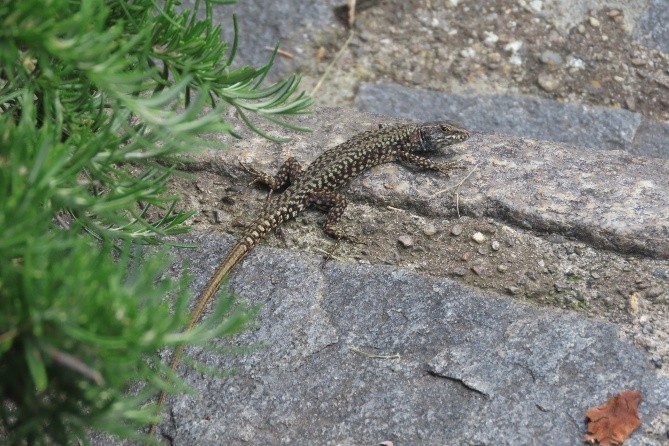
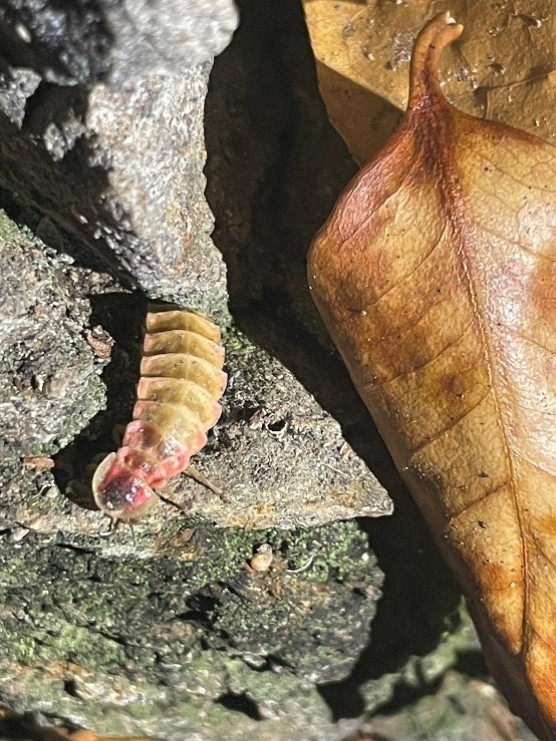
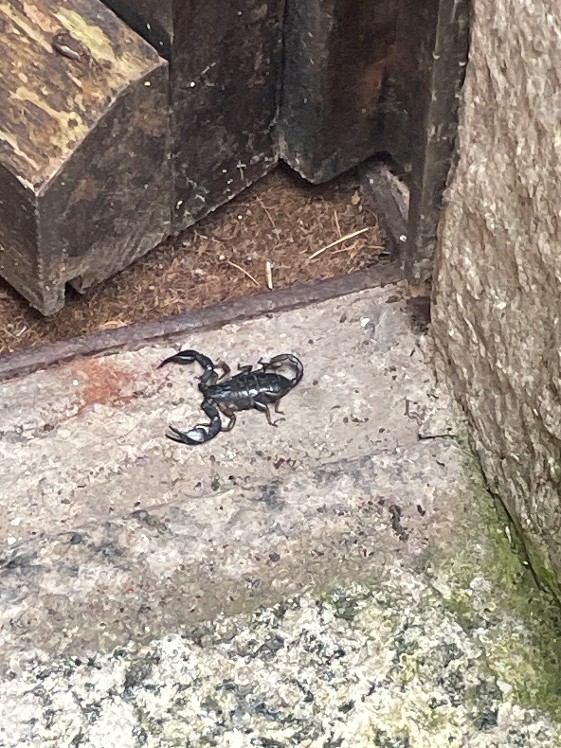
Wildlife encountered during the visits
Not wild but nine white peacocks add to the grandeur of Isola Bella, and several terrapins were seen at Villa Carlotta, and they were also present at Isole di Brissago.
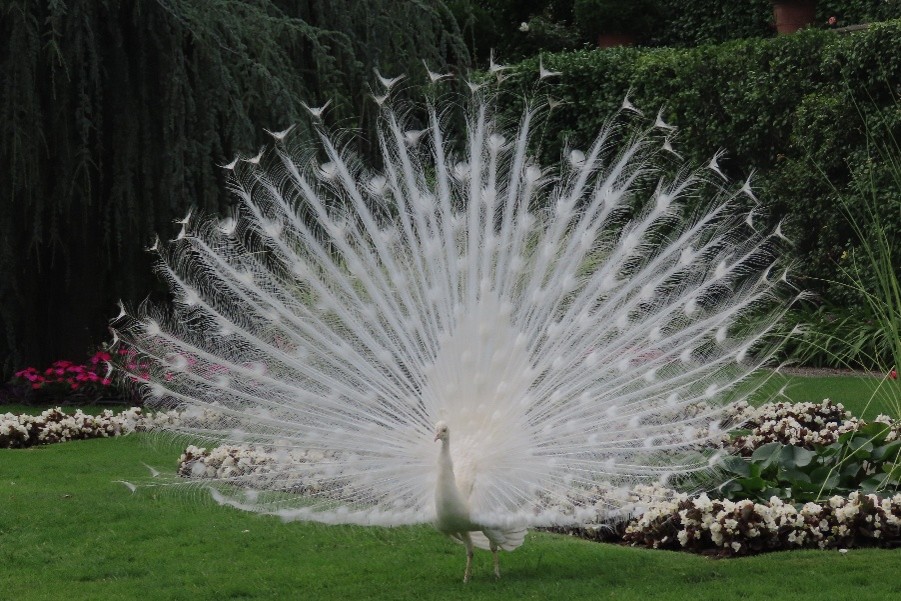
White peacock at Isola Bella
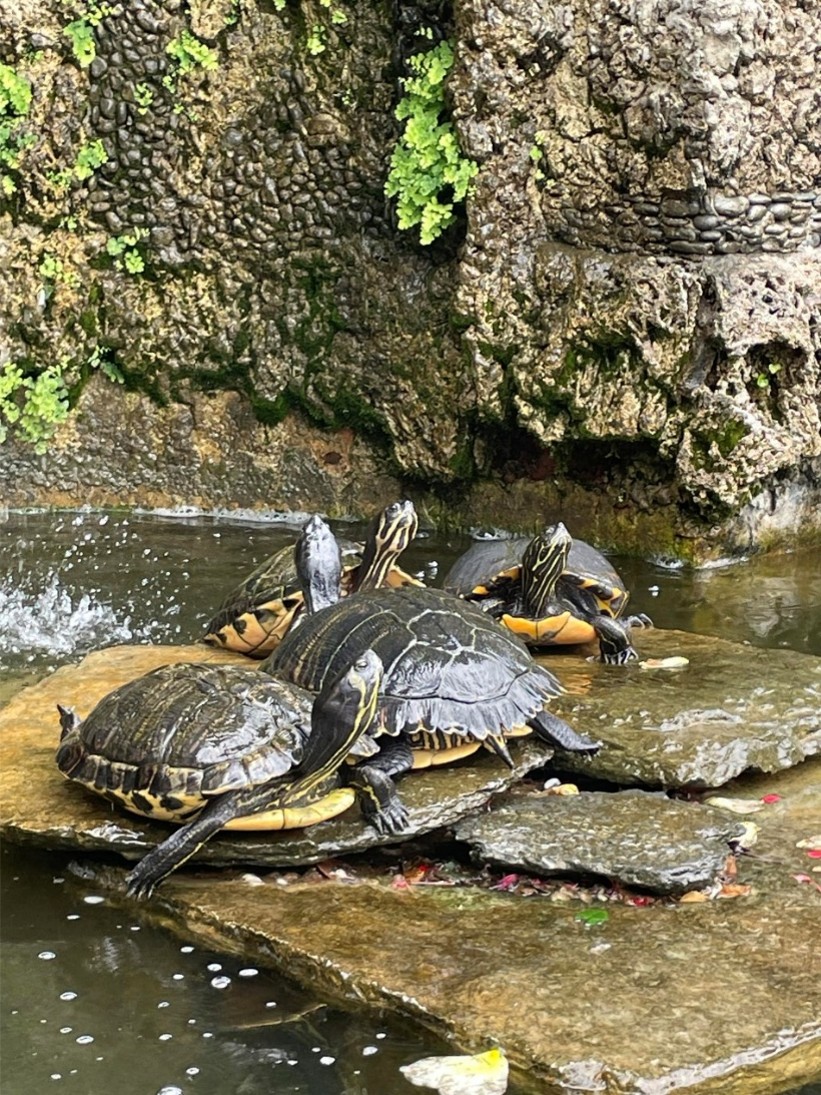
Terrapins at Villa Carlotta
I learnt so much on this bursary and would thoroughly recommend going to this area and seeing these stunning gardens.
They are very well known for their spring displays of azaleas, Rhododendron and Camellia. Of course, we weren’t aiming to see them in flower during this trip but if I was to go again, I would plan the trip around the spring flowerings.
Acknowledgements
Thank you to Mediterranean Plants and Gardens as well as the Hardy Plant Society and RHS Bursaries for making this trip possible.
To all the head gardeners and horticulturists that we met, thank you for taking the time out to make us feel welcome and to share your knowledge and experience with us.
Some information in the pests and diseases section is taken from the Defra website, it is referenced.
All photos are my own.