
Trip to Tenerife 2026
10 – 16 March 2026
Bursary Report by Emily Hazell
Acknowledgements
Thanks to Mediterranean Plants and Gardens for part-funding this trip to Tenerife 2026.
Thanks to Jen Dyer for supporting my application.
Photos remain my own and under my own copyright. I am happy to share some photos for online use, but this is subject to my own discretion and being appropriately credited.
Introduction
Mediterranean Plants and Gardens kindly provided £500 for a visit to Tenerife from 10 to 16 March 2026. I travelled on my own until Friday 13 March at which point I was joined by my sibling for a more technical hike or two in Teide National Park. My plans had to change due to Airbnb cancelling accommodation in the south at the last minute, and roadblocks on the way out of Anaga National Park. This meant I ended up staying in Anaga for two extra days.
I am the Head of Plant Collections at Chelsea Physic Garden where we cultivate Macaronesian flora, and the purpose of the trip was to observe plants in the wild across different habitats so I might improve their cultivation at Chelsea Physic Garden.
At this time of year (March) the weather can be quite variable, and I was fortunate to miss both the gales of the previous week and the snow and gales of the following week. It was almost optimal timing for the flowering season in Anaga National Park, whereas on Teide only a few Erysimum scoparium were in flower, which I had anticipated.
I mostly planned my hikes using the subscription-based offline “All Trails” app on my mobile phone, word of mouth at the Hostel in Anaga, and “Tenerife On” website. It is worth noting that to manage tourism and its impact on the different types of open space on the islands (biosphere reserves, national parks, natural parks, etc.) an increasing number of permits are required, bookable six months to two weeks in advance. I believe the free to low-fee permit system should be supported by visiting botanists. Conservation efforts are clearly focused on preserving our beloved endemic flora in its natural habitat.
Itinerary
Tuesday, 10 March
Flight arrival and car collection
Drive from south to north Tenerife
Pick up supplies and settle in hostel
Short hike in local area (1.5 hours)
Wednesday 11 March
Drive to La Ensillada forest
Hike (ca. 5miles) (cloud forest)
Drive to Charmorga
Hike to viewpoint (cloud forest)
Hike to El Dragillo (cloud forest, thermophilic then coastal succulent scrub)
Total ca. 16 miles, elevation ca. 3800 ft variation.
Return to hostel
Thursday 12 March
Drive to Taborno. No parking
Drive to hike point near Cruz del Carmen
Hike (6 miles) through cloud forest and volcanic escarpment
Drive to Taganana along coastal roads
Hike up from El Benito back up mountain in thermophilic scrub (3 miles)
Return to hostel, star gaze
Friday 13 March
Airbnb in south Tenerife cancelled on this day for rest of trip.
Roadside botany drive through Corona Forestal Natural Park
Hike in Teide National Park (4 miles)
Drive via Vilafor to Tenerife South Airport to pick up sibling and back to the north
Hike from Anaga to Taganana (5 miles, ca. 1800 ft elevation)
Dinner in Taganana (persuade local to drive us home in the dark)
Saturday 14 March
Drive to La Ensillada forest to hike to see if plants now in flower, hike 5 miles
Intended to drive to coastal walk south of La Oratova, not possible due to roadblock
Diverted to Taborno, rather than two-hour detour.
Hike around Taborno
Drive to La Oratova accommodation
Sunday 15 March
Drive to Teide National Park
Hike to Huevos del Teide rock formations
Hike to El Portillo Alto and back
Drive to accommodation
Monday 16 March
Drive to El Medano
Go for a 20-minute swim
Board flight at 13:00
Vegetation types explored
Fernández-Palacios, J.M. and de Nicolás, J.P. (Figure 1) discuss 11 ecological communities on Tenerife that vary across altitude, degree of isolation and latitude on this volcanic island. At Chelsea Physic Garden we grow plants from all these groups, but the so called “peak vegetation type” of Viola cheiranthifolia which grows on Teide National Park.
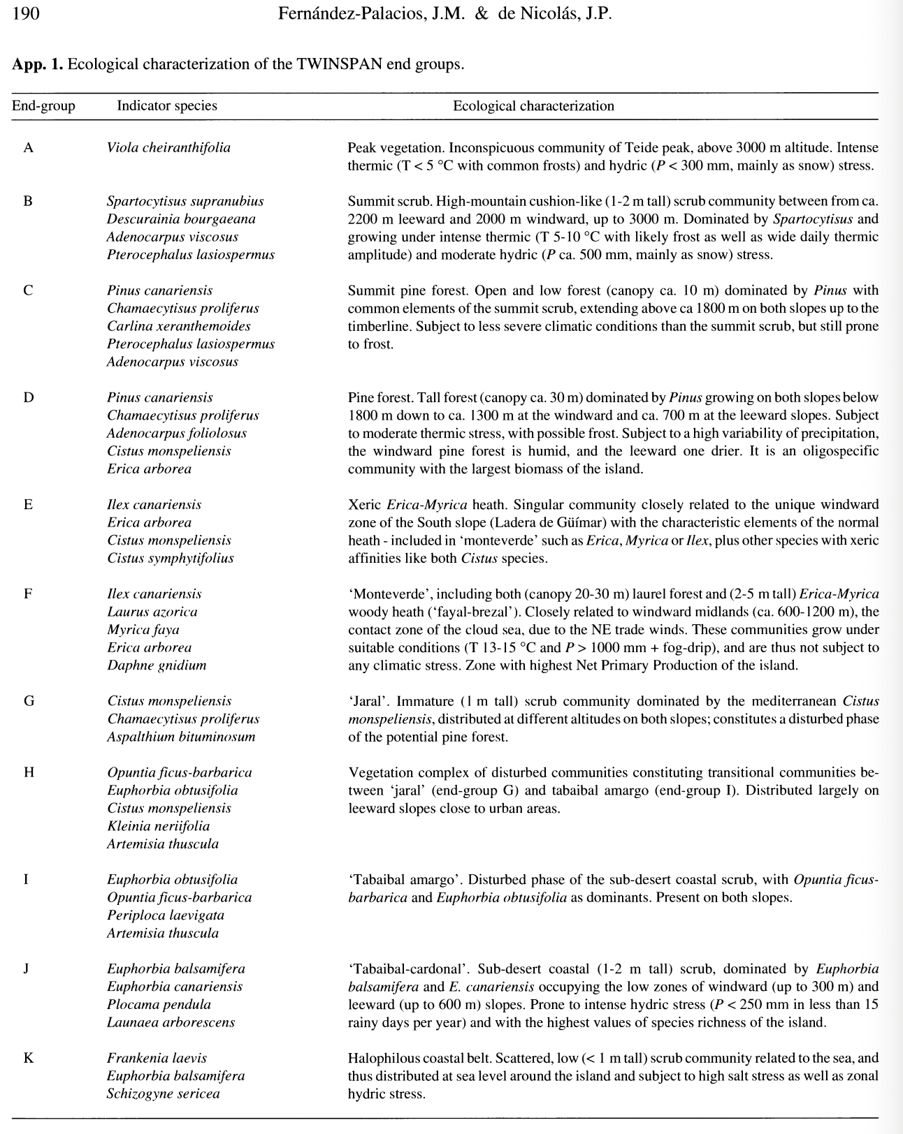
Figure 1. Proposed ecological communities in Tenerife by Fernández-Palacios and de Nicolás, 1995.
Source: Fernández-Palacios, J.M. and de Nicolás, J.P. 1995. Altitudinal pattern of vegetation variation on Tenerife. Journal of Vegetation Science, 6: 183-190.
In the community types above, the tolerance to thermal and hydric stress are noted as well as frost prevalence.
This approach to plant communities is particularly useful when considering these taxa across Chelsea Physic Garden’s diverse cultivation environments. These include heated glasshouses, a sheltered glasshouse bay, a west-facing walled border and open ground cultivation in both shaded and unshaded areas with and without winter protection. However, I will simplify these classifications down to: Teide vegetation (scrub and pine), pine forest (tall forest and El Jaral), laurisilva (Monteverde) and heath (including xeric Erica-Myrica heath as well as transition zones) to succulent scrubland (Tabaibal Amargo and Tabaibal Cardonal) and coastal vegetation.
Teide vegetation
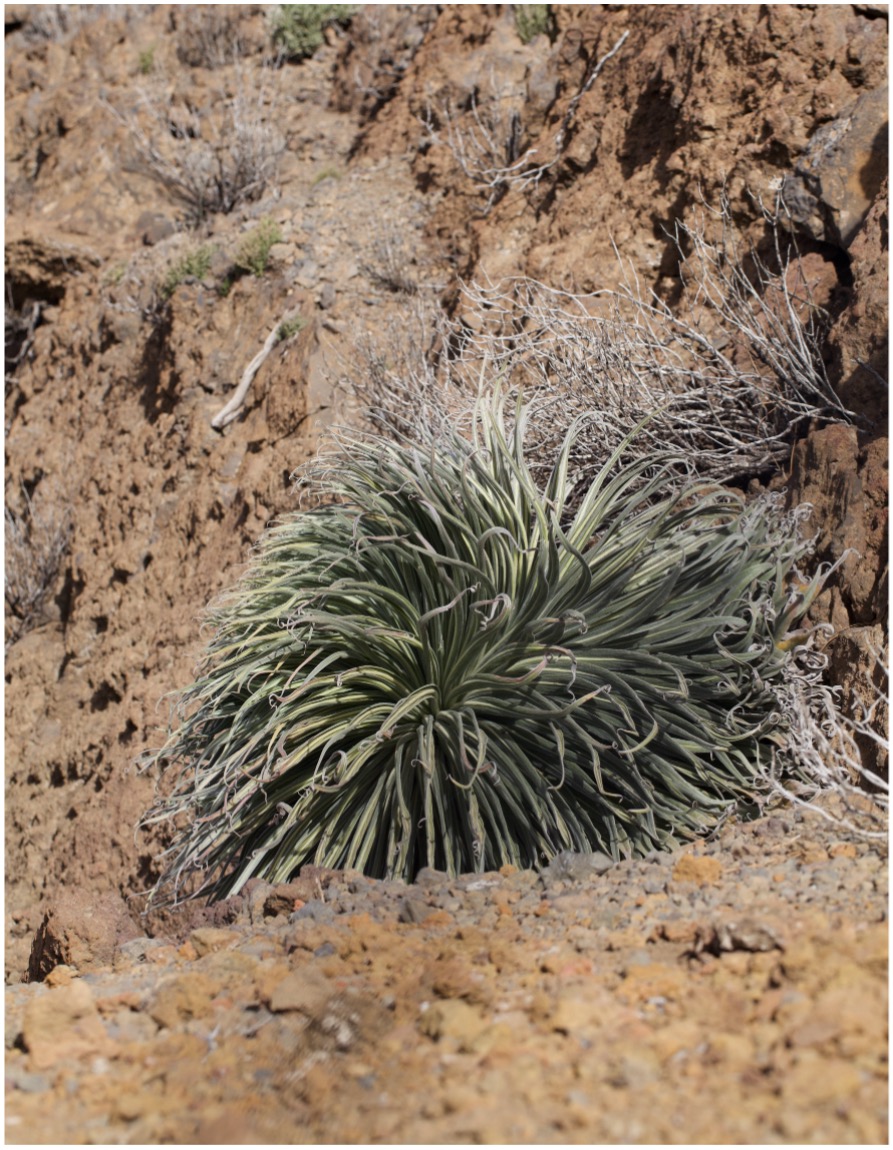
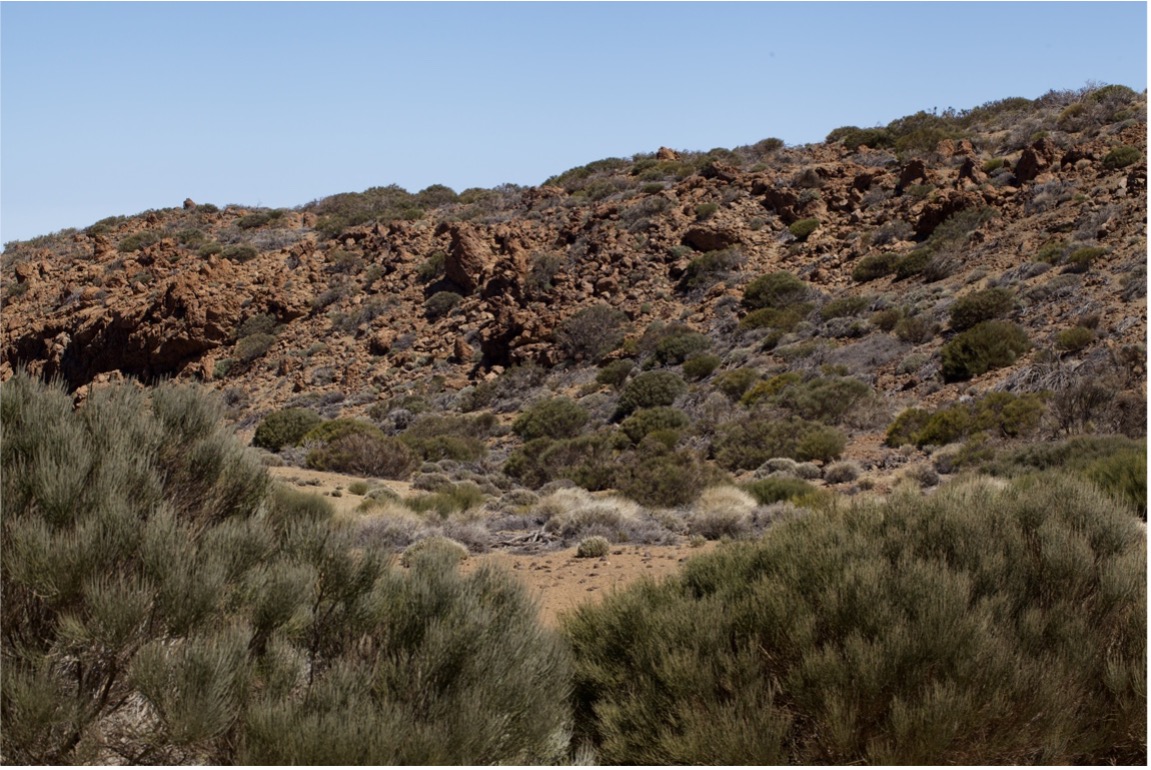
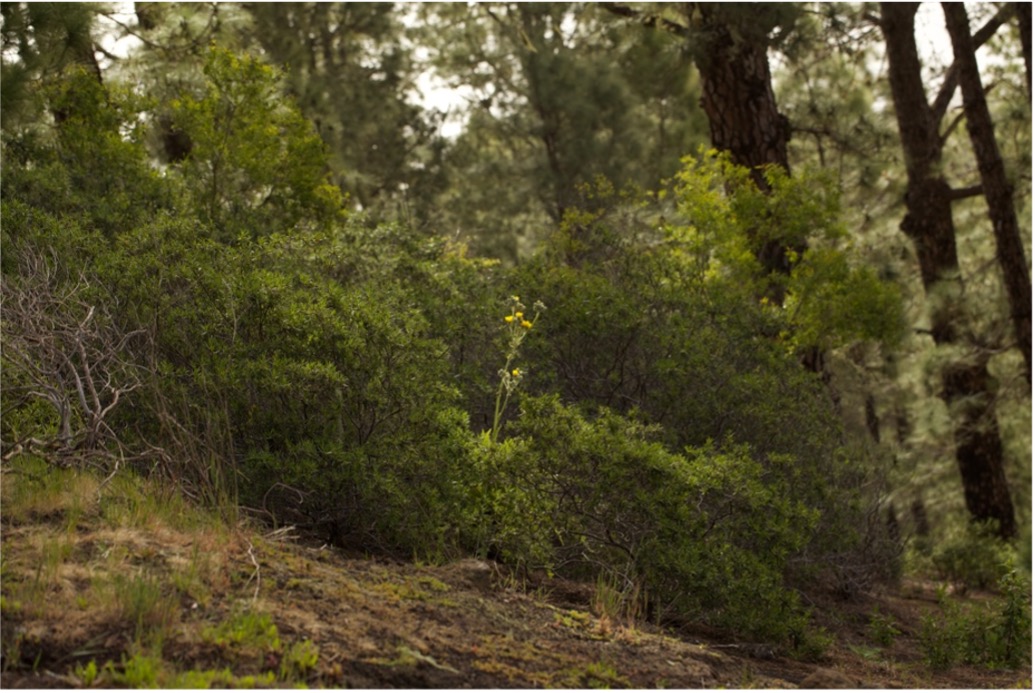
Teide vegetation explored included restored pine forest (about 60 years old) as well as scrubland growing on rock faces and around the volcano on two hikes. Most plants were not in flower at that time which made identification challenging. Iconic plants such as the Echium wildpretii were self-evident on the slopes (Picture 1). The plants here receive limited precipitation, most of it falling as snow and then melting away. Importantly for UK horticulturists, they are not often cold and wet at the same time. Solar radiation is high, and the air is thin leading to very compact shrubs with reduced, often villose or silvery leaves, as well as borderline succulence. Many Spartocytisus supranubius were observed, not yet in flower (Picture 2) and a few Erysimum scoparium (Picture 3), grown on a walled west facing border at Chelsea, were in flower on rocky, south facing cliff like faces (Picture 4).
The Pinus canariensis here were much looser in planting and looked very ratty compared to the lush pine forest of the Corona Forestal (Picture 5). Evidence of some burns were observed on the walks.
Picture 1
Picture 2
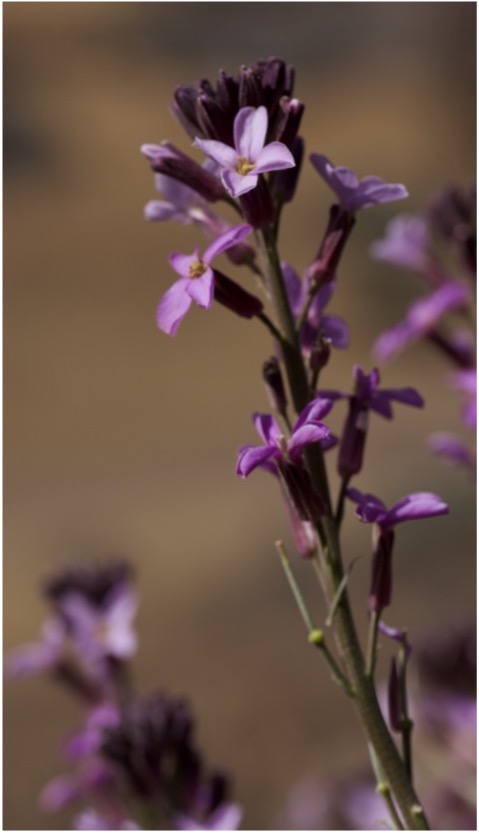
Picture 3
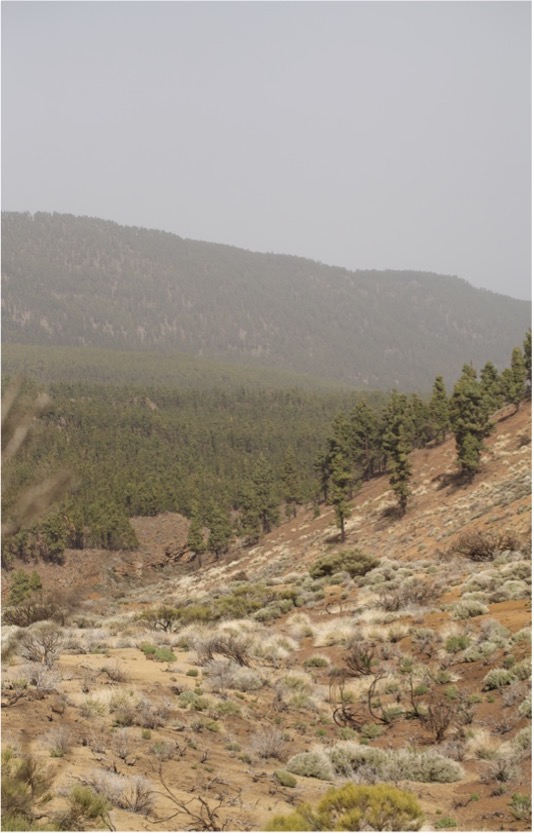
Picture 4
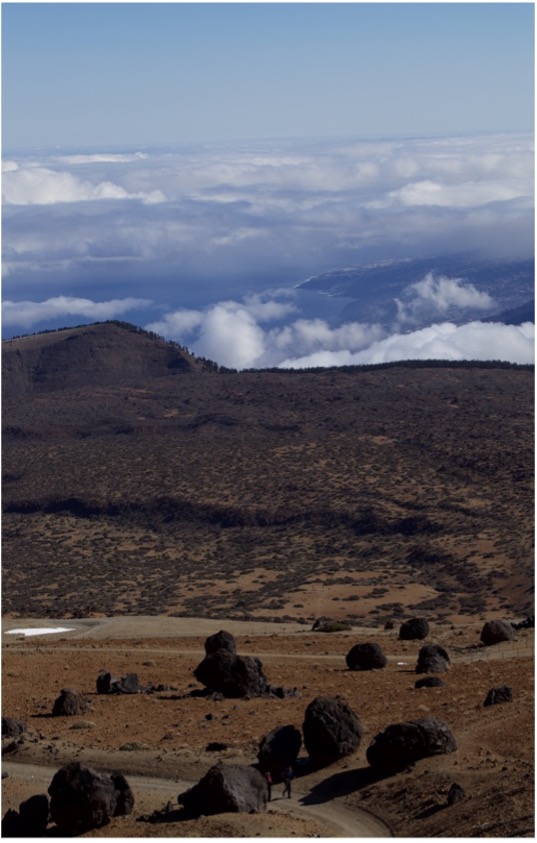
Picture 5
Pine Forest Vegetation
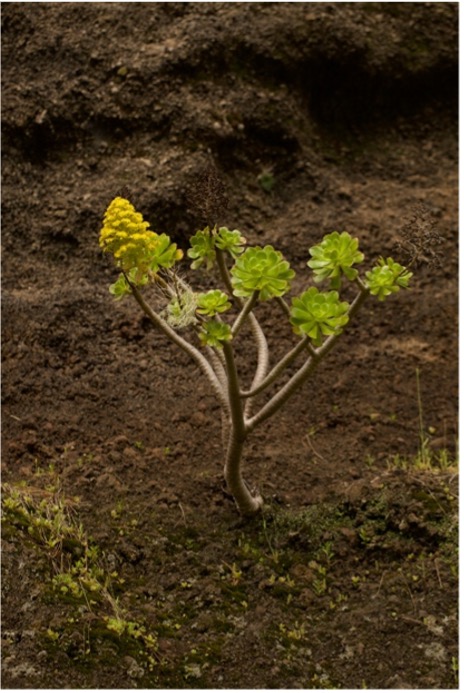
With regret, this was mainly explored through roadside botany, via a drive straight down the middle of the Corona Forestal and out the other side of Teide National Park. Nonetheless, some fantastic plants were observed, notably the change in habit of the Pinus canariensis as it pops out of the clouds and into more xeric regions of Teide National Park at higher elevations. In gorges and rock faces, Aeonium aureum and A. arboreum dripped down the sides (Pictures 6, 7 and 8). Sonchus flowered in gaps in the canopy. Plants which receive diffuse light but more all year round may be grown in full sun in the UK, such as Sonchus on our west facing border at Chelsea Physic Garden, however shading may be required around the summer solstice for some species cultivated in glasshouses. I would recommend shifting the collections in the glasshouses at Chelsea towards a mineral based aggregate, rather than the loam they are cultivated in now, having seen Aeonium growing straight out of rocks.
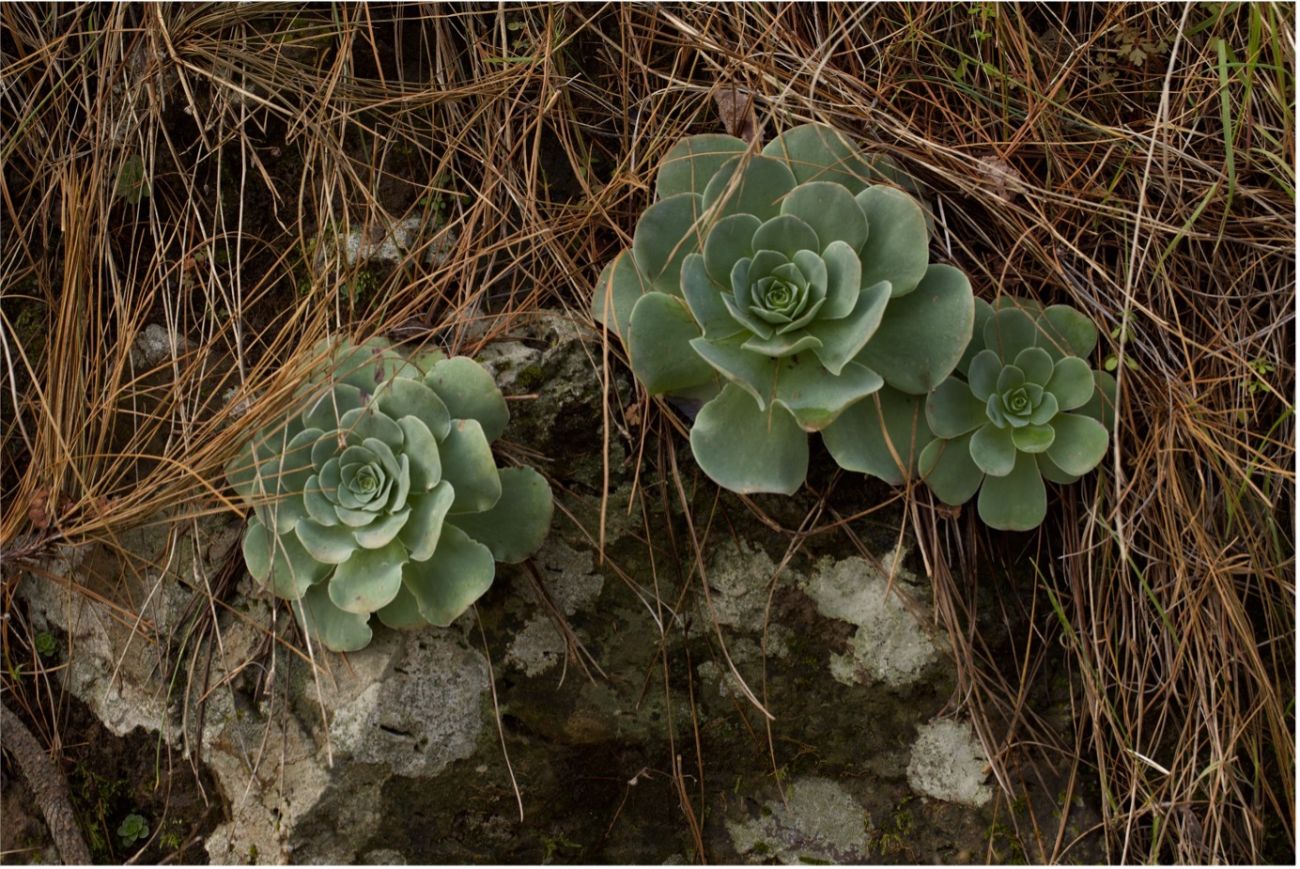
Picture 6
Picture 7
Picture 8
Laurisilva forest
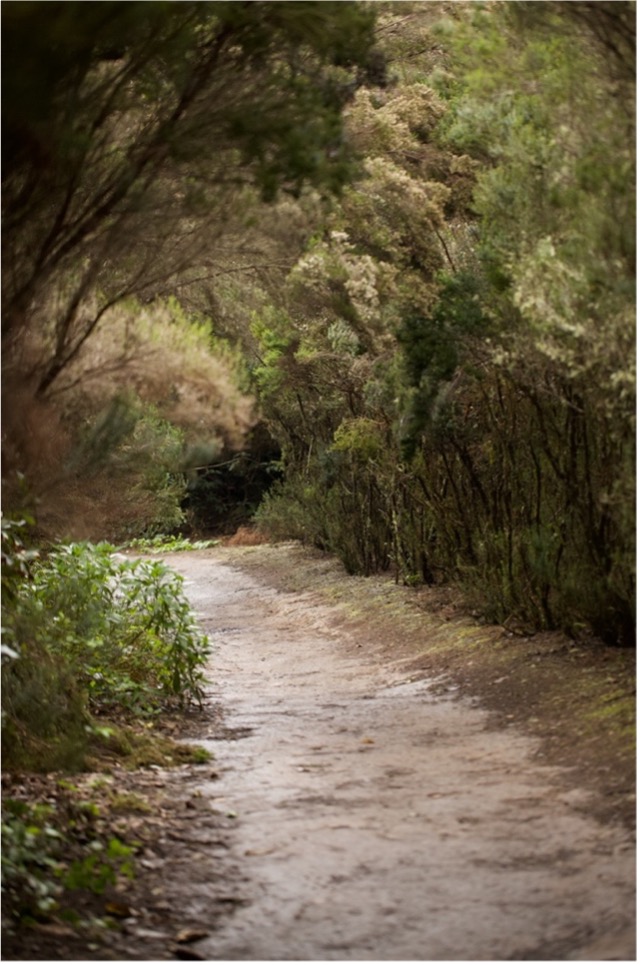
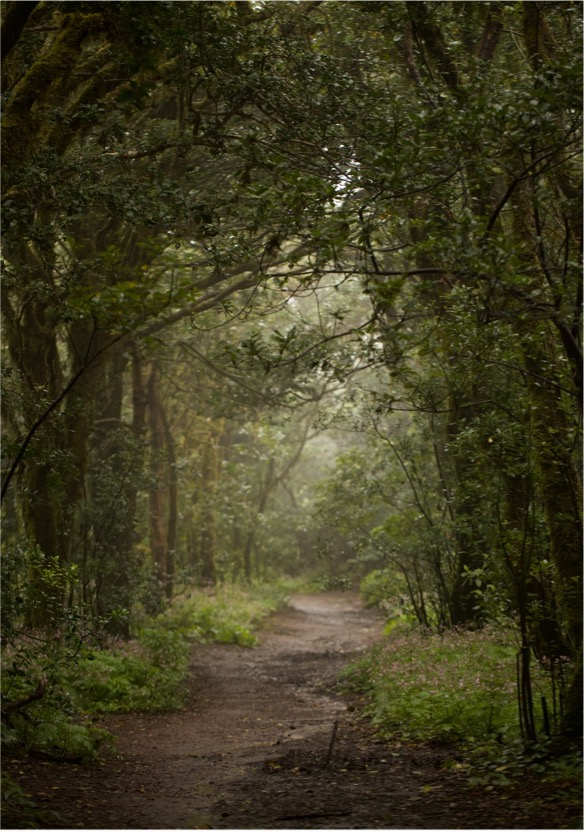
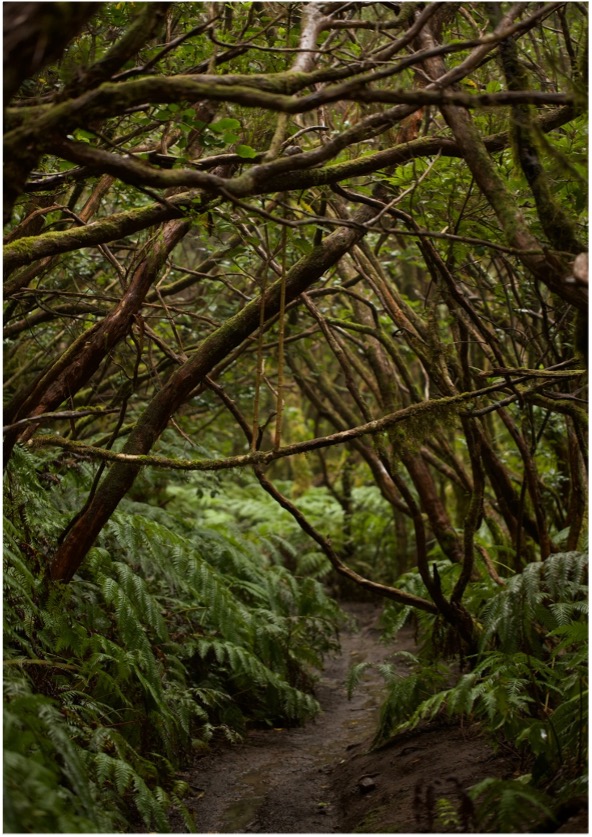
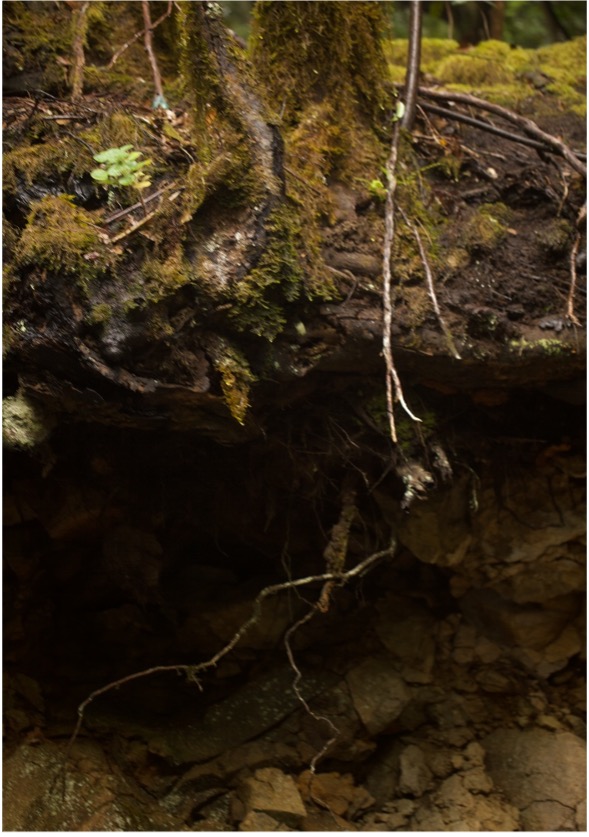
Laurisilva forest is a cloud forest that tops up its annual precipitation from rain via fog drip. In fog drip, clouds condense on layered, high surface area vegetation such as moss, lichen, root tips, leaves, flowers, filmy ferns, tree bark or tiny foliage of Erica canariensis (formerly included in E. arborea). I observed areas of laurisilva forest in the north at the Anaga Biosphere Reserve and National Park. These forests grew from tall trees around 20 to 30 metres high to smaller trees about 5 metres tall. Pictures 9, 10, 11 and 12 are taken from various places in Anaga National Park.
Picture 9
Picture 10
Picture 11
Picture 12
Canopy cover
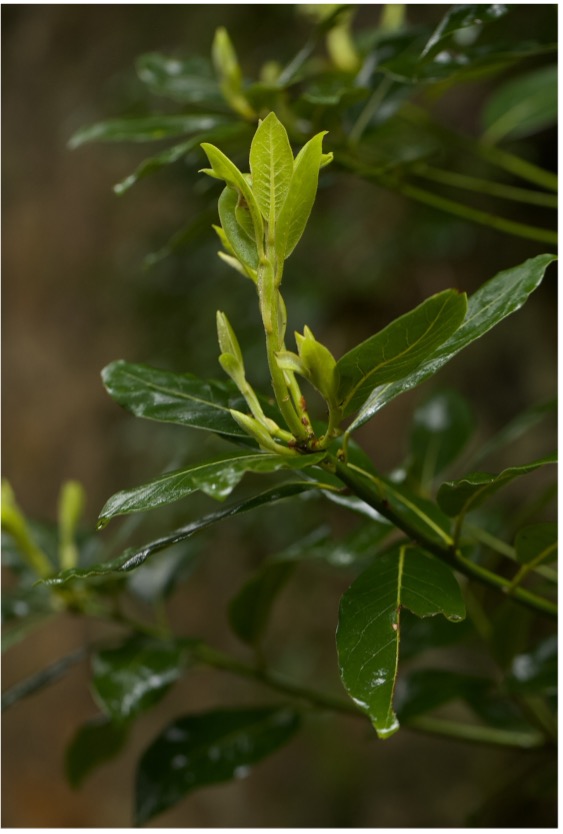
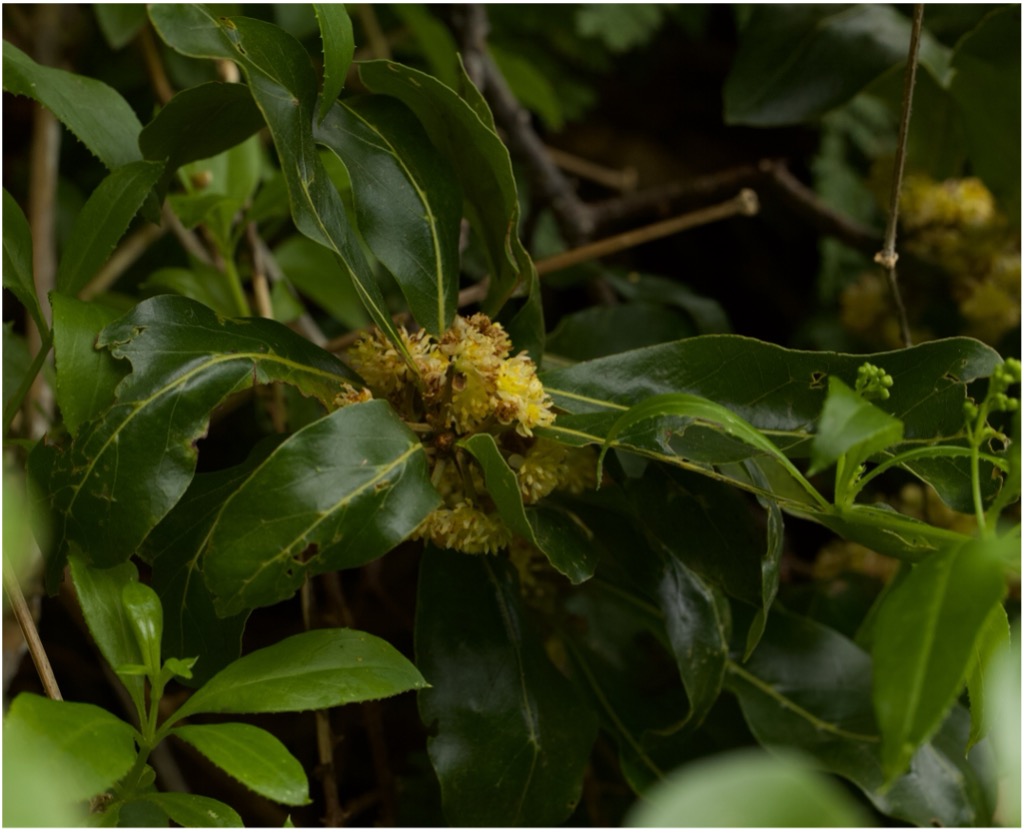
The trees or woody shrubs were characterised by Ilex, Laurus and Erica canariensis (formerly included in E. arborea), to smaller shrubs like Viburnum (Pictures 13, 14, 15 and 16).
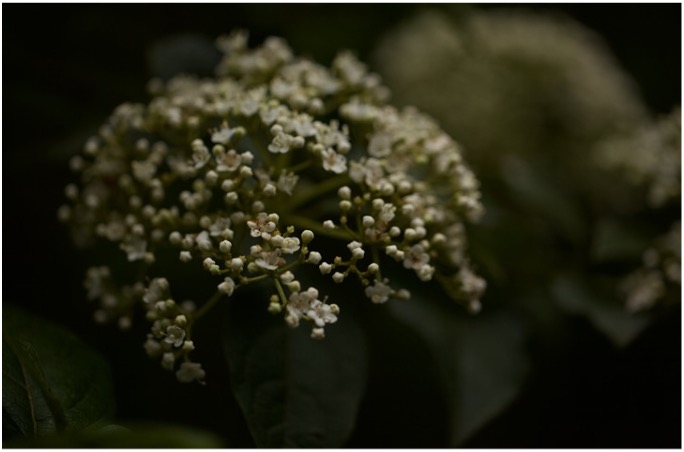
Picture 13
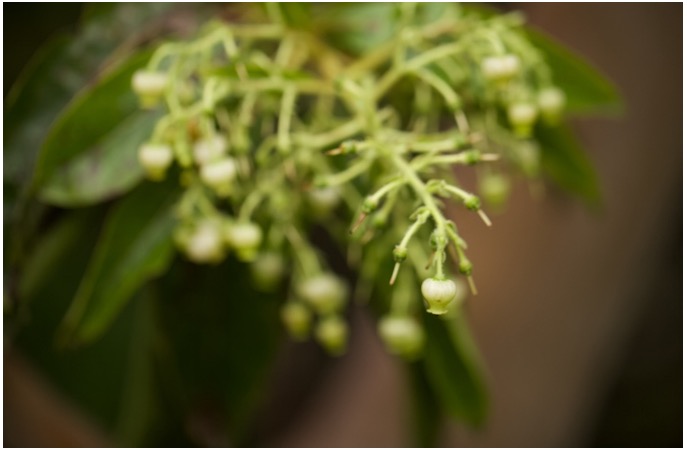
Picture 14
Picture 15
Picture 16
Scramblers and bryophytes
At branch and trunk levels, a diverse range of species, including bryophytes, climbers and scramblers like Semele androgyna and Smilax, can be found growing as epiphytes or parasites on woody plants (Picture 17 and 18). These include Canarian brambles (Rubus spp.), Canary Island ivy (Hedera canariensis), scrambling Rubia and the iconic Canary Island bellflower (Canarina canariensis) in a multitude of colours, reminiscent of an Ikea sofa (Picture 19). I was also able to see the fungus Laurobasidium lauri growing on Laurus novocanariensis in Chamorga and Cruz del Carmen (Picture 20).
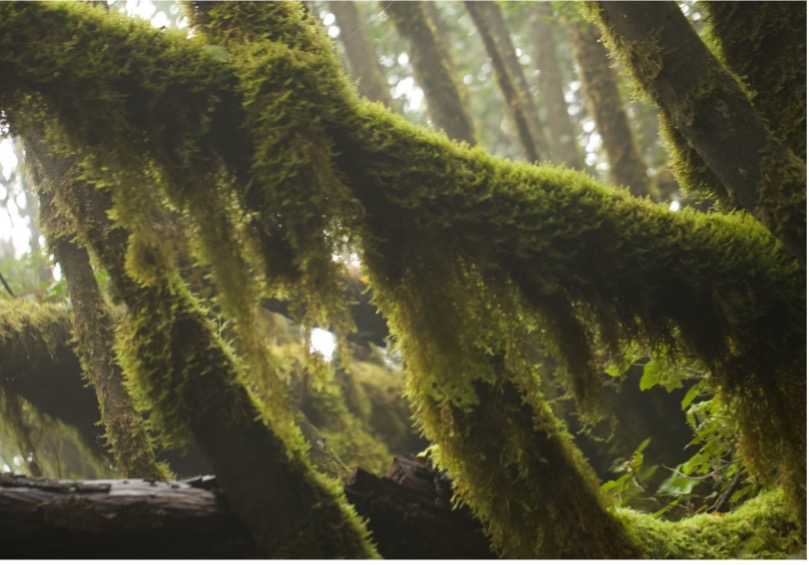
Figure 17
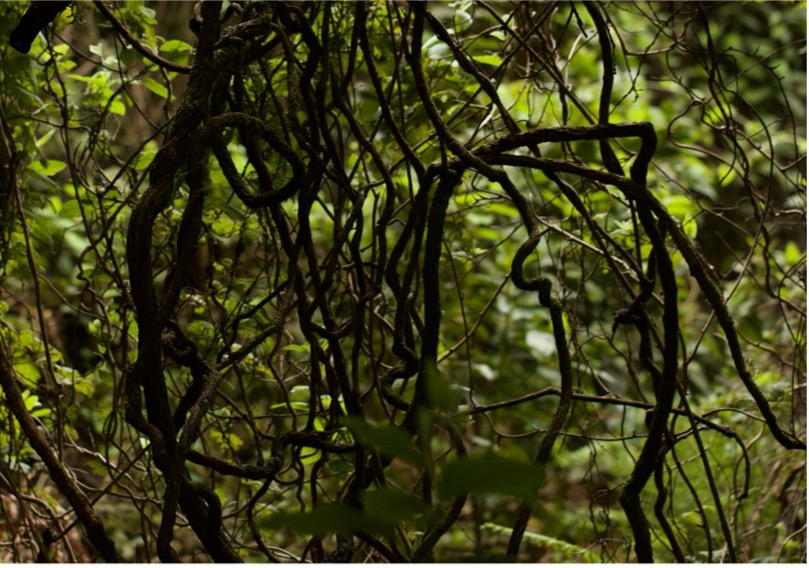
Figure 18
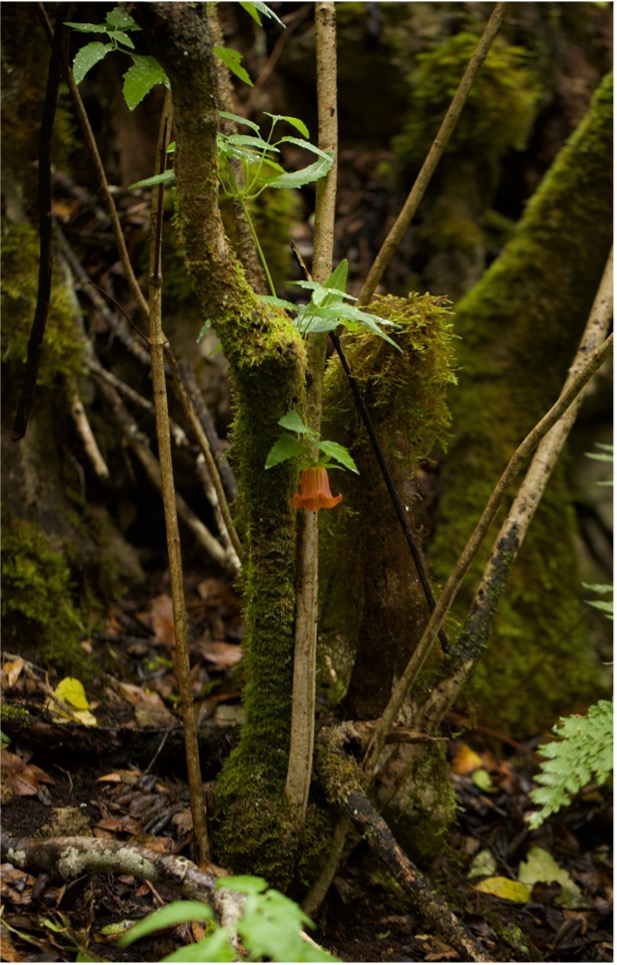
Figure 19
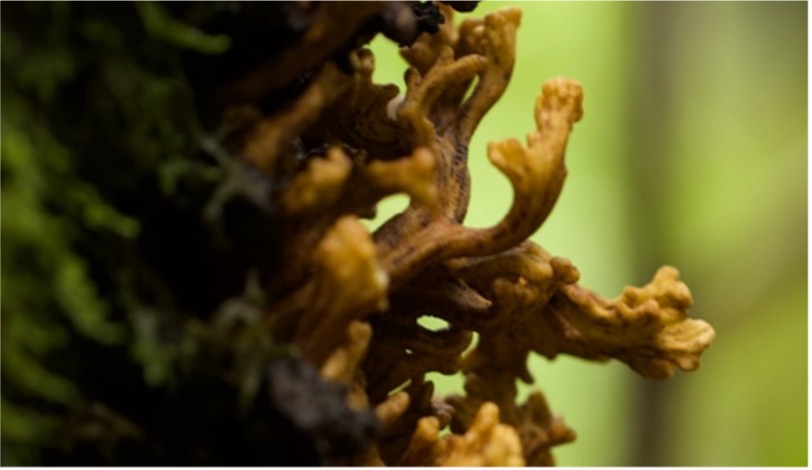
Figure 20
Understory
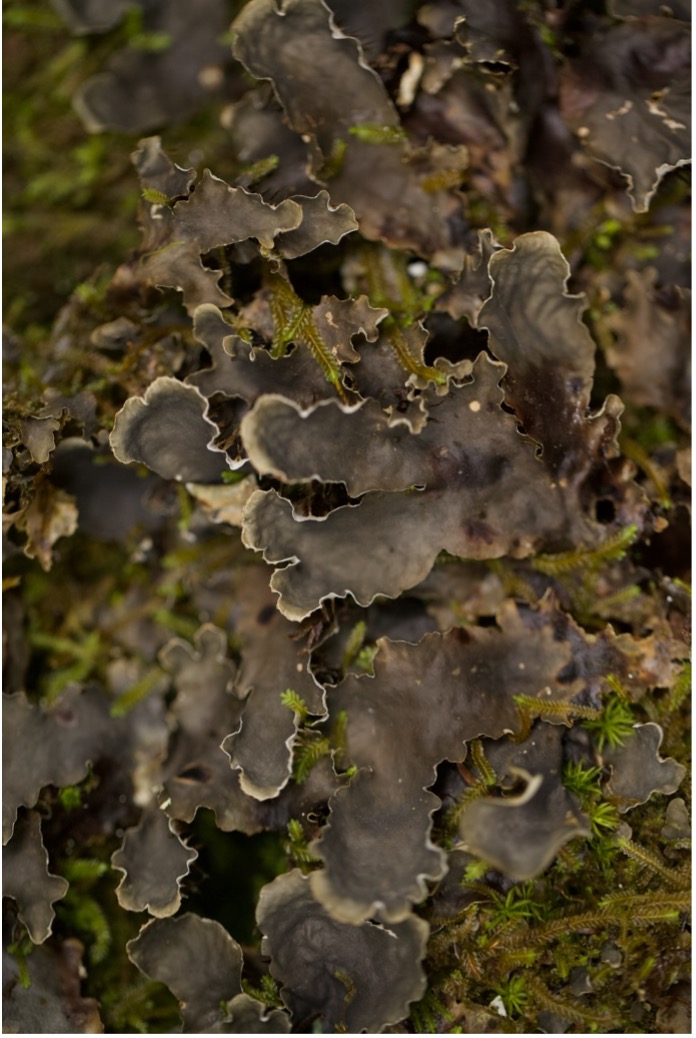
In the understory, despite the low light levels in the fog, there were many mosses, lichens, ferns and angiosperms including Woodwardia radicans (Picture 21 and 22) and there were Geranium reuteri en masse (Picture 23). Where more light peaked through the canopy Pericallis grew. Where a pathway reached eye level, Gennaria diphylla were spotted (Picture 24) growing in the moss alongside Viola spp. which was in bud (Picture 25), as were any Digitalis canariensis so I returned with my sibling to see them open.
Picture 21
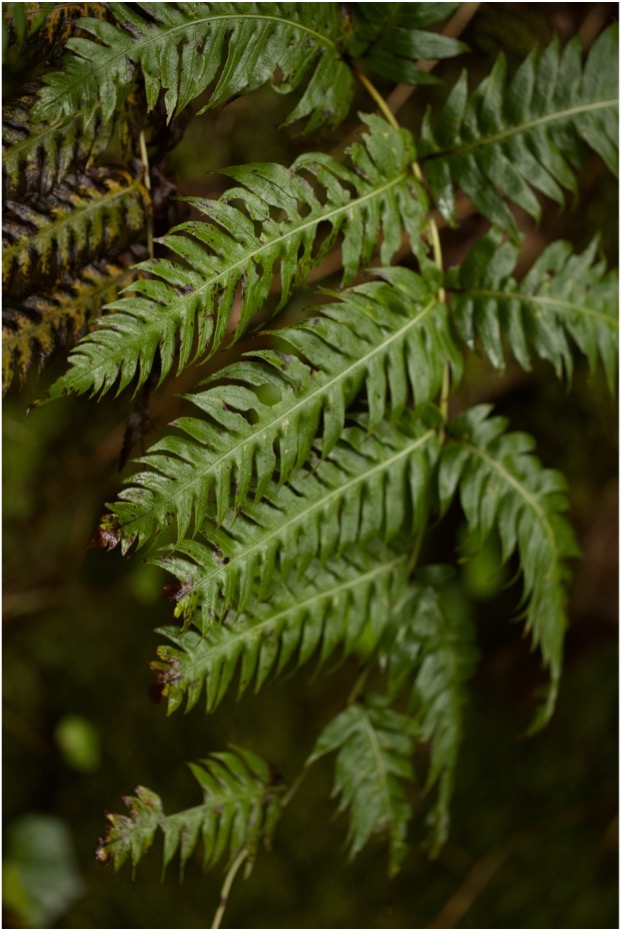
Figure 22
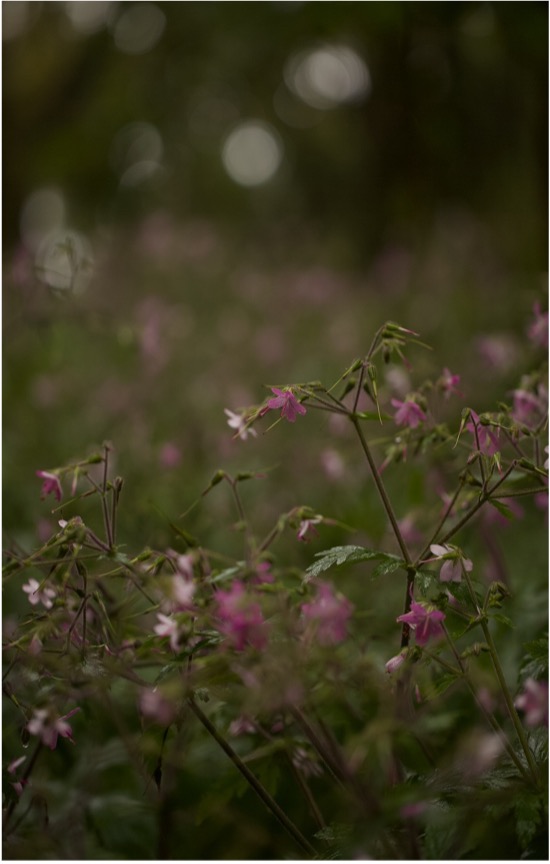
Picture 23
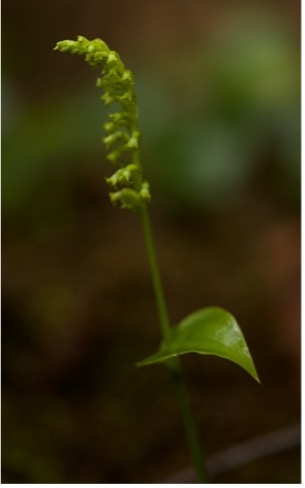
Picture 24
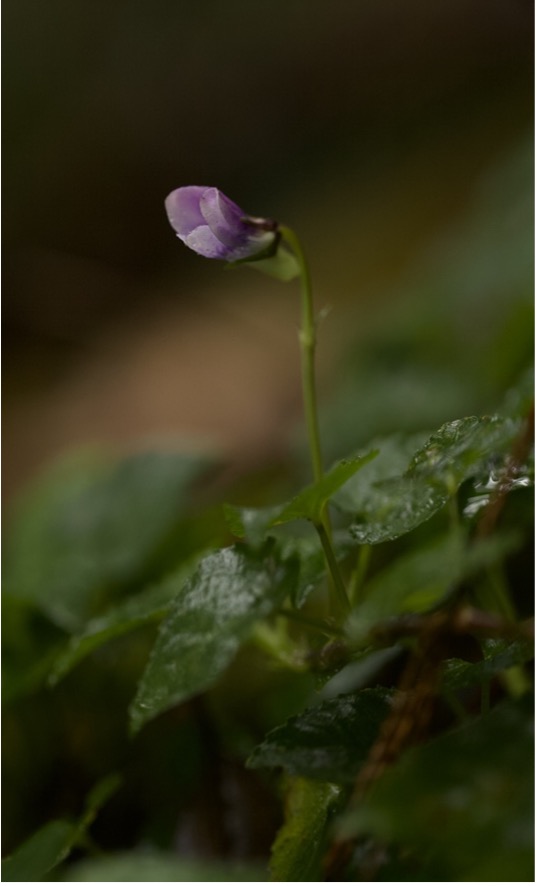
Picture 25
Rocky escarpments through laurisilva
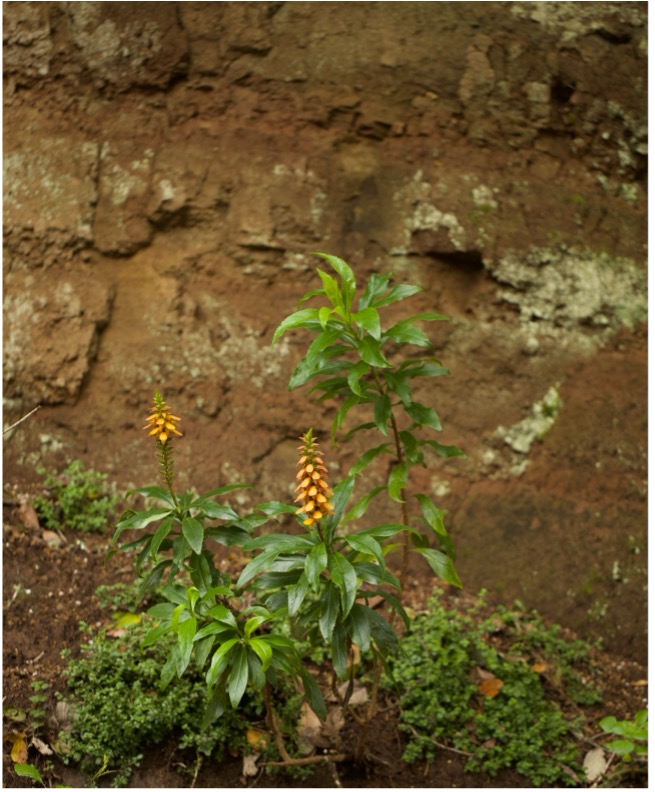
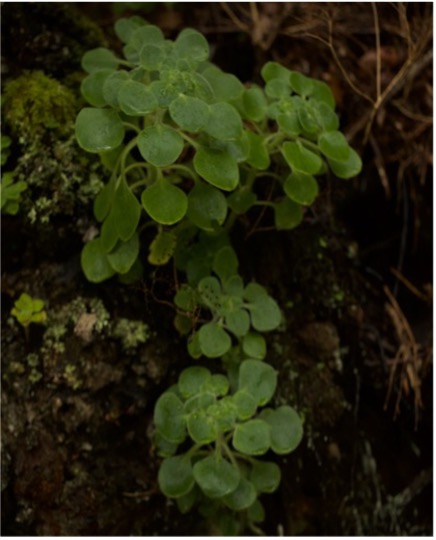
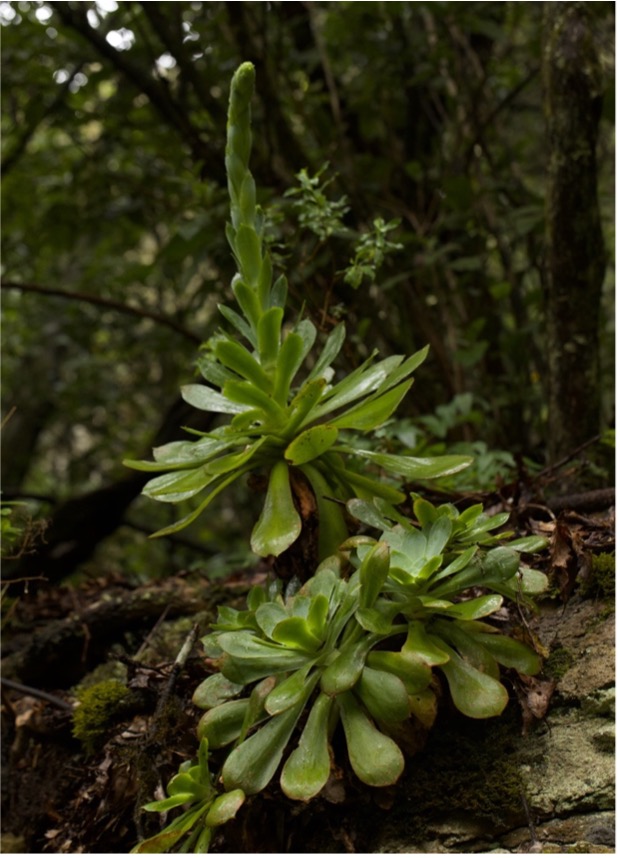
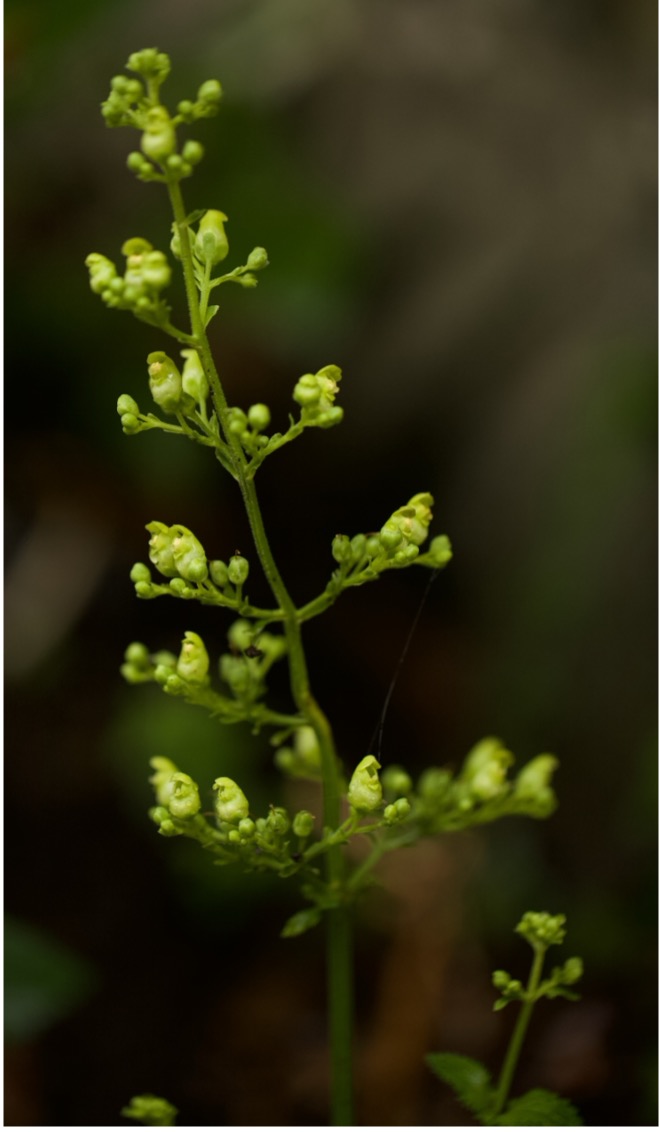
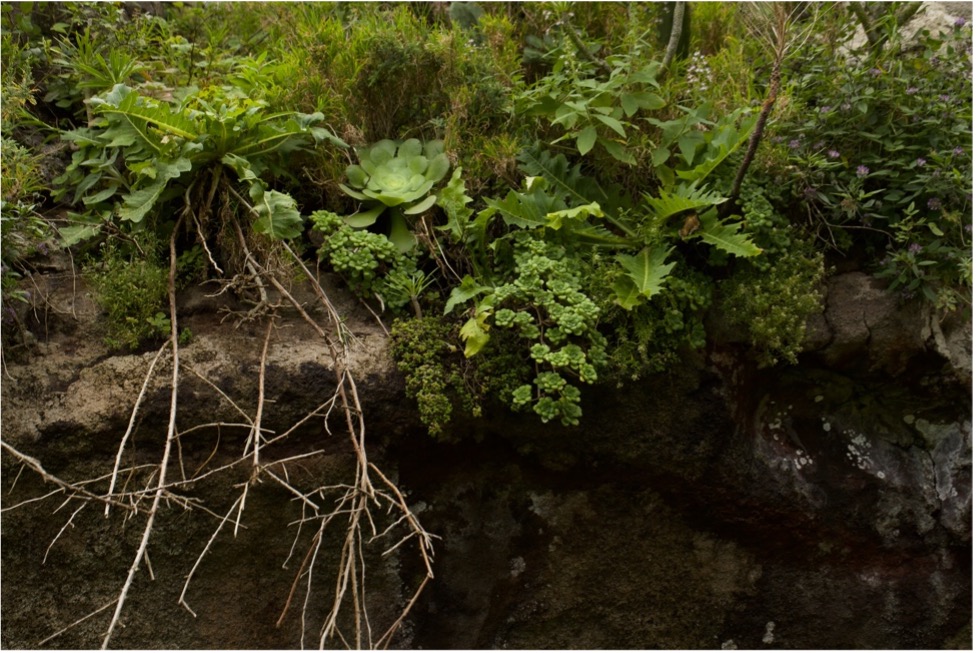
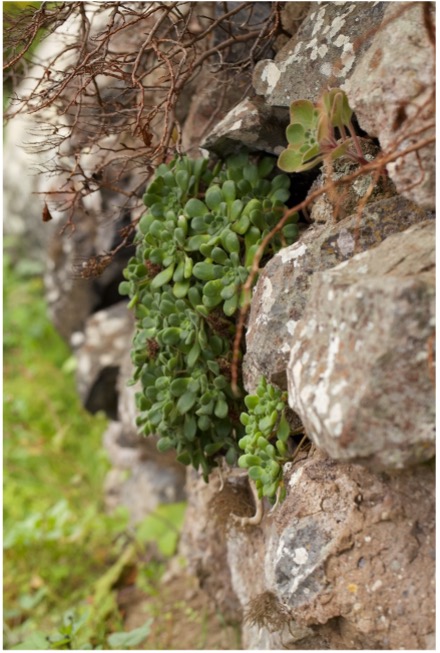
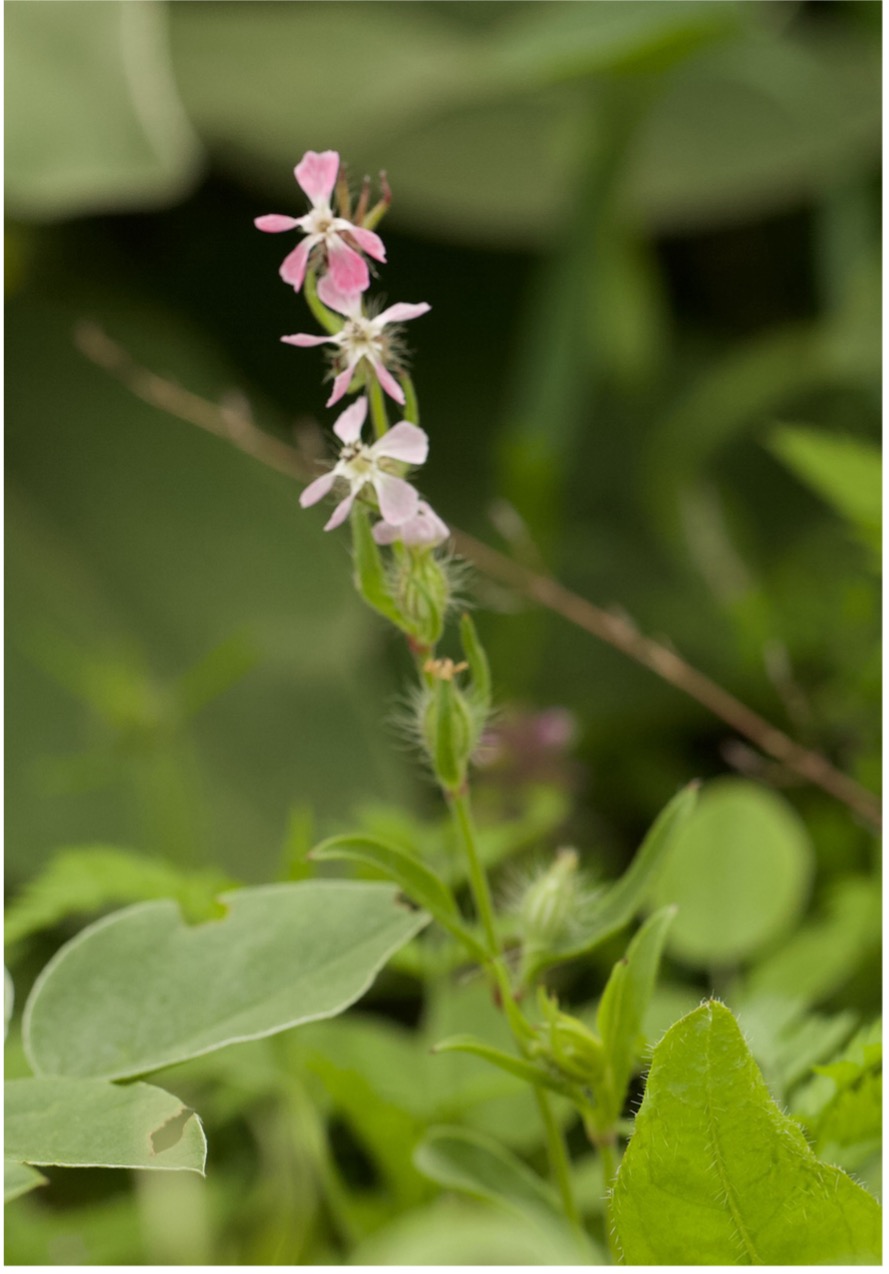
Gorges along roads in this area were speciose, often letting more light in, and plants growing directly out of the rocks did a great job of trapping fog. Aeonium cuneatum, A. arboreum and A. canariense growing straight out the side of the gorge, Aichryson laxum, Monanthes and Sedum littered the crevices. Digitalis canariensis were also ready to pop alongside Scrophularia smithii as well as more iconic Pericallis and Sonchus (Pictures 26, 27, 28 and 29).
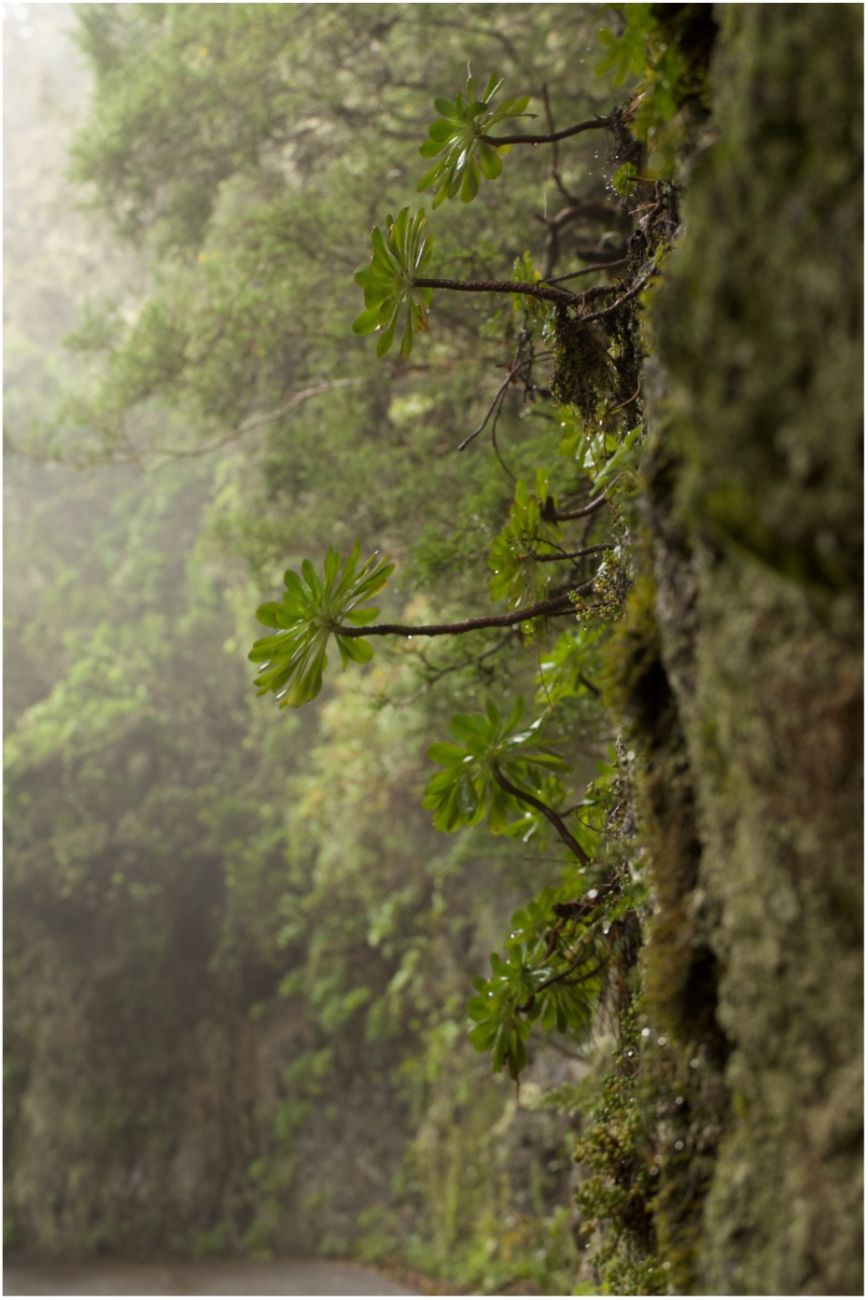
Picture 26
Picture 27
Picture 28
Picture 29
Picture 30
Heath and transitions
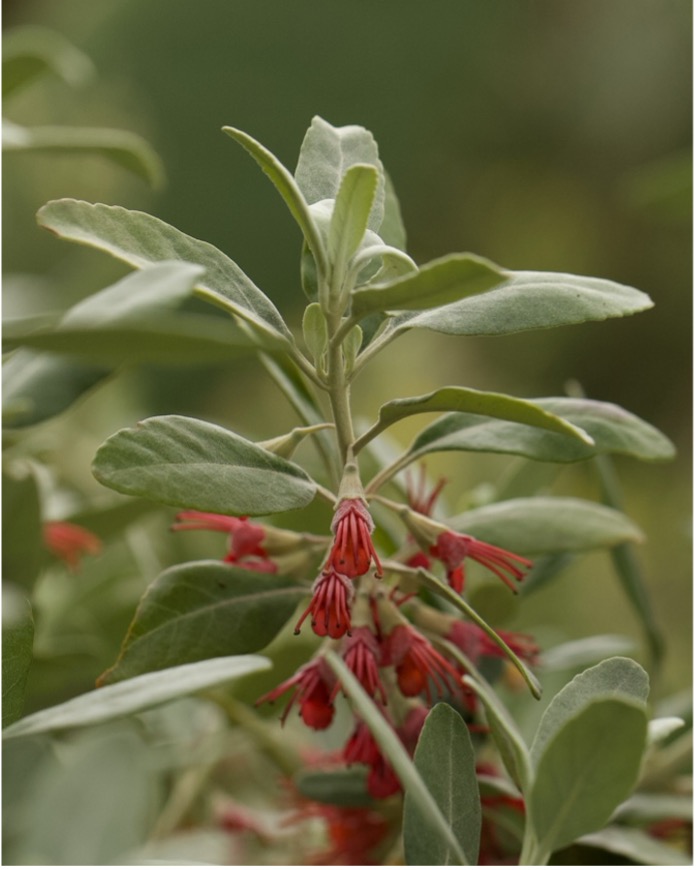
The heath and transitional areas that moved into thermophilic scrubland or into more established laurisilva had elements of each type and was often full of invasive alien species such as Oxalis pes-caprae. Key elements included Canarina canariensis, Rubia climbing, Aeonium thickets, Teucrium, Pericallis, Sonchus and smaller woody shrubs such as Erica canariensis (formerly included in E. arborea) and others. Whilst the cloud was not as thick here, certainly the plants did not suffer as much water stress as the succulent shrubland at lower elevations or out of the wetter winds (Pictures 31, 32, 33 and 34).
Picture 31
Picture 32
Picture 33
Picture 34
Thermophilic scrublands
This plant community was characterised by very rubbly topsoil and sun-baked sides of mountains that descended to the sea in a very dramatic manner (Picture 35). The shrubs formed mounds, showed some succulency and some were just coming into flower. Most plants viewed were Euphorbia balsamifera (Picture 36), Kleinia, Euphorbia canariensis on an unapproachable hilltop (Picture 37). Smaller succulents were found such as Ceropegia dichotoma (picture 38), and some bulbs observed seeking refuge at the base. Again, I would recommend some of these plants cultivated at Chelsea being moved out of loam and into mineral based media.
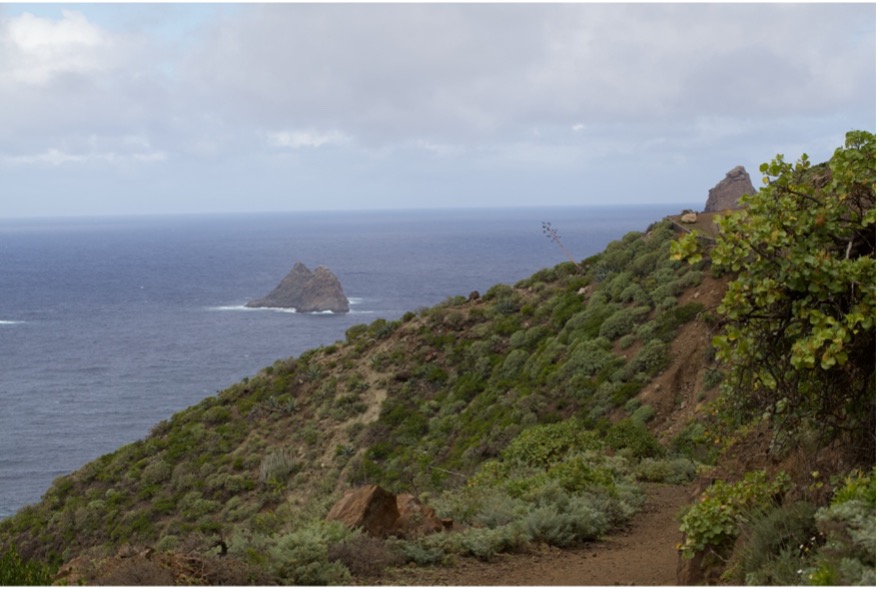
Picture 35
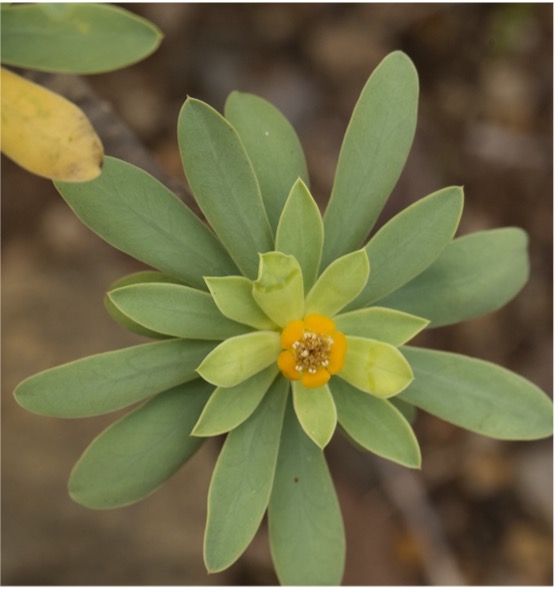
Picture 36
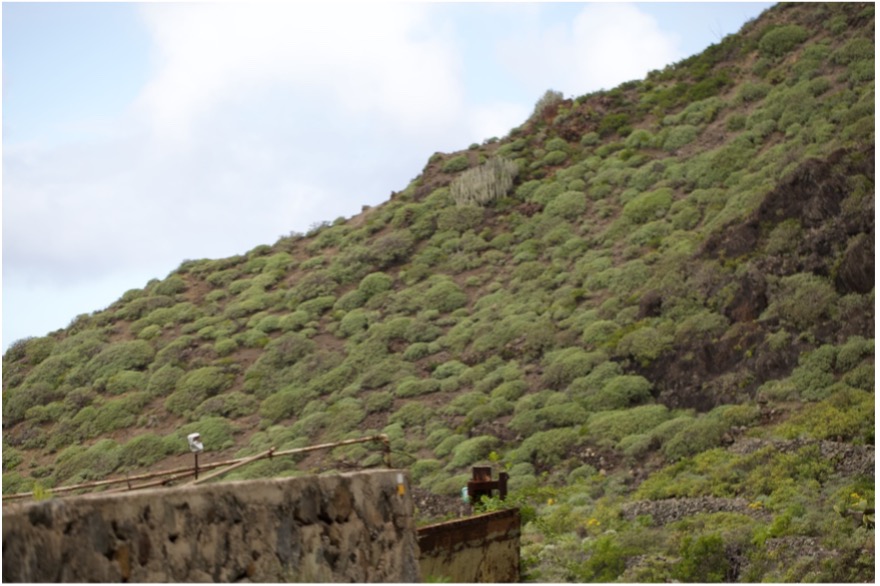
Picture 37
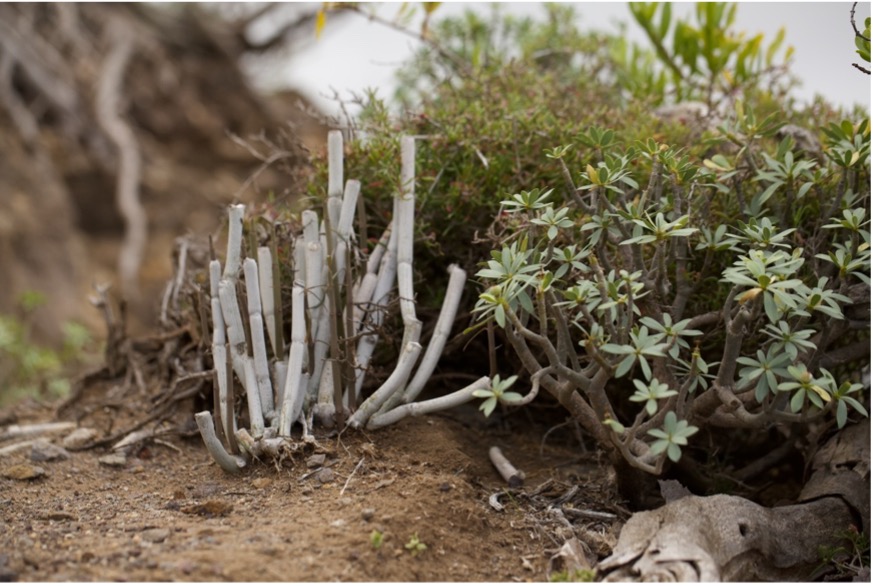
Picture 38
Coastal flora
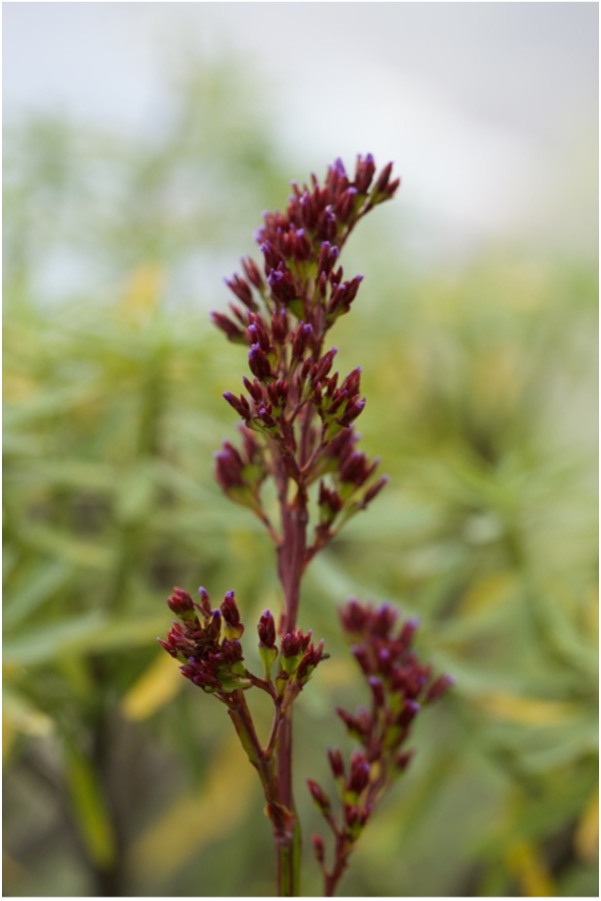
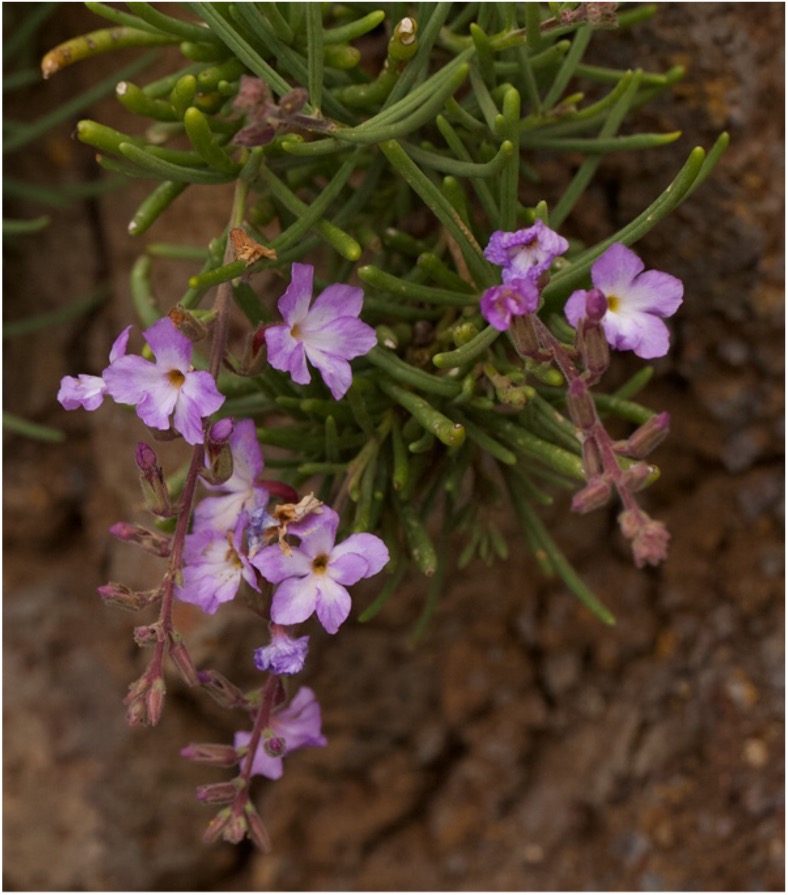
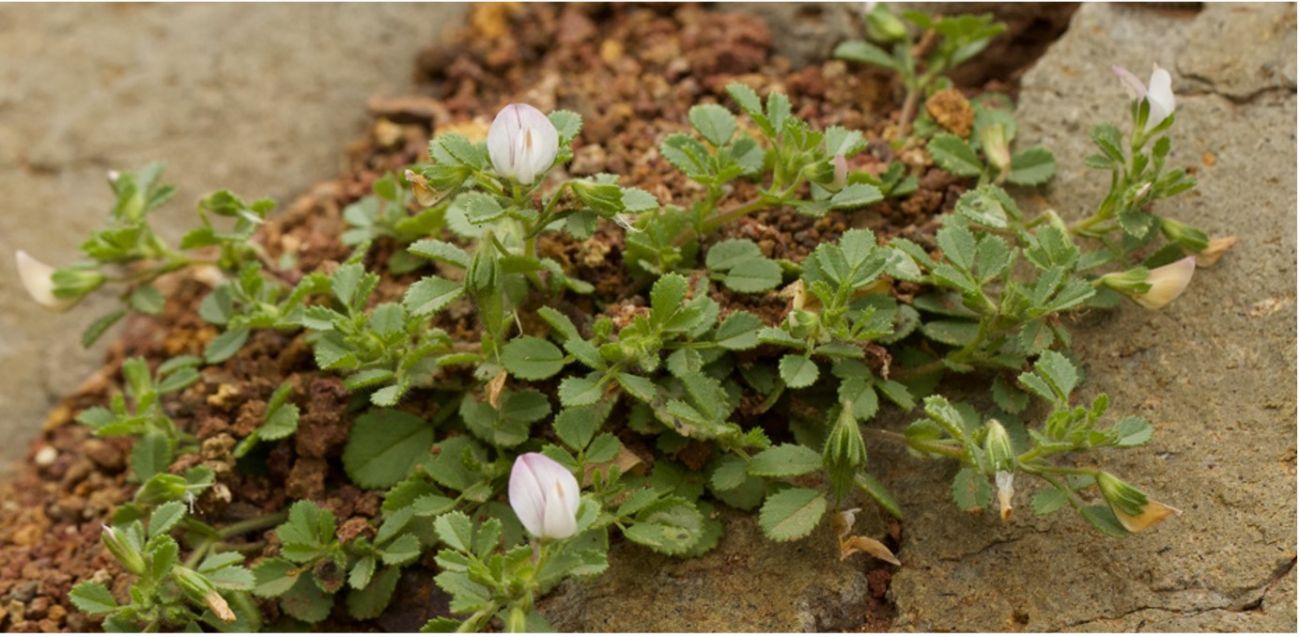
Along the coastal path that hemmed the coastal scrubland on mountain sides were areas of a transitional zone to coastal halophytes. There stood the classic, Crithmum maritimum as well as Crambe and others (Pictures 39, 40 and 41). I followed my earlier footsteps back to my car, now with much more laboured breath as I completed over 3800 ft of elevation over the course of about 10 hours hiking. Further explorations were made when a visit to El Benijo was made, transitioning up into thermophilic scrubland very quickly because the cliffs are so abrupt and dramatic near the coast, and the lashing waves prevented descent to the seashore. We do grow some of these coastal flora species under glass at Chelsea as well is in the Swan Walk border. They are likely to be the least frost hardy so continued winter protection seems pertinent, however increased humidity of air should be considered.
Picture 39
Picture 40
Picture 41
Conclusions
Recommendations for improving the cultivation of Canarian flora at Chelsea Physic Garden:
Humidity
Given the presence of pests such as thrip, whitefly and scale that typically thrive in dry air conditions, increase the misting over the collection, timing to ensure no overwatering. Consider installing a misting system for this glasshouse as most of the plants in this part of the collection will be exposed to wet air to varying degrees.
Hardiness trials
Continue to trial the hardiness of plants outside particularly in rain shadows caused by garden walls or glasshouse bays. Where plants are from wetter vegetation types, try them towards the embankment end of the garden where we know the humidity is higher.
Specific plants I’d like to try outside:
- Canarina canariensis
- Canarian laurisilva woody plants in Embankment planting, including Erica canariensis (formerly included in arborea)
- Boehmeria
- Shrubby or climbing Rubiaceae (Rubia and Galium) in the Rubiaceae beds
- Further Aeonium
Before trialling in direct sunlight, ensure that plants are hardened off to outdoor light levels and furthermore consider the time of year. Perhaps plant in May/June once risk of frost is past to allow plant to “ripen” over the summer.
Light levels
Some plants may not like the direct sunlight given to them in the UK so whilst they may receive less sunlight overall in London it will be less diffuse. This may mean that plants are less compact or grow laxer in cultivation. Try to reduce pot watering where this is the case and increase the misting level on hot sunny days in the glasshouses. Make sure to only identify plants using their inflorescences or flowers, not their vegetative growth.
Collection management
Should Chelsea Physic Garden seek to deaccession its tropical plant collection owing to heating costs, a suitable replacement could be heathy laurisilva or cloud forest. This is unlikely currently. Consider bringing in lichen, dog lichens, mosses, filmy ferns as well as various other plants into cultivation on these species or in the hardy fernery. A curation shift such as this would reduce heating bills significantly, allowing a reduction in temperature of the tropical corridor from 18 degrees Celsius to 5 degrees Celsius but create a similar atmosphere. This would also enable better interpretation of the vegetation types of Macaronesia in this garden – with cloud forest represented in the glasshouse to thermophilic scrublands in pot cultivation to other plants capable of withstanding light frost outside.
Contributing to conservation
Chelsea Physic Garden could consider linking with conservationists in country and associated nurseries and contribute to the conservation of this flora. Promoting the flora and its conservation in the collections to the public is one of the primary ways Chelsea Physic can support these efforts. However, further follow-up visits to develop networks with nurseries in the country and on other islands could help flesh out a greater conservation programme and ex situ conservation of these species within our collection. I am presently looking into a cross organisational visit with Kew colleagues to this effect which will require funding.