
Wild flora of the Greek Rhodope
Thursday 30 April – Thursday 7 May 2026
Bursary Report by Alice Riches
Acknowledgements
I received generous awards from Mediterranean Plants and Gardens (MPG) and the Royal Horticultural Society to make this study tour possible. I am grateful to Sally Petitt and Paul Aston at Cambridge University Botanic Gardens (CUBG), who encouraged and supported me when making these bursary applications.
I would also like to acknowledge and thank Andrew Mayo for organising this trip on behalf of MPG.
Our professional guide, Oron Peri, together with other tour participants, have decades of knowledge and experience of Mediterranean flora, and invaluable insight into growing conditions and associated local plant communities; I benefitted immensely from the opportunity to participate, connect with and learn from people with a shared interest.
Objectives
I am a new member of MPG and applied to join a botanical tour to widen my knowledge and experience of Mediterranean-climate plants. Although I have worked as a horticulturist professionally for many years now, I have not gained much experience or insight into Mediterranean plant collections until recently, when I was asked to help look after the Mediterranean garden at CUBG.
The opportunity to study the flora of this beautiful region of northern Greece would, I hoped, be invaluable in helping me to better understand and manage part of the garden landscape in Cambridge designed to be evocative of the Mediterranean region, as well as a source of inspiration and delight.
Overview of itinerary
Our trip began in Thessaloniki, the capital of the geographic region of Macedonia and Greece’s second largest city. Much of the time was then spent time in the Greek Rhodope mountains, first near Drama and then in the area around Mount Phalakron. Excursions to Komnina, including visits to the Haidou Forest and the Nestos Gorge, were also undertaken.
30 April – Arrival in Thessaloniki; optional tour of the historic city sights, tour briefing
1 May – Lake Kerkini; east to Volakas in the Rhodope National Park
2 May – Nestos River, Simida Forest close to Bulgaria, River Despatis
3 May – Excursion to Mt Phalakron (2232m), Micropolis
4 May – South to Mt Pangeon (1956m); Stavroupoli National Park
5 May – Haidou Forest
6 May – Nestos Gorge
7 May – Departure from Thessaloniki
Rhodope mountains; a biodiversity hotspot in Europe
Because of their location at the crossroads between Europe and Asia, the impact of the Aegean Sea and the variety of habitats in combination with the small human population, the Rhodope have a vast range of plant and animal species. As our group of 13 travelled in two minibuses, we saw a mosaic of landscapes: fertile plains, dense forests, remote upland pastures, river systems, as well as high mountain ridges, rocky slopes and cliffs, all holding an incredible array of flora and fauna.
30 April
For most it was a very early start for arrival at Thessaloniki airport and then transfer to a hotel in Perea. Those of us who ventured into Thessaloniki for the afternoon and for a self-guided optional tour of the sights and ancient history were delighted by exquisite Byzantine mosaics in the Rotunda of Galerius, the churches of Agios Panteleimonas and Hagios Demetrios (two of 15 Unesco-listed churches scattered throughout the city) and other treasures at the Archaeological Museum and Vlatadon Monastery. A pre-dinner briefing brought us all together and stormy and heavy rain that evening was propitious for botanising in coming days!
1 May
Our first destination of the trip was Lake Kerkini, an artificial reservoir in the Serres region (about 100km from Thessaloniki) fed by the Strymon River. The lake covers a surface area of about 75 sq km and is located along migratory routes to the Aegean and Black Seas, the Balkans and Hungarian steppes. It is therefore a very rewarding birdwatching site and we saw many wetland species including Great Crested Grebes, Egrets, Cormorants, Herons, Pelicans and a pair of nesting Storks. We had already spotted Bee Eaters, Swallows and Corn Buntings among other bird species on the way to Kerkini, and later saw Spoonbills, a Goshawk, and several other raptors, so it was a productive journey.
We also saw many interesting plants in the wet meadows next to the lake, which were abundant with Primula veris and Primula vulgaris; here we also found the first orchids of the trip – Ophrys mammosa, Orchis morio, Orchis tridentata and Serapias lingua. Other plants included Achillea fraasii, Astragalus monspessulanus, Campanula rapunculus, Dianthus deltoides, Dianthus giganteus and Viola tricolor, as well as the striking Leopoldia comosa. I was also interested to see Orobanche alba and Orobanche mutelii, the first of several species in this fascinating genus that we would find in coming days.
We enjoyed a taverna lunch and then travelled east towards Volakas and up into the foothills of the Rhodope mountain range, stopping to admire yellow and purple Iris reichenbachii found growing by the roadside in steep cliffs.
2 May
In the morning, we set off towards the source of the Nestos River and the foothills of the Rhodope on the Bulgarian border. One of our first stops by the roadside rewarded us with many wildflowers, including a beautiful form of Salvia argentea. Shortly afterwards, we stopped to explore a shaded valley by a stream and found a lovely example of Orchis purpurea. Other plants seen here included Cardamine bulbifera, Euphorbia myrsinites, Alliaria petiolata and Dioscorea communis (a climbing herbaceous perennial in the yam family).
We continued our journey into the mountains on steep access roads, past banks of flowers including Fumaria densiflora, many Lathyrus and Vicia spp. including Vicia melanops. The hillsides are densely forested with a mixture of trees, but of particular interest were the southernmost populations of Betula pendula in Europe.
After lunch, we began the descent towards the River Despatis and were fortunate to encounter a wild cat on the way. The steep-sided river valley had many treasures, including a large population of the endemic, pale mauve Haberlea rhodopensis growing on the north-facing slopes of the part-oak woodland next to the chapel of Hagios Raphael. Oron also showed us several plants of Staphylea pinnata growing nearby, until recently thought to be extinct in Greece.
3 May
Mount Phalakron (2232m) is the highest mountain in the Greek Rhodope and its alpine turf slopes were our destination this morning. Ascending the mountain in the minibuses through Pinus nigra forests, we paused several times to look at the flora and enjoy the dramatic mountain scenery and vistas. We also stopped to see the tree line, beyond which trees cannot tolerate the harsh environmental conditions.
Continuing to climb we began to see more alpine plants including the local endemic Saxifraga federici-augusti which grows in the marble road cuttings. Genista lydia and more Astragalus monspessulanus made yellow, blue and pink carpets on the rocks. A little higher up, there were large numbers of Pulsatilla halleri seed heads.
I had never experienced alpine meadows before and was utterly amazed by the tapestry of colourful flowers beyond this point – striking blue groups of Gentiana verna among Myosotis ramosisima, yellow Primula veris and stands of Viola perinensis. We found Fritillaria drenovskii (present in only a few areas on the western slope of the mountain and recognised by its long arching flower stem, with a single flower, normally brown with yellow inside) and many more orchids.
There is a ski resort on the mountain, so we were able to reach an elevation of 2111m in the minibuses on good roads. It was bitterly cold, but amid the snow we found thousands of Crocus chrysanthus mixing with Scilla biflora and Draba lasiocarpa in the rock crevices. Oron was undeterred by the harsh conditions and went ahead to find Erythronium dens-canis (a bulbous perennial plant known for its nodding, reflexed flowers, and mottled leaves) on the highest slopes.
We then descended and, after a picnic lunch, explored several separate locations. The afternoon culminated in a visit to the ancient sweet chestnut forest in Micropolis and its population of true-red flowering Paeonia peregrina.
4 May
A fine day to visit Mount Pangeon en route to the Stavroupolis National Park; much lower than the Rhodope mountains, Pangeon’s flora is influenced by proximity to the coast and its geology – it has a mix of schists and gneiss – and, as a result, an unusual and rich flora.
Here we enjoyed finding many Ophrys mammosa (some as large as 50cm in height), which are common on the mountain’s lower more Mediterranean slopes. Alongside these, we found more orchids including Ophrys reinholdii, Serapias bergonii, Serapias orientalis and Ophrys scolopax ssp. cornuta.
As Quercus cerris and Quercus coccifera gave way to a tranquil forest of Fagus sylvatica, we eventually reached a lovely natural rock garden, with species including Fritillaria pontica, Aubrieta deltoidea, Ornithogalum nutans and Aristolochia rotundifolia. We were hoping to find drifts of the local endemic Paeonia saueri in flower, but we were a little too early as they were mostly still in bud.
After a picnic lunch we transferred to our next hotel, via an unplanned visit to the impressive Kavala Marble Quarry; our quirky castle-like accommodation was located in a beautiful river valley, bisecting densely wooded hills, home to an astonishing variety of bird life including Nightingales and the Eurasian Scops Owl as we would later discover.
5 May
The upper reaches of the Haidou forest are about one hour’s drive from the hotel and this was our destination today. We stopped on the way there to admire drifts of the yellow-flowered endemic, Viola rhodopea, covering damp meadows by the roadside. Here we also found Geum coccineum in flower and Caltha palustris by the stream, while the brain-like fungus Gyromitra esculenta was seen growing in semi-shade under Pinus sylvestris trees.
A blocked road led to a change of plan and an excursion to the spectacular Levaditis waterfall deep in the forest was later enjoyed by many of the group and led to an encounter with many more wildflowers and a Fire Salamander!
6 May
Our final full day was spent in and around the astonishing Nestos Gorge, found between Kavala and Xanthi. On the way to the gorge, we passed ancient terraces and the remains of villages on the hillside destroyed by an earthquake; we also saw Rock Partridges and found another population of the stunning Paeonia peregrina growing in the scrub by the roadside. Phyrgana is the Greek word for the kind of low-growing vegetation that comes about over an extended period of grazing and fires, which we also met here. We admired many wildflowers in several separate locations, but especially the rare Tulipa rhodopea in flower on the hillside.
We stopped for lunch at a viewpoint with a dramatic panorama down through the gorge and out into the Aegean Sea and the island of Thasos. Oron found the fragrant, yellow-flowered wild Tulipa sylvestris on the steep, north-facing slope. The turf here was abundant with Anemone coronaria and many orchids, notably Orchis quadripunctata. Later we also found many Orchis simia growing by the side of the road, just beyond an extensive nesting site for a colony of Bee Eaters; they nest in burrows tunnelled into vertical sandy banks.
We saw many more wonderful plants when we later explored the Nestos Gorge on foot – following a hiking path originally constructed for railway workers – including more Haberlea rhodopensis (again growing in the shady, north-facing limestone cliffs). Below the meandering path, the river winds its way to the coast and dune systems with associated plant communities – a tempting prospect for a return visit.
End Note
I have summarised the daily excursions during our week-long trip above, but this report covers only a small selection of the plants and wildlife we saw. A full list of the plant species we found is available to MPG members. Please email Andrew Mayo to request a copy: andrewjmayo@gmail.com
Back in Cambridge, I am now researching the suitability of some of the plants seen on this trip for cultivation in East Anglia. A recent visit to the Delos garden at Sissinghurst, also with the MPG, has offered further opportunity to expand my horticultural networks and has also been a source of inspiration.
Text: Alice Riches
Images: Alice Riches and other participants
Photo Gallery
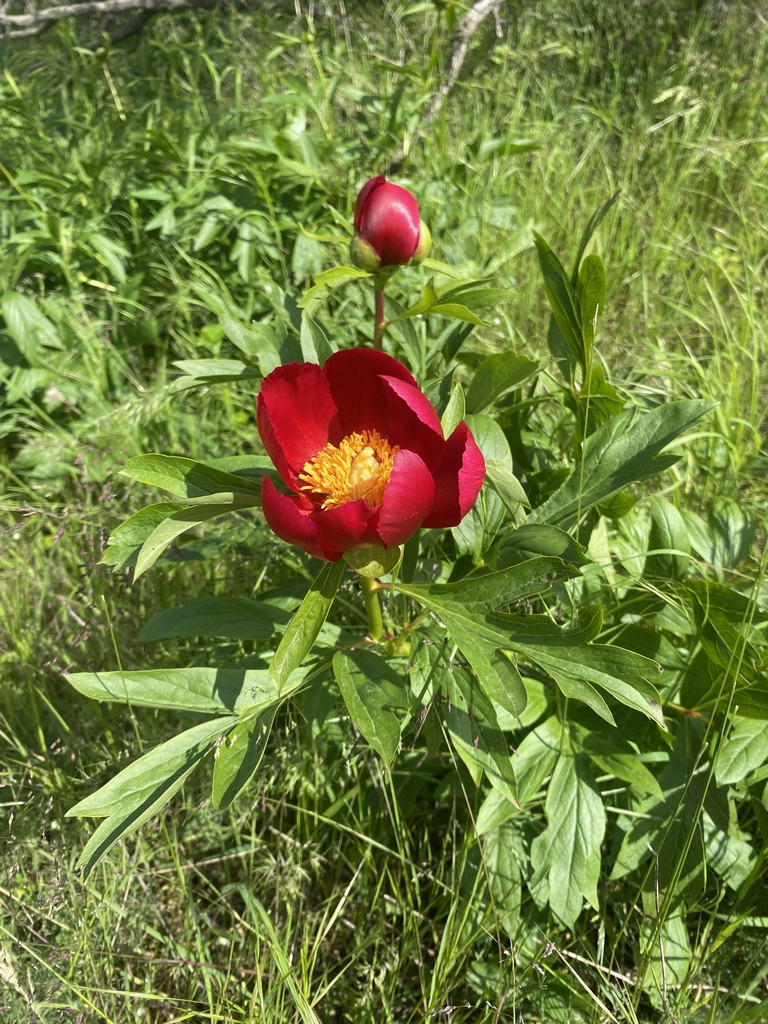
Paeonia peregrina
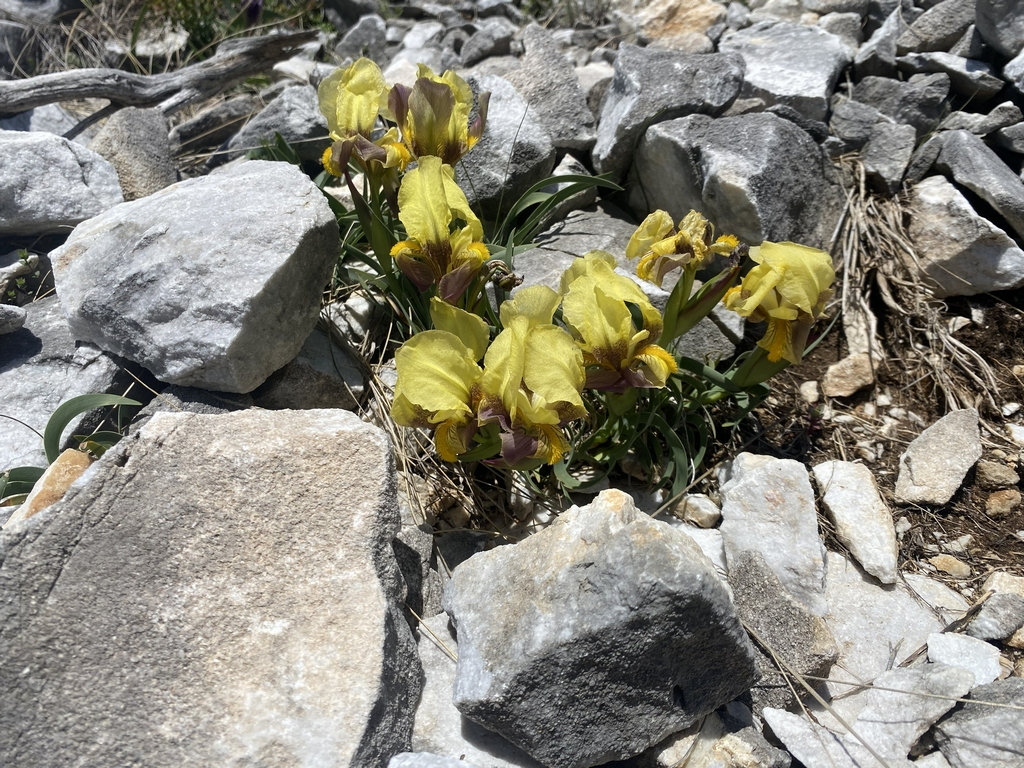
Iris reichenbachii, yellow form
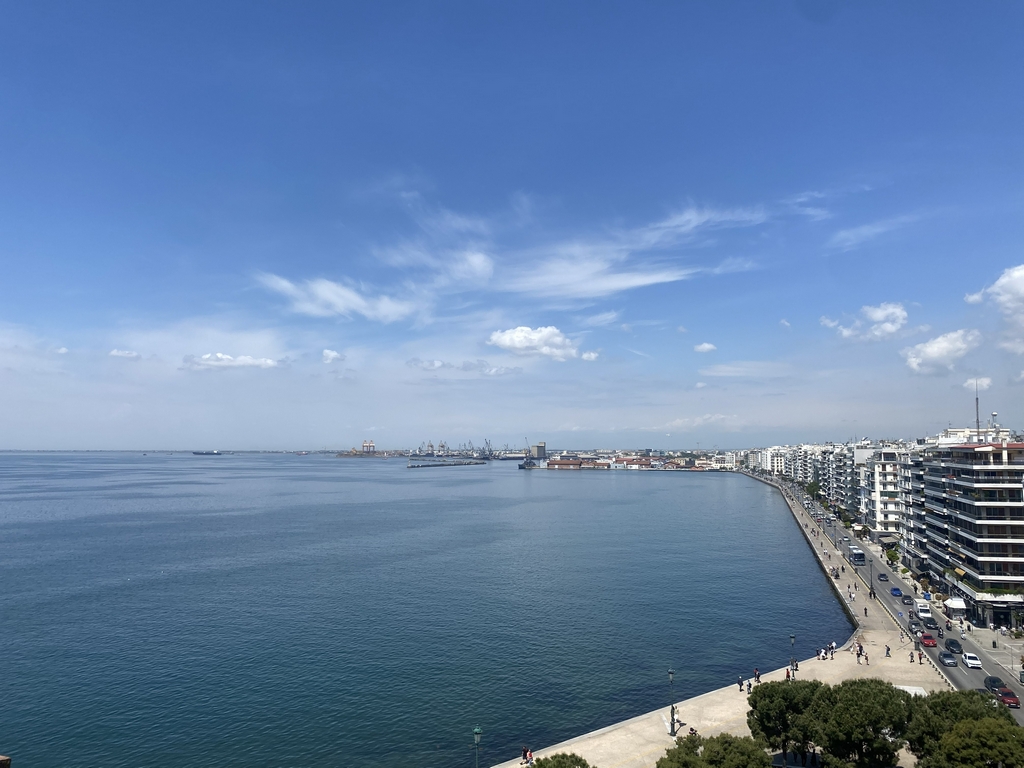
Thessaloniki seafront, from White Tower
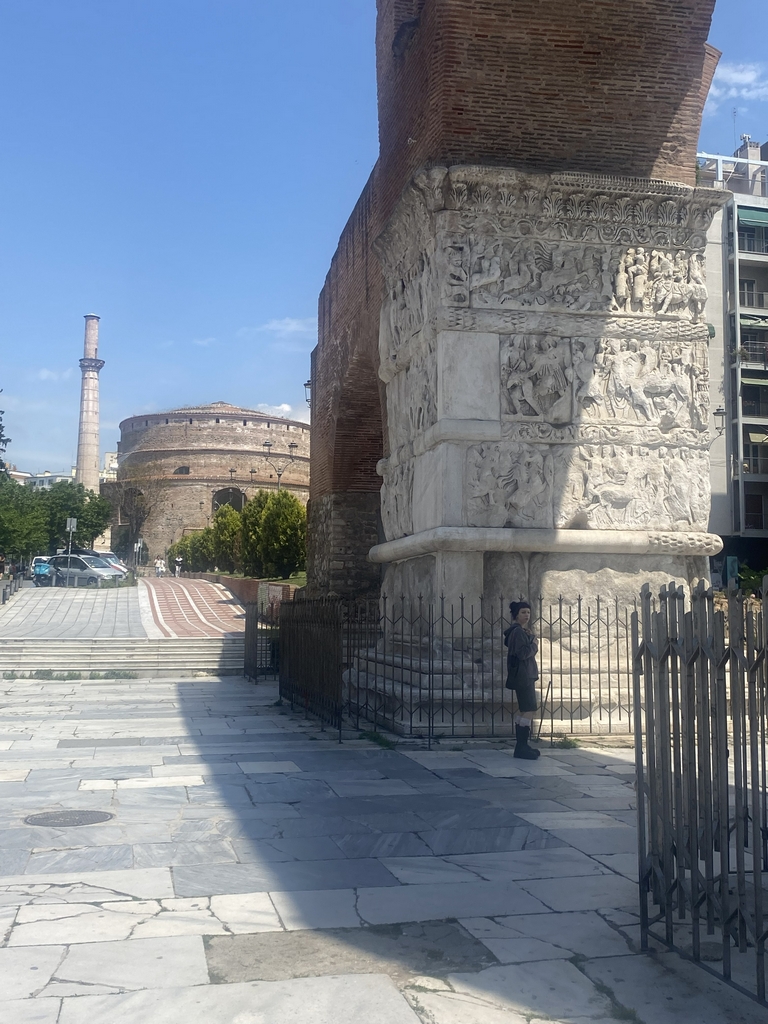
Arch of Galerius and Rotunda
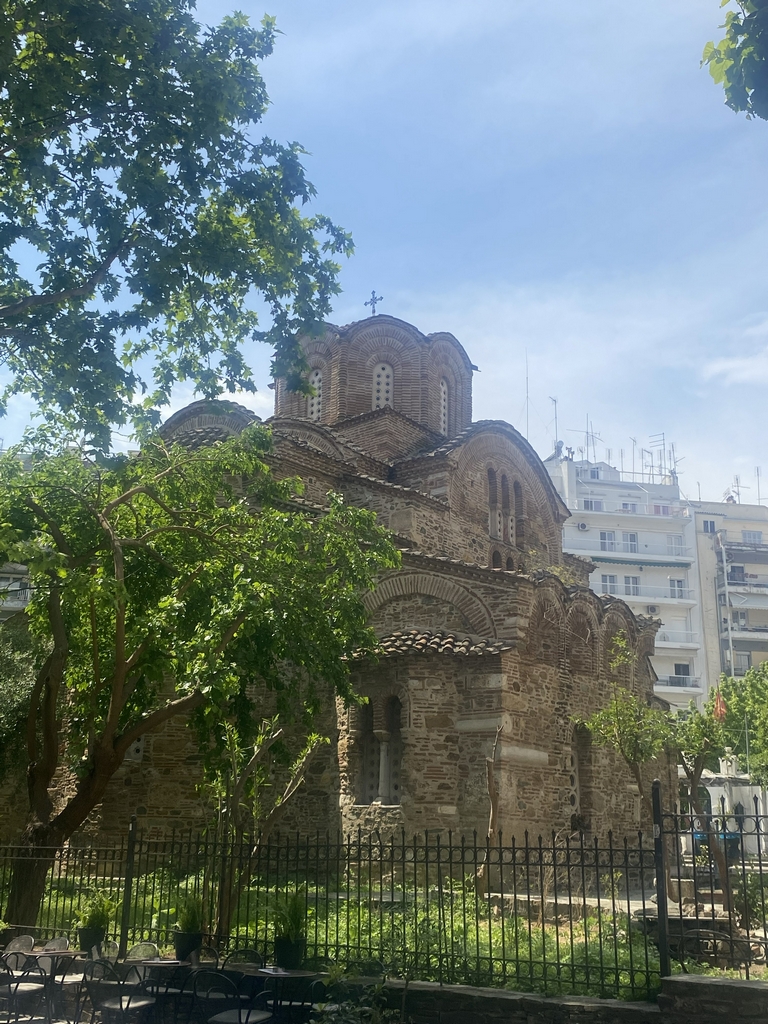
Church of Agios Panteleimonas, C13th
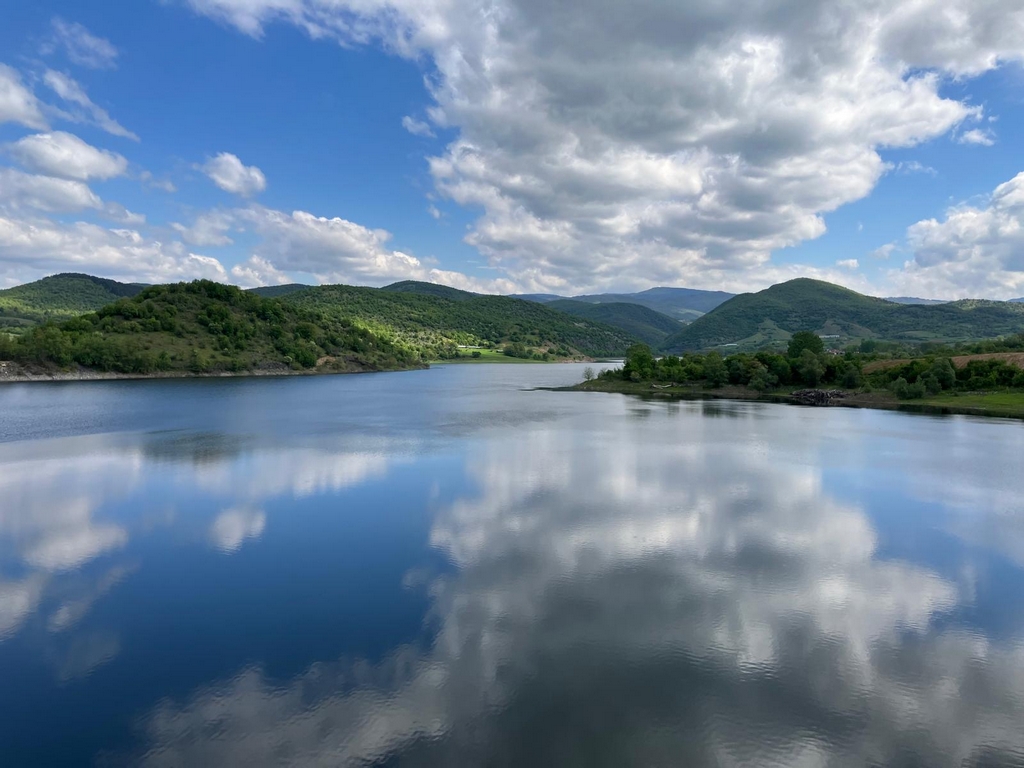
Lake Kerkini (by Jill Sheppard)
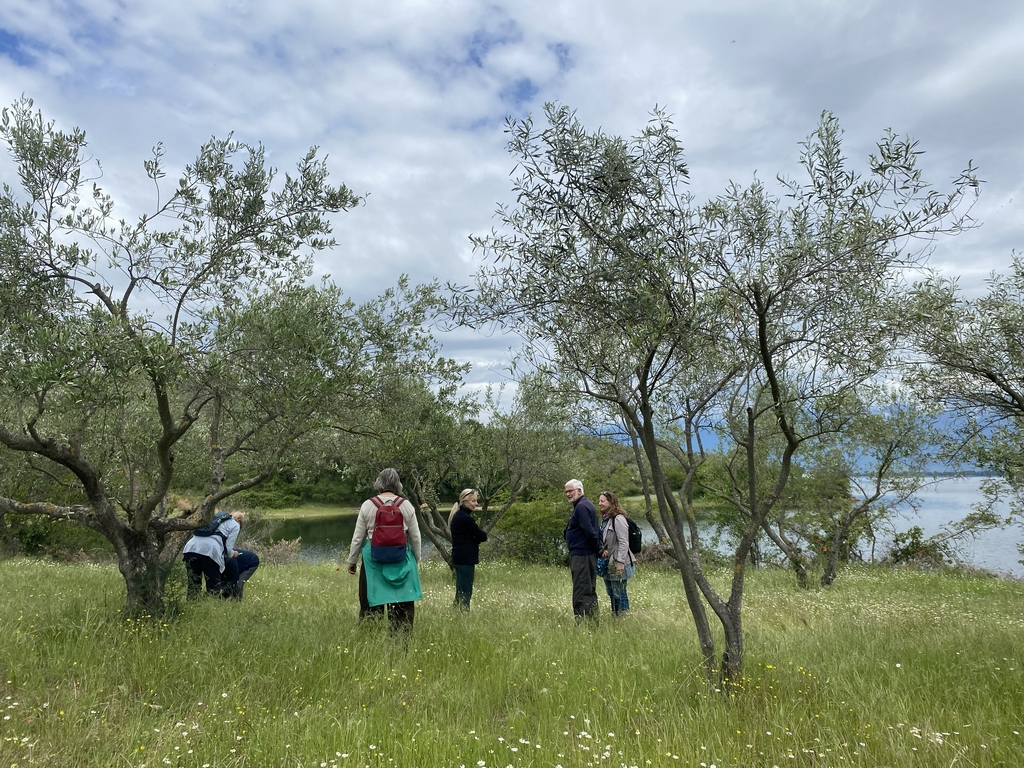
MPG members in the meadows next to Lake Kerkini
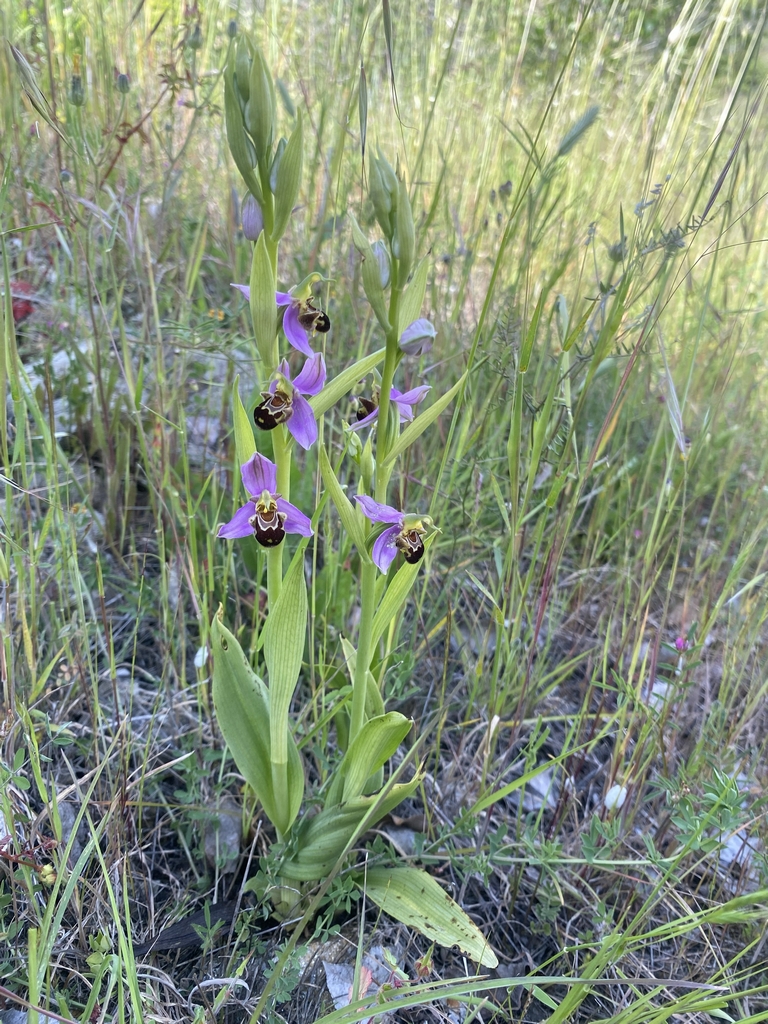
Ophrys mammosa
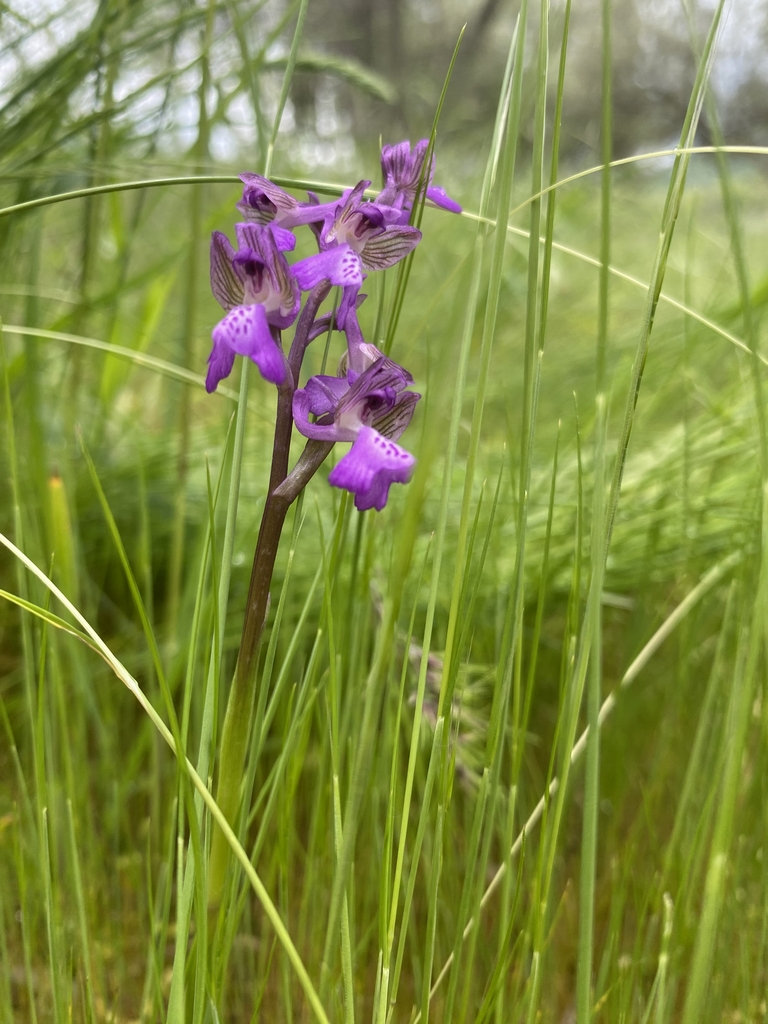
Orchis morio
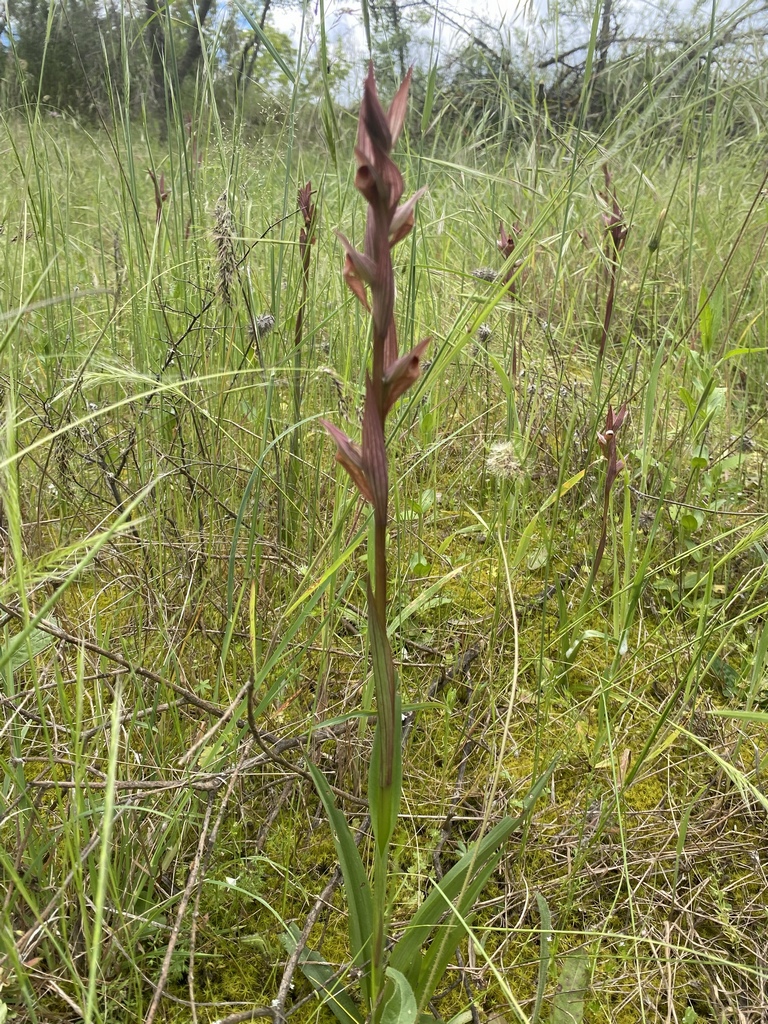
Serapias lingua
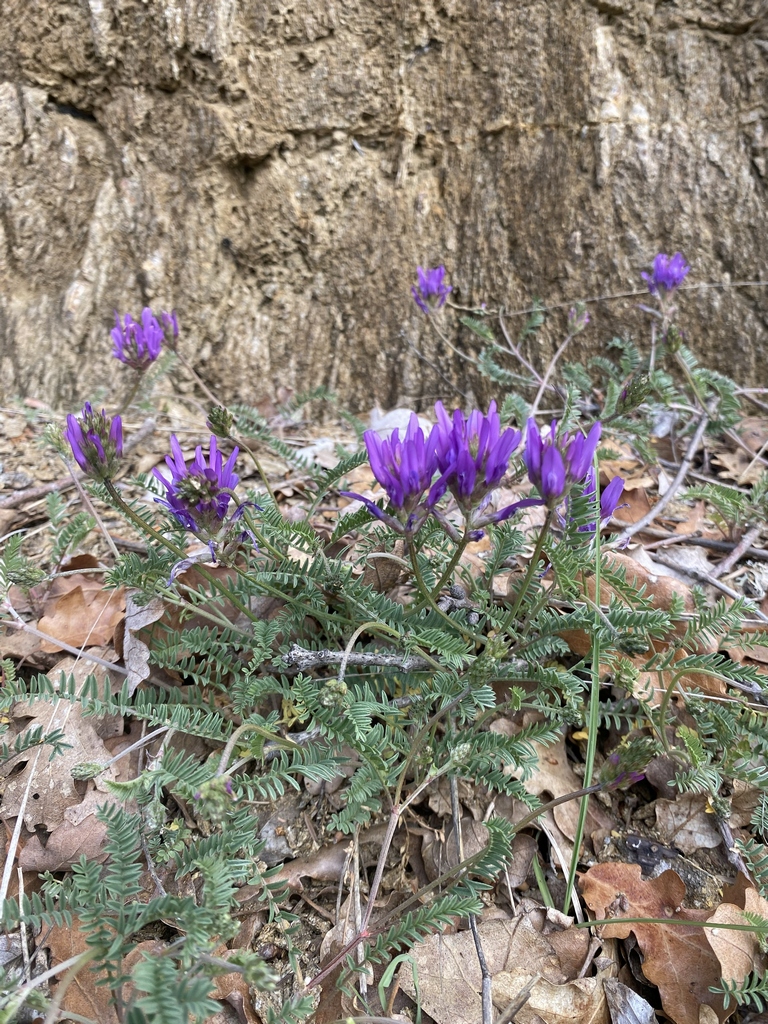
Astragalus monspessulanus
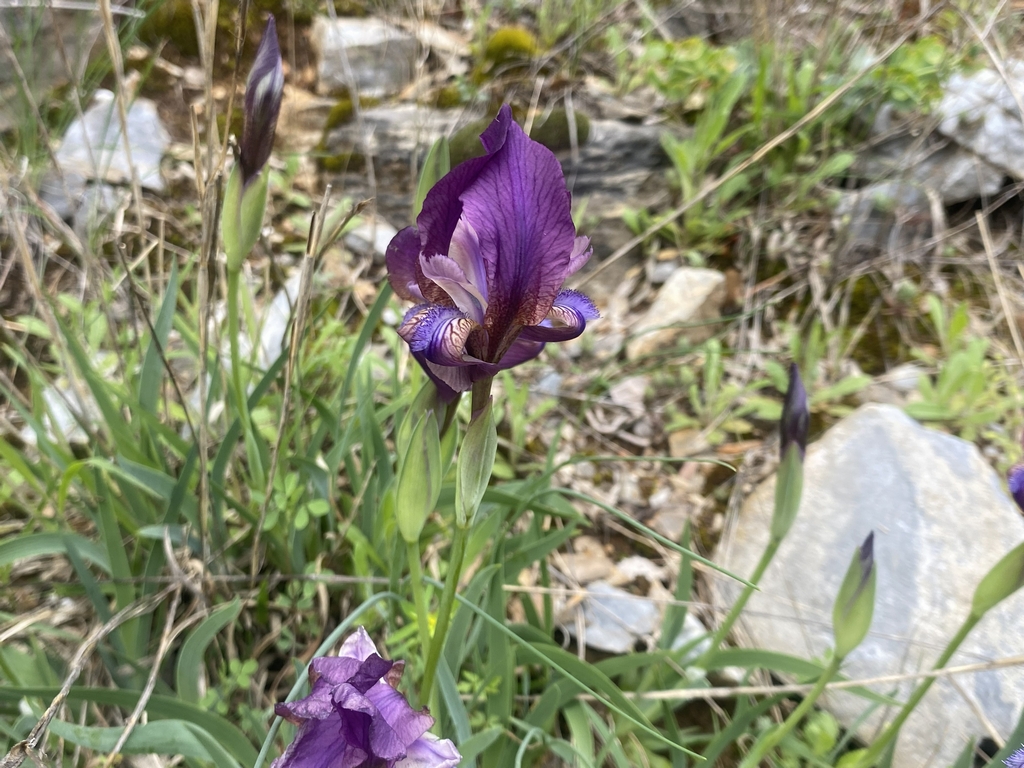
Iris reichenbachii, purple form
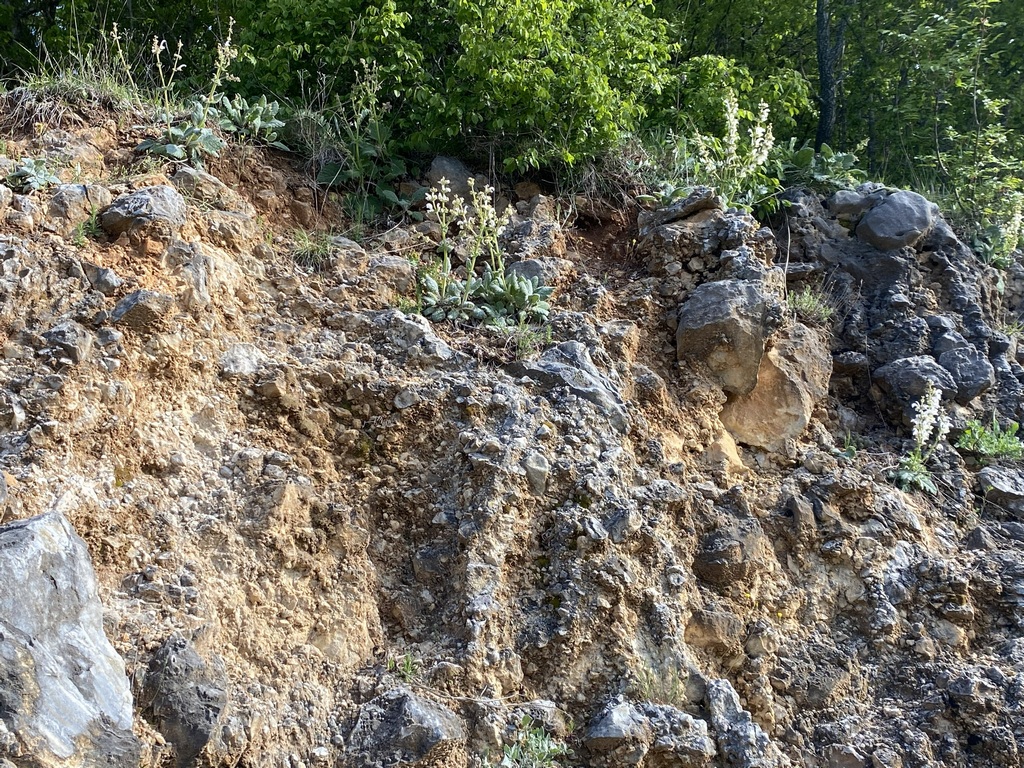
Salvia argentea growing in rocky outcrop
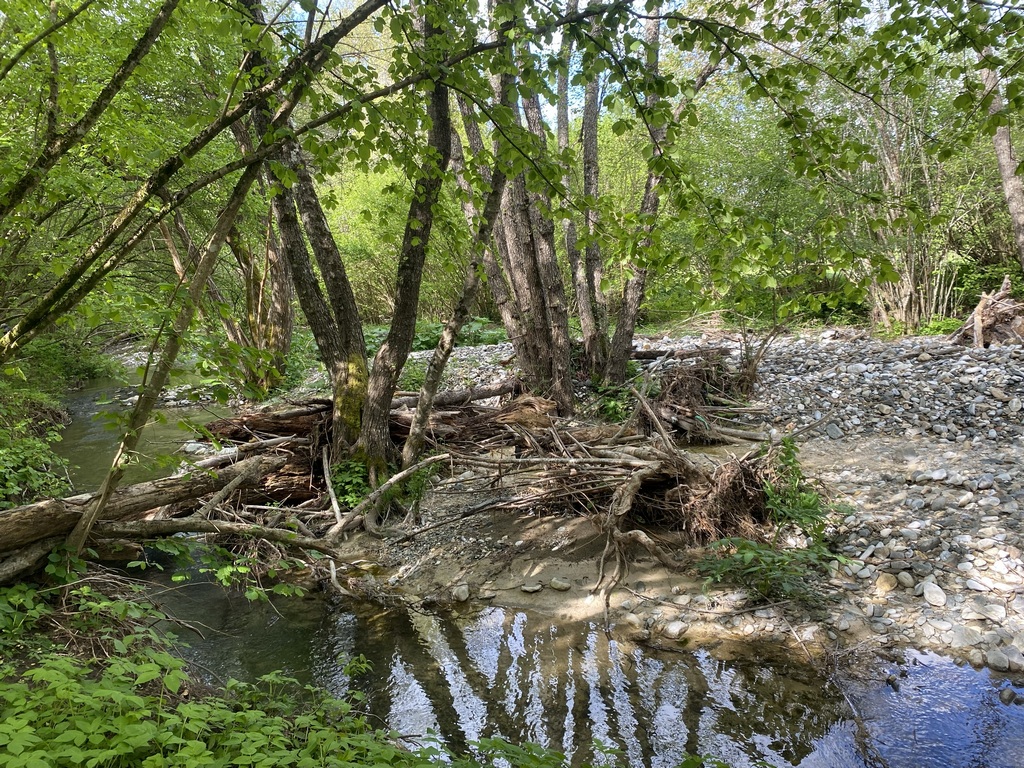
Streamside
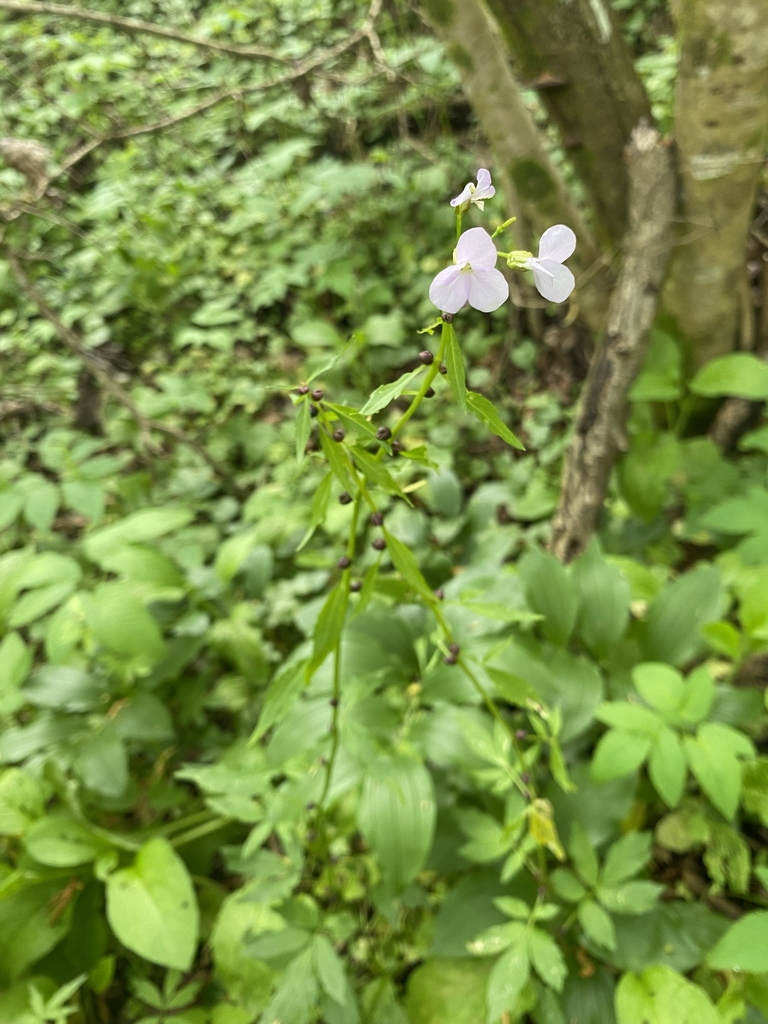
Cardamine bulbifera
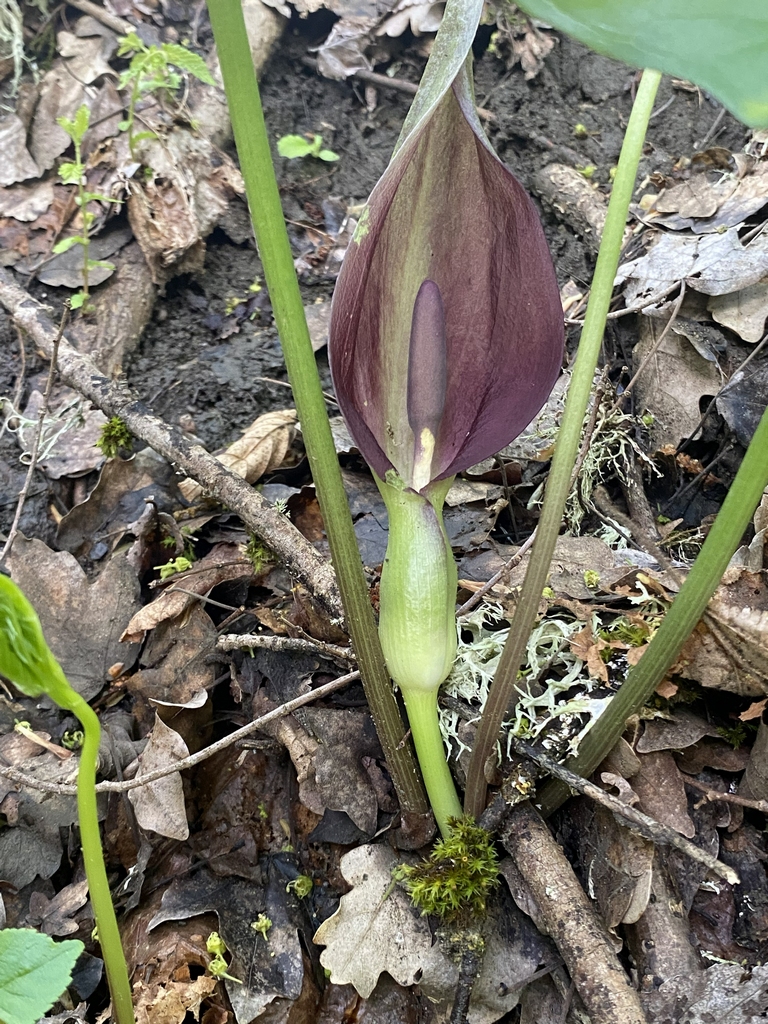
Arum orientalis
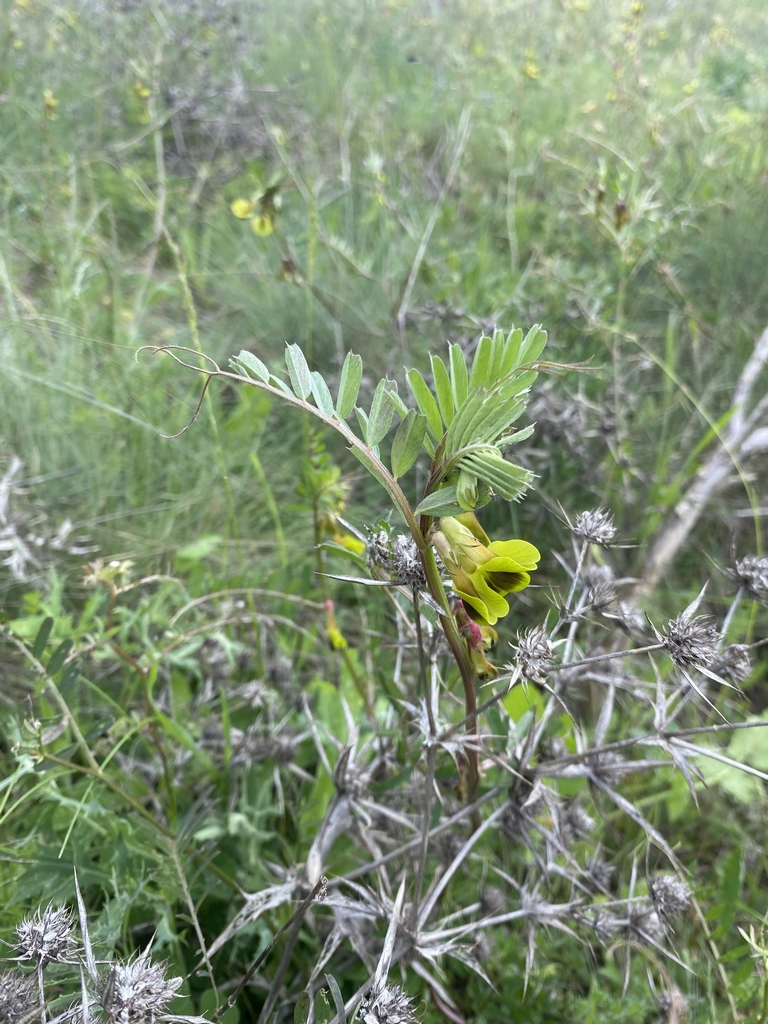
Vicia melanops
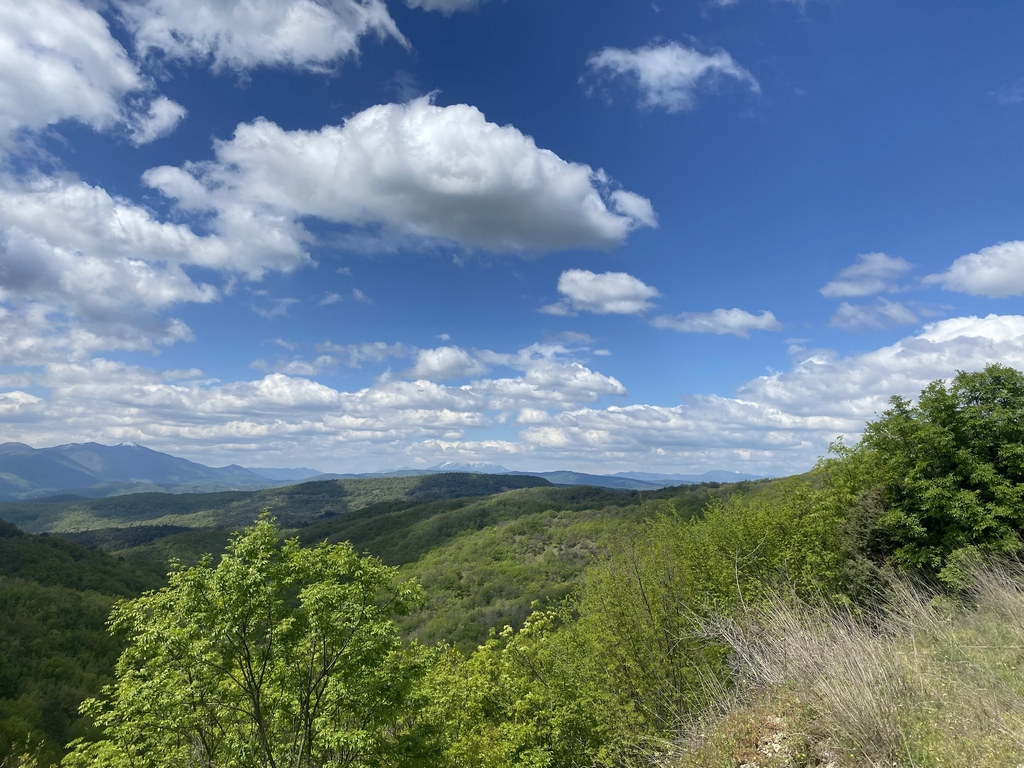
Densely forested foothills of Rhodope Mountains
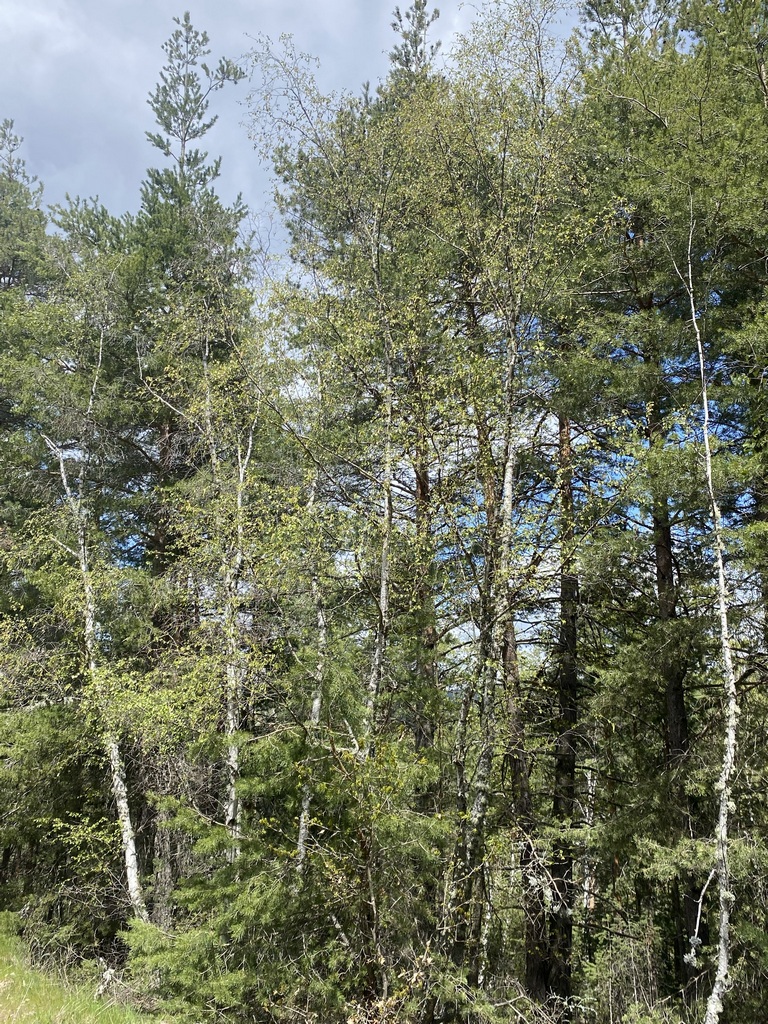
Southernmost populations of Betula pendula in Europe
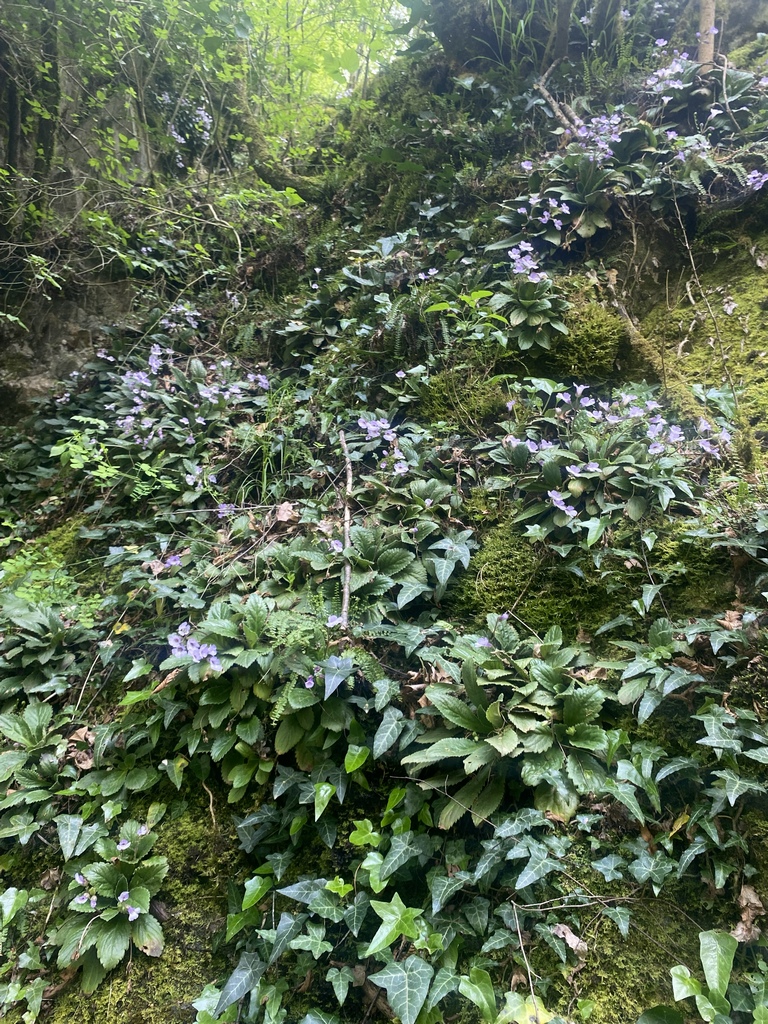
Drift of Haberlea rhodopensis
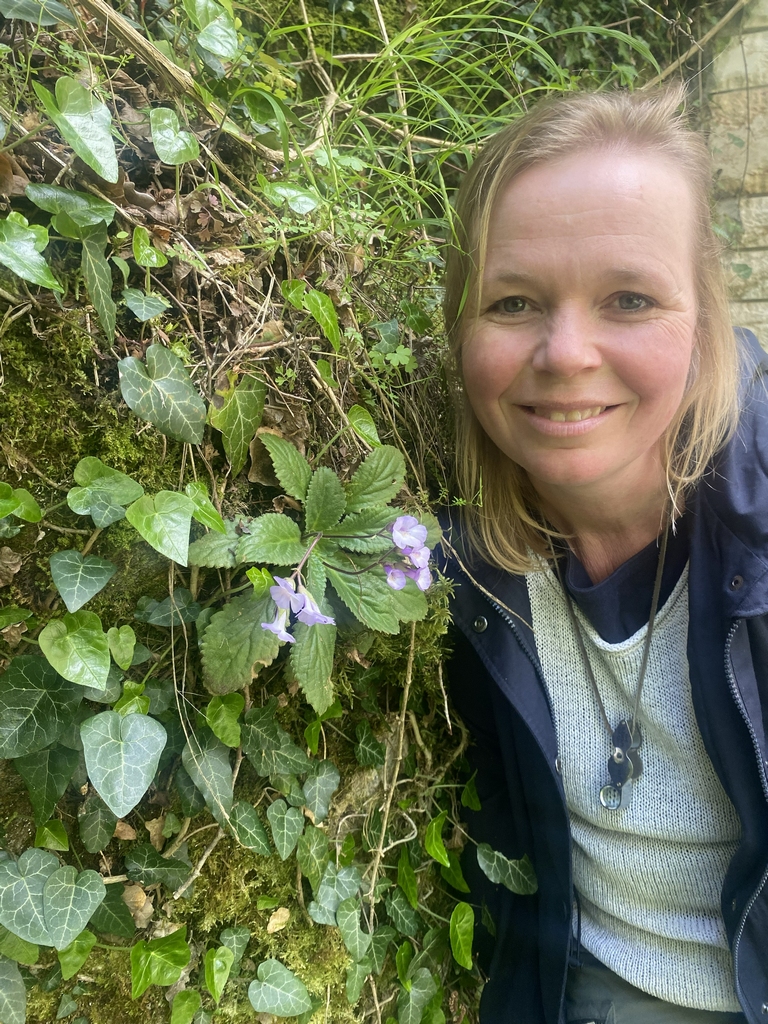
Haberlea rhodopensis
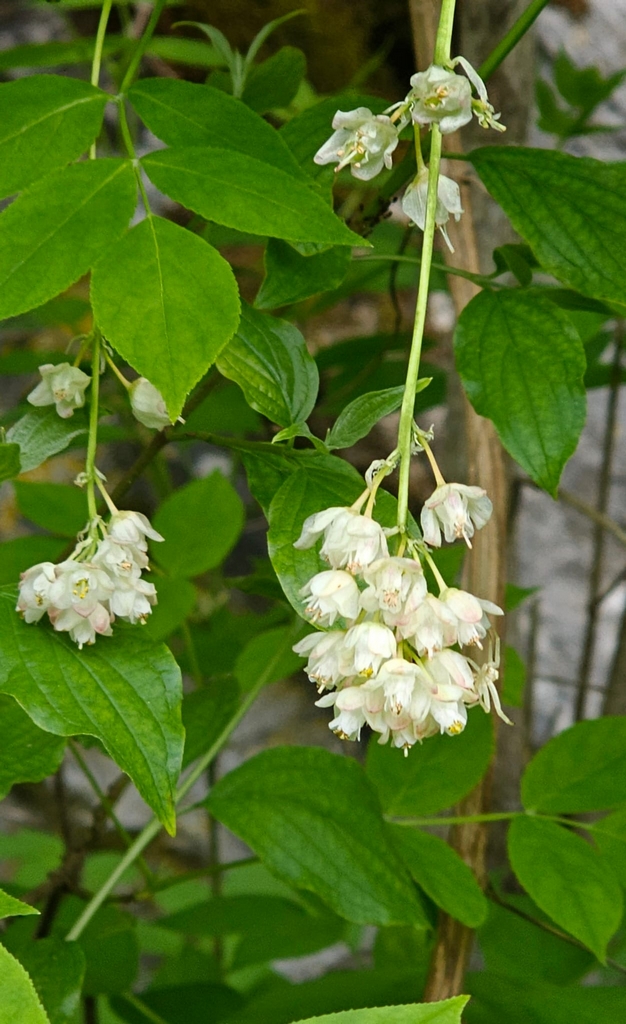
Staphylea pinnata (by Oron Peri)
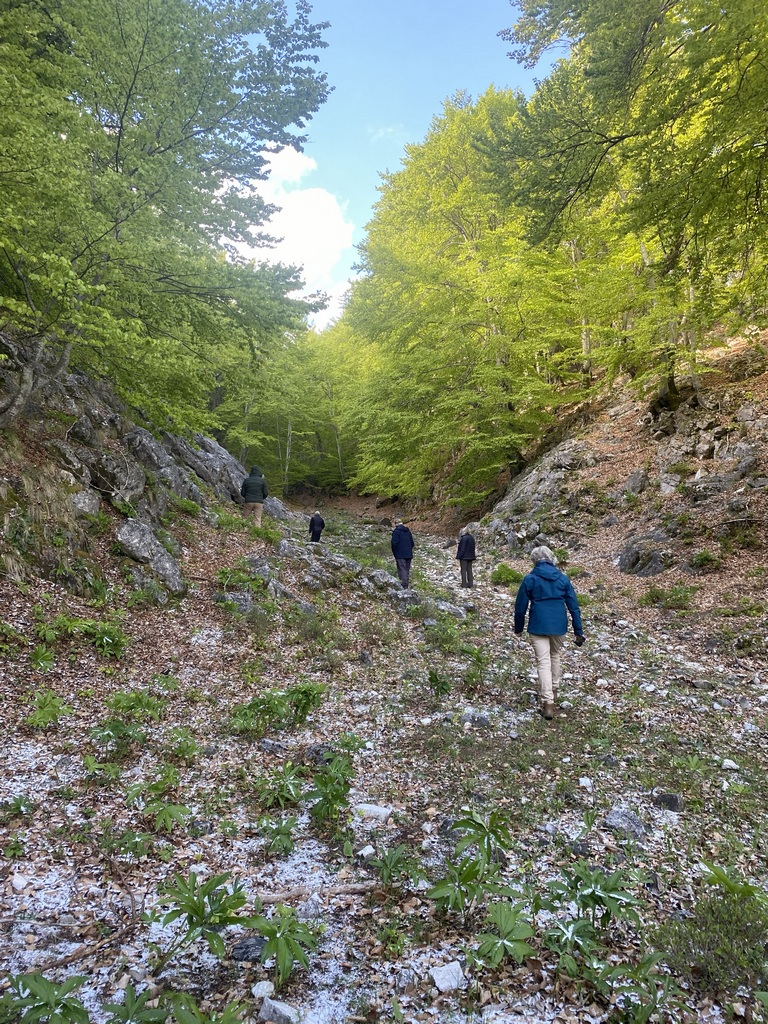
Beech woodland glade approaching Mt. Phalakron
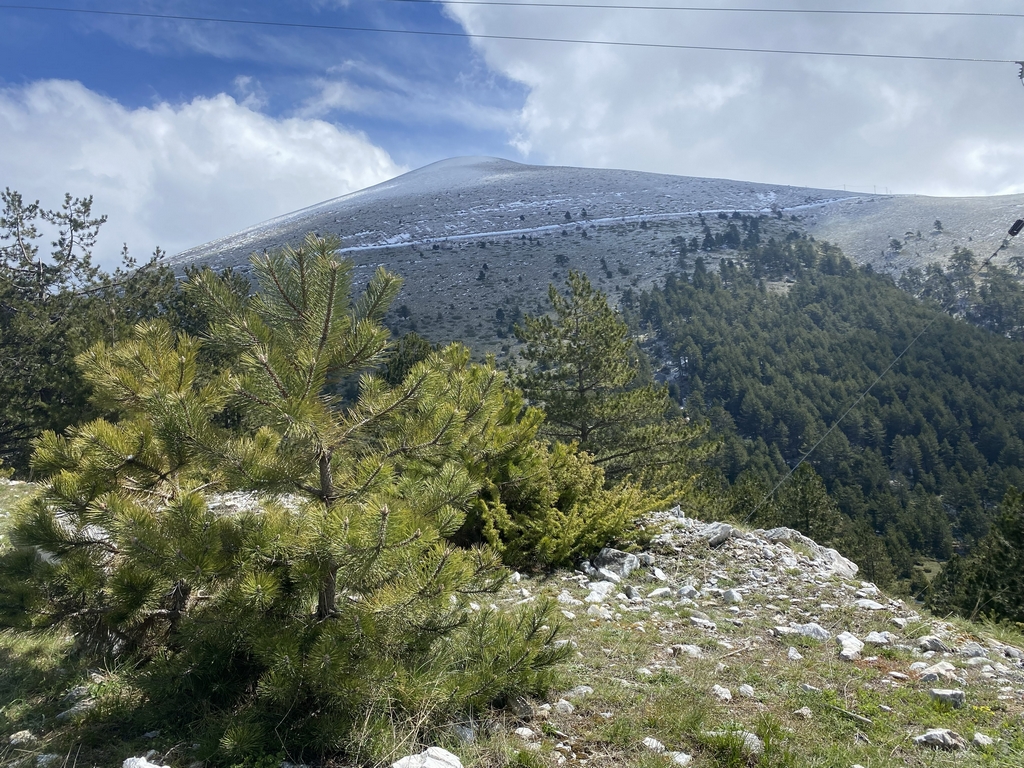
Approaching the treeline
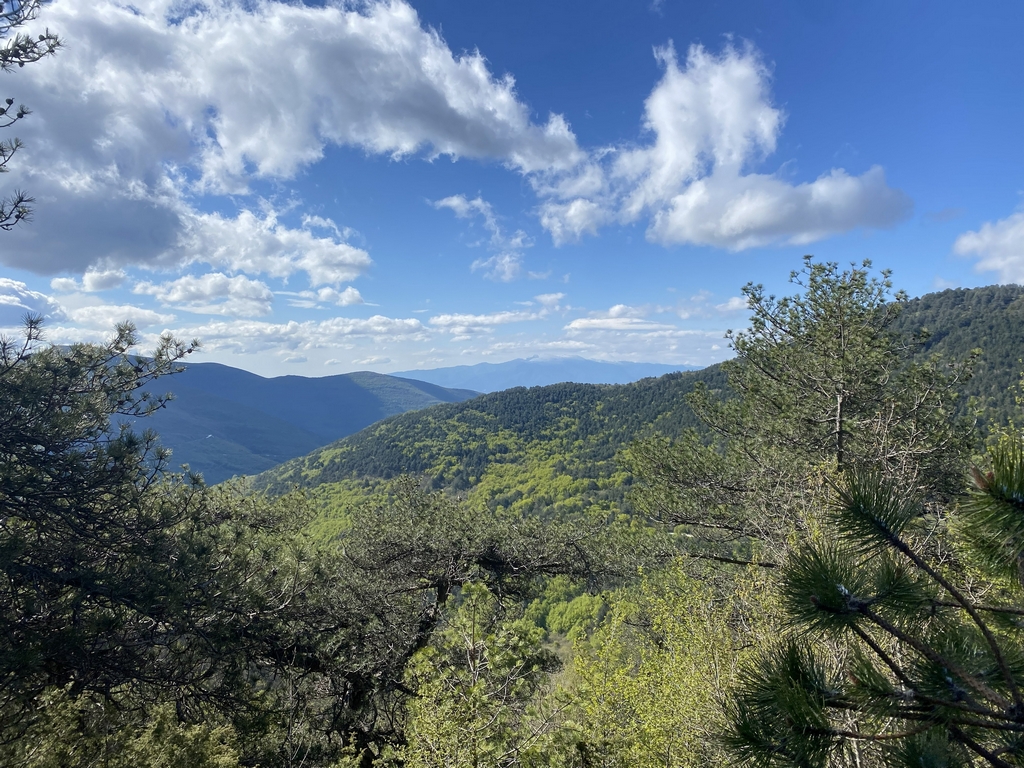
Scenic views from the slopes of Mt. Phalakron
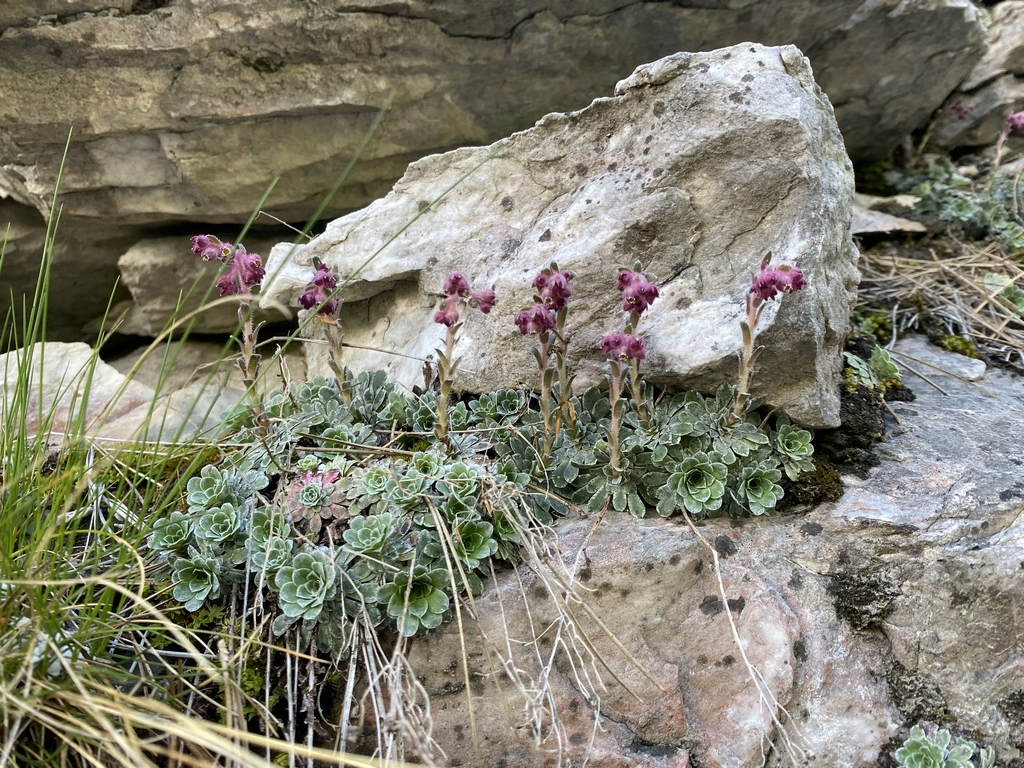
Saxifraga federici-augusti growing in marble road cuttings
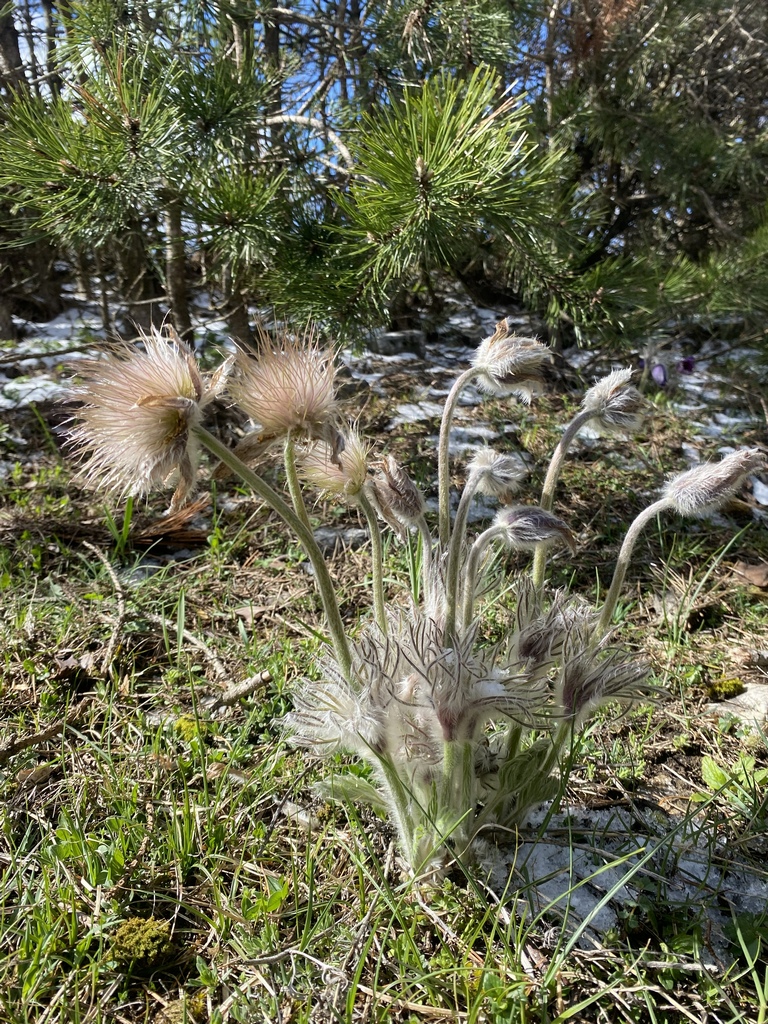
Pulsatilla halleri seedheads
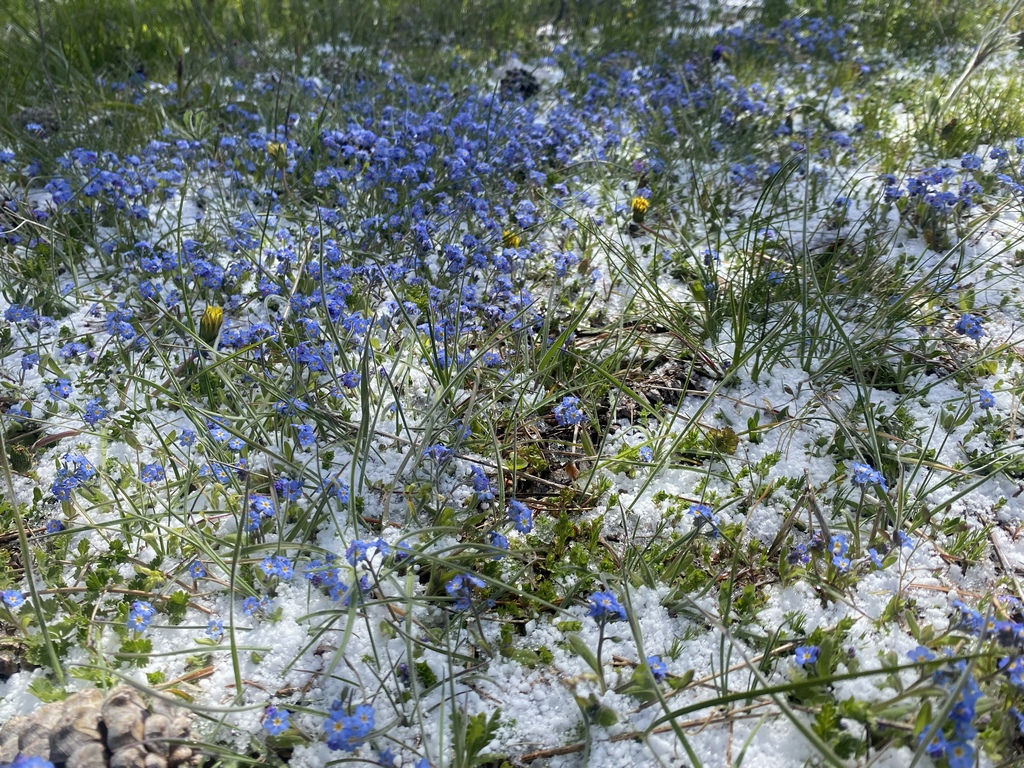
Myosotis ramosisima in abundance
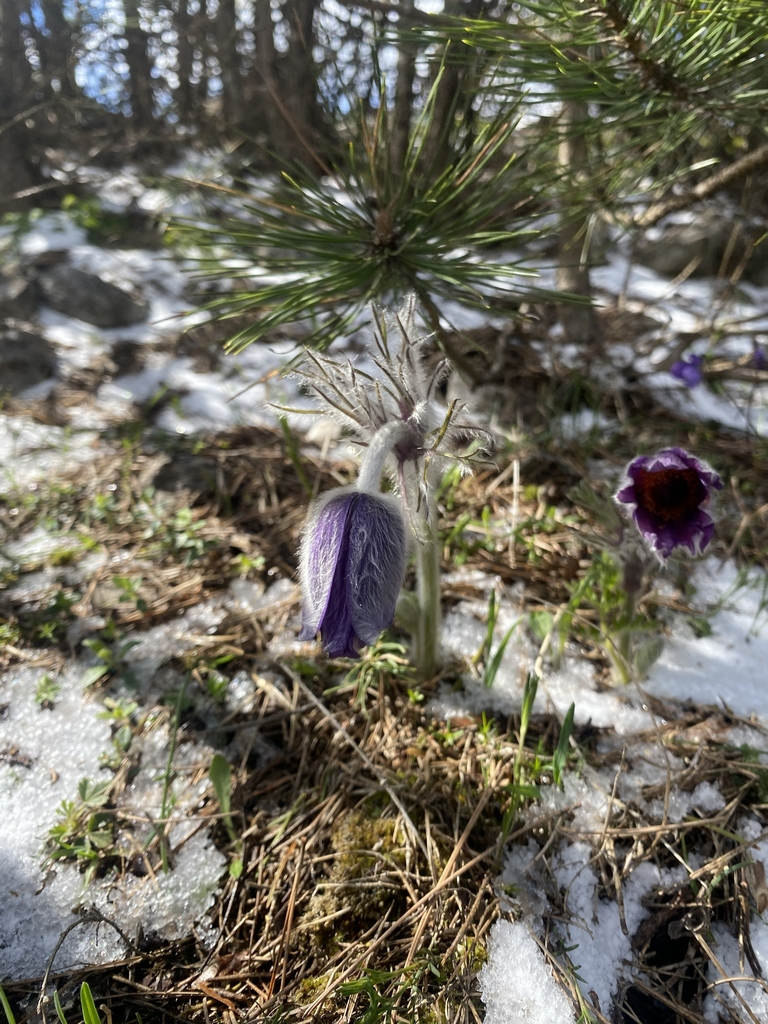
Pulsatilla halleri flowerbuds, featuring a dense layer of soft, fine hairs acting as natural thermal insulation
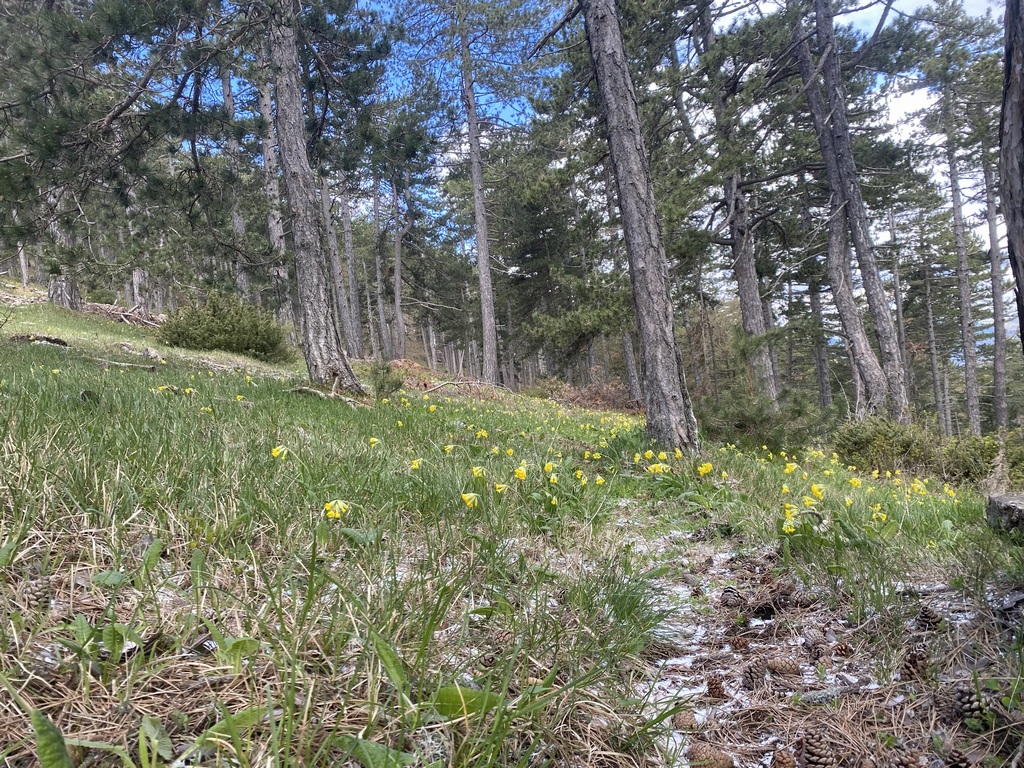
Primula veris
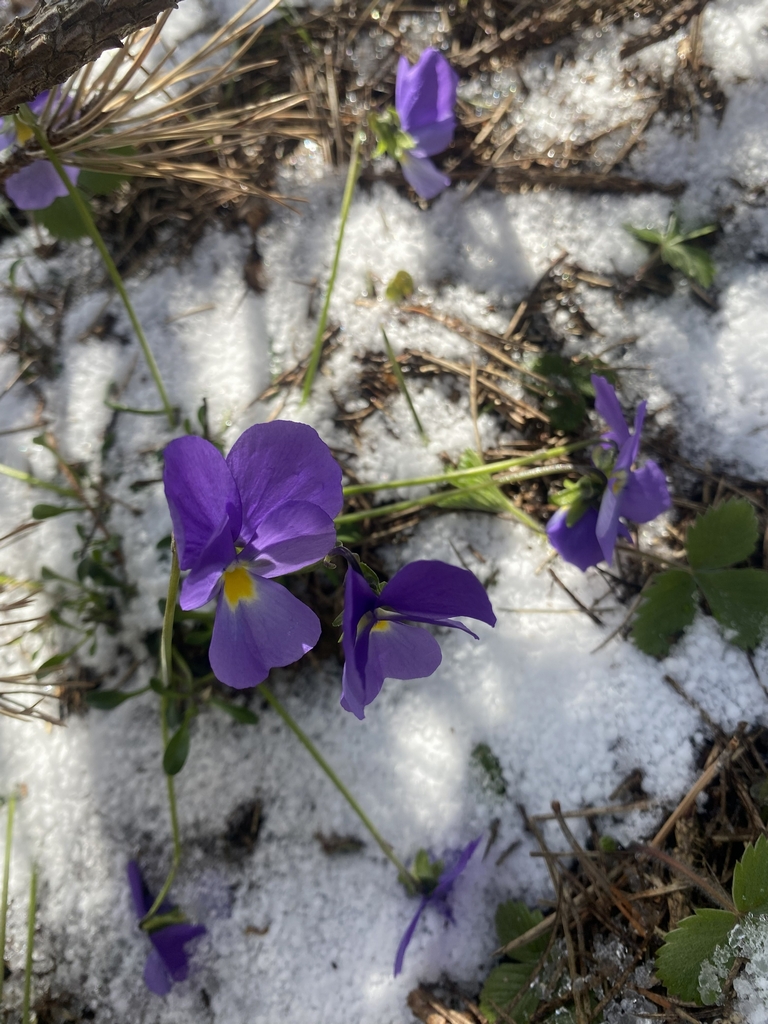
Viola perinensis
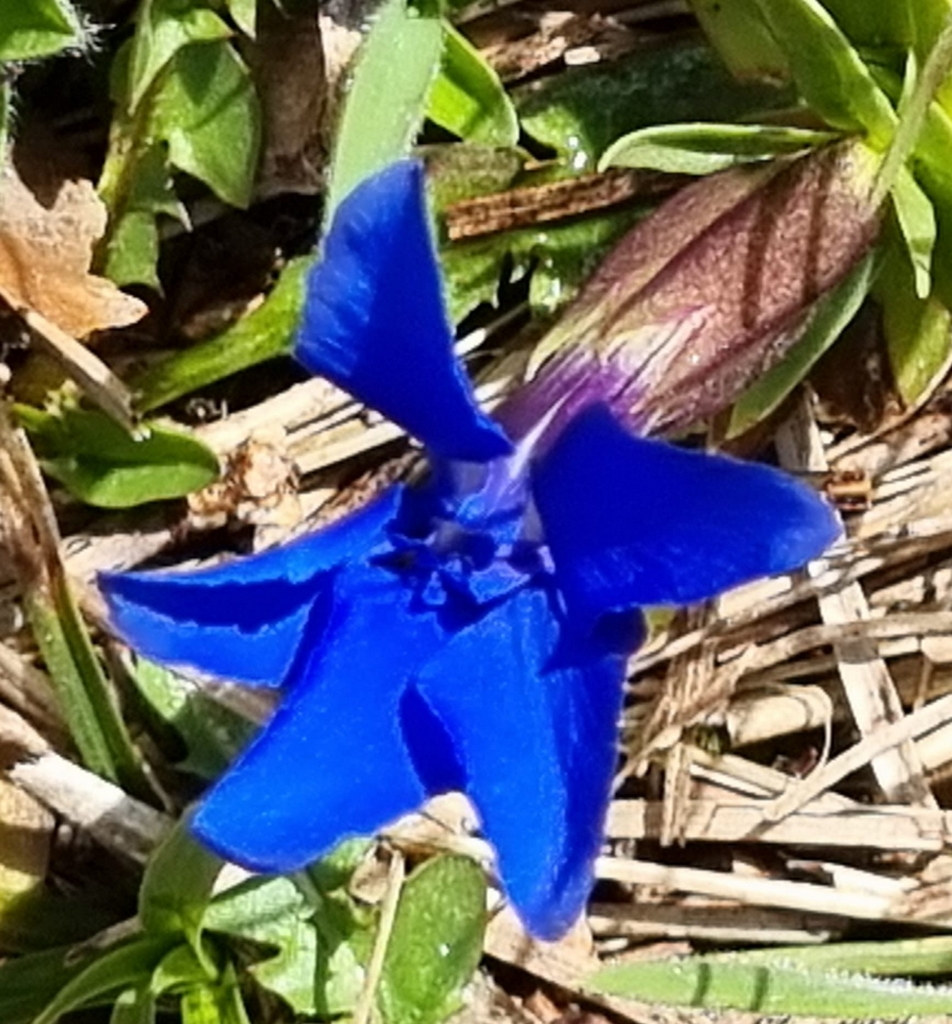
Gentiana verna subsp. balcanica (by Andrew Mayo)
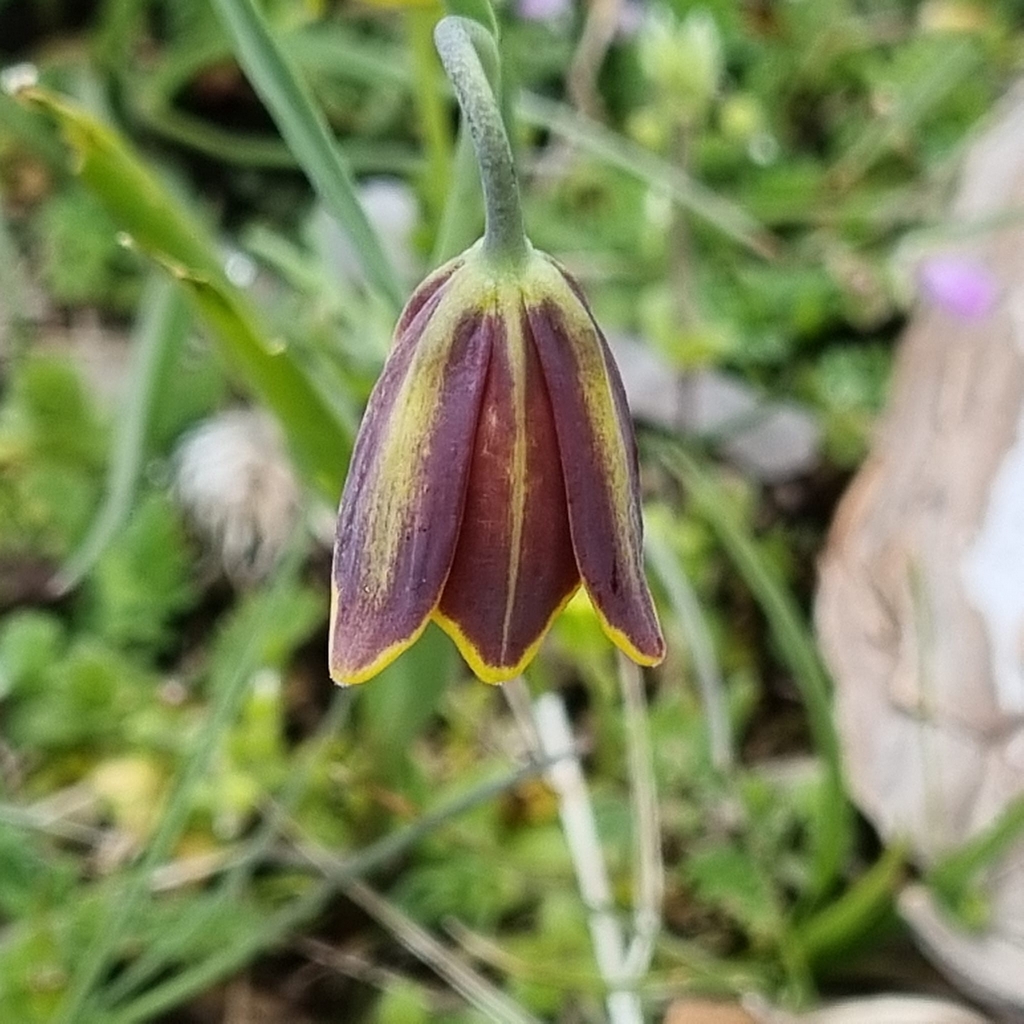
Fritillaria drenovskii (by Andrew Mayo)
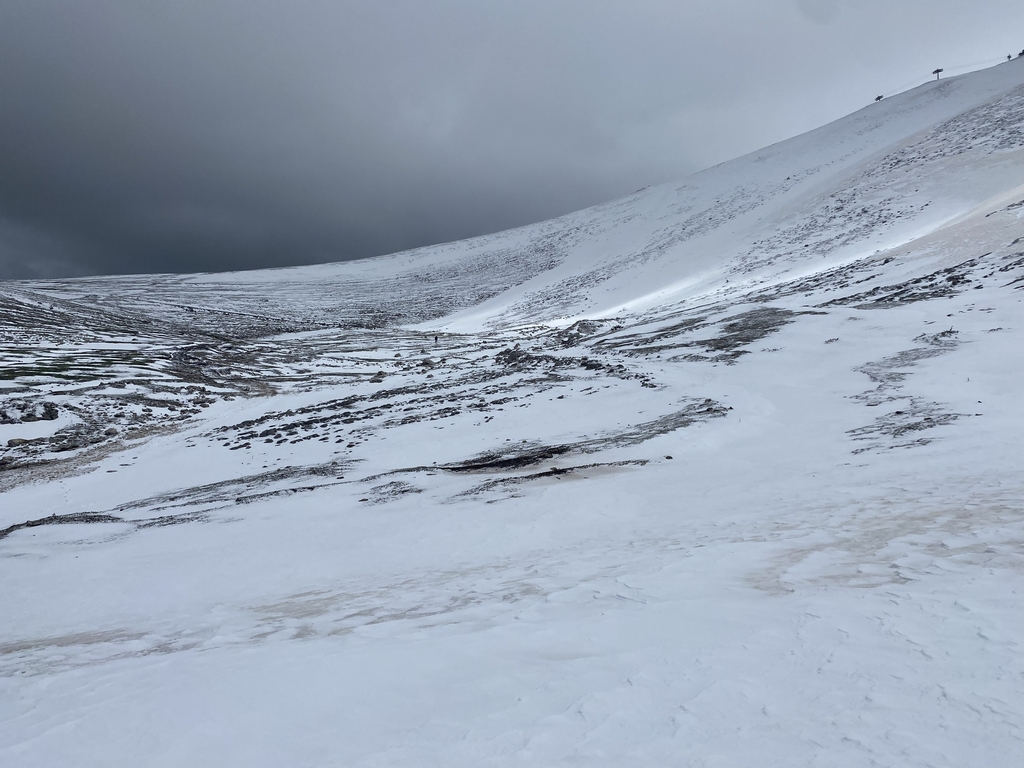
Fresh snow at around 2100m elevation on Mt Phalakron; Oron going off piste in search of Erythronium dens-canis
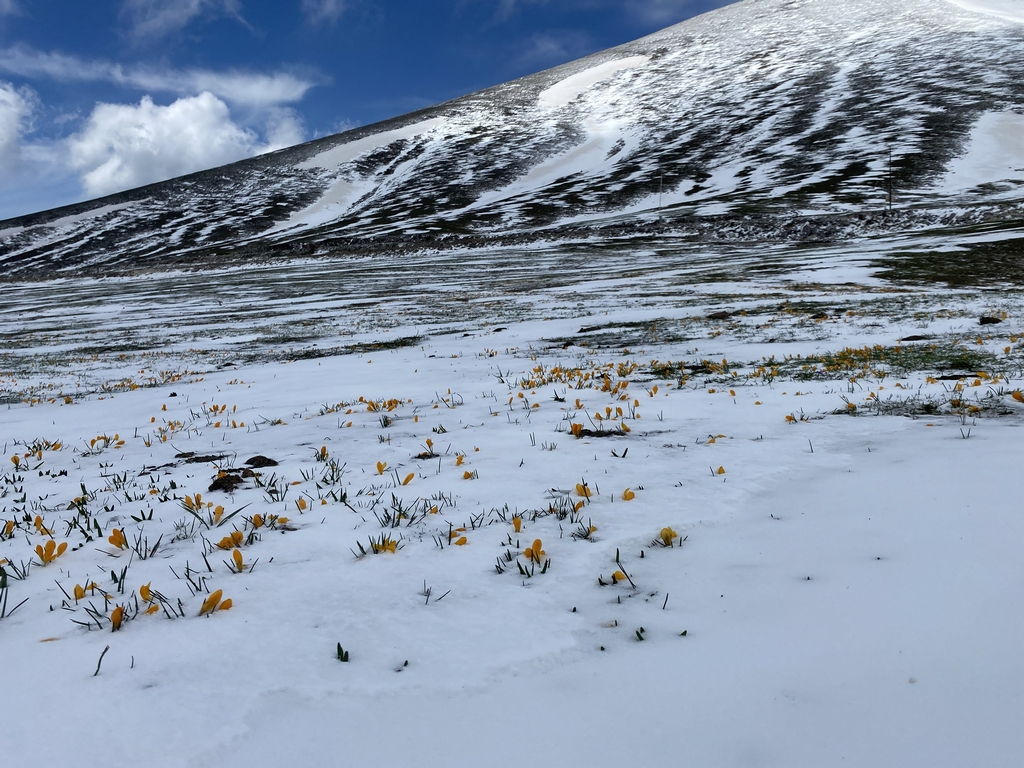
Crocus chrysanthus in abundance
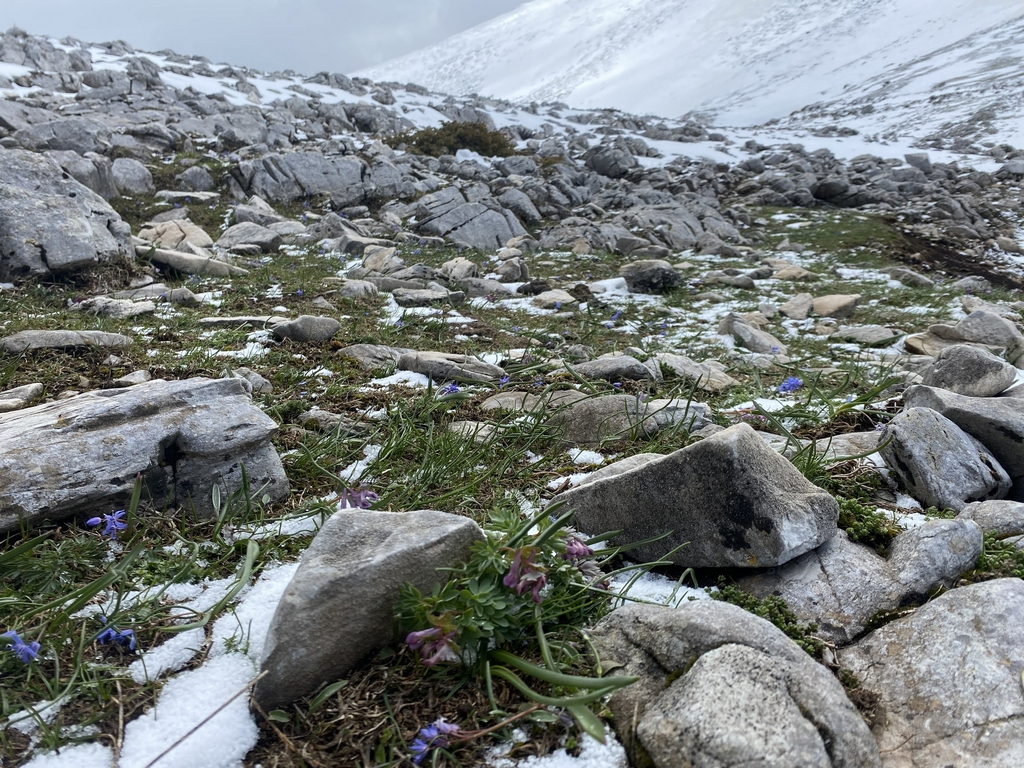
Drifts of Scilla biflora
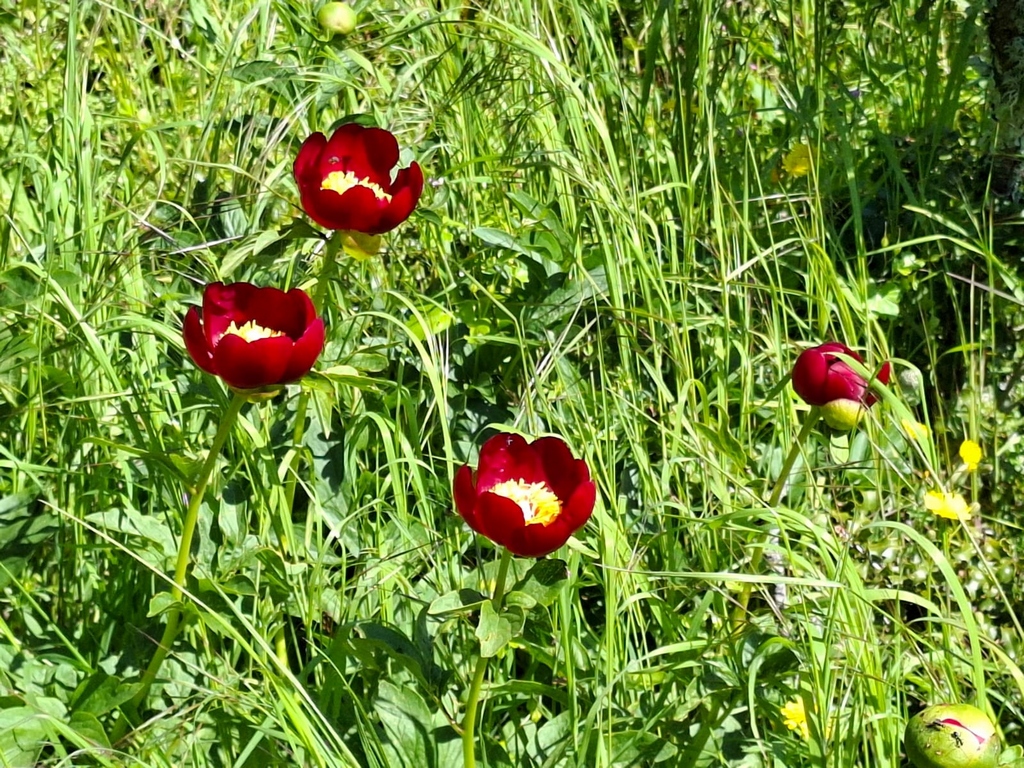
Paeonia peregrina (by Jane Furse)
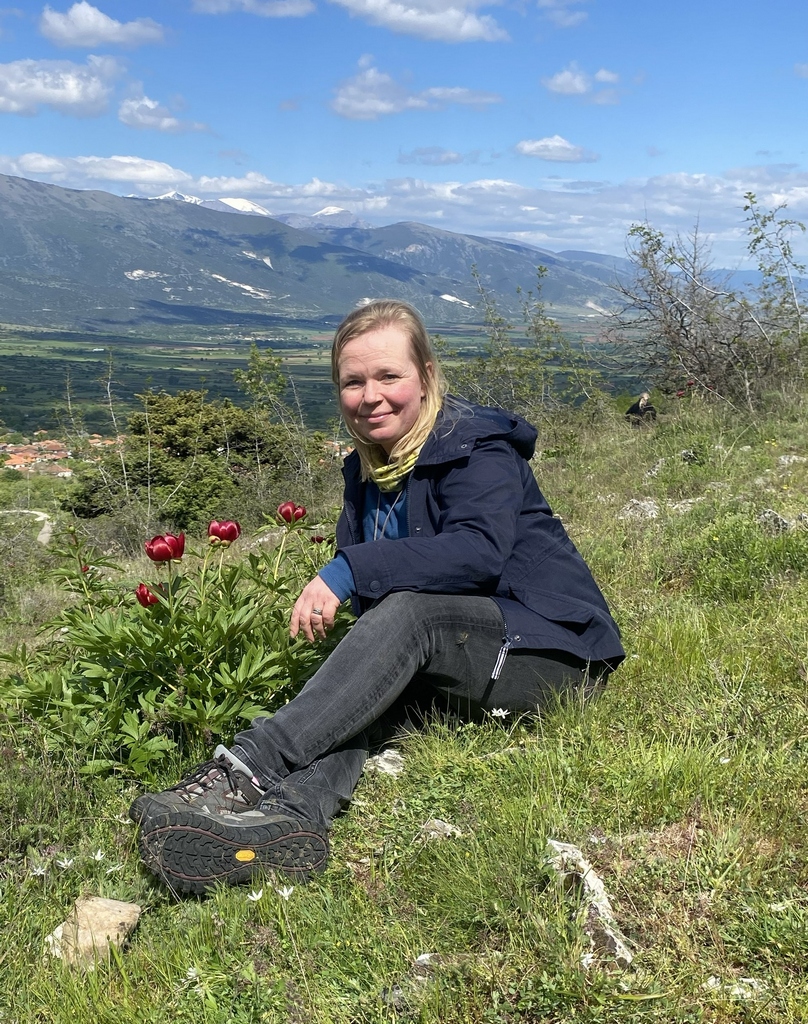
Admiring Paeonia peregrina
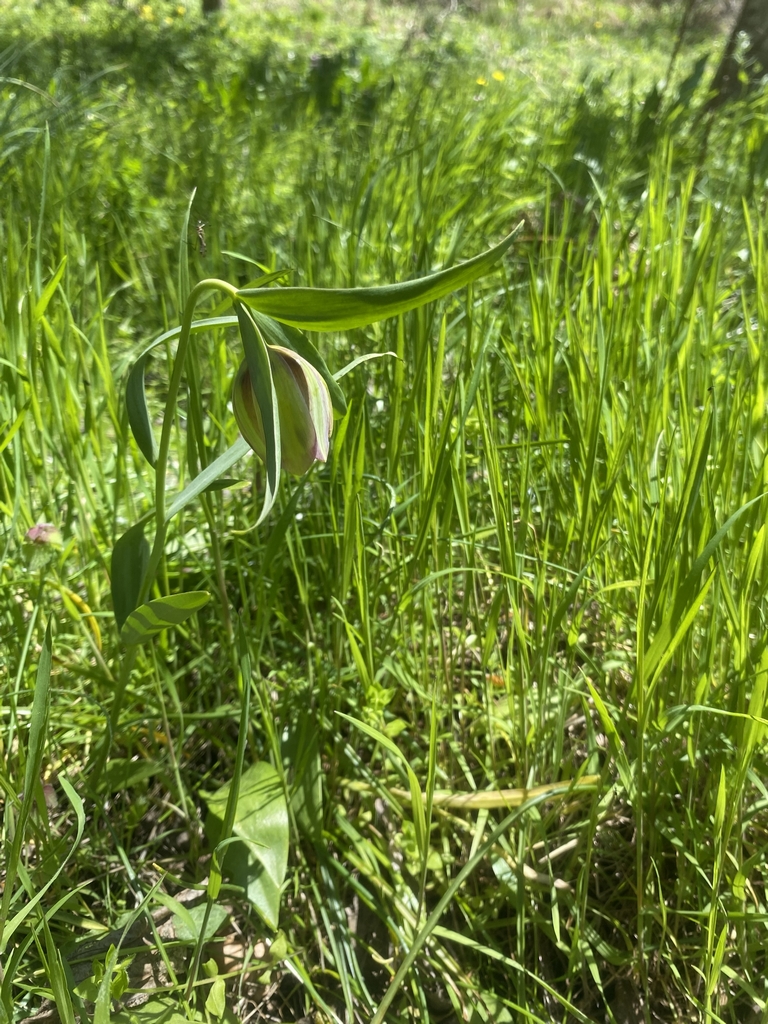
Fritillaria pontica
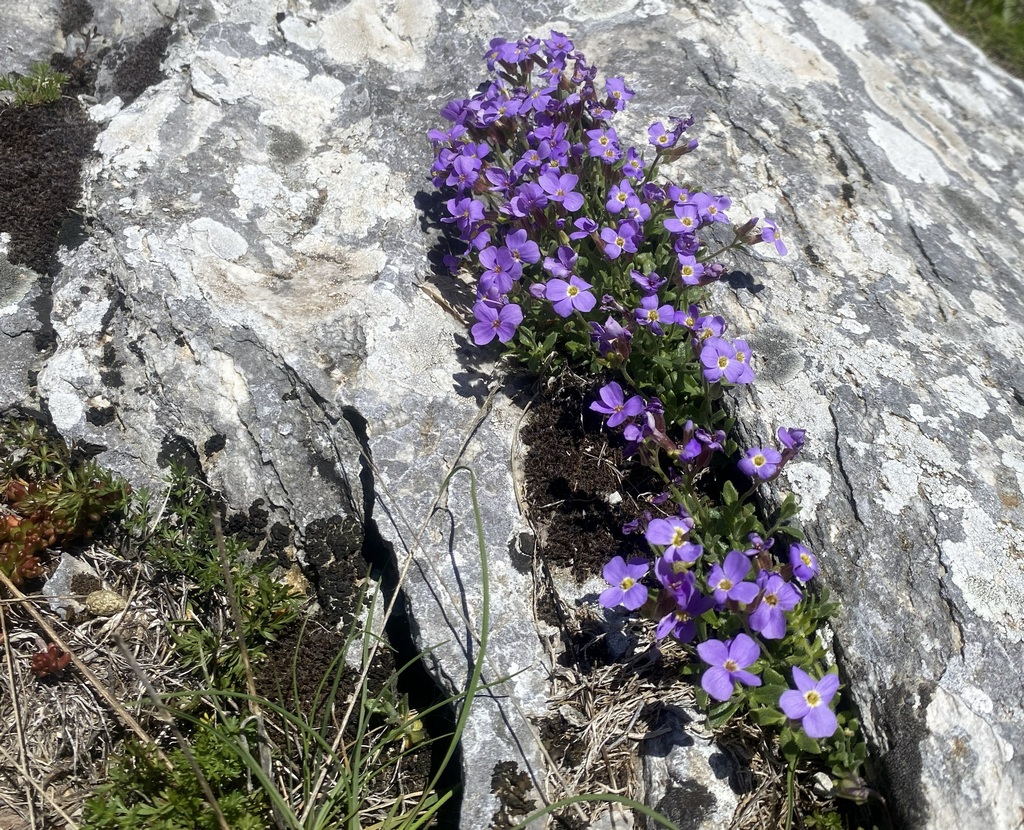
Aubrieta deltoidea
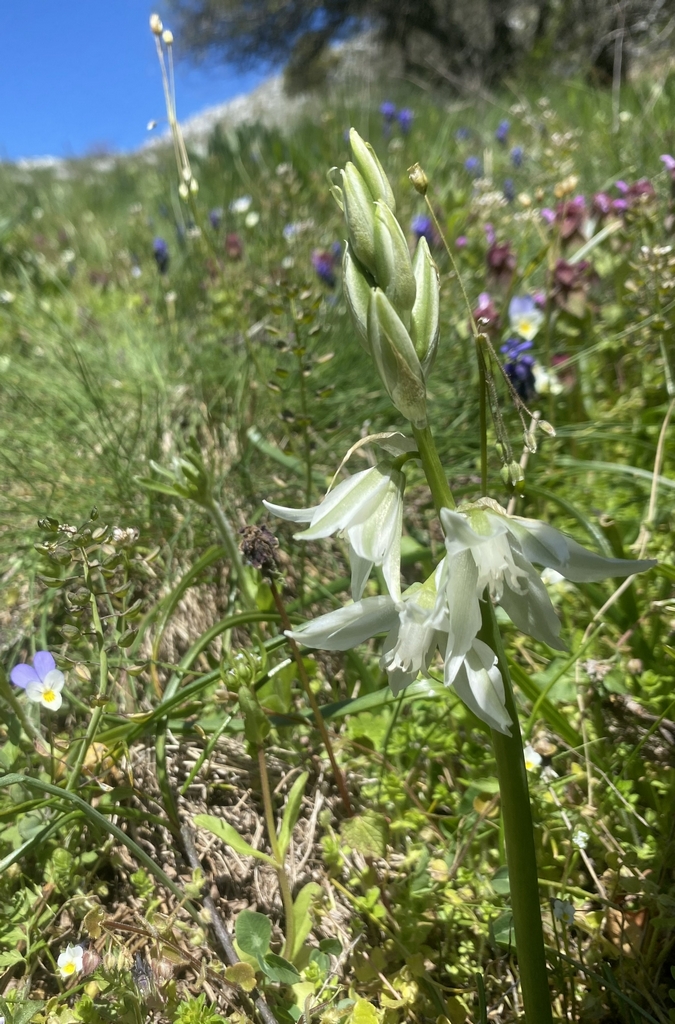
Ornithogalum nutans
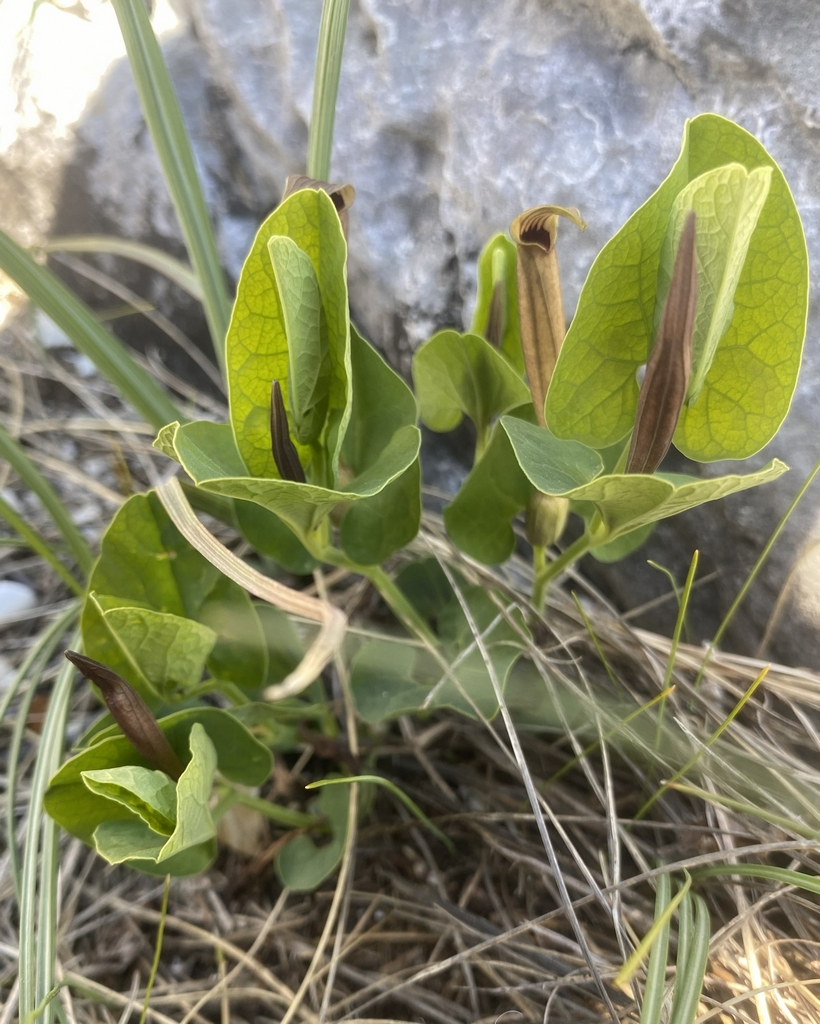
Aristolochia rotundafolia
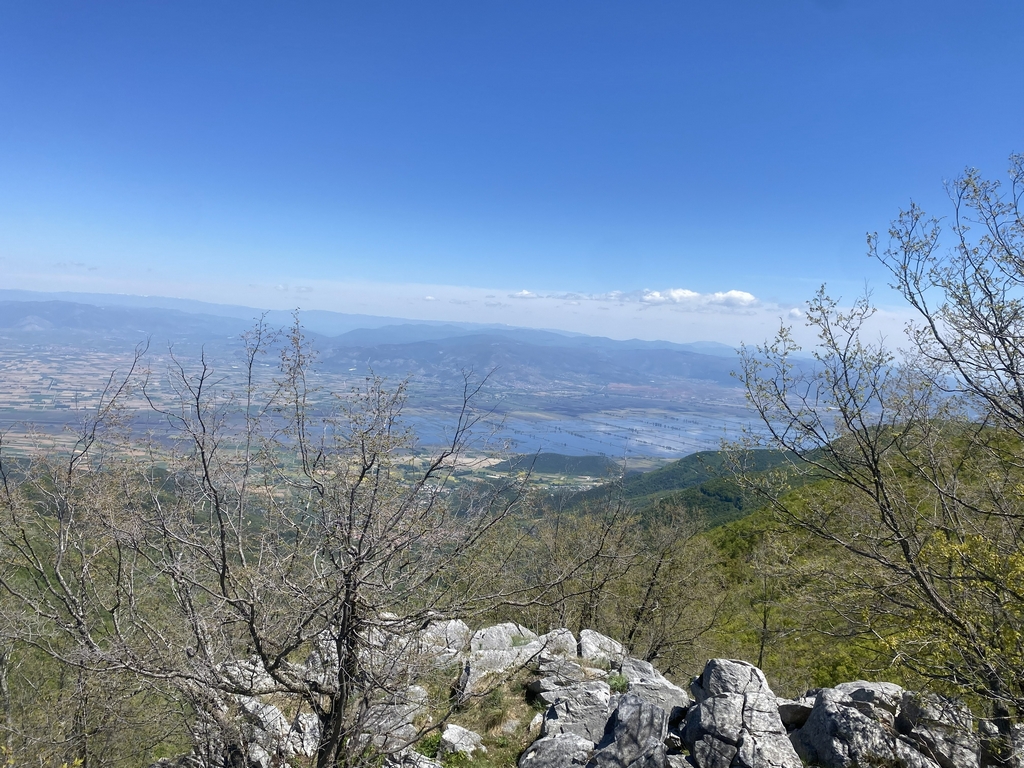
View from Mt. Pangeon of wetlands below
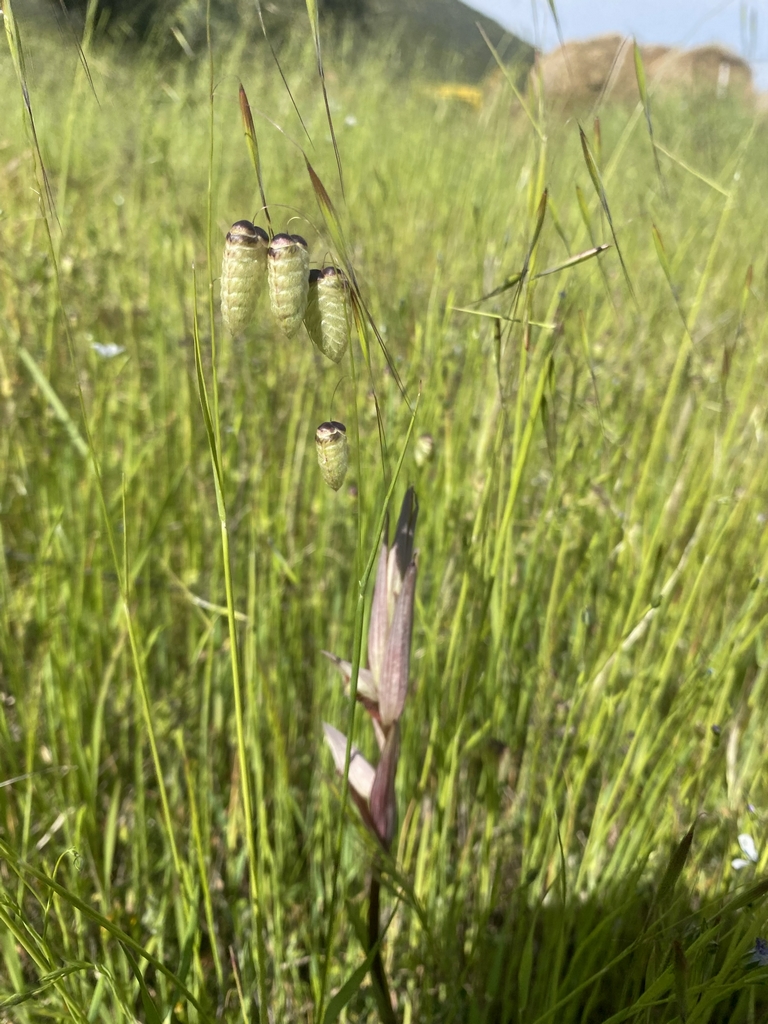
Briza maxima, Serapias orchid behind
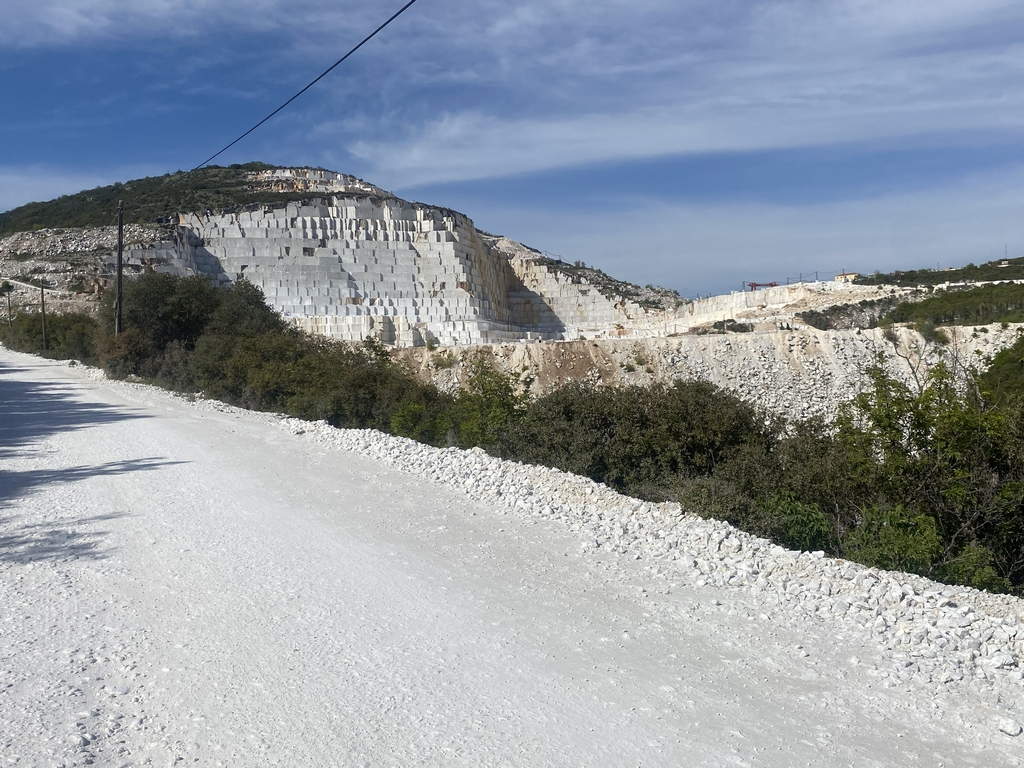
Kavala Marble Quarry
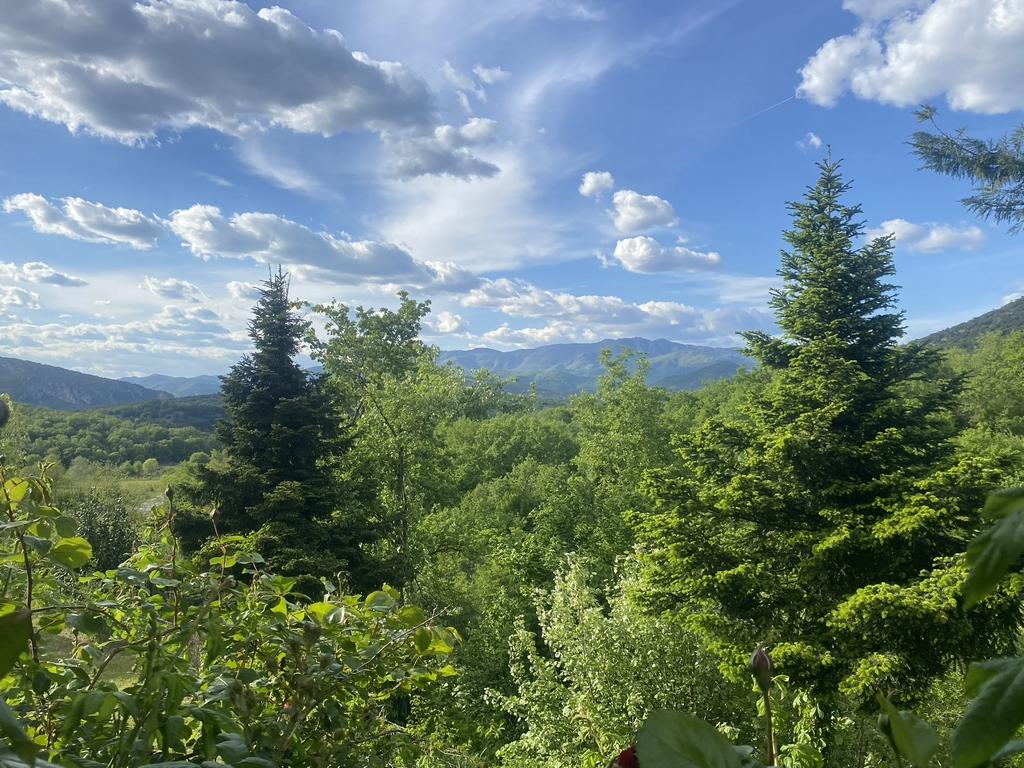
Tranquil forest surrounding Hotel Nemesis
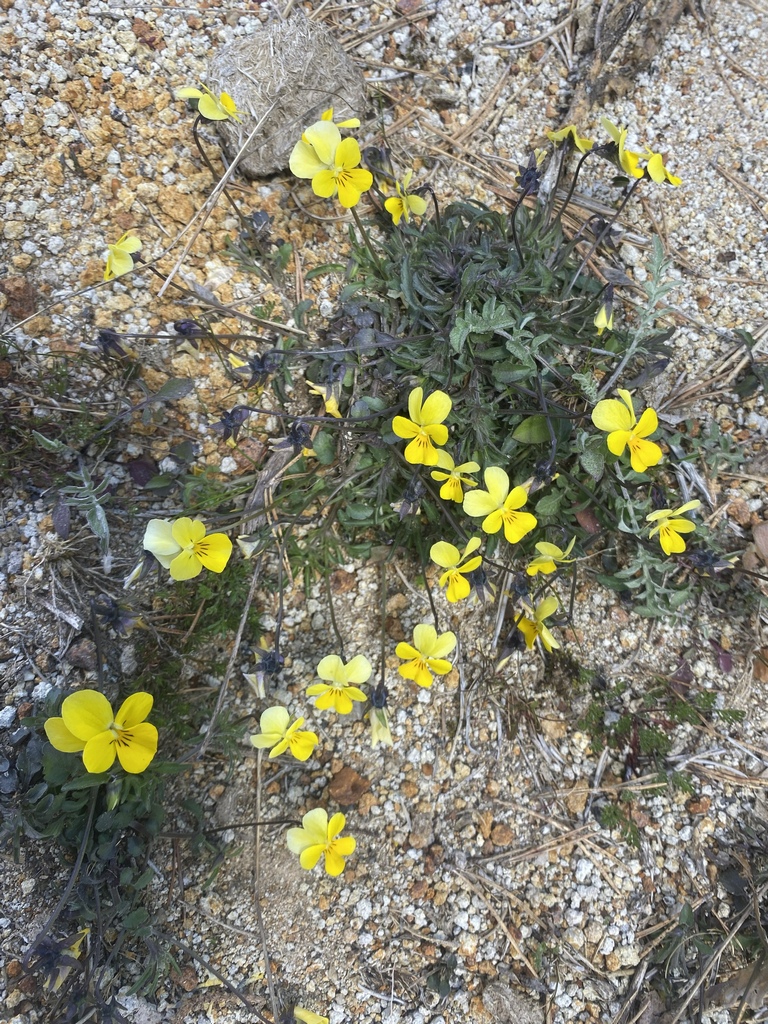
Viola rhodopea
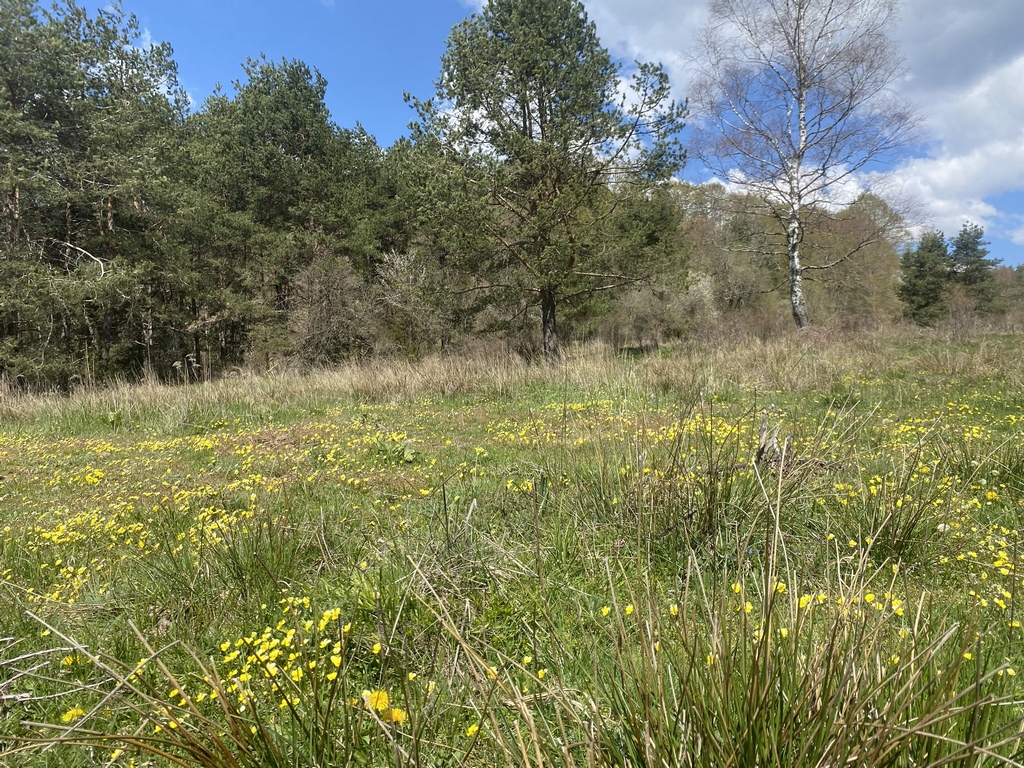
Drifts of Viola rhodopea in streamside meadow
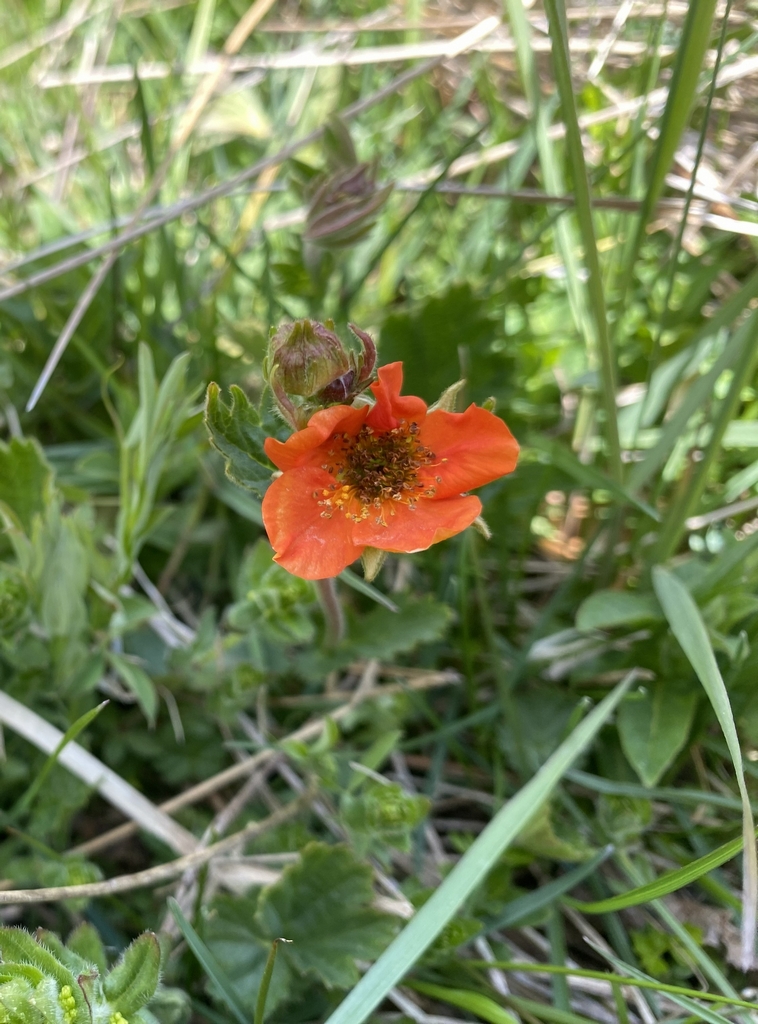
Geum coccineum
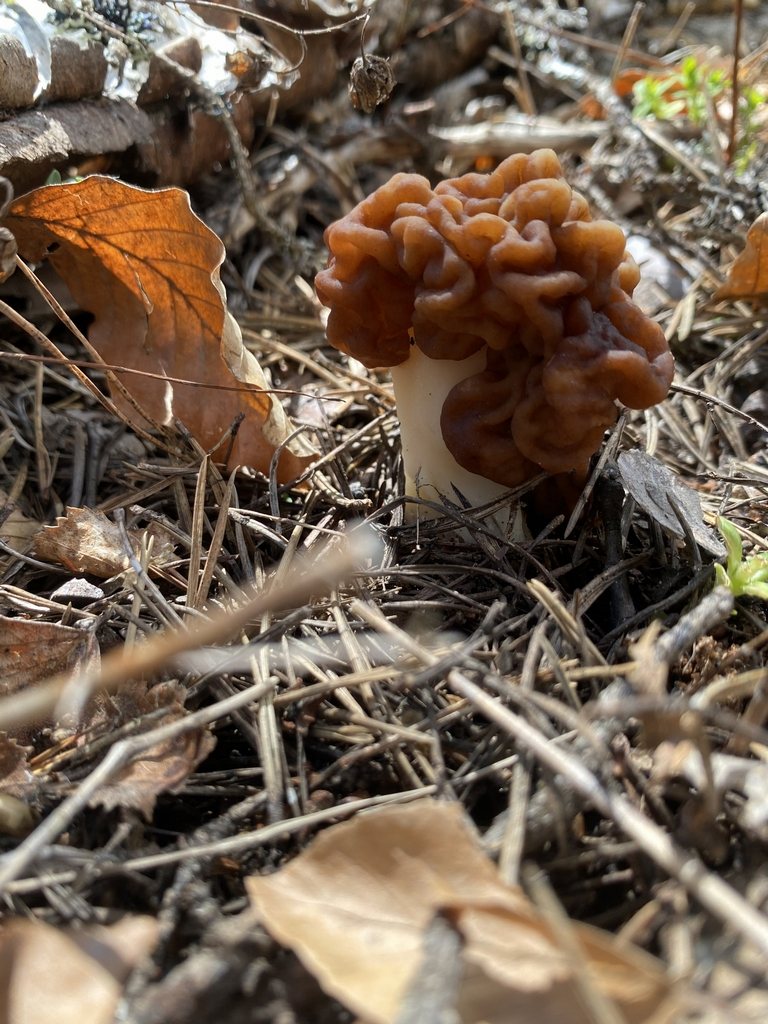
Gyromitra esculenta
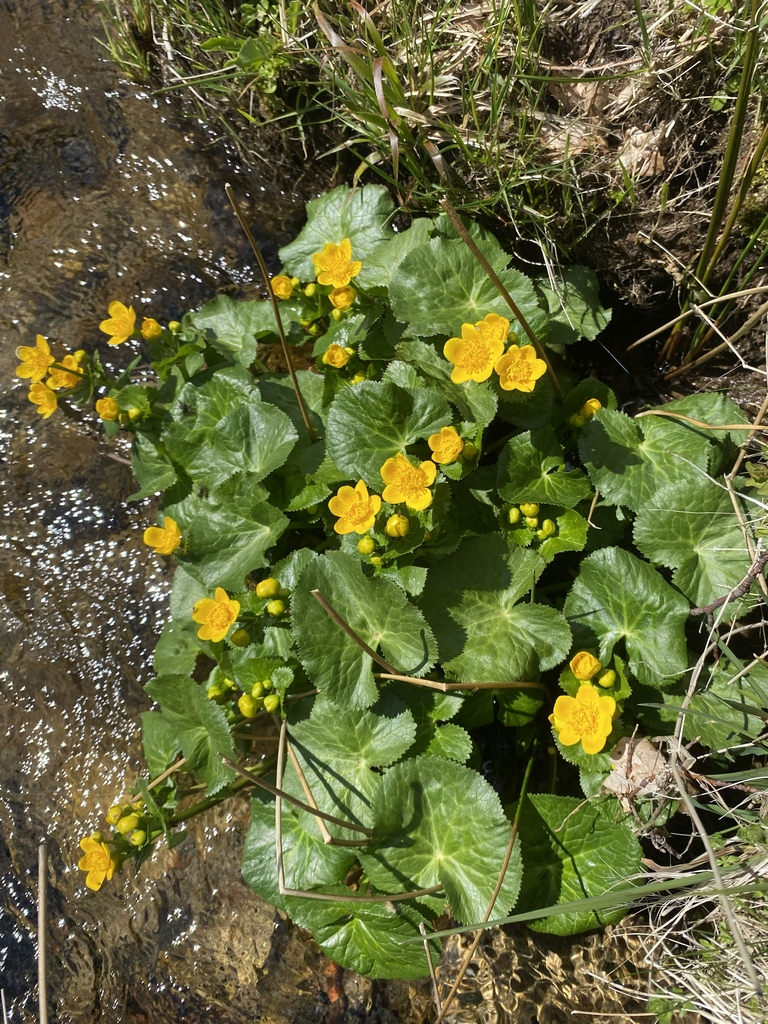
Caltha palustris
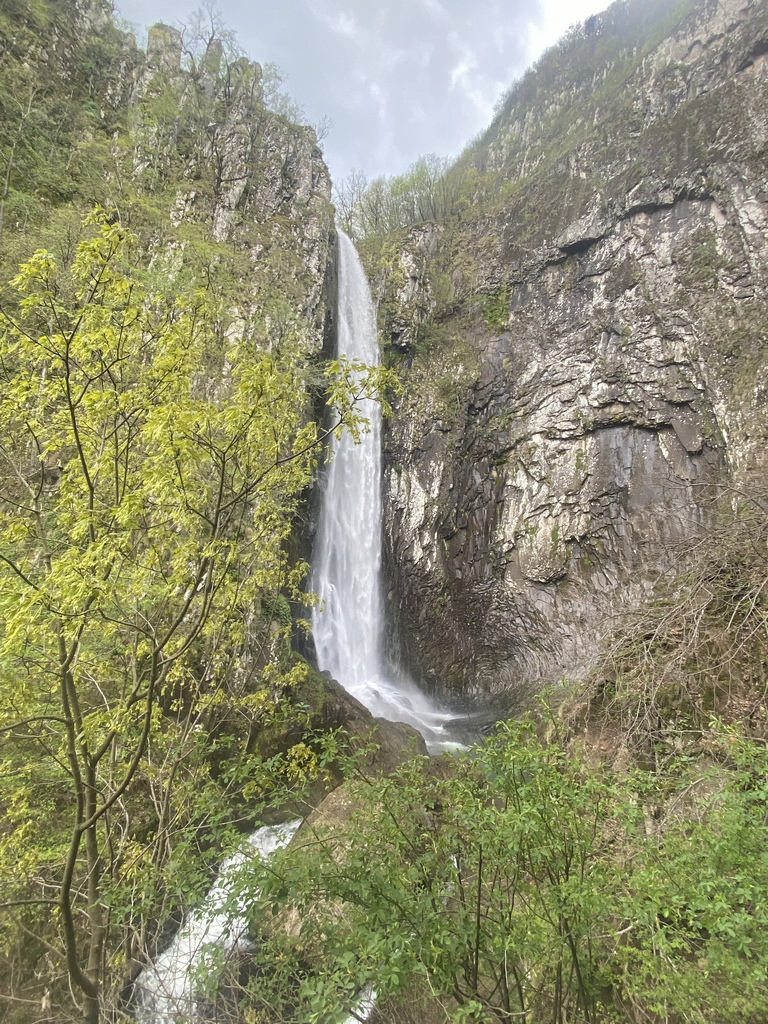
Levaditis waterfall
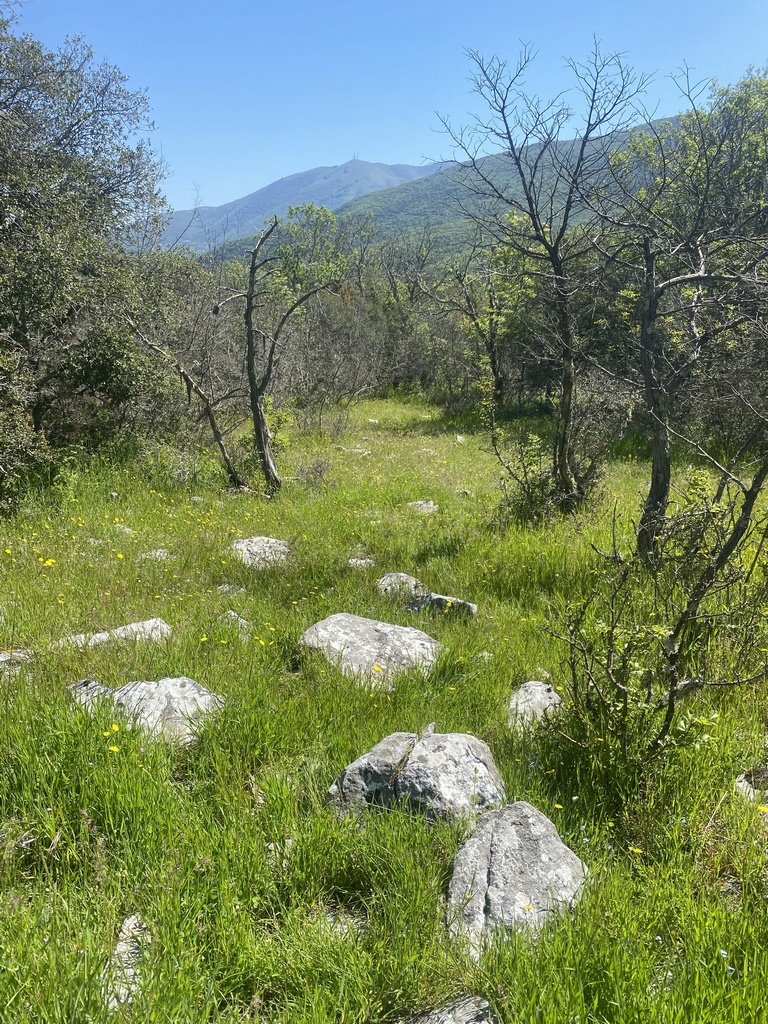
Mediterranean scrub
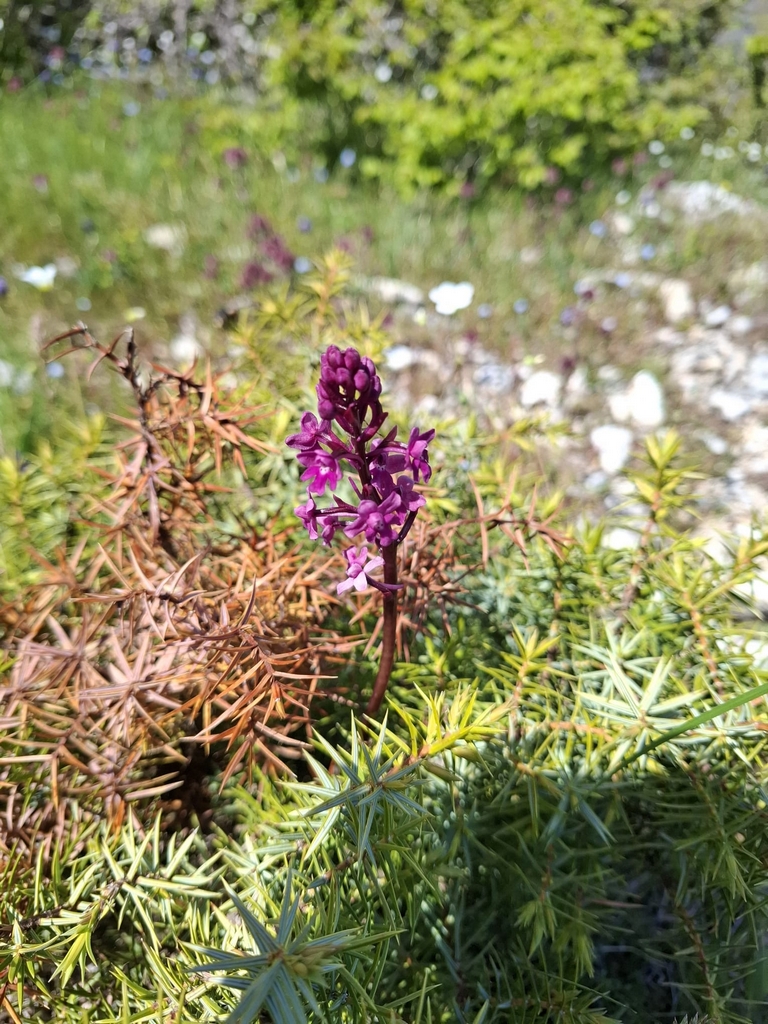
Low growing, spiny vegetation protecting orchid flower spike (by Jane Furse)
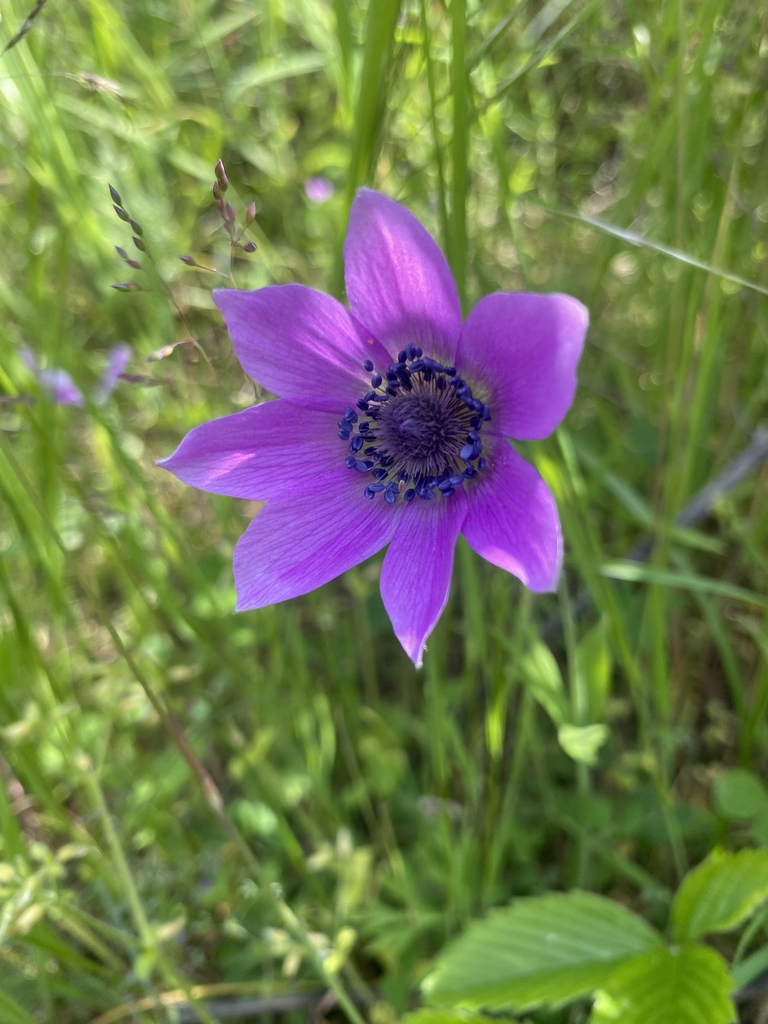
Anemone coronaria
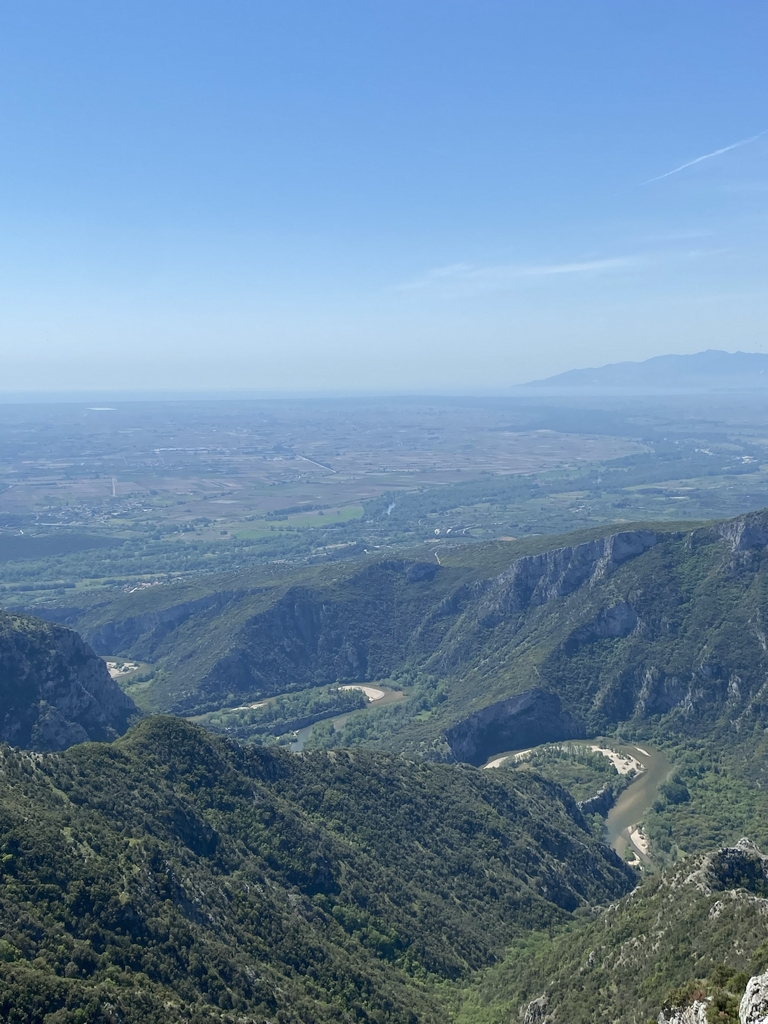
View of Nestos Gorge with island of Thasos in Northern Aegean Sea
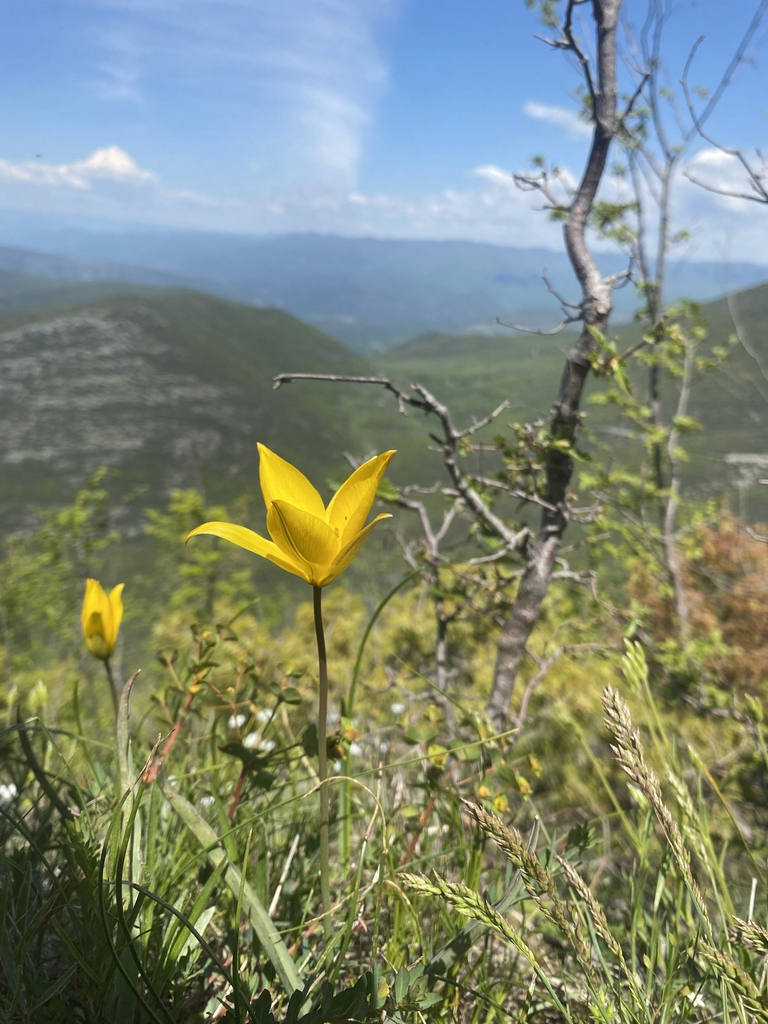
Tulipa sylvestris
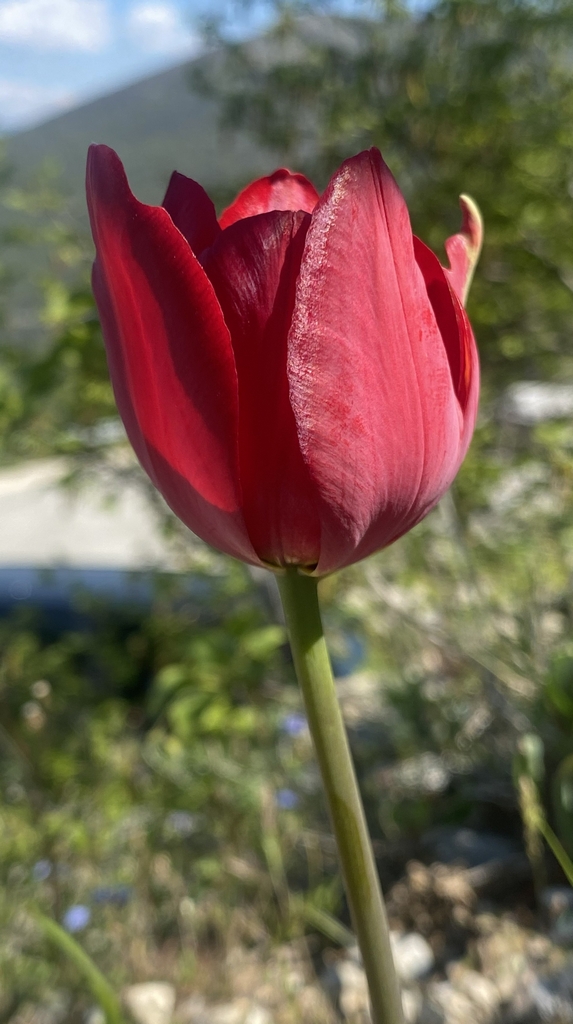
Tulipa rhodopea
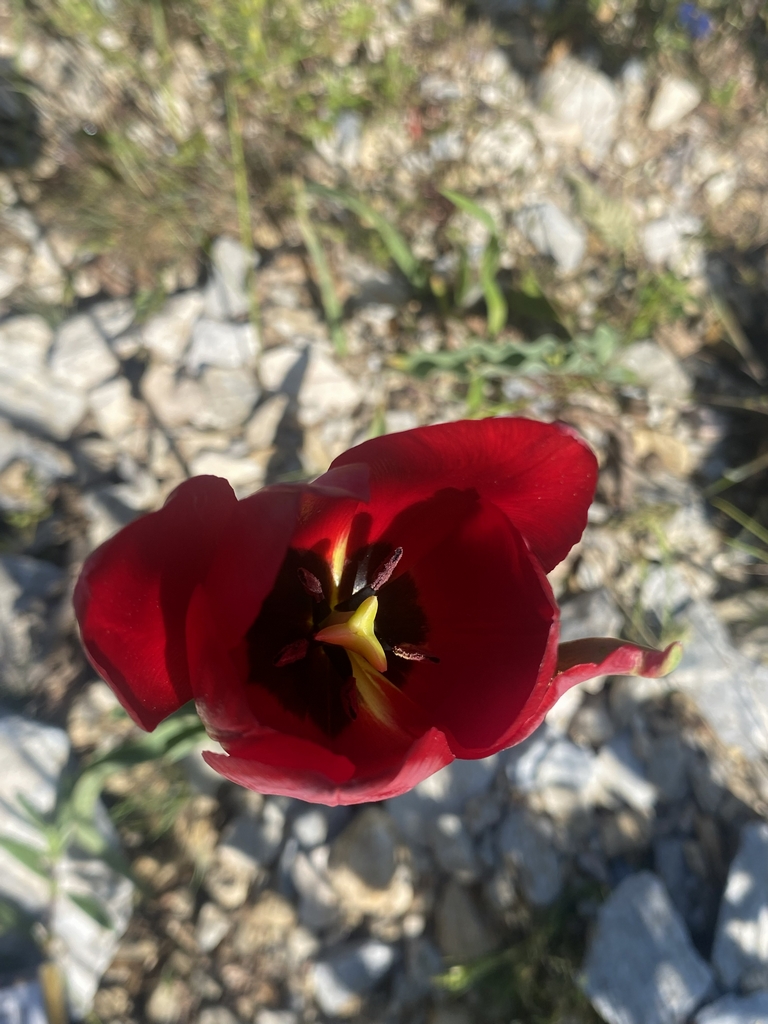
Tulipa rhodopea, detail
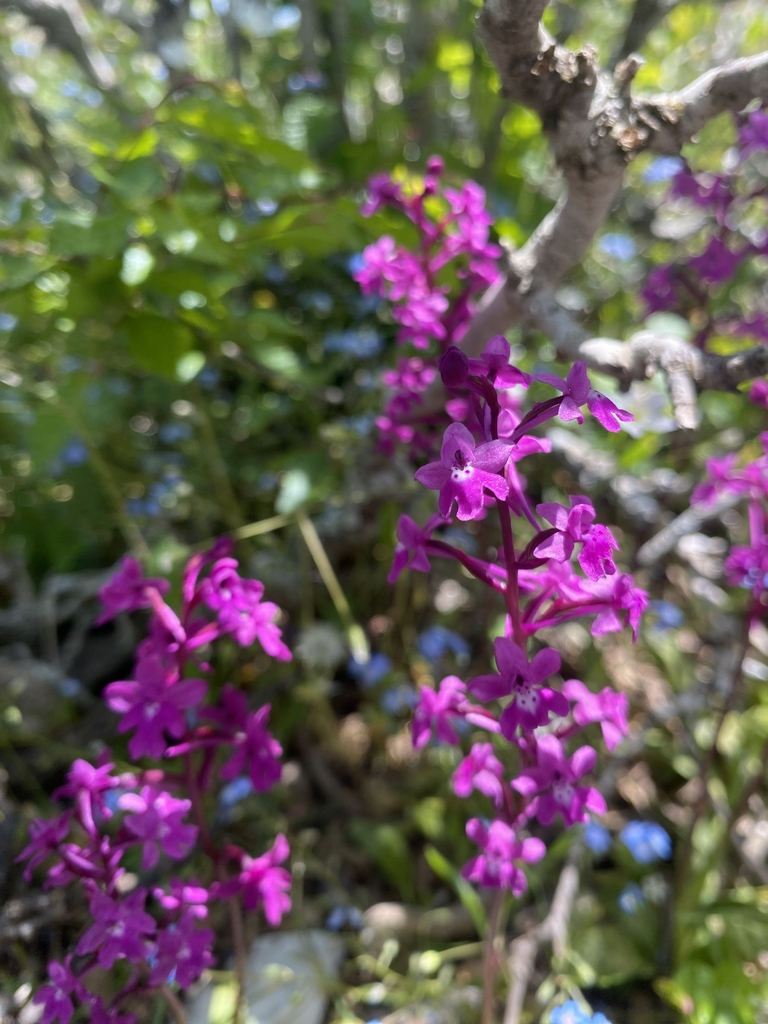
Orchis quadripunctata showing characteristic four spots on white basal area of labellum
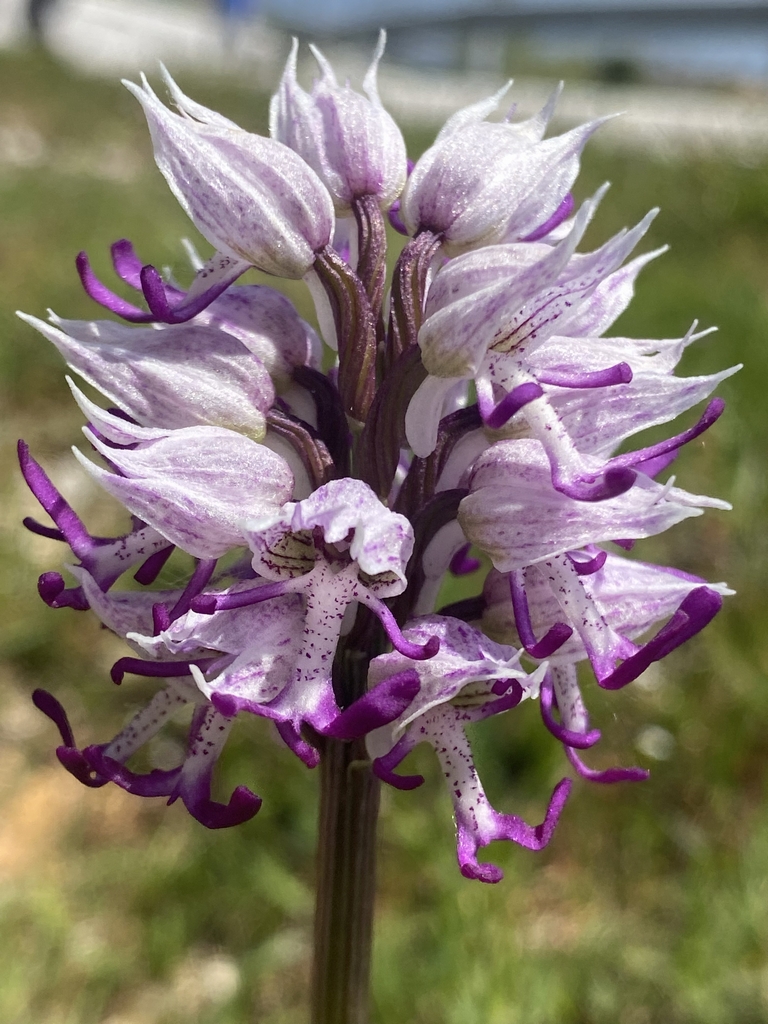
Orchis simia
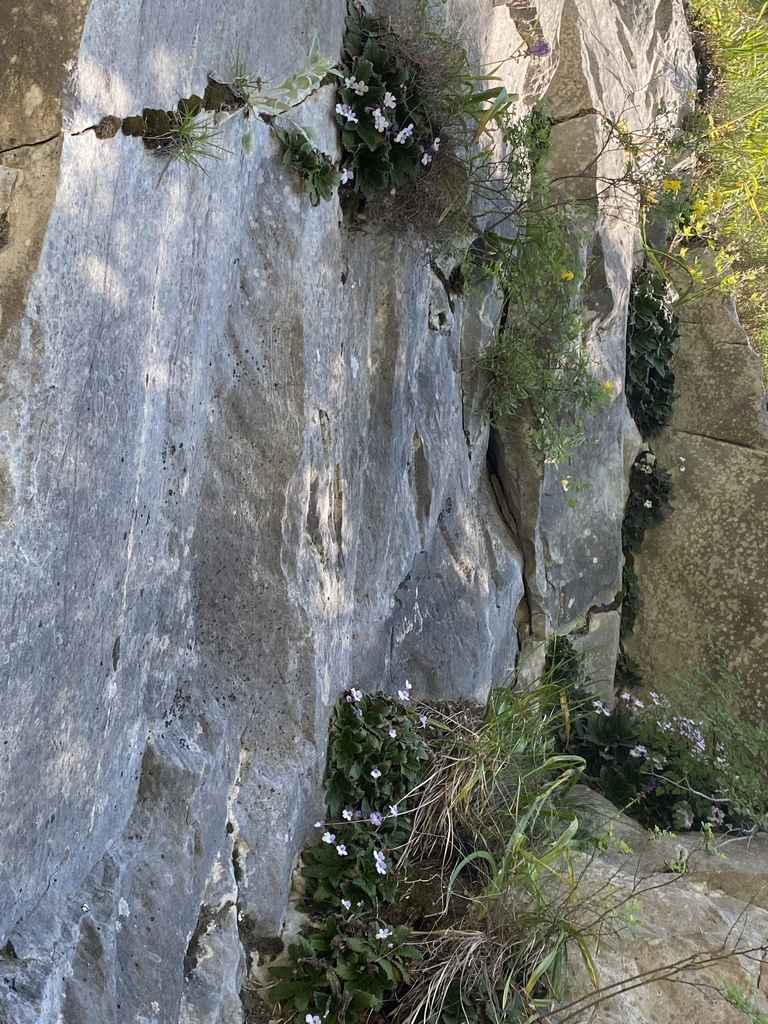
Haberlea rhodopensis in shady cliff face
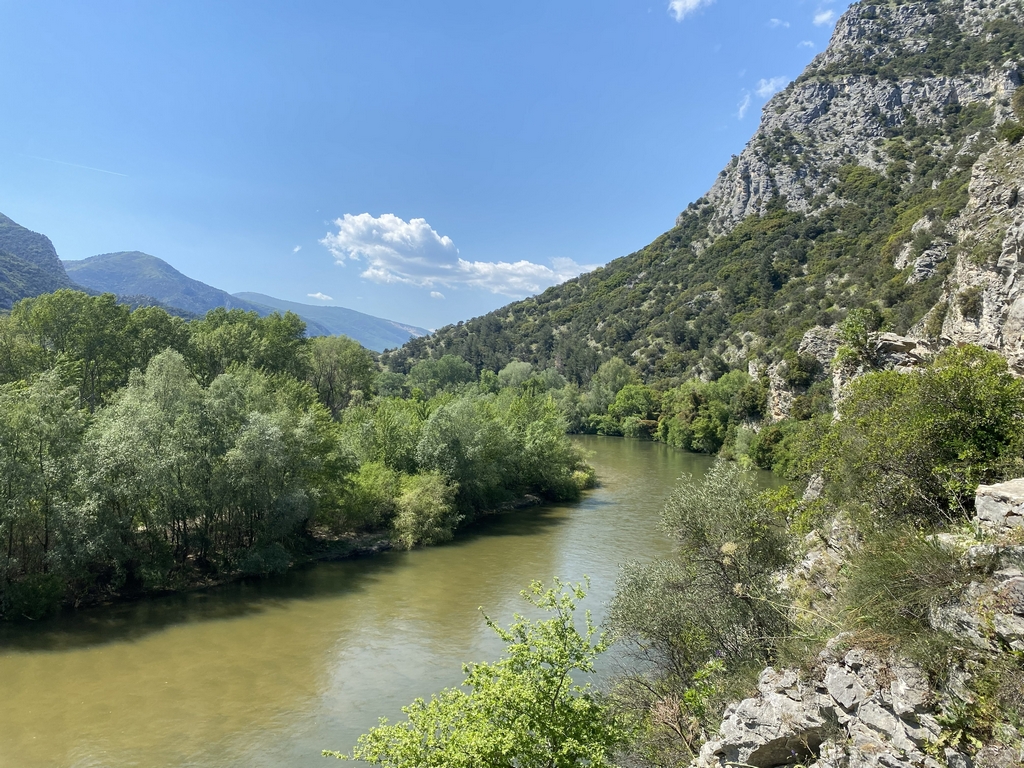
View through wild olives across Nestos river