
Wild flora and sights of Cyprus
Wednesday 25 February – Wednesday 4 March 2026
An MPG tour means a trip with convivial and knowledgeable people and one not only sees wonderful wild flowers, but also has other tourist experiences. We were a group of 17 singles – 13 women and four men, with two from the Netherlands and one who lives in Barcelona. After the transfer from the airport to our hotel in the old town of Paphos, we could walk to our local restaurant after a briefing from our guide, Dr Yiannis Christofides. He was able to recommend particular local dishes and the wine flowed on that first evening.
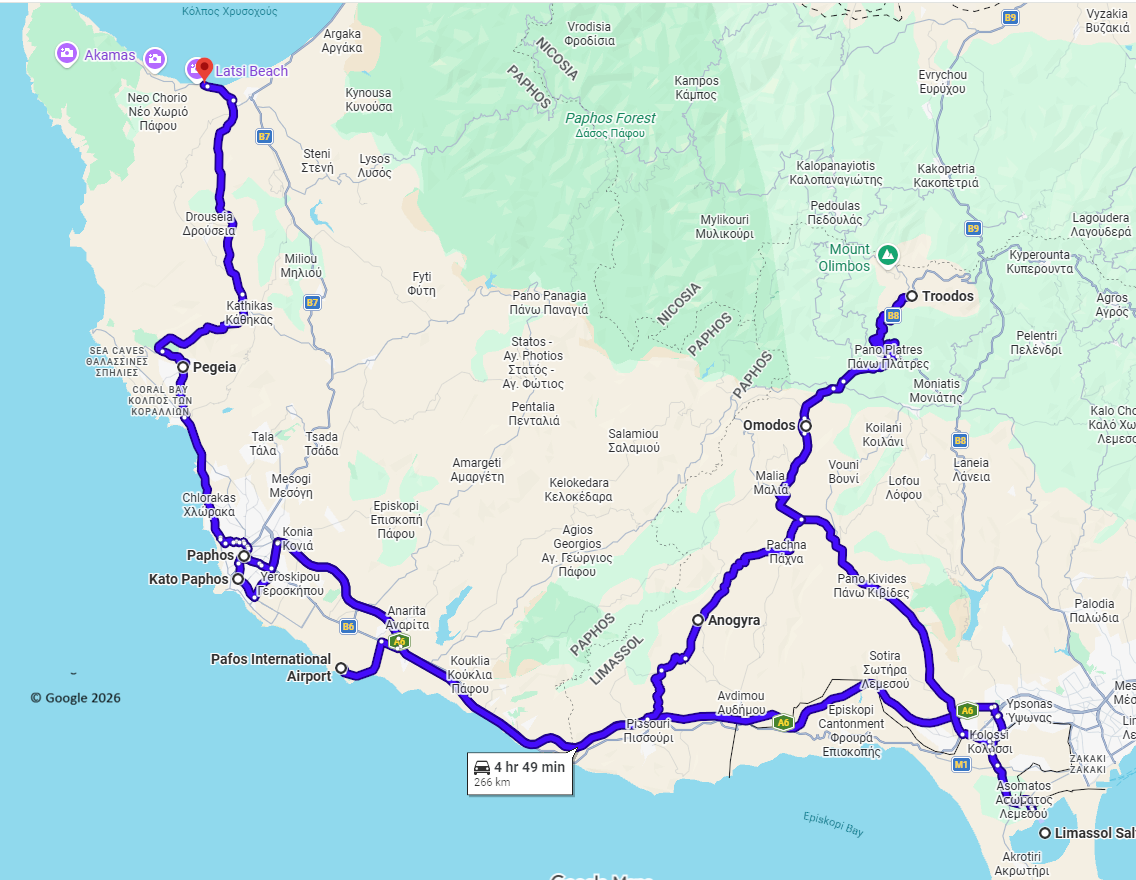
Map of the trip
On Day 2, Thursday, first we visited a large bakery to buy our picnic lunch. It was full of the most tempting pastries. We were to spend the day in Paphos itself focusing on archaeological sites, which also had abundant flora.
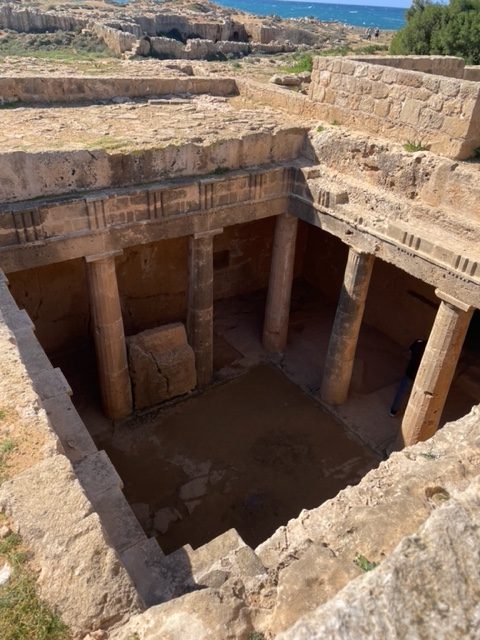
One of the Tombs of the Kings
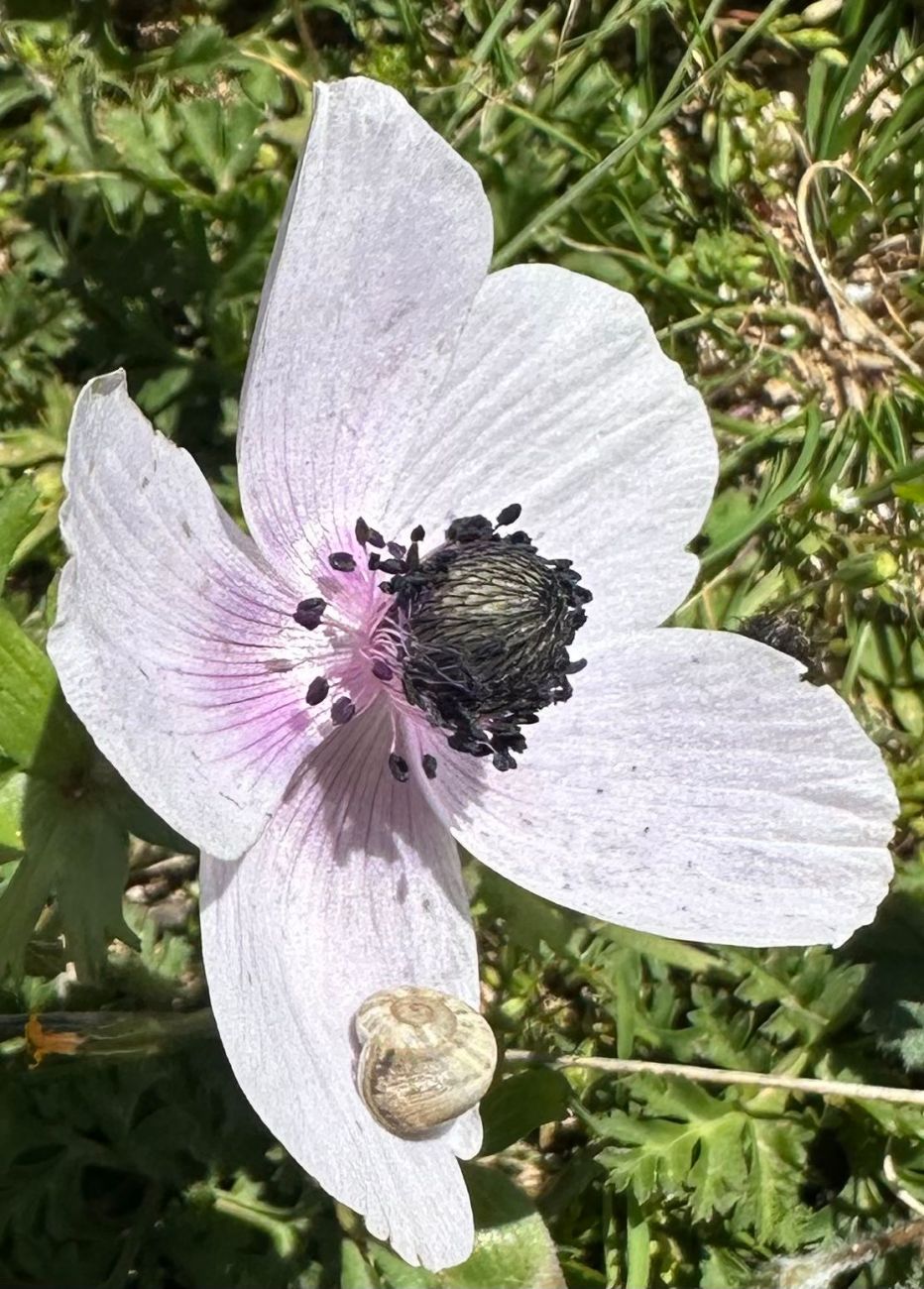
Anemone coronaria
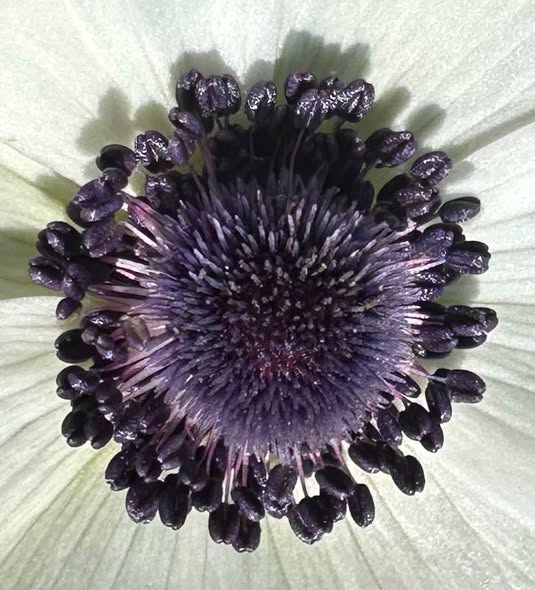
Anemone coronaria
At the Tombs of the Kings, there was quite a strong cold breeze as we stood learning about the typical plants of the garigue. The Cyclamen persicum growing out of rock crevices were particularly noticeable. The impressive tombs are between the road and the sea, with various plant habitats. We saw the endemic Helianthemum obtusifolium, plus Thymus capitatus, Fumana thymifolia, Ornithogalum pedicellare, Moraea sisyrinchium, Mandragora officianalis and orchids with nice examples of Ophrys flavomarginata. The beach area provides example of sand dune habitat with the prostrate Paronychia argentea and bright Senecio glaucus cyprius.
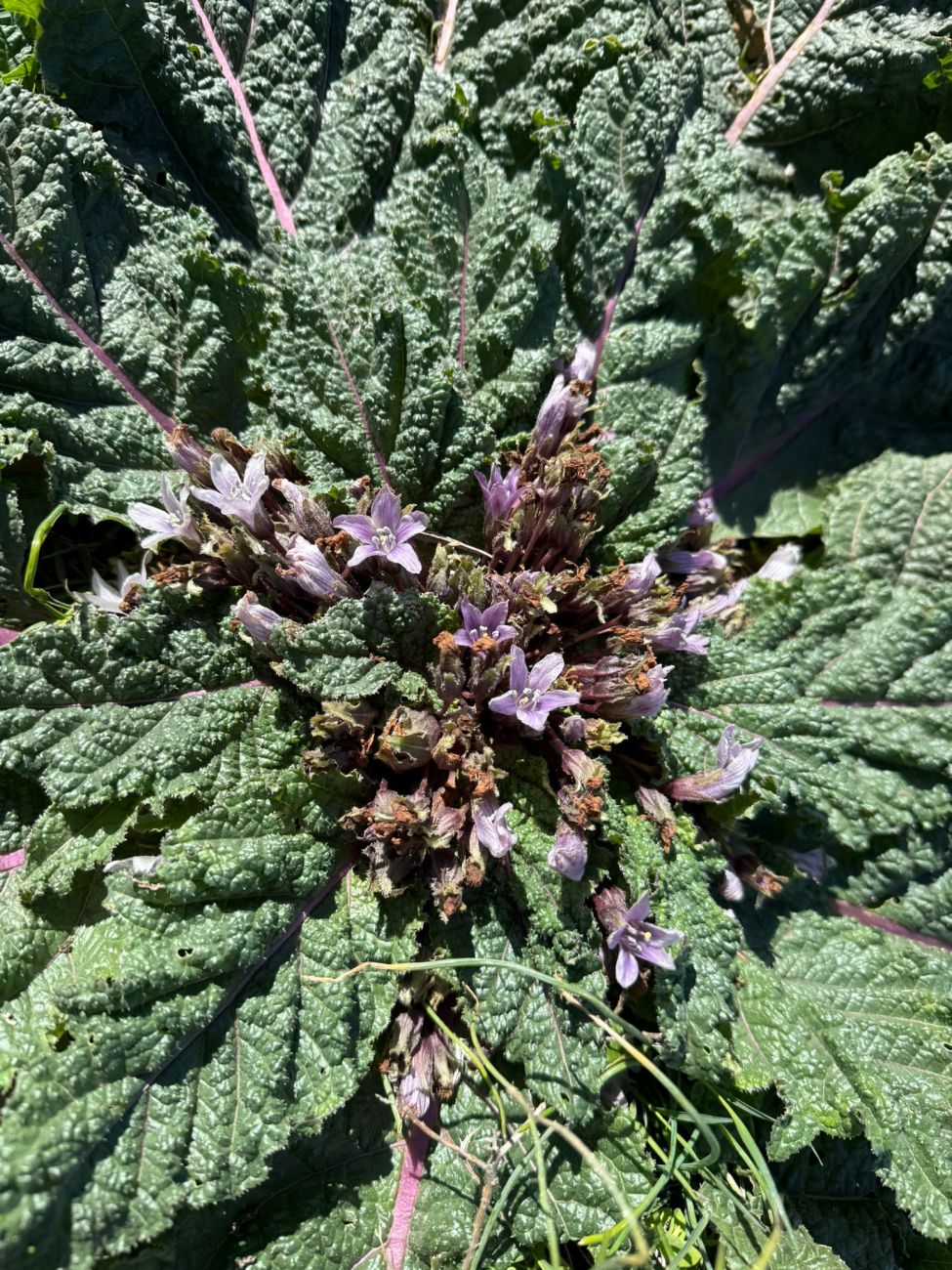
Mandragora officianalis
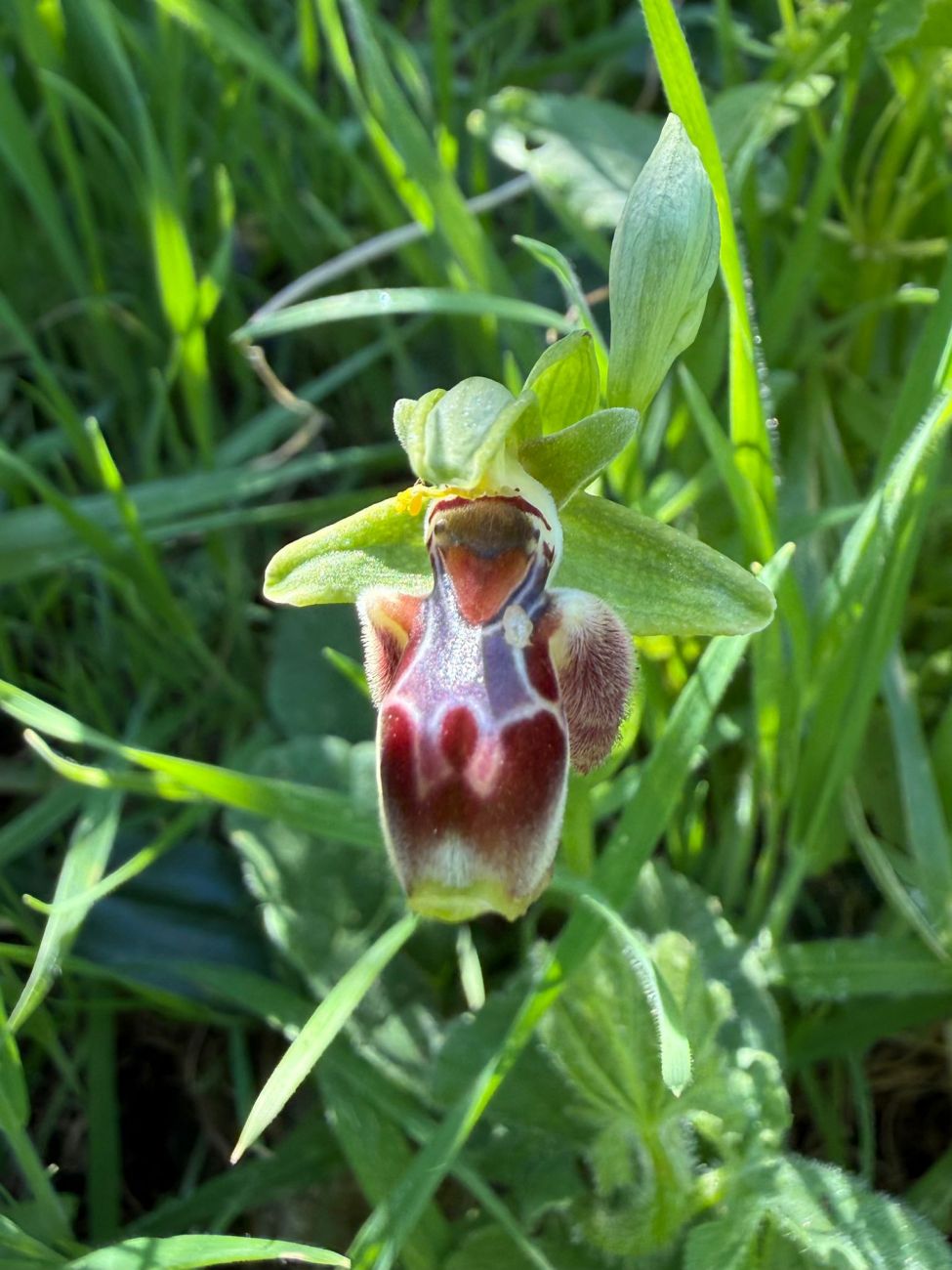
Ophrys flavomarginata
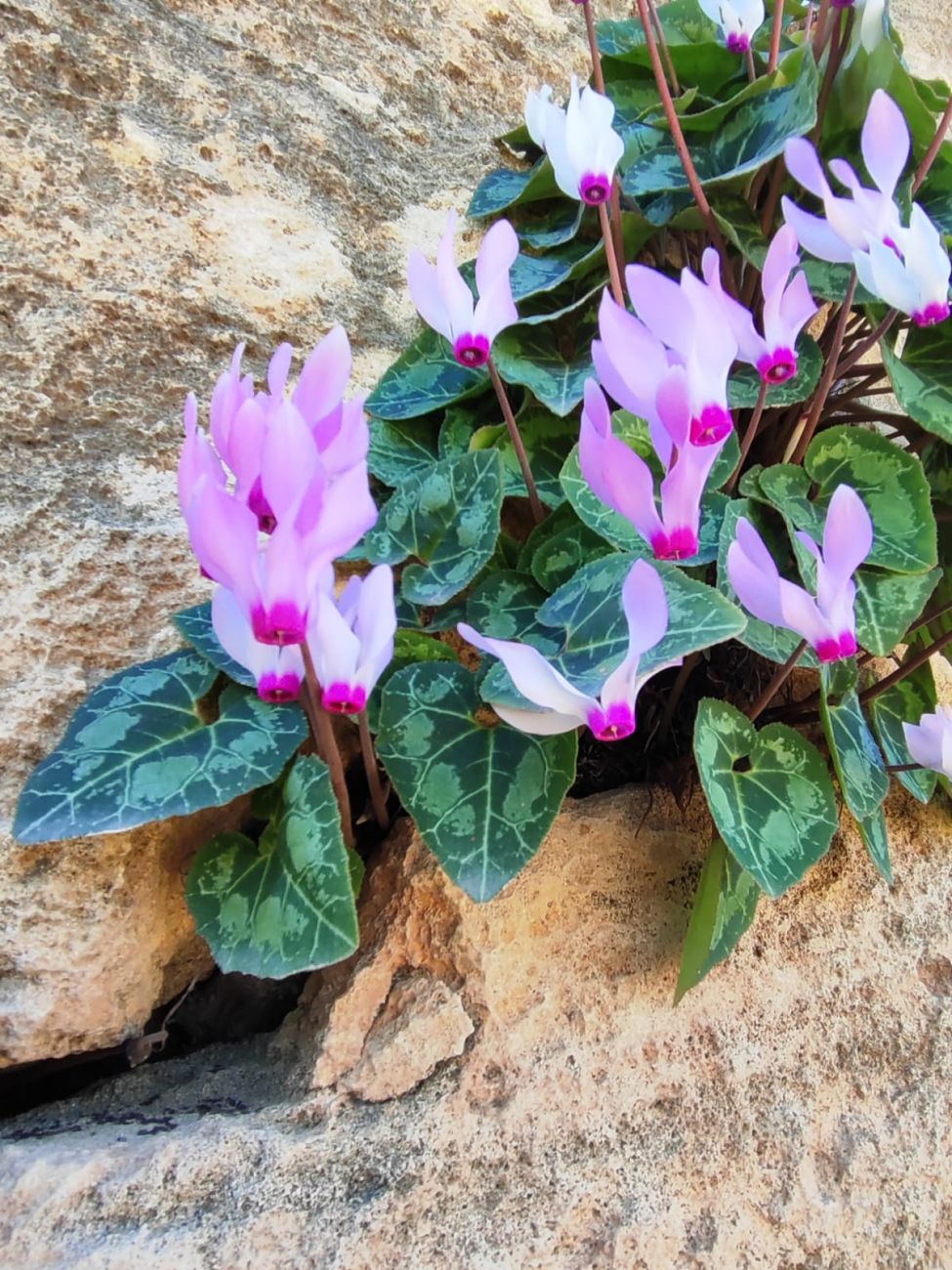
Cyclamen persicum
We ate our picnic lunch at the entrance to the World Heritage Archaeological area with the most amazing Roman mosaic floors which deserve their World Heritage status as they are well preserved and contribute greatly to Roman history.
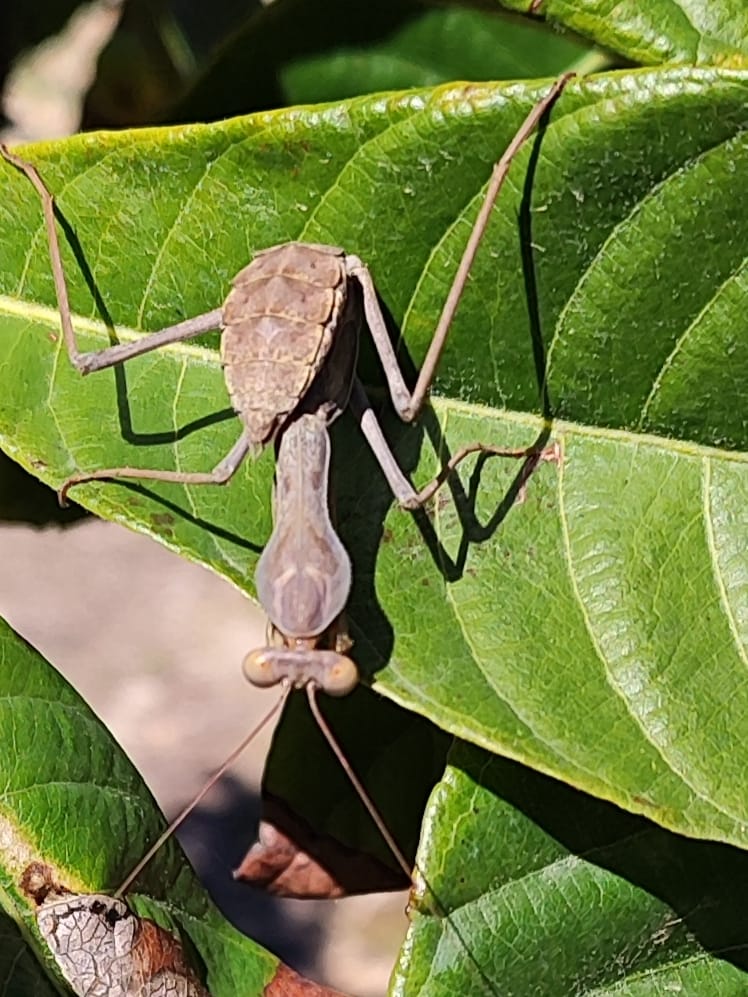
Praying mantis
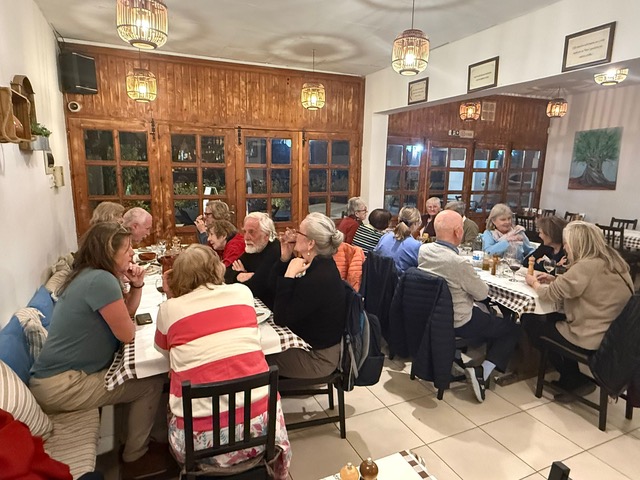
First supper
Day 3, Friday, started at an even bigger and better bakery which sold more delicacies, including freshly squeezed orange juice for our picnic. Because of strong wind in the mountains, we went south to Akrotiri. There were lovely sea views along the road and we saw chalk falling down the cliffs into the sea at Aphrodite’s birthplace. There we found Erodium crassifolium, Fagonia cretica, Taraxacum aphrogenes and Scorzonera alpigena. In the forest near the sea in the British military area, we met a man who was in charge of the local environment and complained of alterations to a local road which had damaged some precious plants. We then continued on our way to the salt lake, stopping at Episkopi forest where we saw Juniperus phoenicia, Cypressus sempervirens, Pinus brutia and Cistus salviifolius. We arrived at the salt lake and found saline garigue with Helianthemum stipulatum, Alkanna tinctoria and a few orchids. Our picnic lunch was taken at a meadow with Anemone coronaria, Ranunculus asiaticus and several new orchids. We saw Ophrys flavomarginata, O. sicula, O. kotschyi (a signature endemic of Cyprus), O. umbilicata and Anacamptis syriaca. On the bird list were two lonely Greater Flamingos and we photographed a lovely yellow butterfly.
We were not to know that the Akrotiri airbase was to cause some grief in a few days’ time after Iran sent a drone there, causing our flight home to be cancelled.
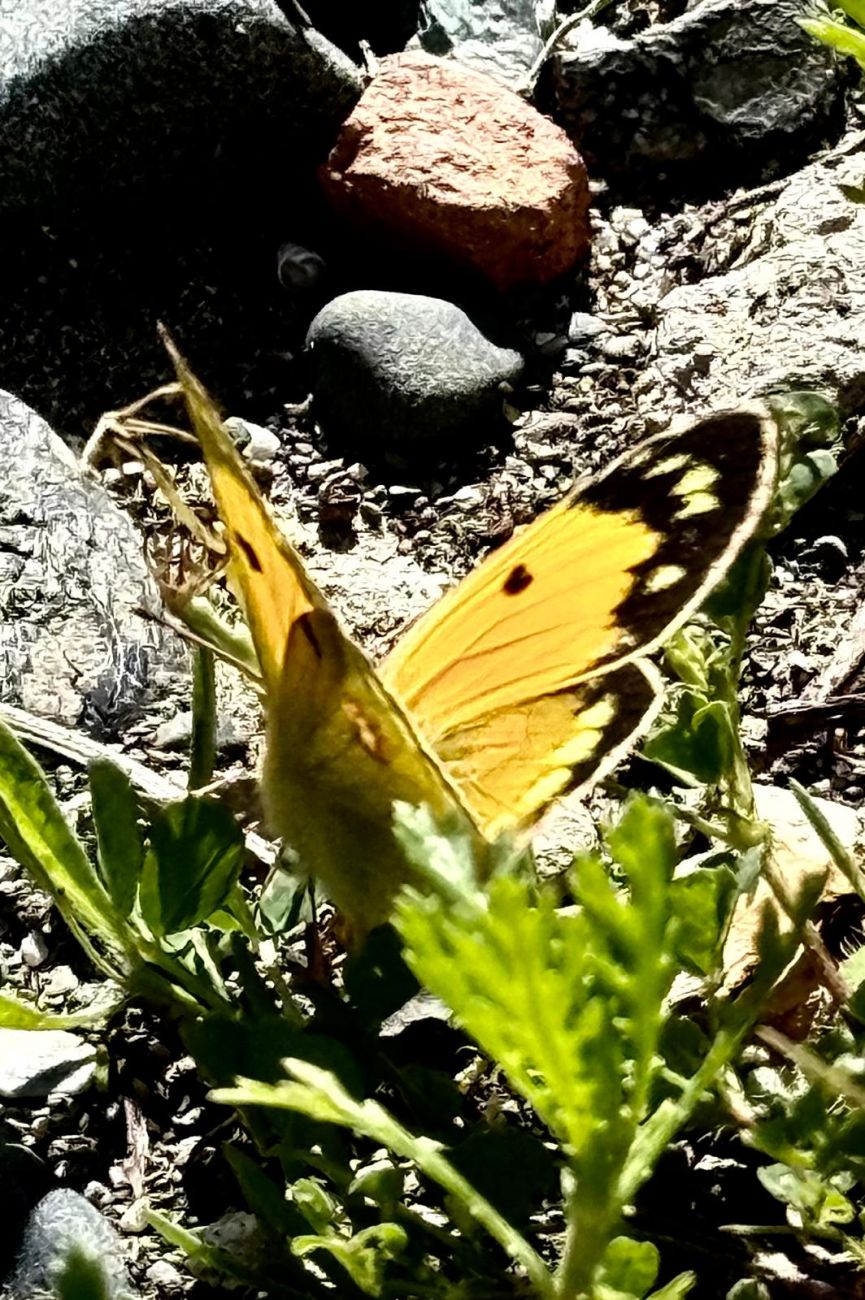
Clouded yellow butterfly
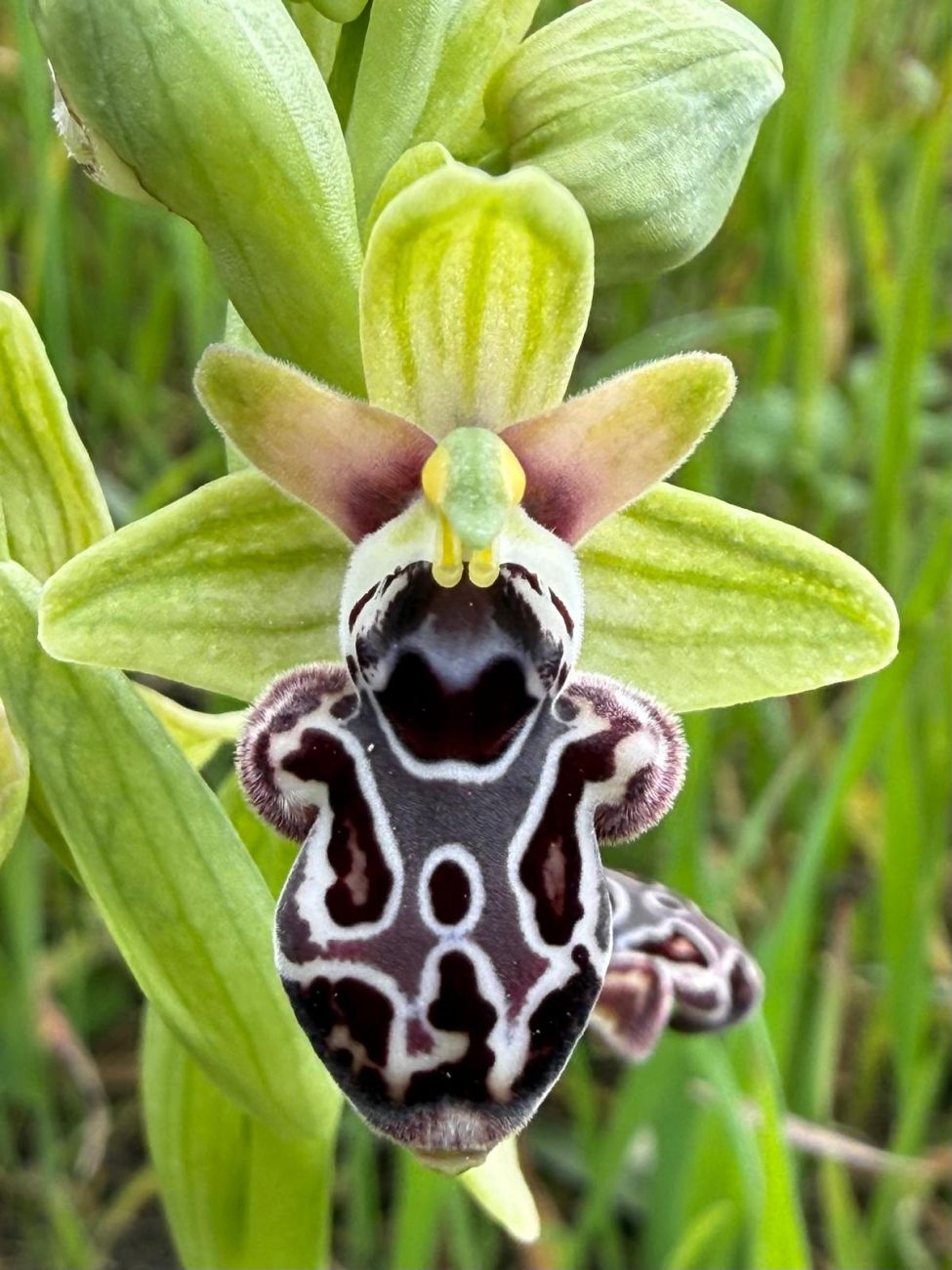
Ophrys kotschyi
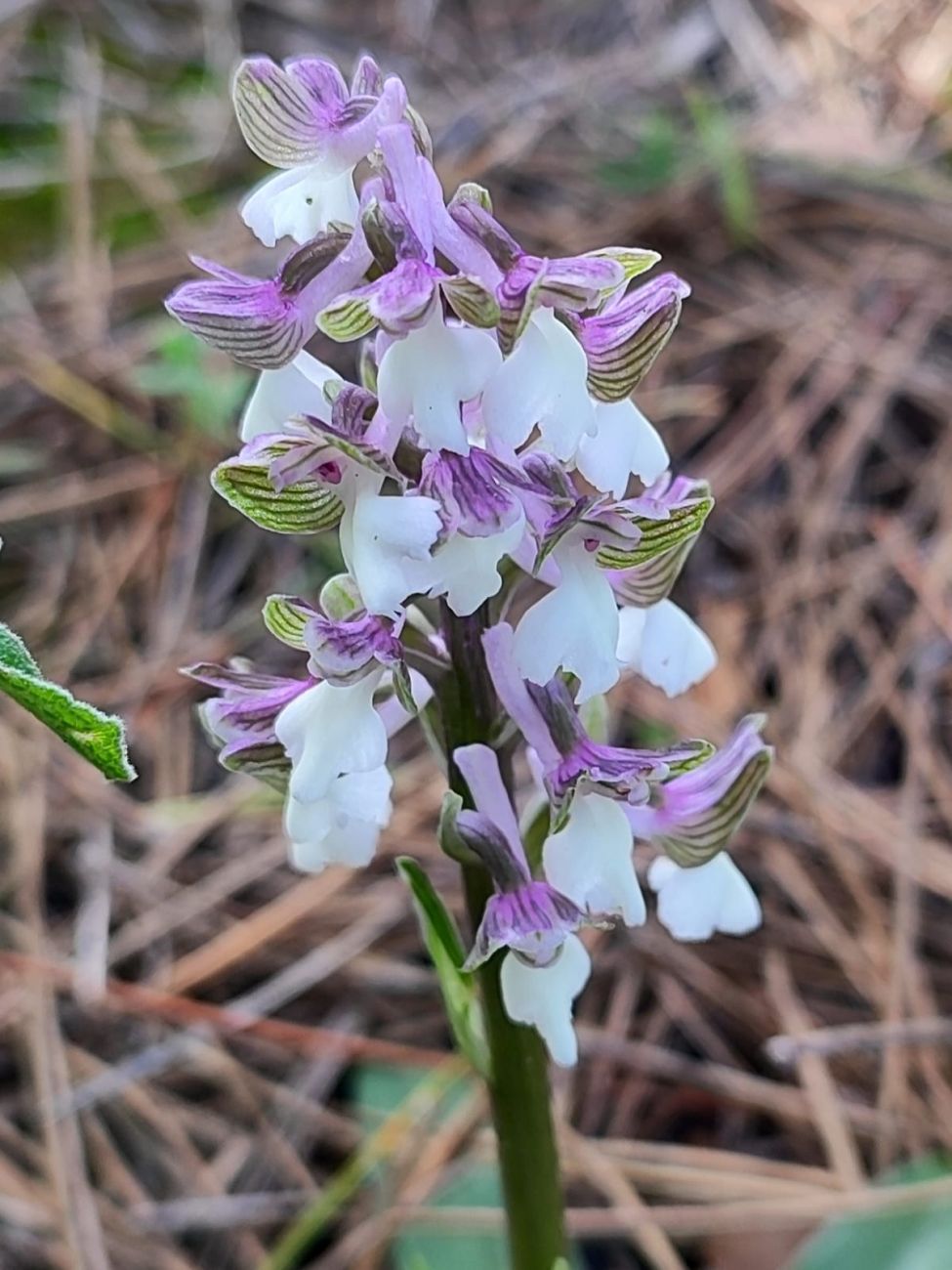
Anacamptis syriaca
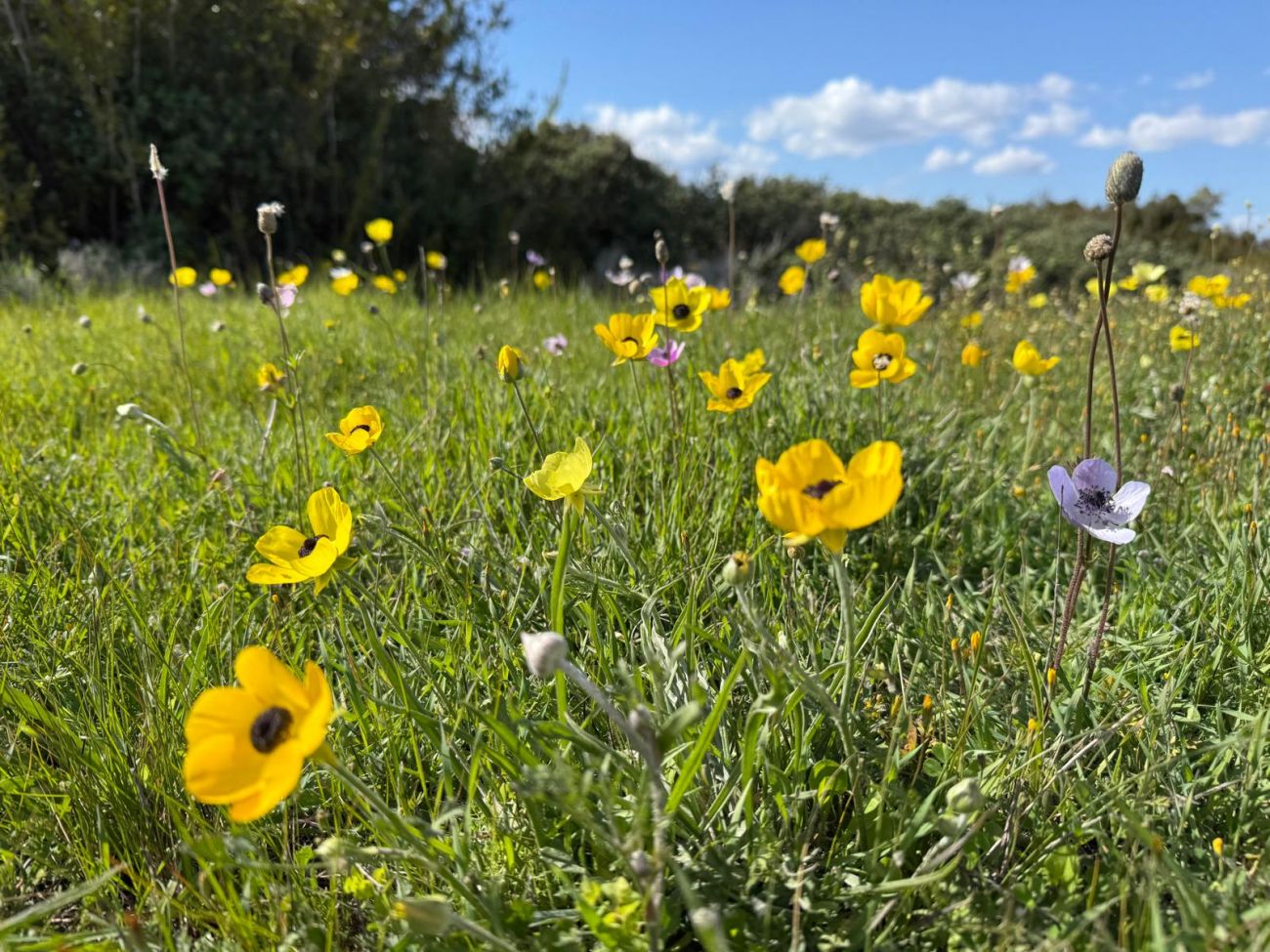
Ranunculus asiaticus
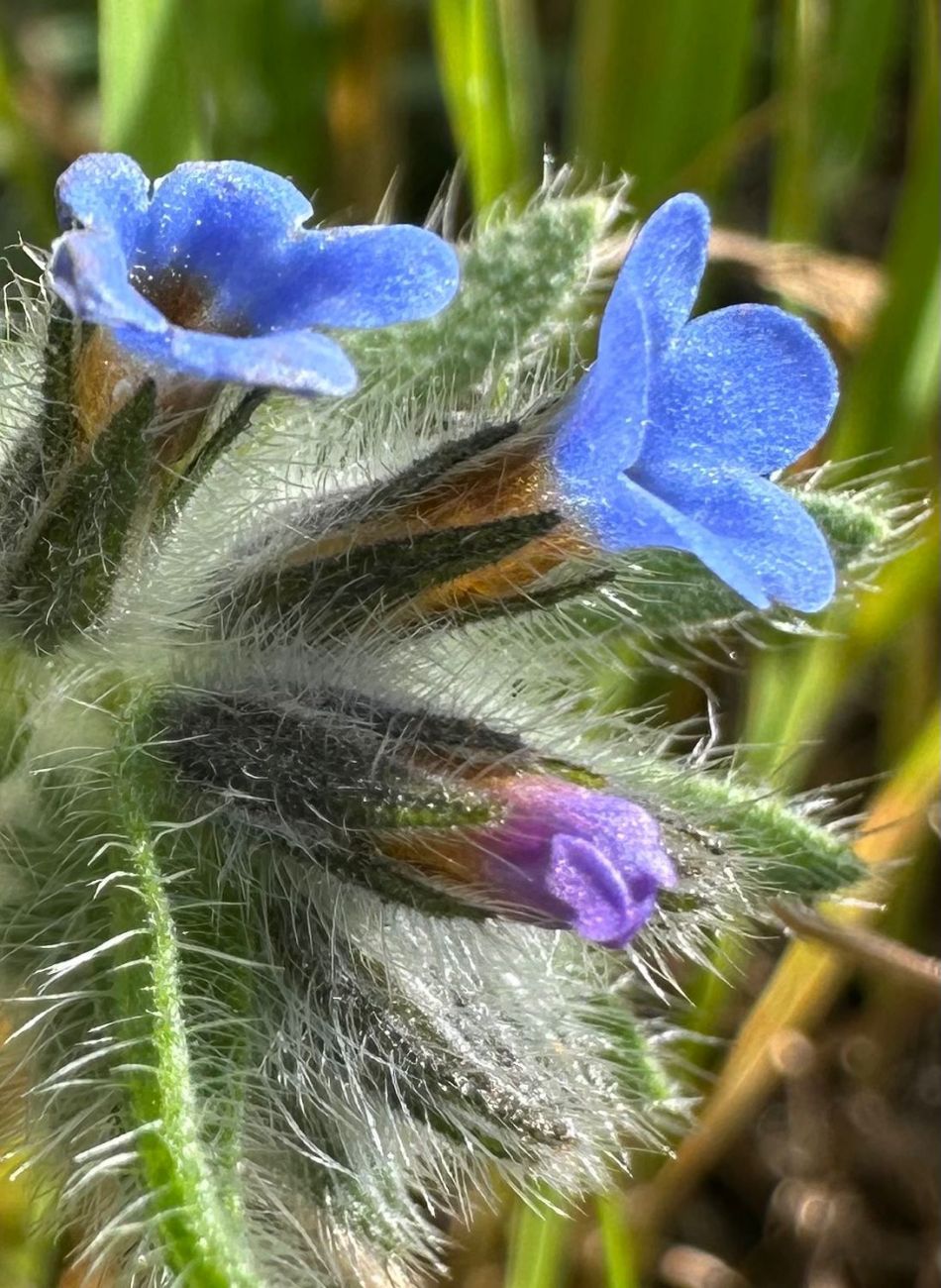
Alkanna tinctoria
Day 4, Saturday, started with a drive towards the Troodos mountains which rise to 2000m, so there was a change of scenery as we headed up the Diarizos valley. Our first stop was at an orchid-rich meadow where we saw Himantoglossum robertianum, Orchis italica, Ophrys sicula, and others. We saw two new butterfly species, the Eastern Festoon and Orange tip. We then continued on our way, stopping at the mountain wine village of Omodos, with characteristic architecture, interesting craft shops, a most impressive wine press and a beautiful church with fine chandeliers. We had our picnic on park benches above the village. and then we drove up towards Mount Olympus through a village which had been a fashionable resort in the 19th century.
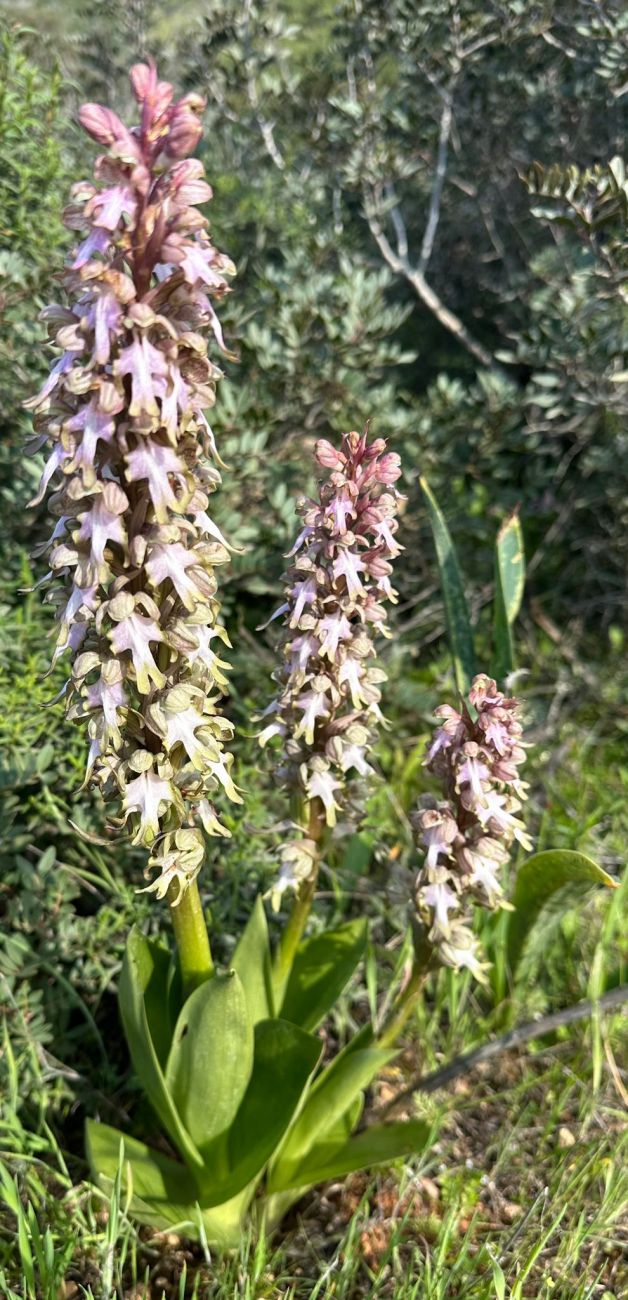
Himantoglossum robertianum
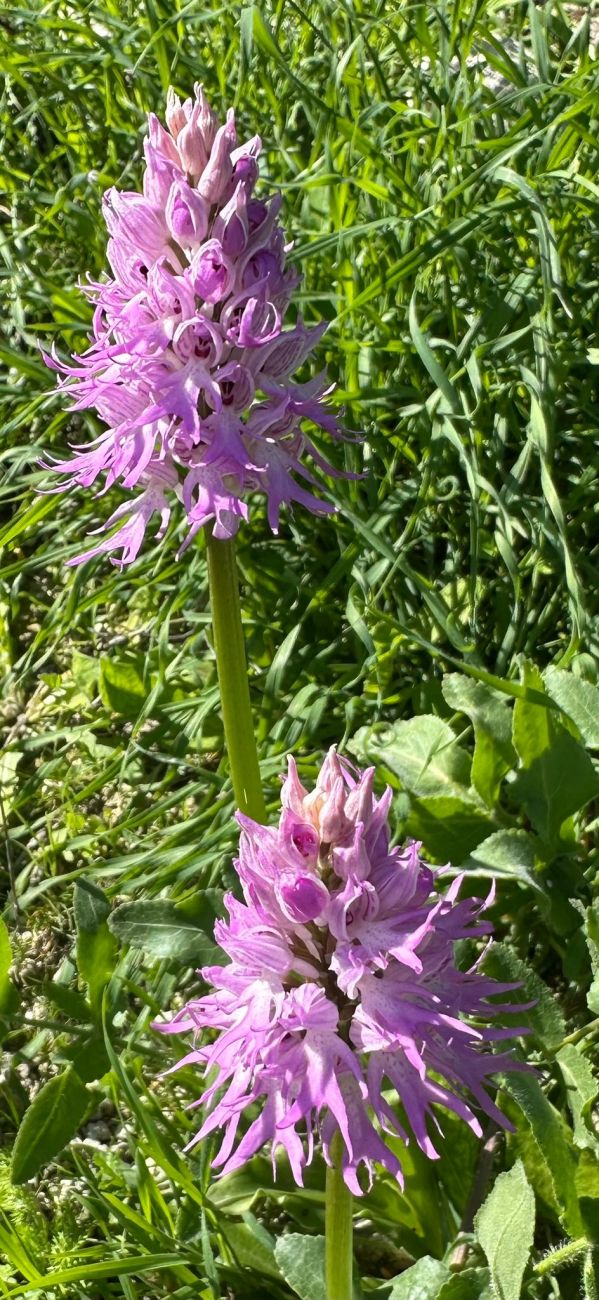
Orchis italica
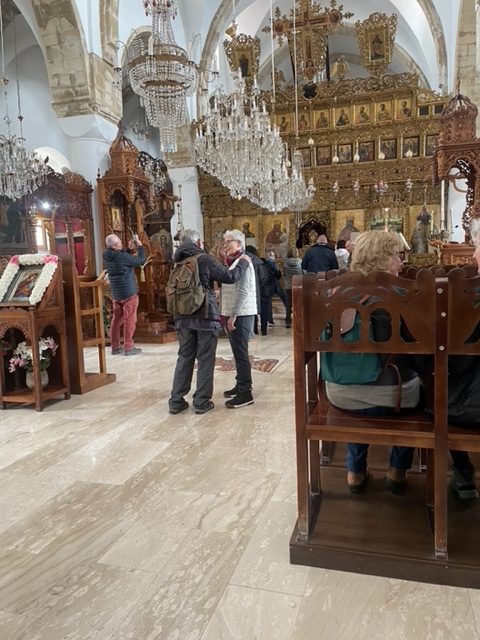
Church in Omodos
At the top of the Troodos mountains, most of the winter snow had already melted but we did manage to find a few Crocus cyprius in flower after donning our “winter woollies”. It was snowing a bit at the time when we were close by the fence of the British radar station at the top of the mountain. We then started on the return journey, seeing a large area of multicoloured anemones and having an unexpected delight when we stopped in the centre of a stone village called Anogyra, and Yiannis showed us his own garden – with some rare and endangered species. It was spectacularly beautiful too with plenty of flowers and a lovely trumpet flowered creeper along the house.
This was the evening when we could choose our own restaurant and some chose a large and popular one with lots of seafood just near our hotel.
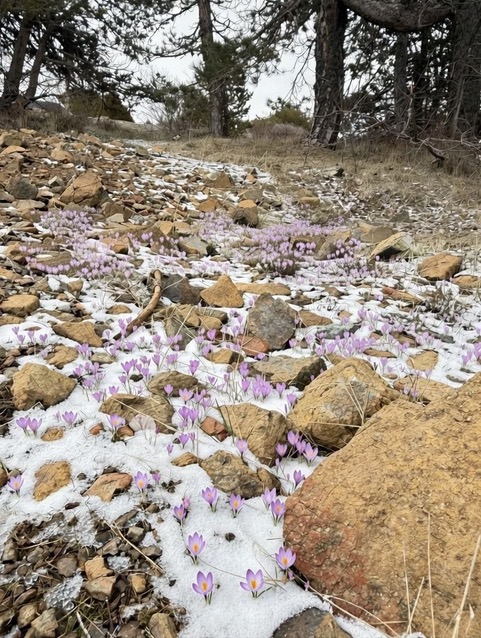
Crocus in the snow
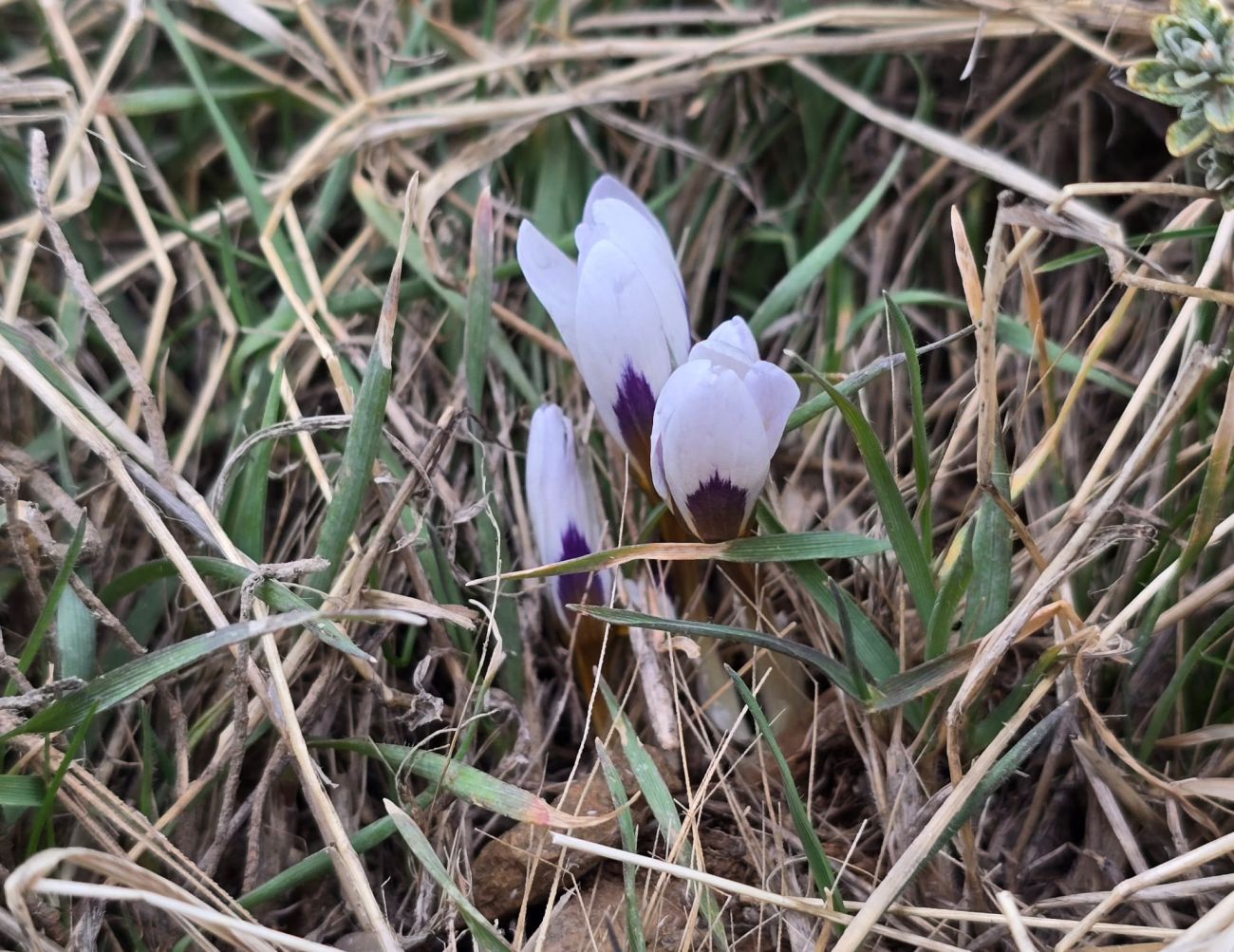
Crocus cyprius
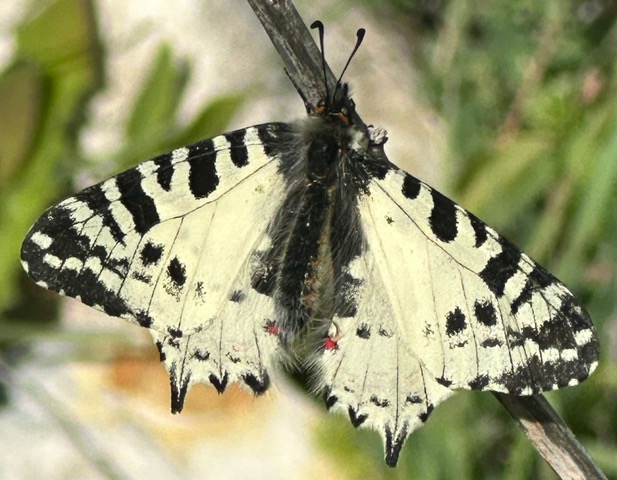
Eastern Festoon butterfly
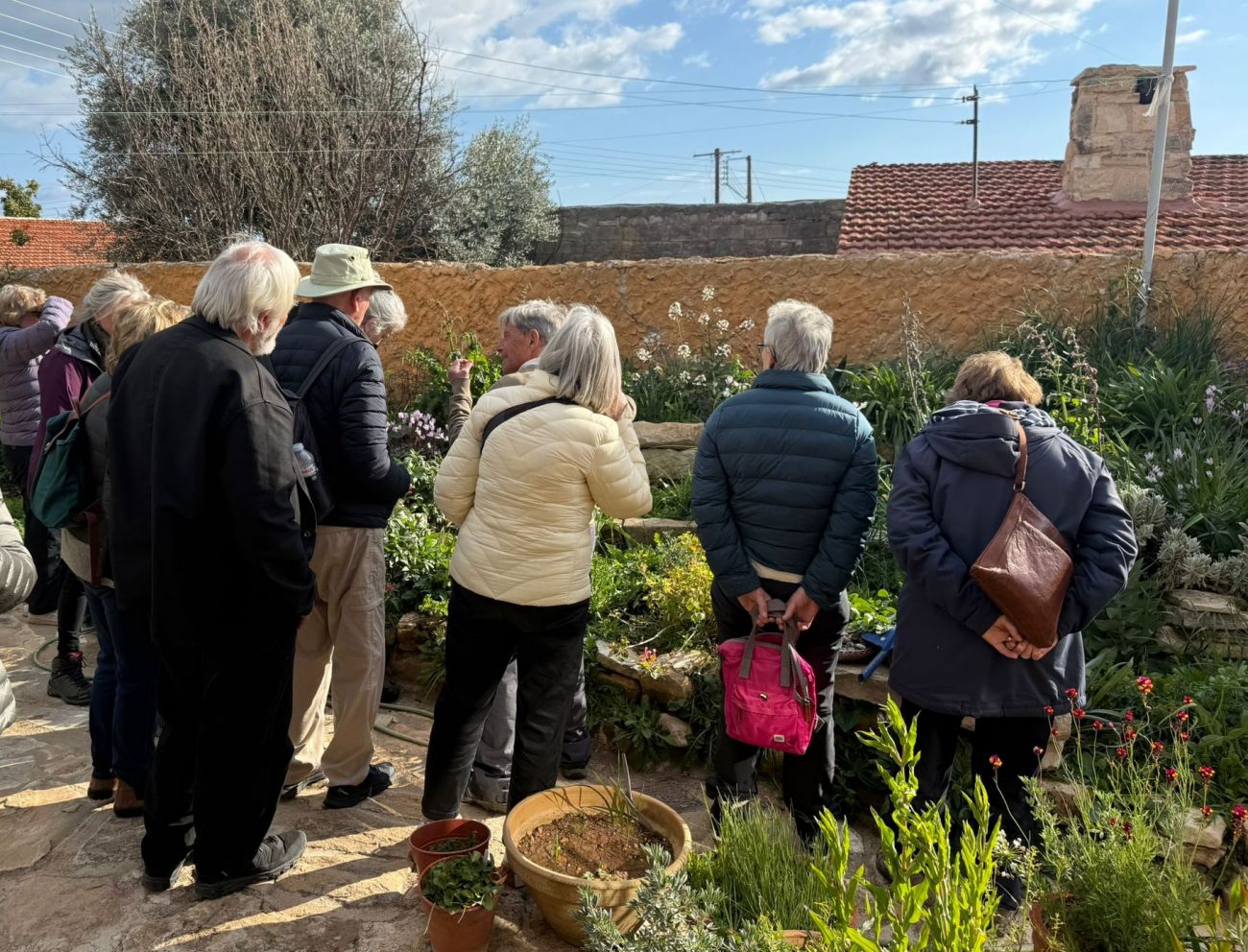
In Yiannis’ garden
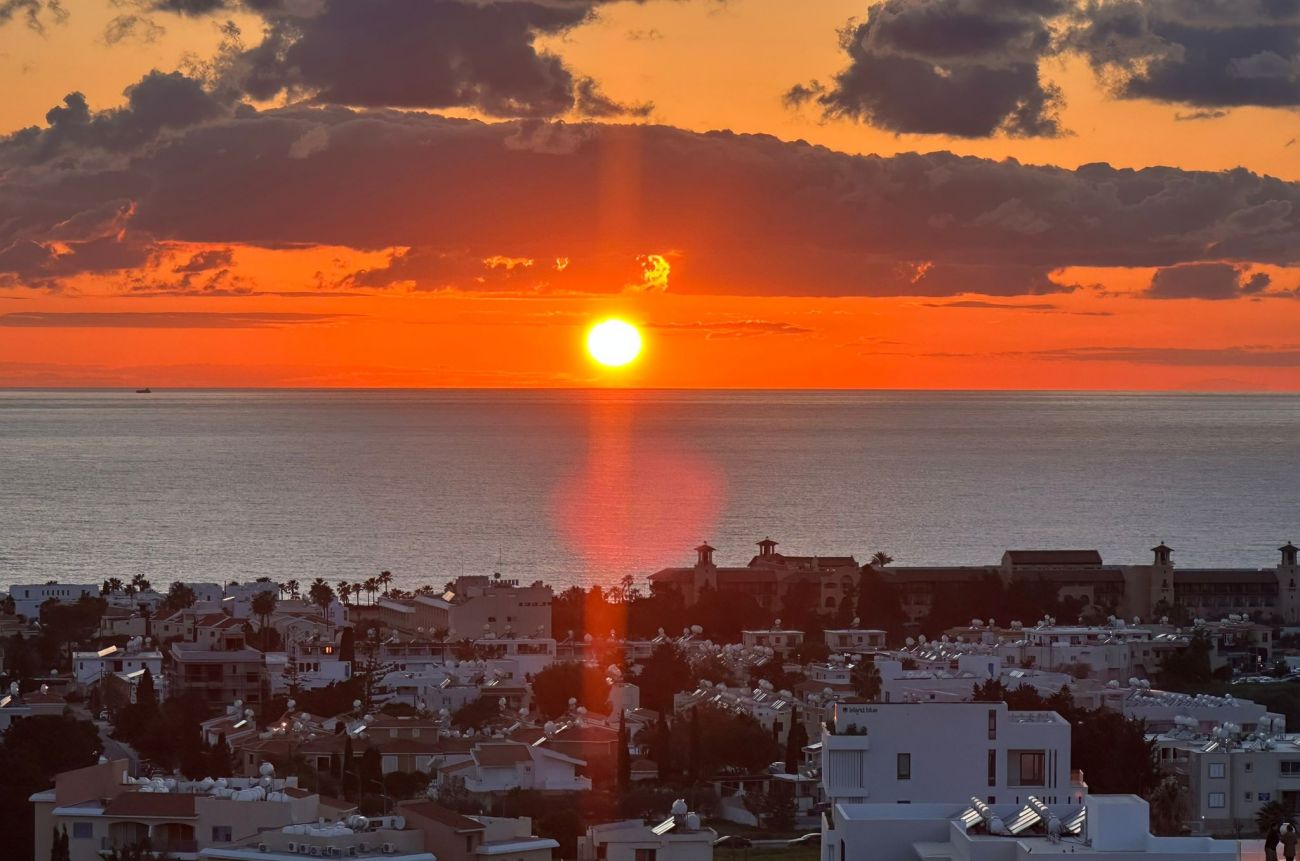
Sunset from hotel
Day 5, Sunday, was our transfer day to a hotel on the north coast near Latchi. Outside the suburbs of Paphos, we stopped by a shipwreck in an impressive limestone coastal area with several caves. The territory enabled us to see a silver-leafed convolvulus.
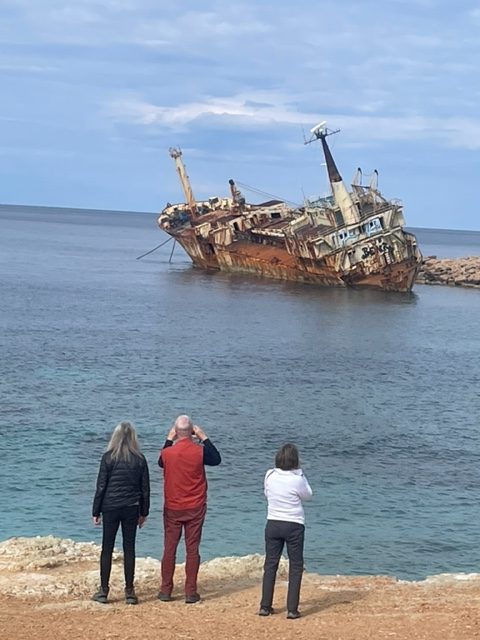
Shipwreck
We then drove to Agios Georgios where we saw another impressive Roman basilica and a tiny old church. From there we climbed to the Pegeia forest where we could eat our lunch on tables with benches where local people were also enjoying weekend picnics and barbecues. This forest was particularly good for orchids. We saw Ophrys levantina, O. elegans, O. sicula and Anacamptis morio in profusion. Other plants there were Pinus brutia, Juniperus phoenicea, Pistacia lentiscus, Prasum majus and Lithodora hispidula. After our picnic we continued towards the north coast, stopping at Kritou Terra to see Cyclamen cyprium, Quercus infectoria, Q. coccifera and many Bellevalia trifoliata. Rare trees had survived because pigs grazed and moved the acorns around.
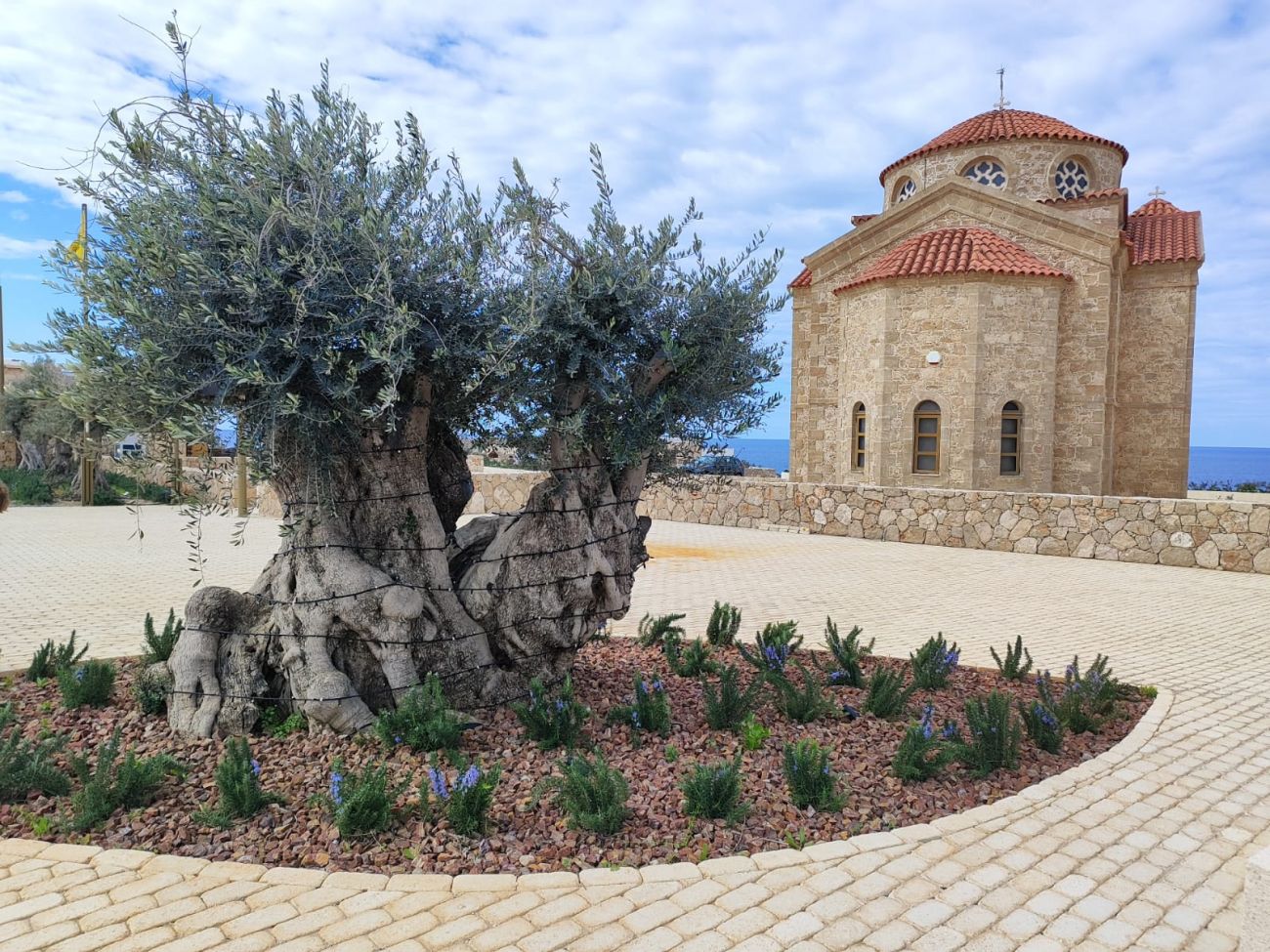
Aghios Georgios
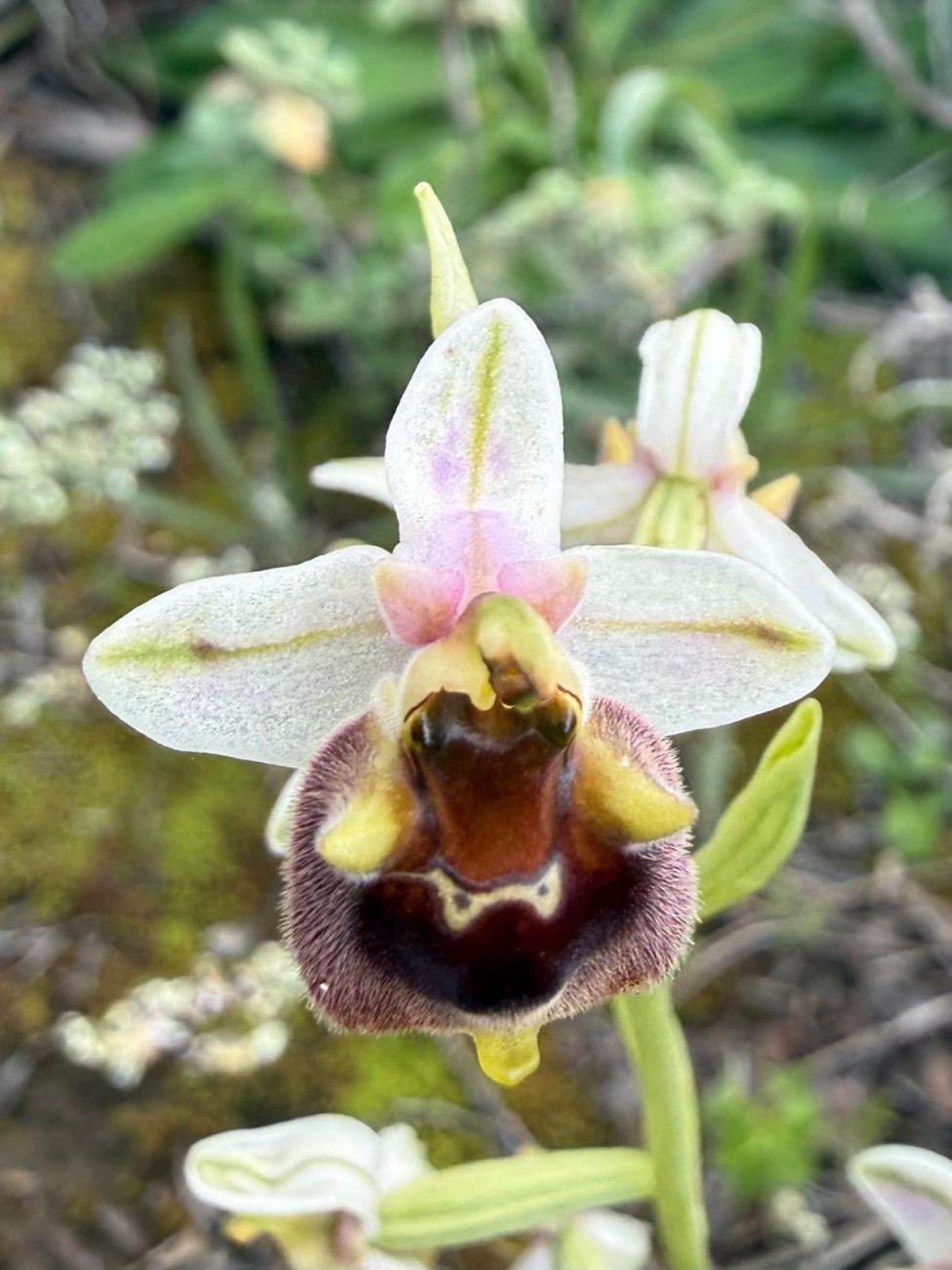
Ophrys levantina
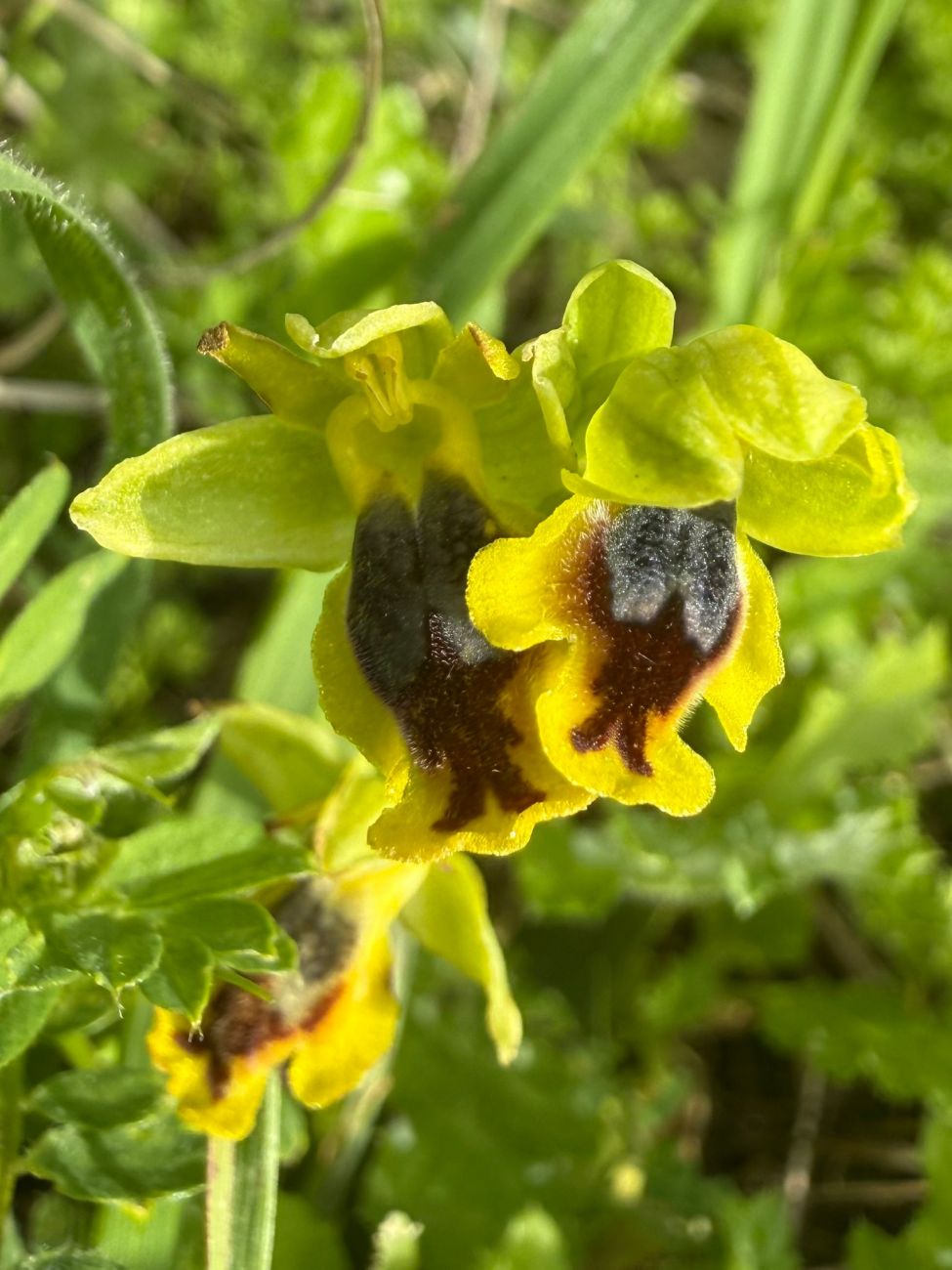
Ophrys sicula
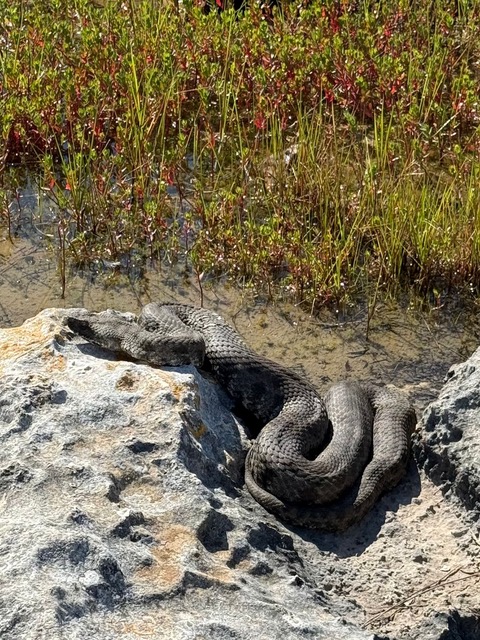
Blunt nosed viper
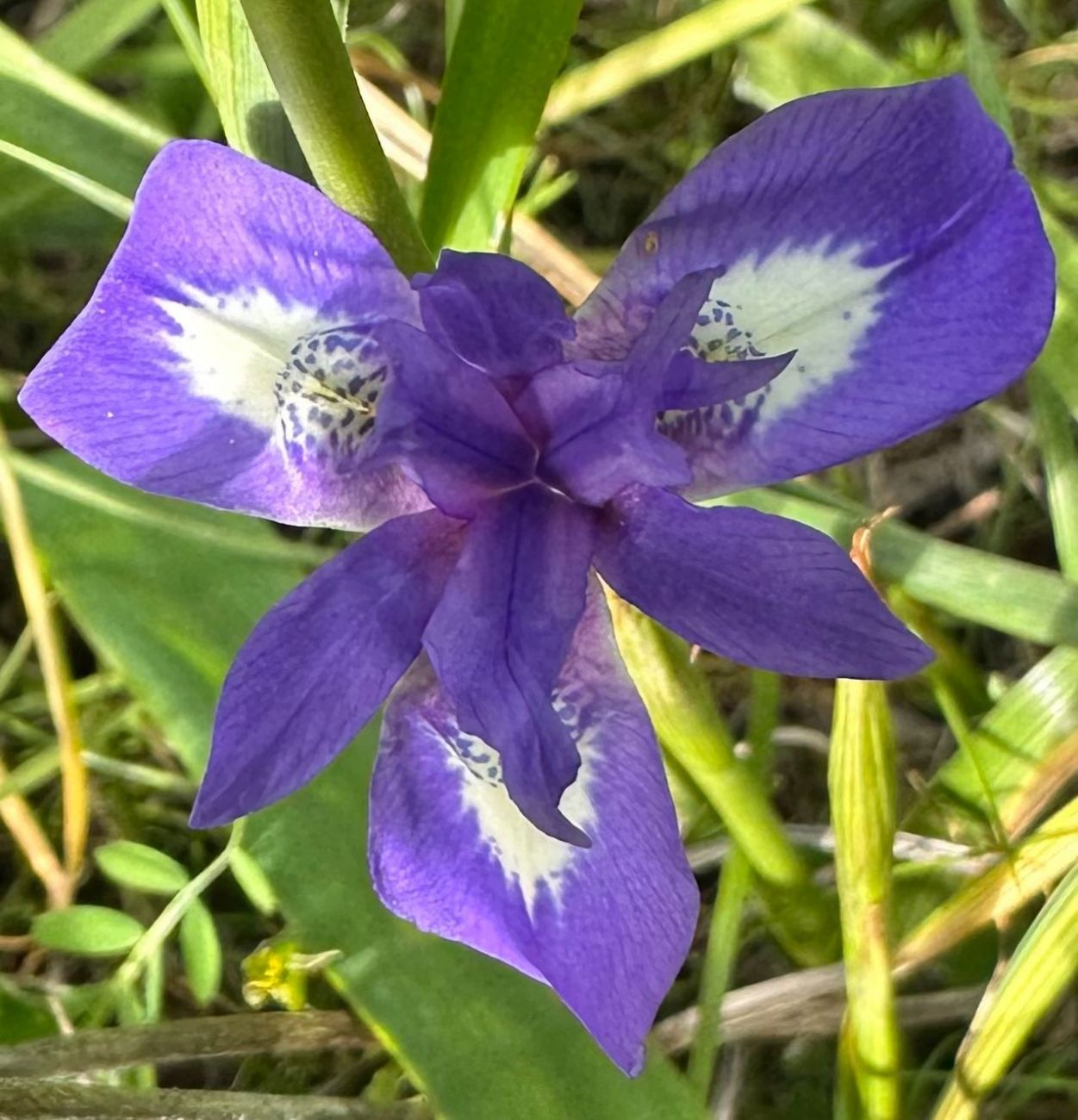
Moraea sisyrinchium
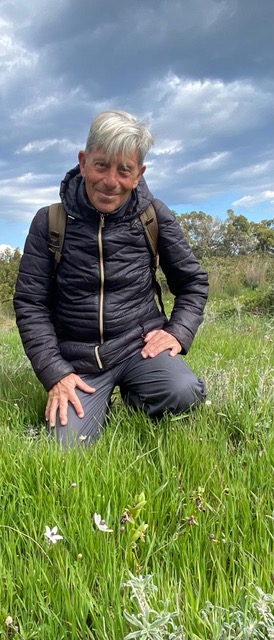
Yiannis, our guide
At the Aphrodite Hotel, we found our rooms, then some people had time to walk on the beach. However, the waves were too high, and the gravel moving too fast, for us to swim, although the temperature was not too cold. We had a buffet supper in the hotel. It was then that we learnt that Akrotiri had been attacked by the Iranian drone.
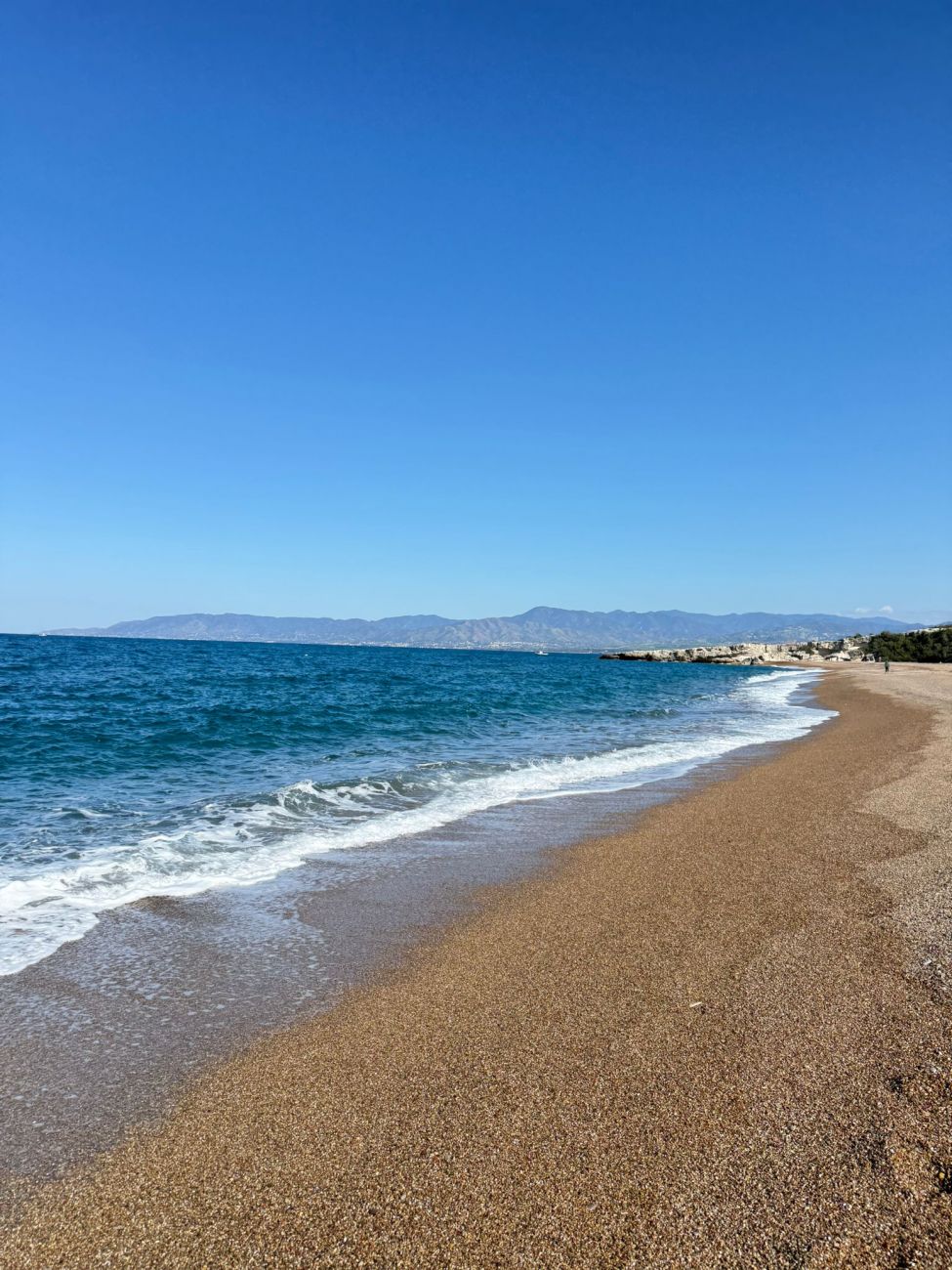
North Coast by hotel
On Day 6, on Monday, we went walking in the fields above the hotel. We saw an orchard of carob trees and learnt about them and their uses. In a valley, there were many interesting plants amongst Genista, including many orchids, Cyclamen persicum, Bellevalia trifoliata, Lotus purpureus and others. Highlight of the day was the impressive yellow Orchis punctulata, found in Cyprus, southern Turkey and the Levant. We also looked into the modern, but not well kept chapel. We walked back up the hill to our picnic spot in a conservation area and returned via an area of rock pools with interesting plants such as Ranunculus peltatus. We continued down to the shore where we saw Frankenia hirsuta and Anthemis rigida.
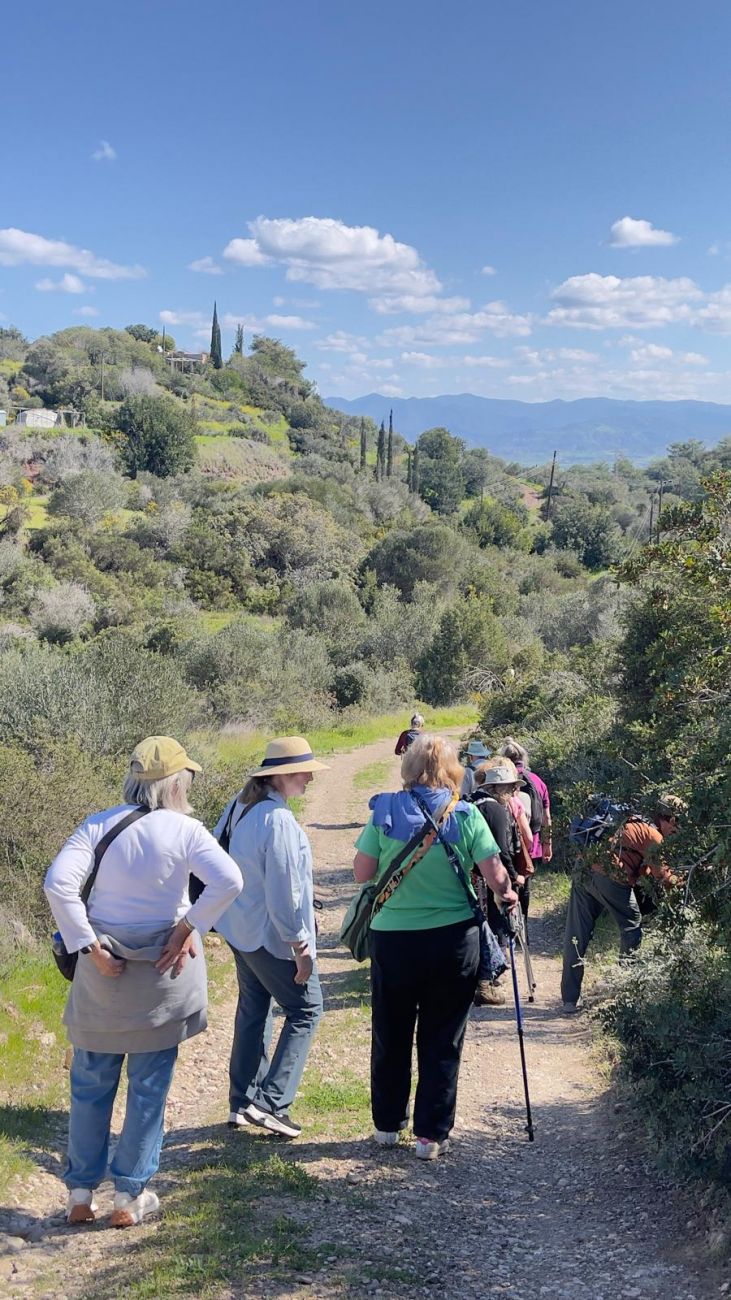
On the north coast
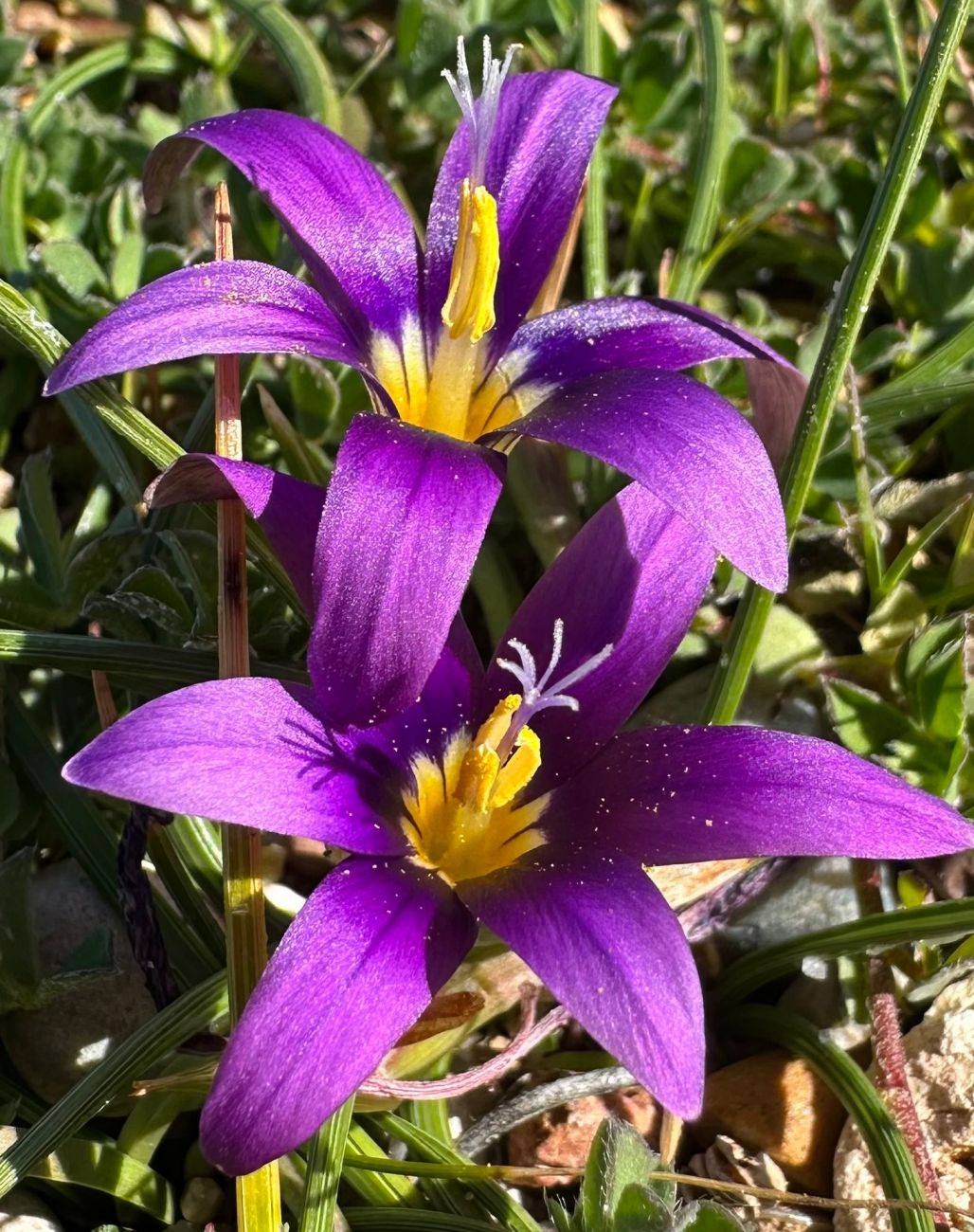
Romulea tempskyana
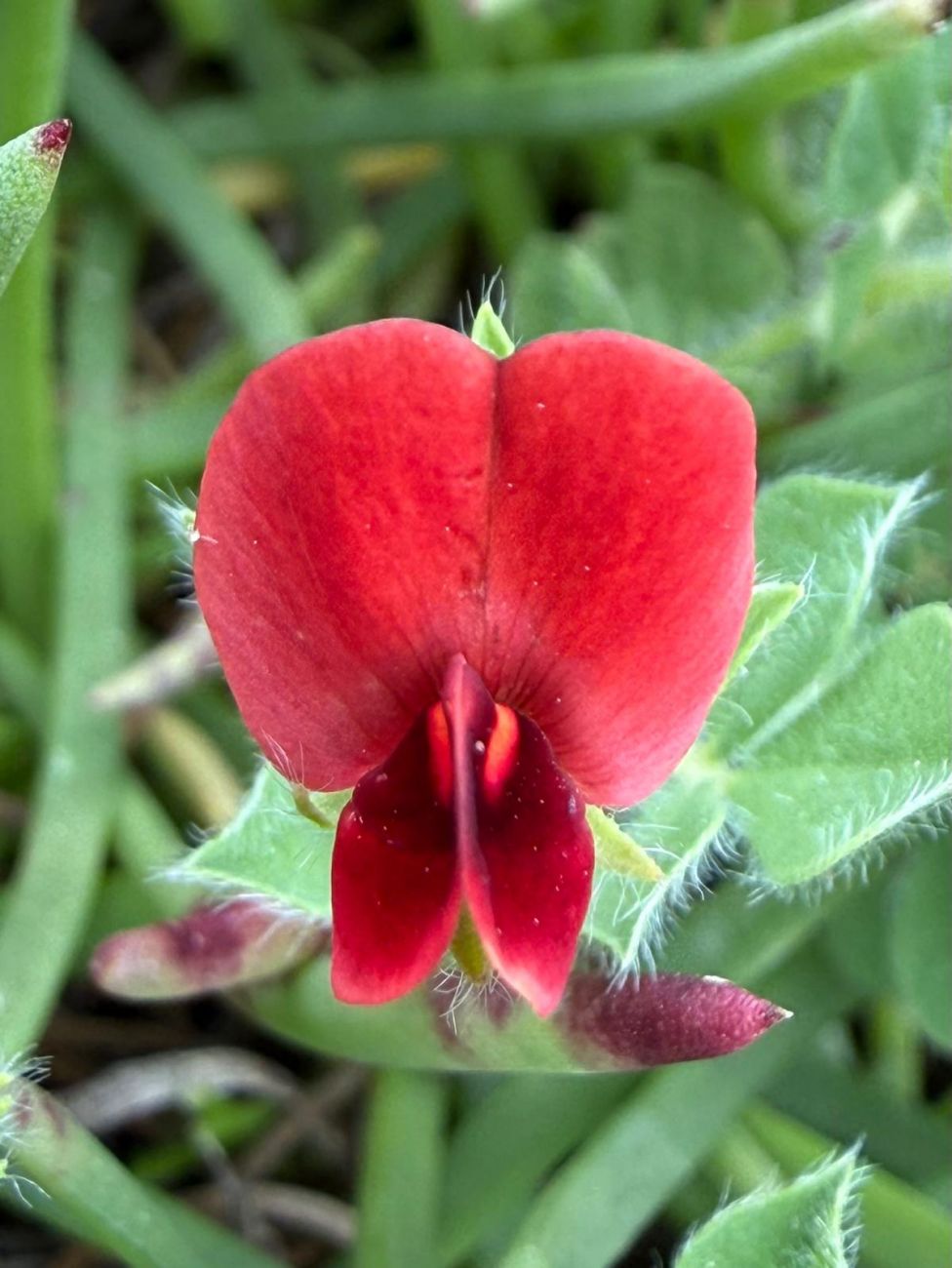
Lotus purpureus
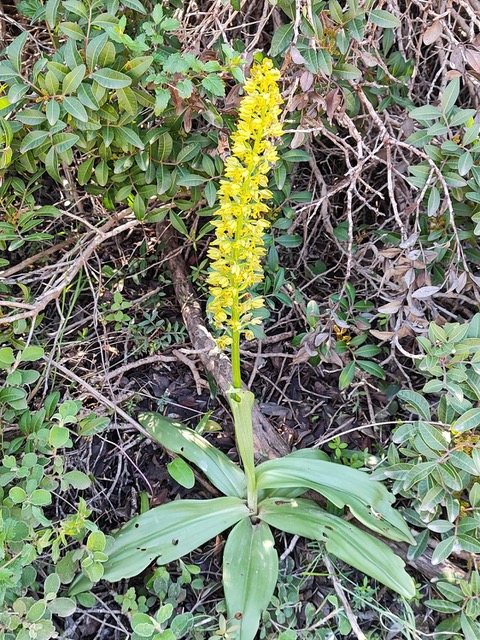
Orchis punctulata
Back at sea level some people went on a hunt for more wild flowers on the beach. Along the roadside was Lantana (escaped from gardens) and a pillar-box-red Bougainvillea. One brave person succeeded in swimming in the sea.
At our evening meal, we discovered that EasyJet had cancelled the Wednesday flight back to Gatwick on which many of the group were booked. This caused some stress as those affected sought to rebook and a few found there were no available flights until the following Monday. We were grateful to our guide Yiannis and the hotel manager for being calm and helpful.
On Day 7 we went a short way to a somewhat neglected botanic garden at a beauty spot, the Baths of Aphrodite, a perennial spring and pool in a grotto under overhanging rocks. The path was along a steep valley with enormous Eucalyptus trees. We then walked along a beautiful coastal path on high cliffs with the sea below. At the Baths we saw Adiantum capillus-veneris and Anogramma leptophylla. The area is dominated by Juniperus phoenicea maquis with Pinus brutia and Arbutus andrachne. Yiannis explained how this is propagated. There was plenty of Cyclamen persicum, and Ranunculus asiaticus grew in profusion on the hillsides above and below the track. We also saw Anacamptis syriaca, Himantoglossum robertianum, Bellevalia trifoliata and B. nivalis.
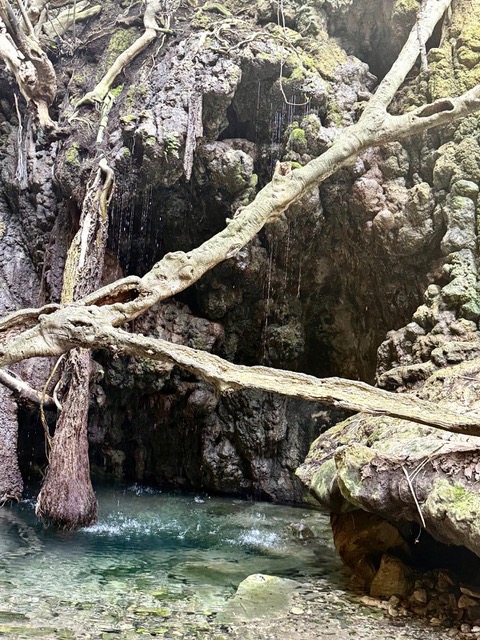
Aphrodite’s Baths
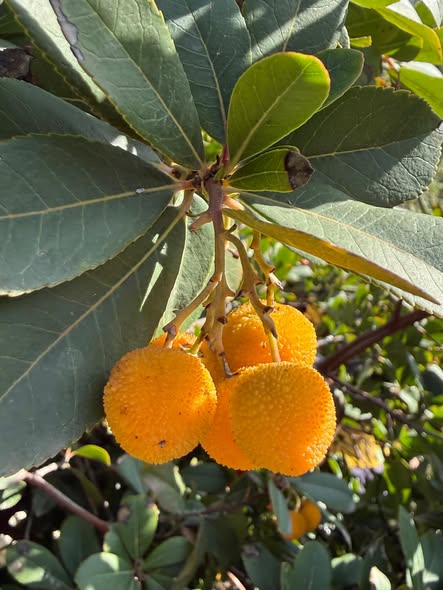
Arbutus andrachne
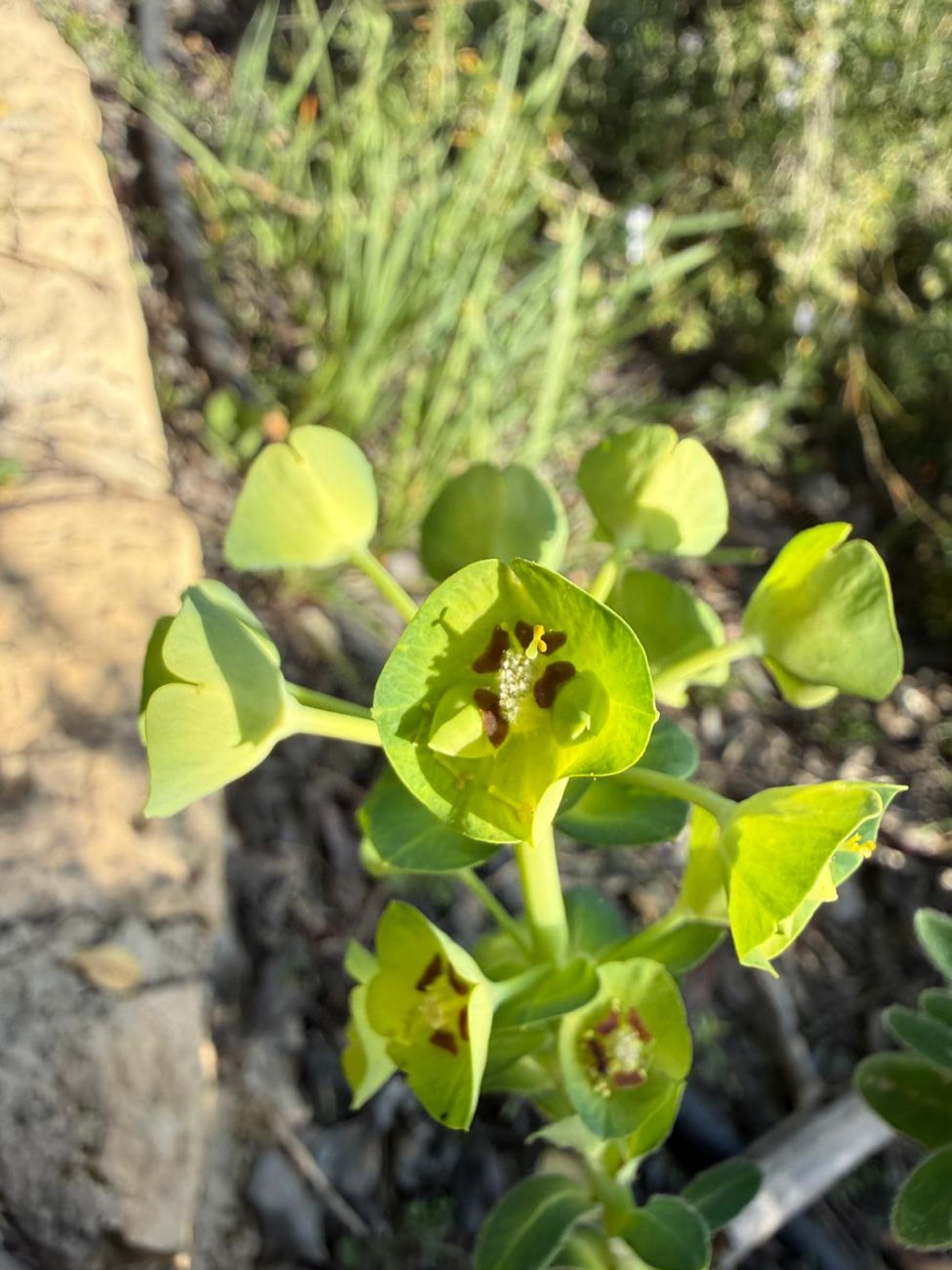
Euphorbia thompsonii
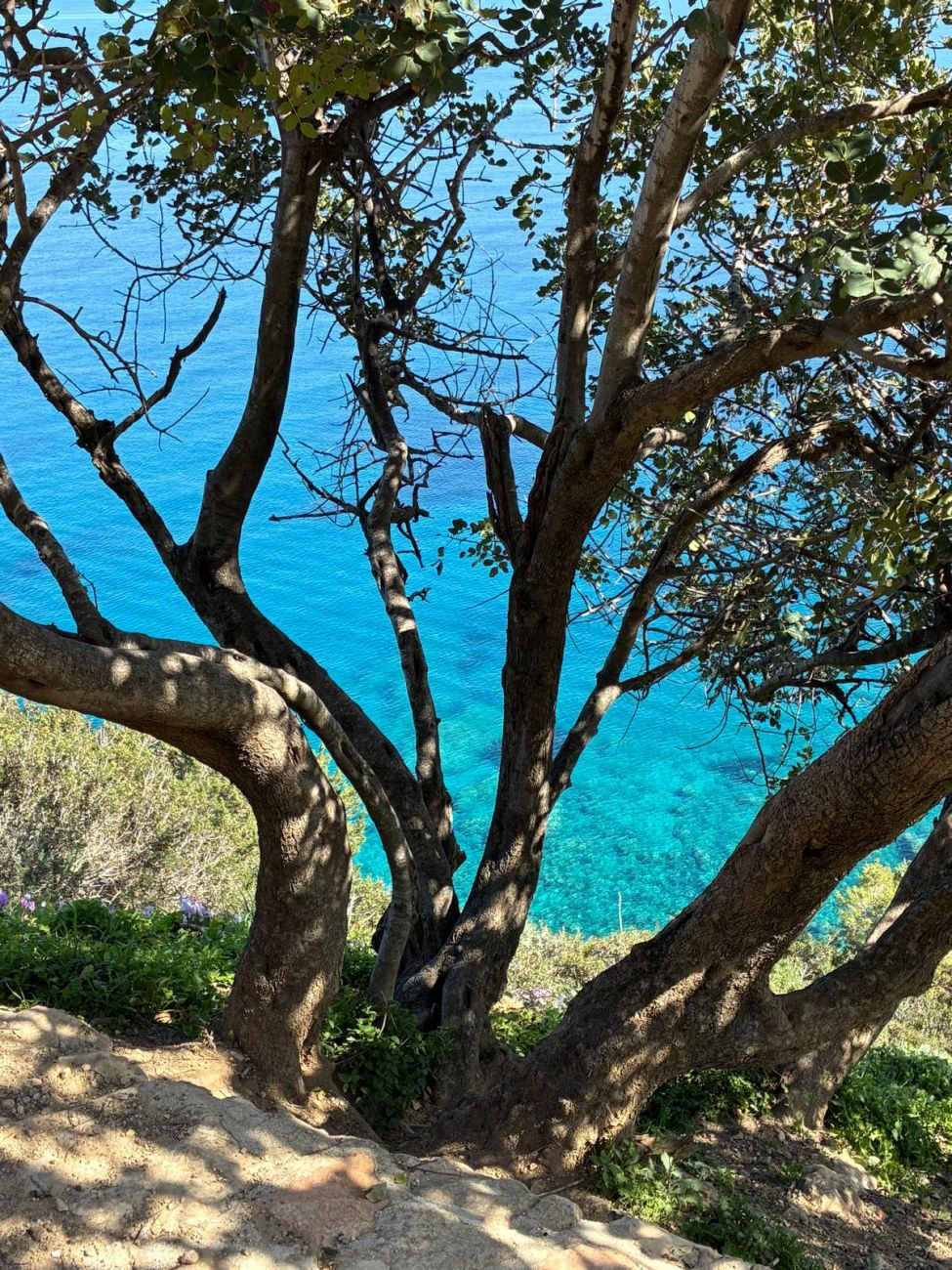
The Turquoise Sea
Day 8 – the last day of the MPG tour and our bus took us to the village of Timi, close to Paphos airport, and there we had the final lunch of the event. Some left on their planned flights, some staying on in Paphos and five of us travelling on the 150 km to Larnaka to awaiting an EasyJet flight on Saturday.
Conclusion
Although we saw some wildlife other than plants, these were inevitably more difficult to photograph but included several different butterflies and our best find was a local viper. Although Cyprus is well known for its birds, we did not see so many.
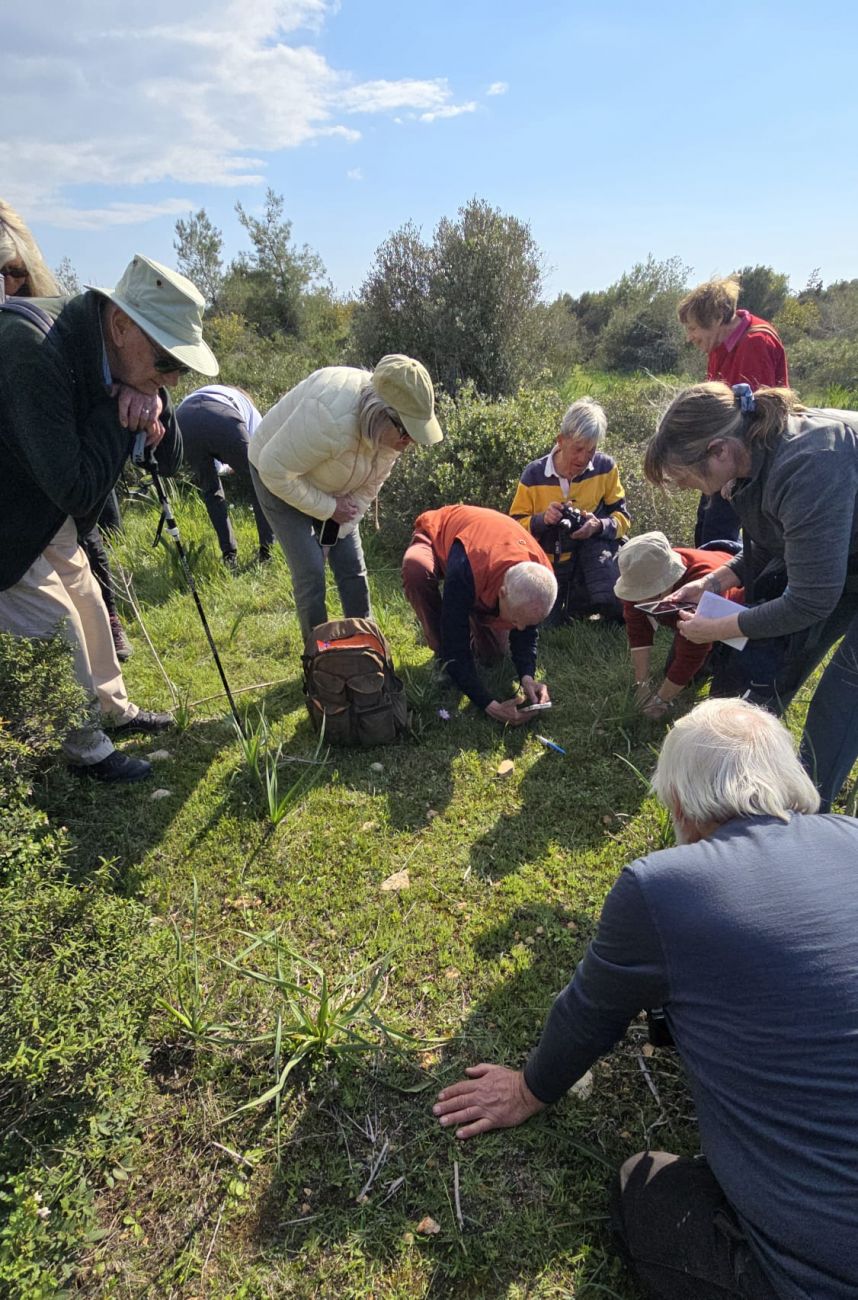
Botanising
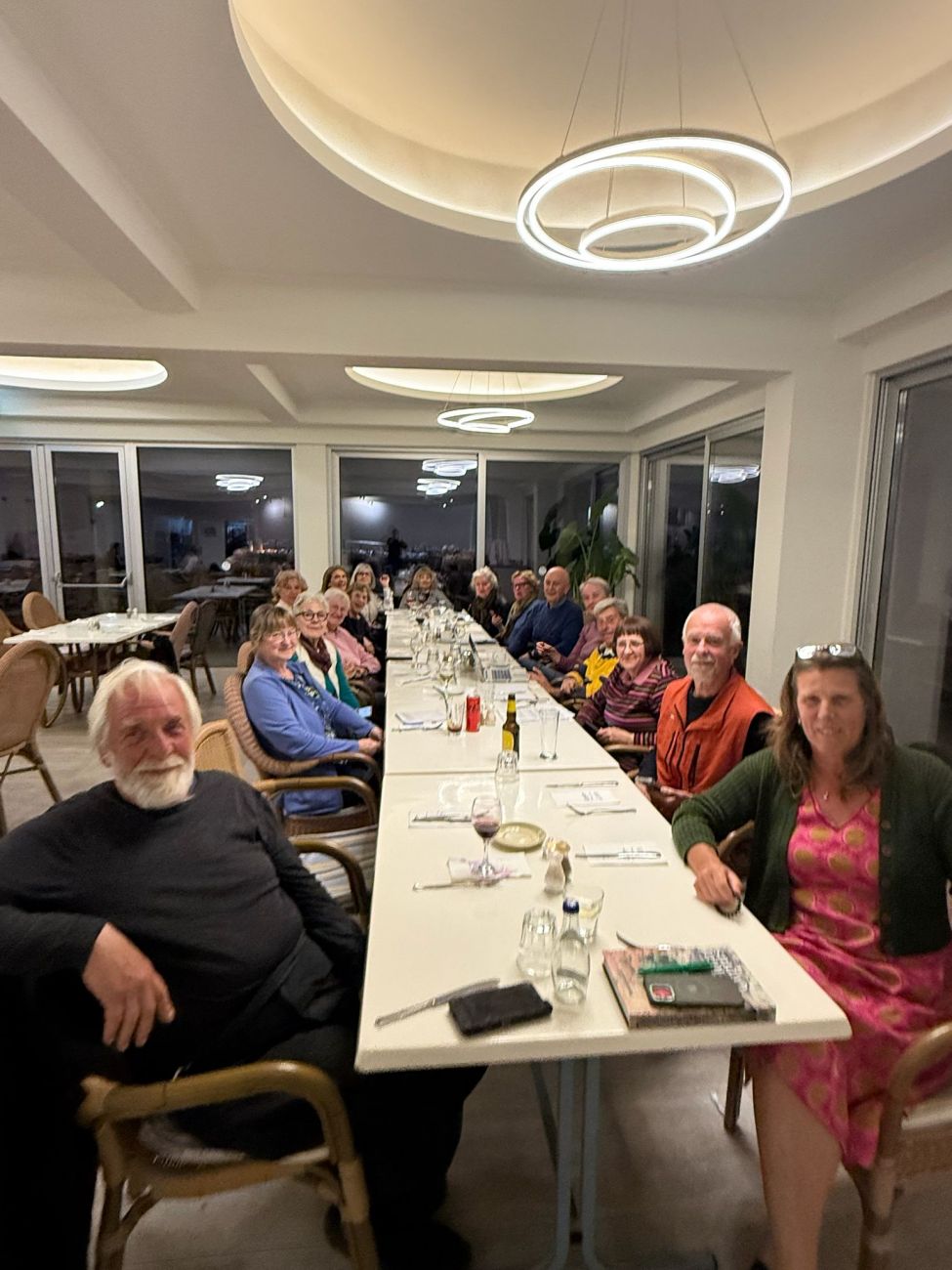
Last Supper
Most important was that our group bonded well and mostly managed to be on time, thanks to David Foreman. Some of us had been on MPG tours before and hopefully we will meet each other again on future trips. Our thanks go to Andrew Mayo for planning the tour and to both David Foreman who was the management committee’s representative and our knowledgeable and very helpful guide Yiannis.
Text: Juliet Blackburn with plant information from Yiannis Christofides
Images: Juliet Blackburn, Michael Burgess, Denise Swete, Wendy Platt, and other members