News
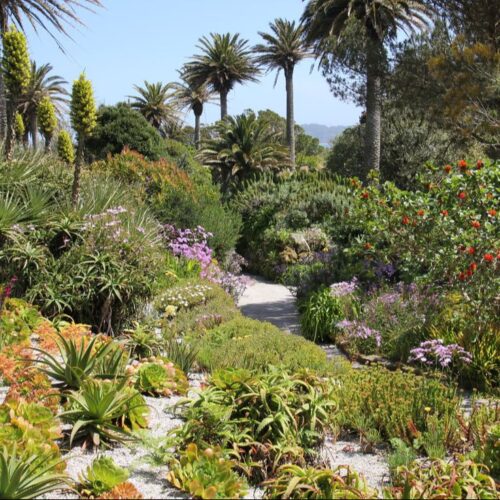
The Abbey Garden, Tresco
We had an excellent members’ Zoom meeting followed by a very interesting talk by Mike Nelhams, head gardener at The Abbey Garden, Tresco. If you missed the talk, you can catch up now. Mike also mentions his seed list from the garden.
Winter Meeting 2020
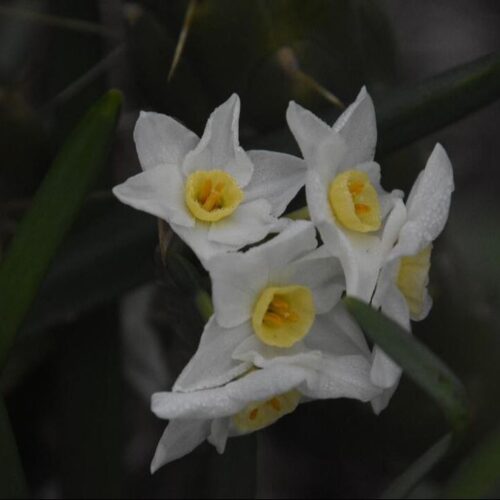
We had a full house at our Winter Meeting at RHS Wisley this year. Our speaker was John David, head of horticultural taxonomy at the RHS, whose talk was entitled ‘To Spain for daffodils’. It covered details of his research trips to study daffodils through a transect of the country from north to south, covering most of the 25 species found in Spain. Pictured here is Narcissus papyraceus. A recording of the lecture with video of the slides is now available. View the full list of the plants that John references.

From the Bursary Committee
With our tours and events on hold for the moment, we are not able to award bursaries for people to travel with us. However, we are keen to hear from anyone who has a project connected with Mediterranean plants or gardens and will consider applications to support an educational, conservation or research objective. Applications are particularly welcome from young horticulturists who wish to widen their knowledge and experience of Mediterranean plants and dry gardens. At the beginning of 2020, a bursary was awarded to Catherine Cutler which enabled her to join the trip to Israel led by Oron Peri in February. Catherine works in the Mediterranean Biome at the Eden Project and was keen to see the natural growing conditions of some of the bulbs and other plants that they cultivate in the Biome. View the reports from bursary recipients.
Proposed plant study days
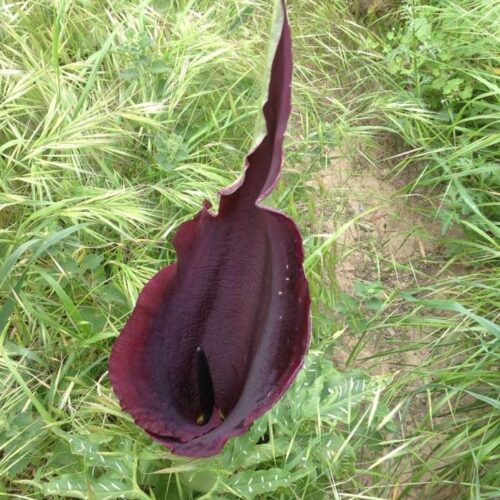
We hope before long to be organising Mediterranean-plant study days, in line with recent ideas on having more educational activities. Apart from the Salvia day now postponed to 2021, members have suggested the genus Narcissus and the Mediterranean elements of the family Araceae: Arum, Biarum, Dracunculus, etc, also perhaps Iris, Callistemom, Cistus or Lavandula.
Look out for deadly bacteria
The Xylella fastidiosa bacteria is native to America but has already taken hold in France, Spain including the Balearics, and Italy, where it has killed millions of olive trees. Although it has not yet been detected in the UK, the RHS has serious concerns about the risk of introduction via infected, imported host plants. The bacterium is transmitted between plants via insects which feed on plant sap (such as the meadow froghopper) and which produce spittle to protect their nymphs.
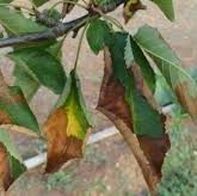
Xylella infects a wide range of garden plants. Symptoms of infection include leaf scorch, wilt, dieback and eventual death. RHS has some photographs to help identify infection. Meanwhile, it makes sense not to import any plants ourselves.
Award for member at Chelsea 2019
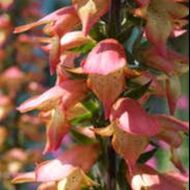
John Fielding, MPG member, had a new Digitalis offspring at RHS Chelsea Flower Show, Digitalis x valinii ‘Firebird’ (left). This foxglove won second place in Chelsea Plant of the Year and is a hybrid of Digitalis purpurea and D. canariensis. It is a very attractive apricot colour with an upright habit, multiple stems per plant and is hardy down to -5C. Our congratulations to John.
Photo: Hardy’s Cottage Garden Plants